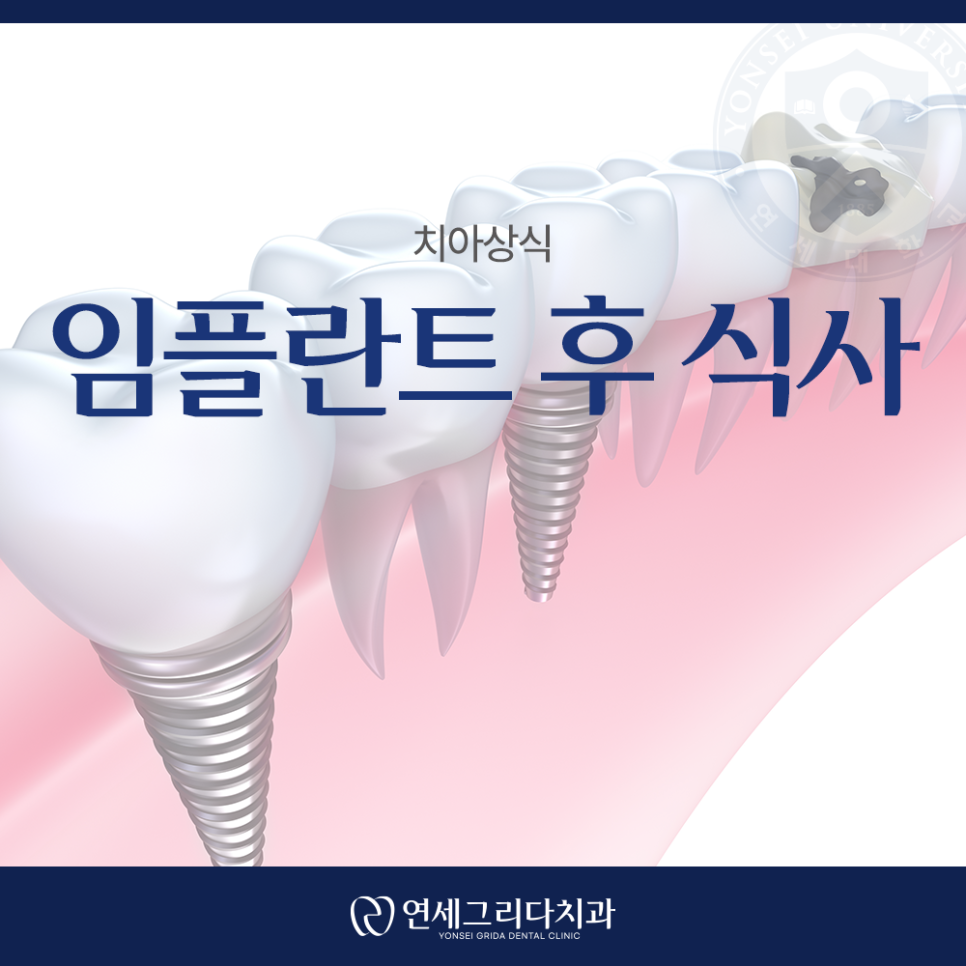
One of the most practical
questions people have before dental treatment
is about eating.
Those planning an implant
naturally wonder,
“After the treatment, when can I
eat again?”
Because eating is something that happens
several times a day in daily life,
it is only natural to want to know in advance
what changes may come after treatment.
Some people worry that they may not be able to
eat anything for several days,
while others wonder whether they can
return to eating as usual right away.
These questions come up often in the clinic as well.
Today, let’s go over the timing of eating after an implant
and the precautions to keep in mind,
step by step.
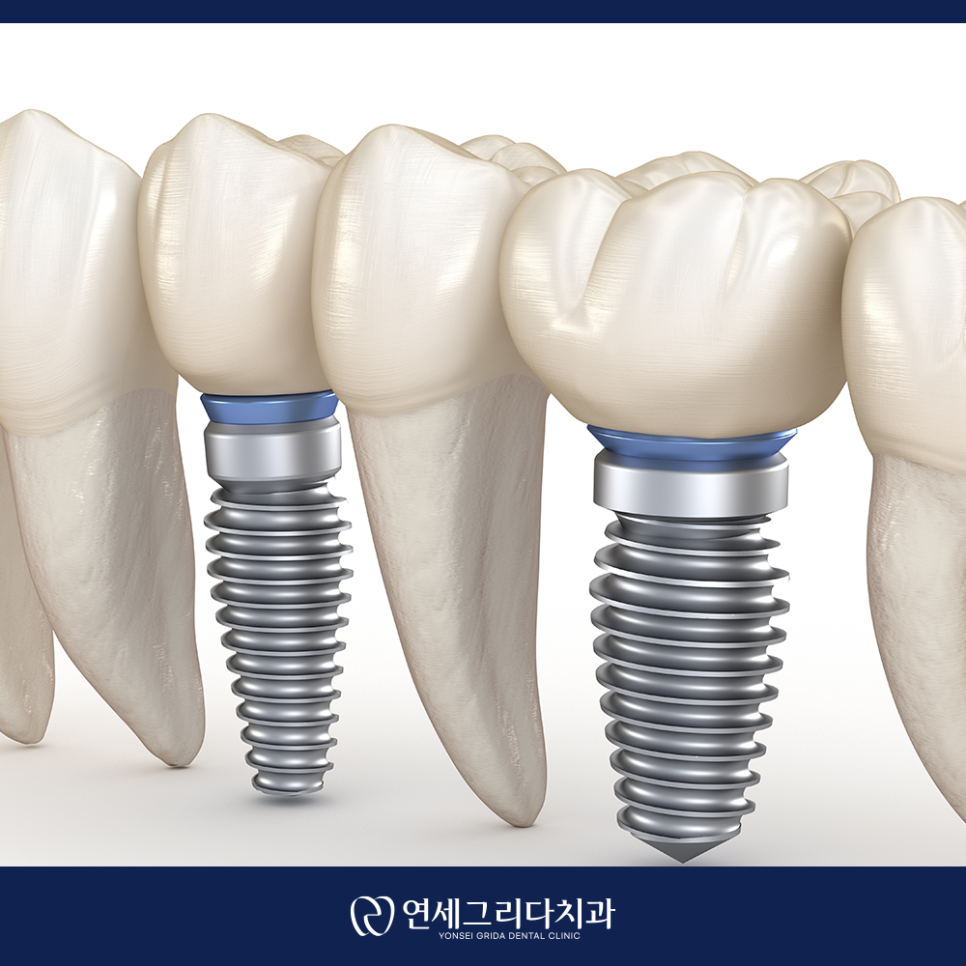
When Can You Eat Right After Surgery?
After implant surgery,
there is a period during which
the anesthesia still lasts to some degree.
At this time, because sensation in the mouth is dulled,
you may unintentionally bite your lips or the inside of your cheek,
so rather than eating right away,
it is better to eat after the anesthesia has
worn off to some extent.
In most cases, a light meal is possible about
2 to 3 hours after surgery.
However, at this stage, it is necessary to approach meals
slightly differently from your usual diet.
Rather than foods that are very stimulating or hard,
it is better to start with soft foods.
Warm porridge, rice gruel,
or soft tofu—foods that are easy to chew—
can be helpful.
Starting this way can reduce excessive irritation
to the surgical site during the post-implant eating process.
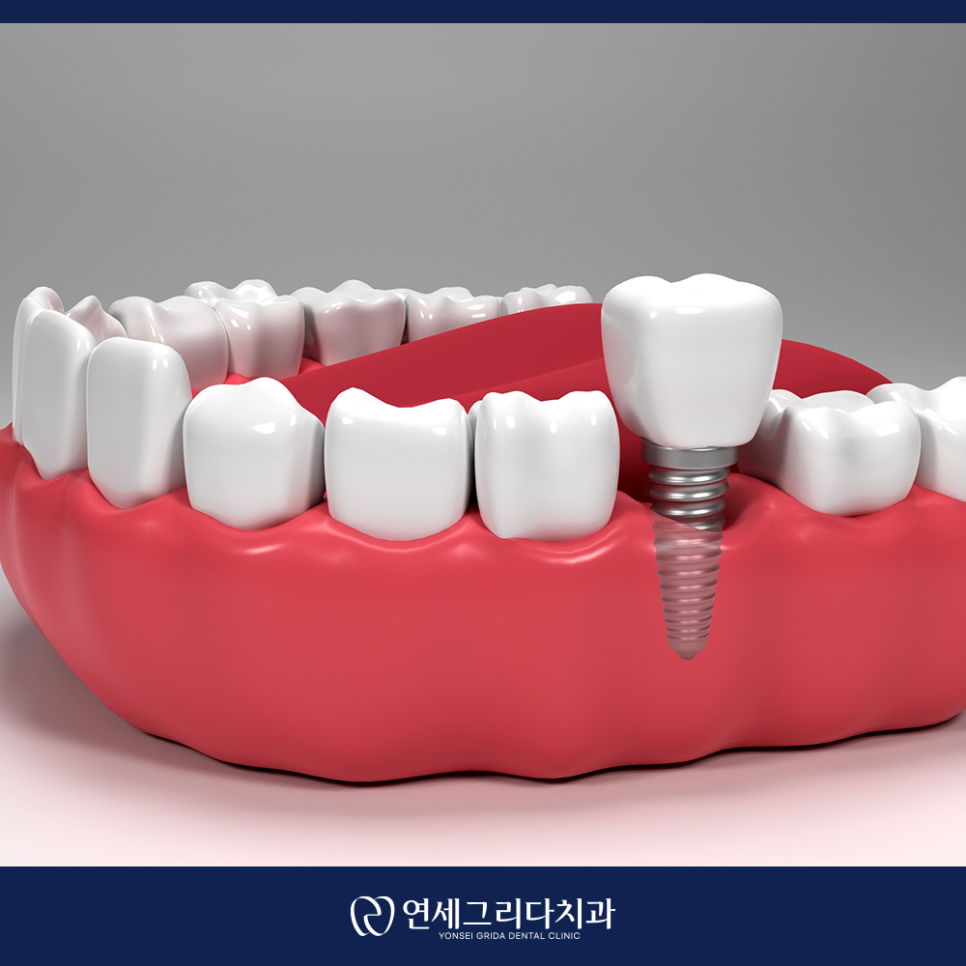
What Foods Should Be Avoided for a Few Days?
For a few days after surgery, the gums are in the healing stage.
At this time, food choices play a more important role
than you might expect.
Very hot foods can increase blood flow and cause bleeding,
and hard or chewy foods can place direct pressure on the surgical site.
For example, foods that require strong chewing,
such as nuts, dried squid, or tough meat,
are best postponed for a while.
Also, spicy foods, carbonated drinks,
and alcohol can irritate the gums,
so it is helpful to avoid them during the first few days.
When eating after an implant,
it is important not only what you eat,
but also how you eat.
If you get into the habit of chewing on the opposite side
and avoiding the surgical side,
you can reduce the strain placed on the gums.
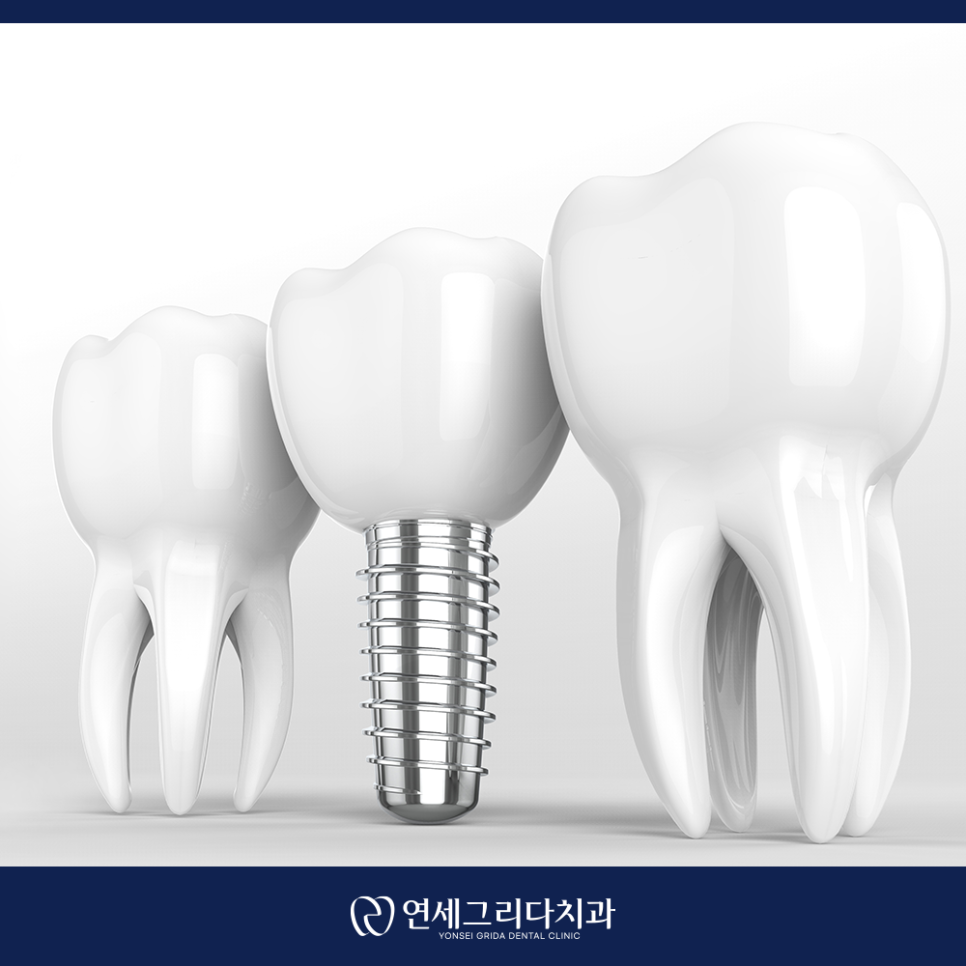
When Can You Return to Your Usual Meals?
Many people ask this in the clinic:
“After an implant, when can I eat as usual?”
Although it depends on the individual’s gum condition
and the scope of surgery,
generally, it is recommended to maintain a soft diet
during the first few days and then gradually expand
the types of food you eat.
Because the gums need some time to stabilize,
it is better to increase the level of dietary hardness step by step
rather than suddenly trying hard foods.
During the early stage of implant integration,
reducing excessive stimulation can help the recovery process.
Therefore, when eating after an implant,
it is important to think not only about “when you can start eating,”
but also about “how to gradually increase your meals”
in stages.
Other Things Worth Remembering Too
During the recovery process after surgery,
several habits other than eating can also have an effect.
Using a straw or rinsing forcefully can put pressure on the surgical site,
so it is better to avoid these behaviors in the early stage.
Also, eating slowly so that food does not directly touch the surgical site
can be helpful.
Although these may seem like small differences,
they can affect gum stability during recovery.
If you are preparing for treatment,
simply knowing the basic flow related to eating after an implant
can help reduce unnecessary worry.