What if sensitivity continues after a crown?
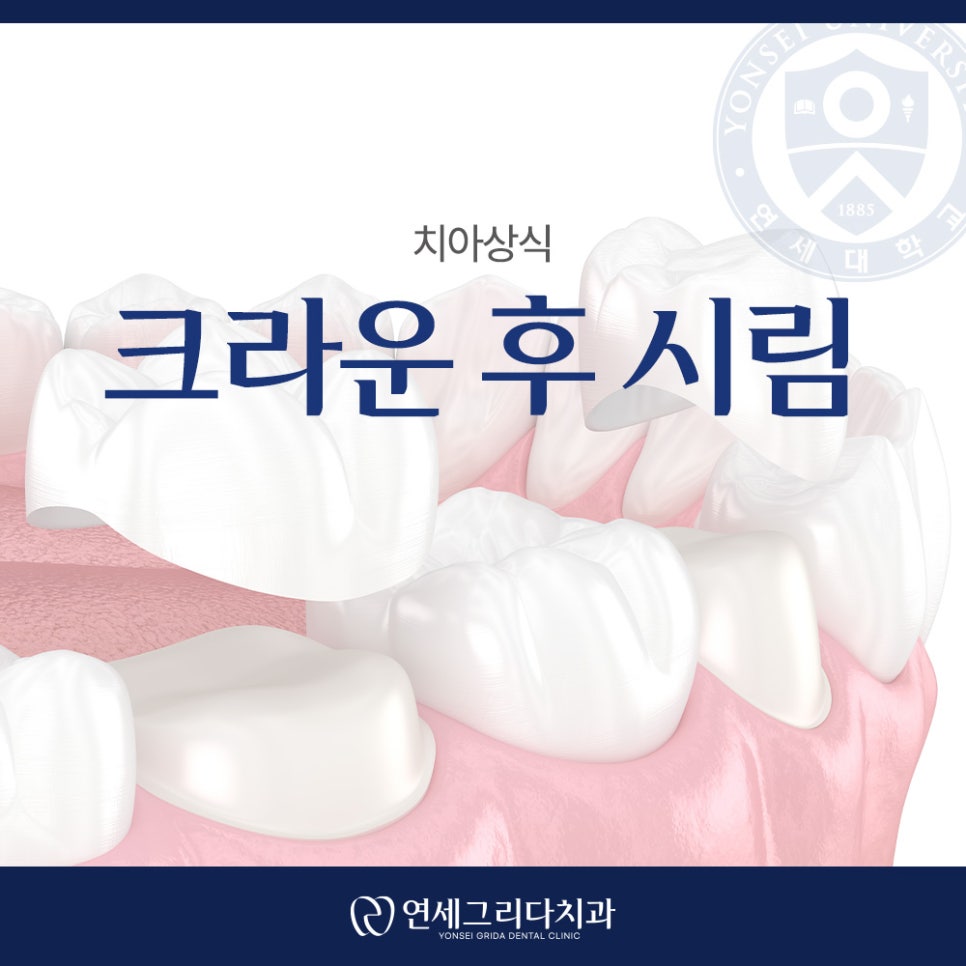
After crown treatment,
most people think that
now the discomfort
will go away.
Because it is a treatment that
covers and protects a damaged tooth,
many expect pain or sensitivity
to disappear naturally as well.
However, contrary to expectations,
if the sensitive feeling continues
after the crown is placed,
it can be unsettling.
This sensitivity can appear for
various reasons,
and depending on the situation,
it may be necessary to check
the cause.
So, let’s look at why sensitivity
after a crown continues
and what points need to be examined.
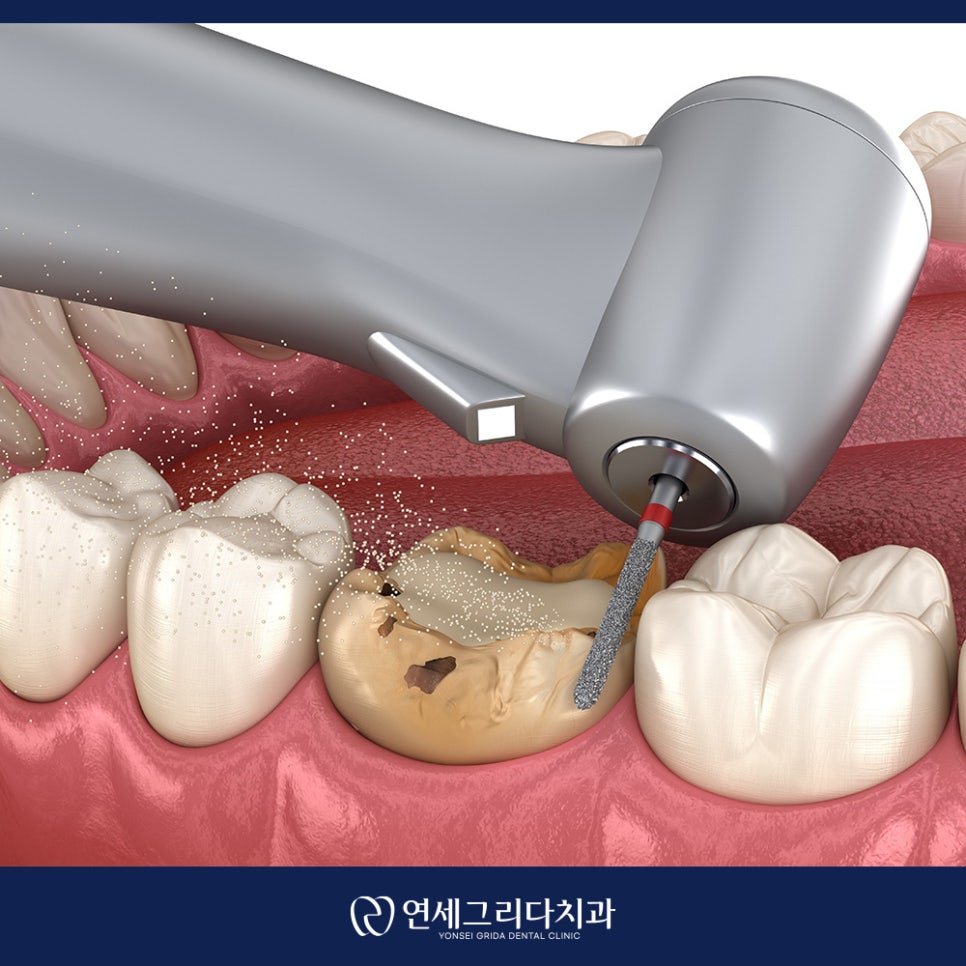 Temporary sensitivity after crown treatment
During prosthetic treatment,
part of the tooth is
ground down.
In this process, the tissue inside
the tooth may be temporarily
stimulated,
and as a result,
sensitivity may appear
for a certain period after treatment.
In particular, when reacting to foods
with large temperature changes,
such as cold drinks or ice cream,
brief sensitivity may be felt.
This kind of reaction
tends to gradually lessen
over time.
Depending on the person,
it may last from a few days
to a few weeks,
and if there is no special problem,
it may naturally settle down.
However, if the sensitivity does not
decrease even as time passes,
or if it feels even stronger,
it may be necessary to consider
other causes.
 When discomfort is also felt while chewing
After a crown is placed,
you may feel as if pressure is
concentrated on a specific area
when chewing.
In this case, a subtle pain or
sharp tingling sensation may
occur during chewing.
Because everyone’s chewing habits
and bite alignment are different,
even small differences can cause
discomfort while chewing.
This can be especially noticeable
when chewing hard foods.
These symptoms are often not
noticeable in daily life and only
appear during meals,
and while they may naturally
become less noticeable over time,
that is not always the case.
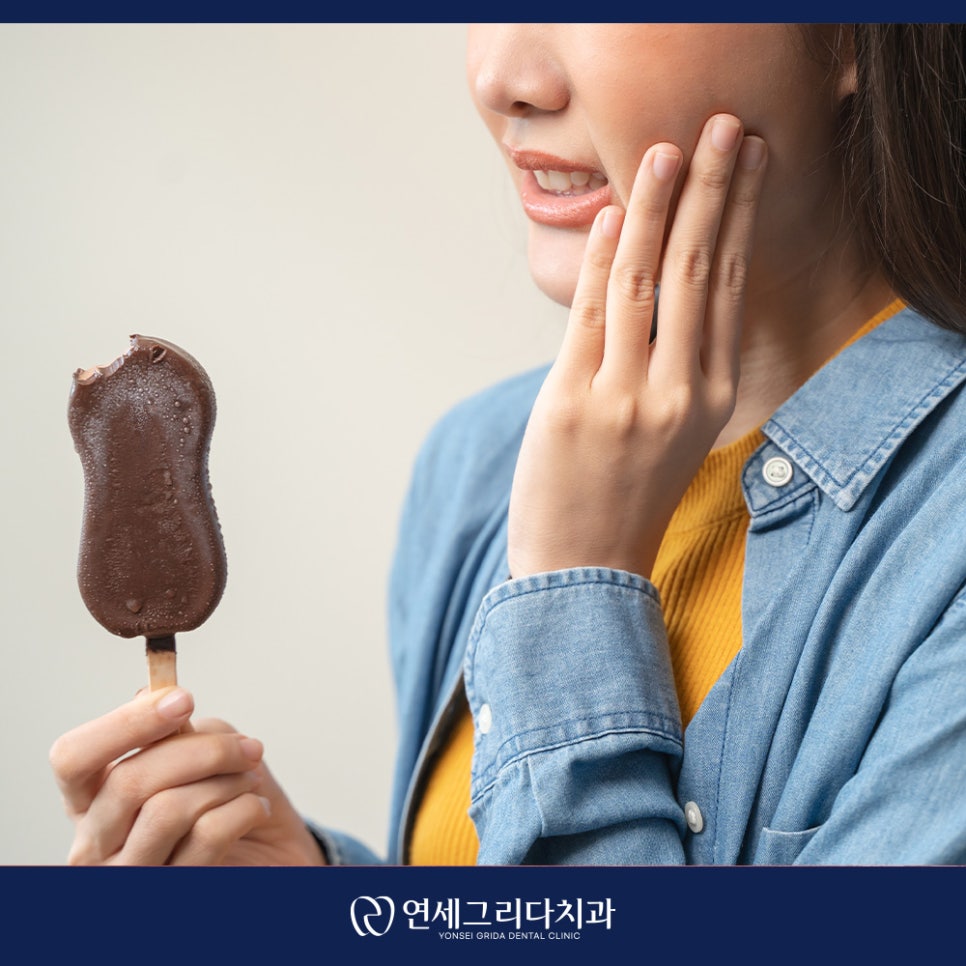 When reacting sensitively to temperature changes
If drinking cold water causes not
a brief passing sensation but
discomfort that lasts a long time
after the stimulus,
it may mean that the tooth is
responding sensitively to
temperature changes.
In particular, it may show up more
often in situations such as the following.
- When pain remains for a long time after drinking a cold beverage
- Reaction to sweet or sour foods
- Repeated sensitivity with foods that have large temperature differences
If you continue to react to specific
stimuli in this way,
it may be worth considering that
another cause, rather than a
simple temporary reaction,
could be at work.
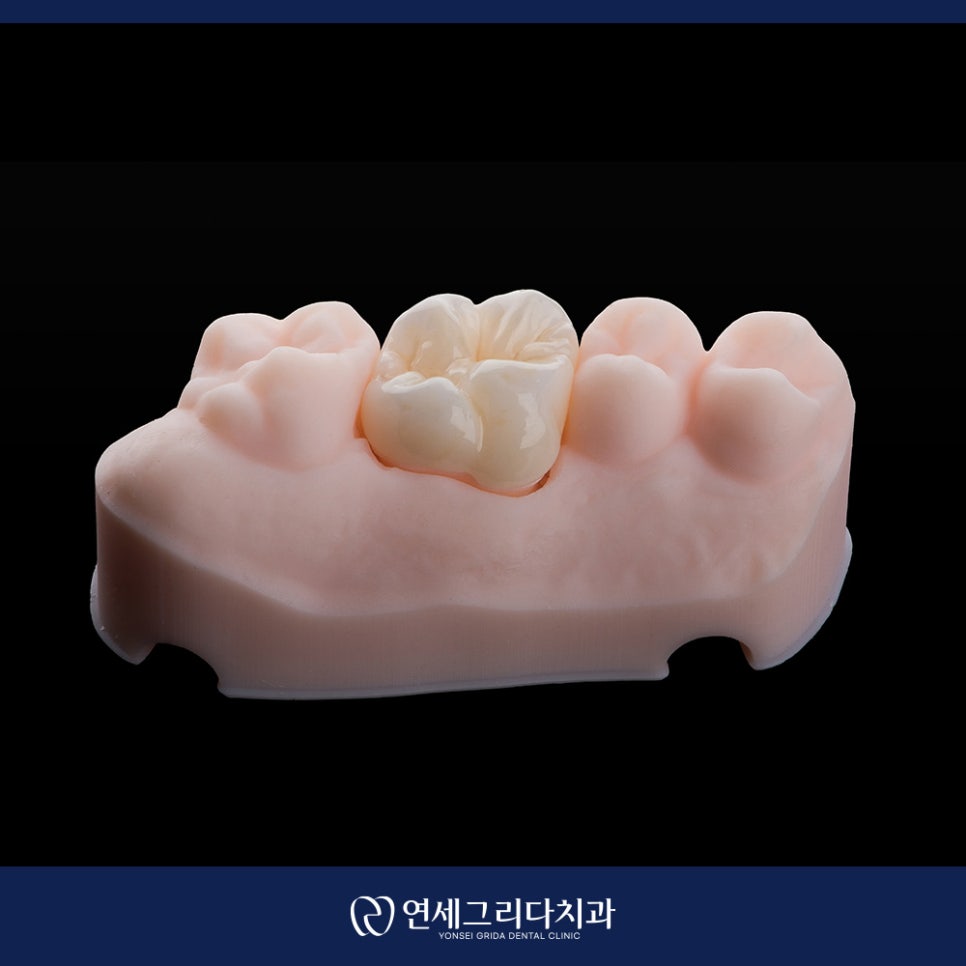 If the symptoms do not lessen over time
In general, sensitivity that appears
after treatment often gradually
subsides over time.
However, if sensitive reactions
continue even after several weeks,
or if sensitivity to cold foods
lasts a long time,
it may be necessary to consider
other causes.
In particular, if pain continues
for a while even after the stimulus
is gone,
or if discomfort also appears
when chewing,
the tissue inside the tooth may
be in a more sensitive state.
In such cases, it may be necessary
to check the condition of the
tooth nerve.
Depending on the situation,
root canal treatment may be
considered,
because if inflammation develops
in the tooth nerve or irritation
continues, treatment may be
performed to clean out the internal
tissue and remove the cause of the pain.
Therefore, if sensitivity does not
decrease over time or feels like
it is getting stronger, it is important
not to dismiss it as a simple
sensitivity symptom and to check
the condition.
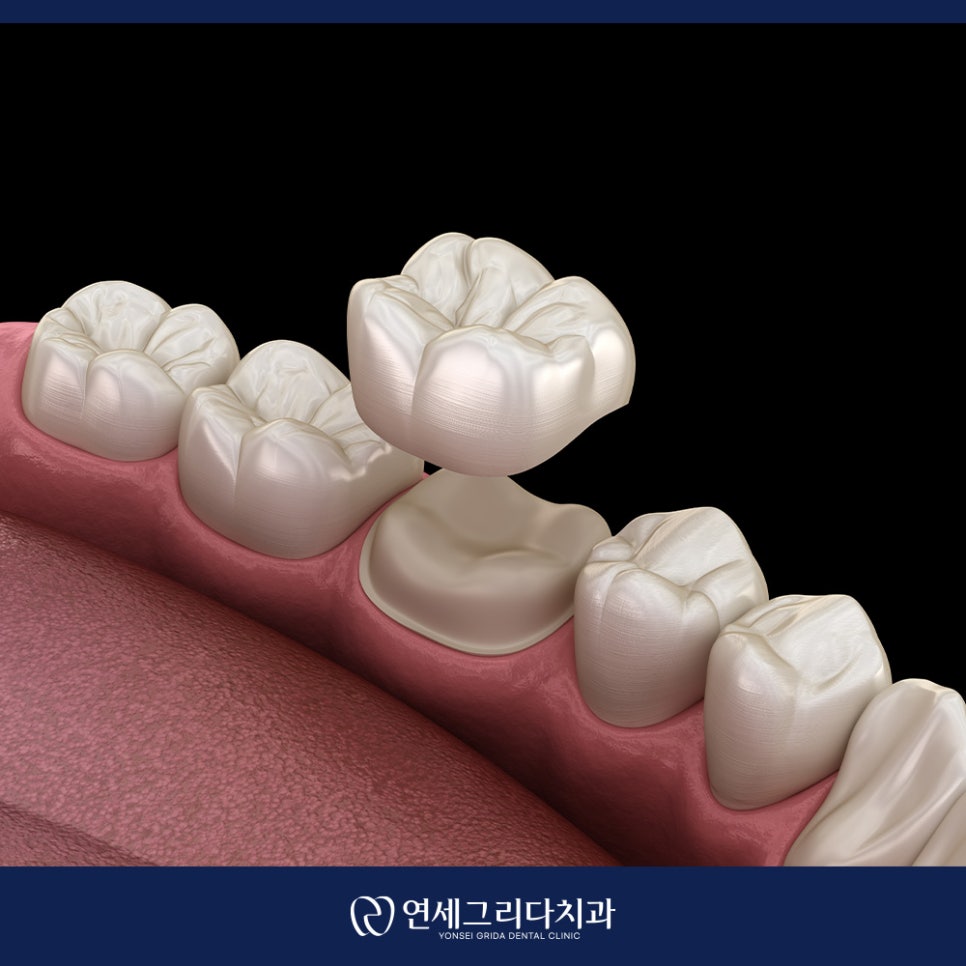
While sensitivity after a crown can
sometimes be temporary,
if it continues over time,
it is necessary to check the cause.
In particular, if the sensitivity
does not lessen or discomfort is
also felt when chewing,
it is important to check the
condition of the tooth.
Even if the symptom is small,
if it continues for a long time,
rather than simply brushing it off,
checking the current condition and
considering appropriate measures
can help protect dental health.