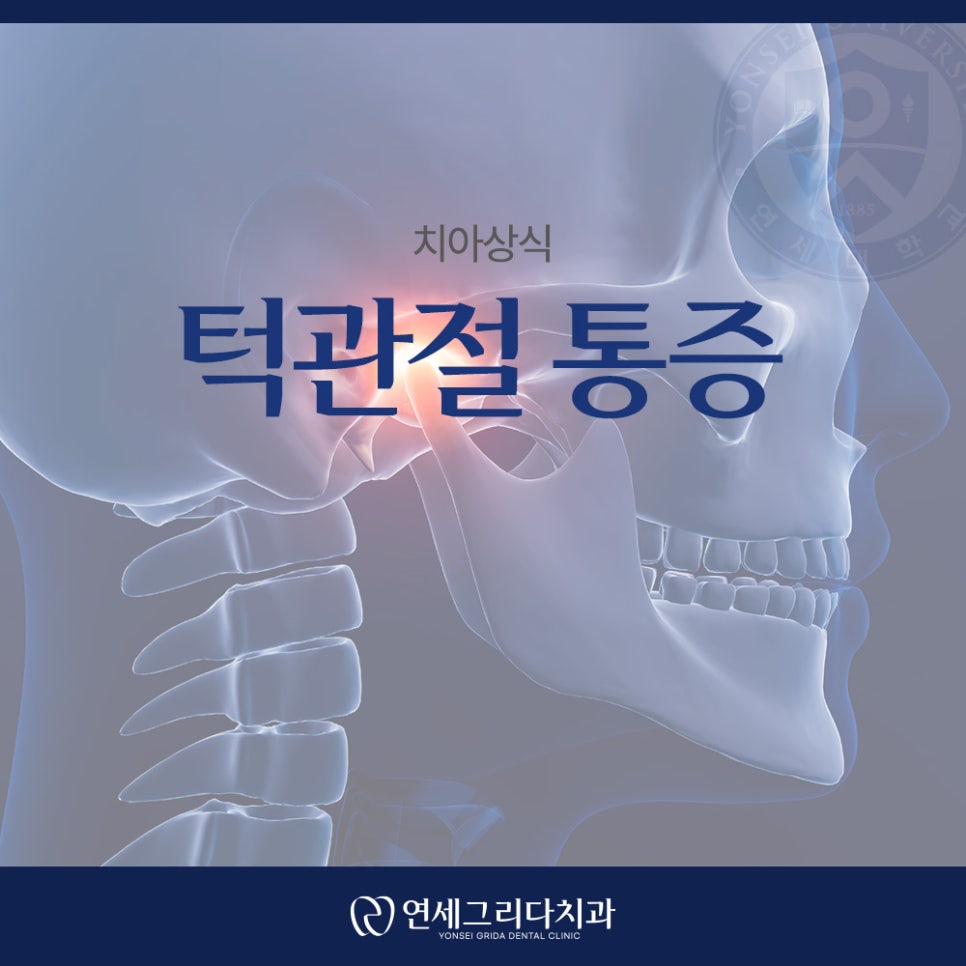
Have you ever felt a sharp pain in your jaw when yawning or taking a big bite of food?
At first, it is easy to brush it off as simple fatigue, but if these symptoms keep happening, it is worth considering the possibility of a problem related to the jaw joint.
The jaw joint is used continuously in everyday movements such as speaking, chewing food, and yawning.
Because it is used so often, it is also easily affected by small habits or muscle tension.
That is why pain may appear when opening the mouth, or the mouth may not open well.
Today, I will explain in an easy-to-understand way why the jaw hurts when opening the mouth and the main causes of jaw joint pain.
Structure and Role of the Jaw Joint
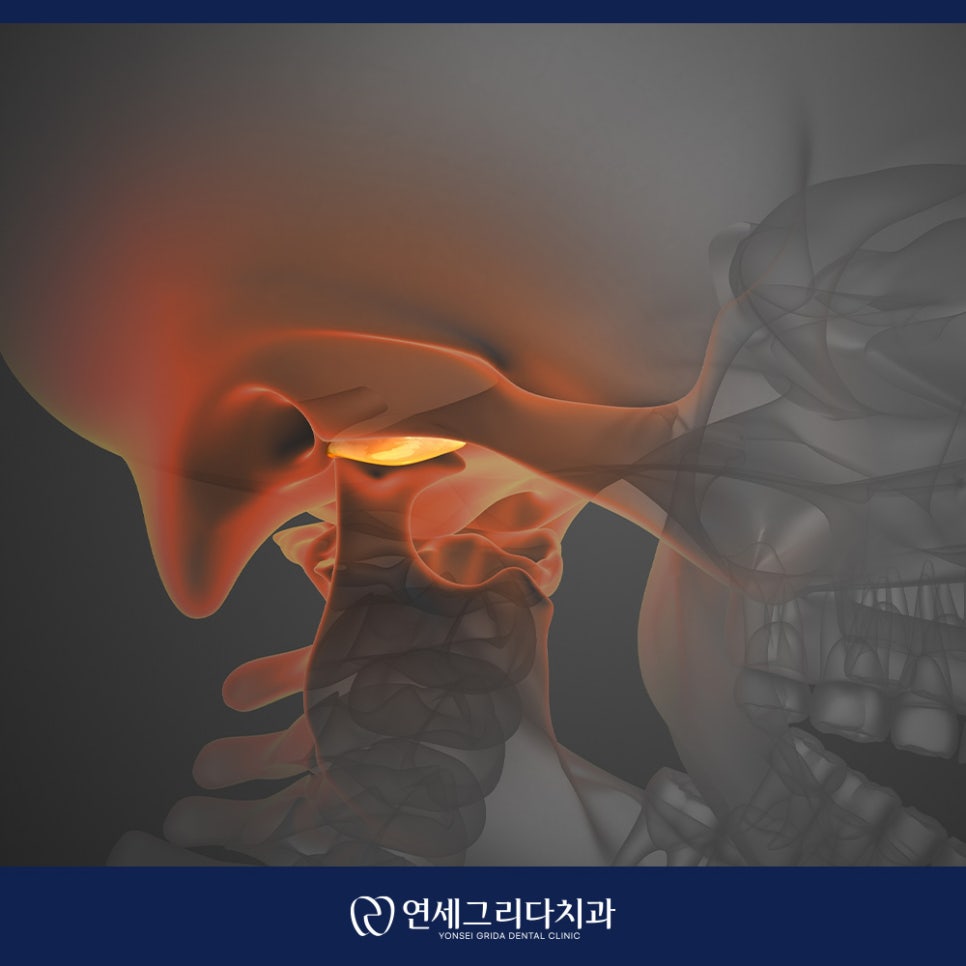
The jaw joint is located just in front of the ear and is the structure that connects the lower jaw and the skull.
Unlike other joints, the left and right sides move at the same time and are responsible for various actions such as chewing, speaking, and yawning.
It is used so much that it moves thousands of times a day, and because of that, it has the characteristic of being easily affected even by small amounts of strain.
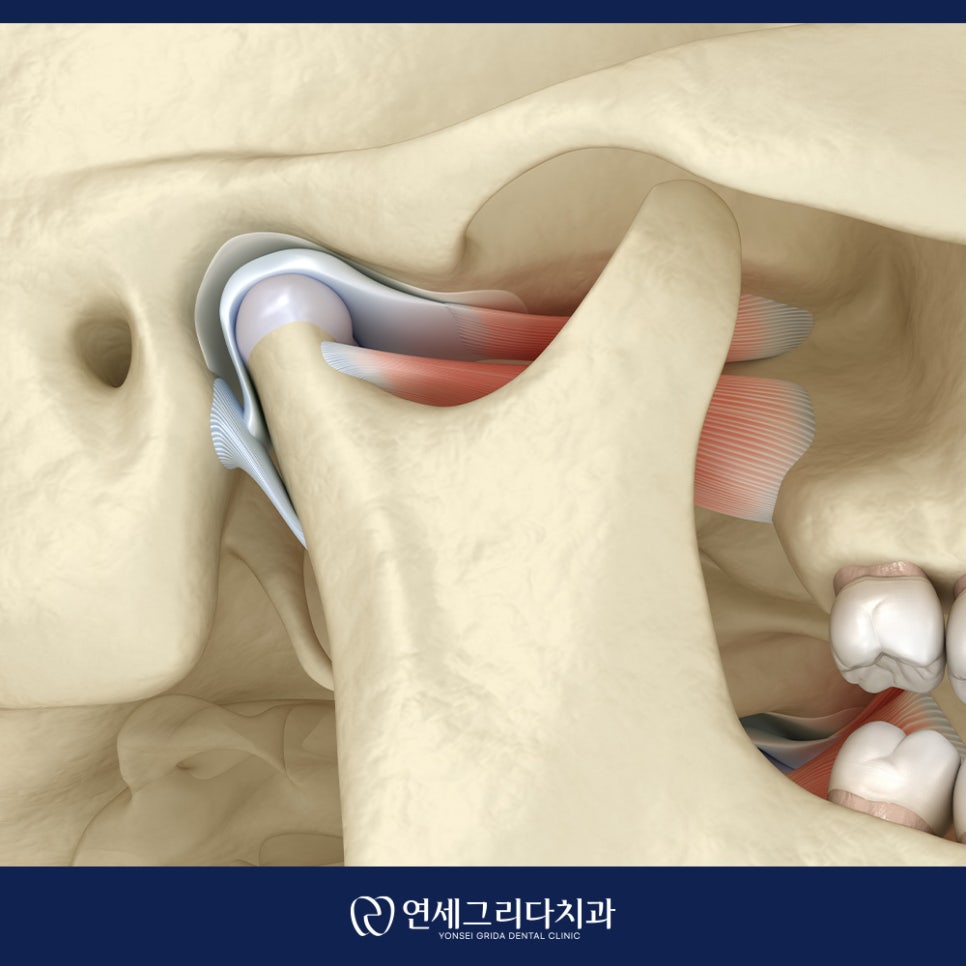
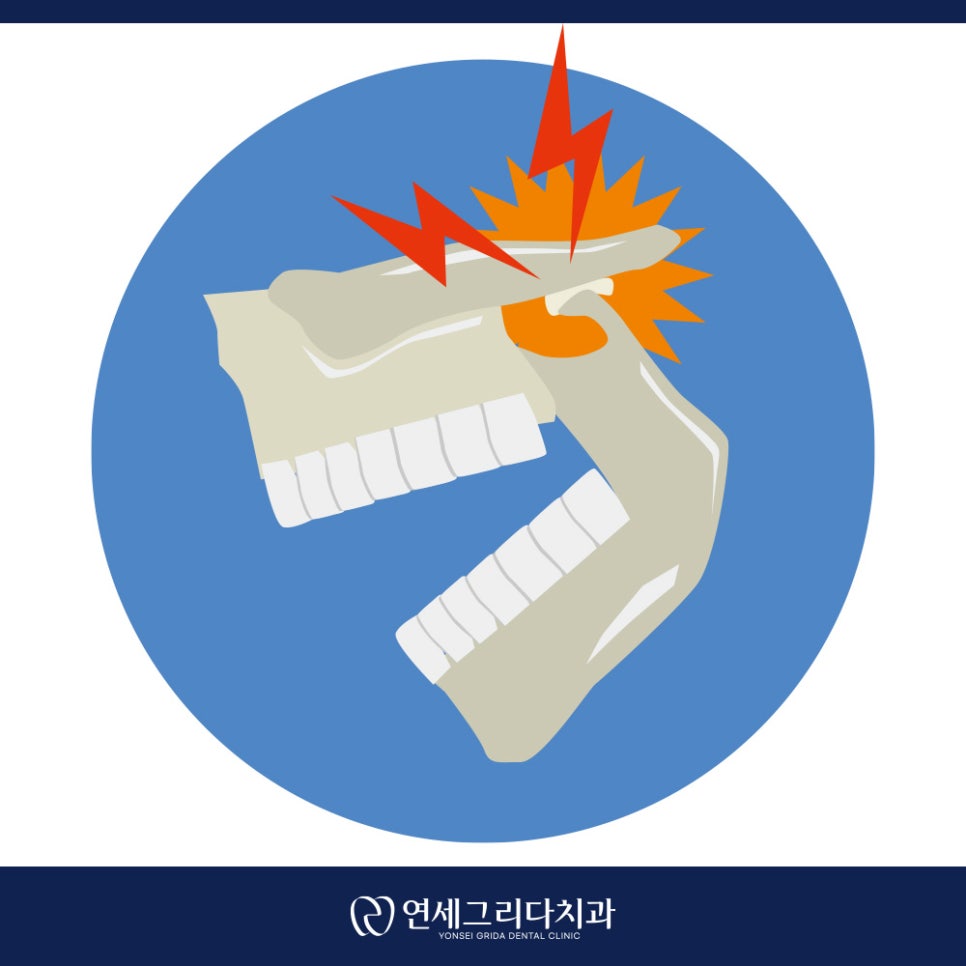
Inside the jaw joint, there is a disc that helps the bones move smoothly.
This disc acts as a cushion for the joint and helps reduce friction when the jaw opens and closes.
In a normal state, the disc moves naturally in step with the joint’s motion, but if its position changes or movement becomes less smooth, pain or sounds may occur.
Pain Caused by Muscle Tension
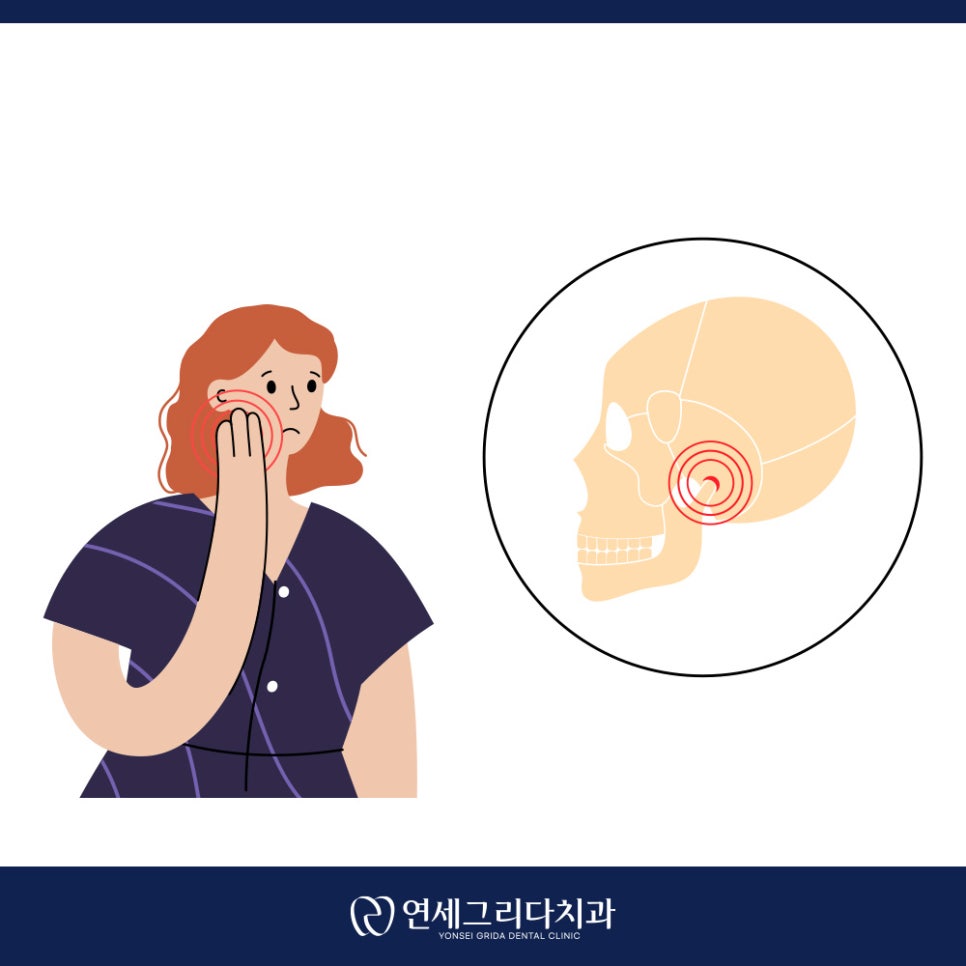
One of the most common causes of pain when opening the mouth is tension in the muscles around the jaw.
When stressed, some people clench their teeth or grind them.
When these habits are repeated, the muscles around the jaw remain under constant tension.
When the muscles are tense, the jaw may not move naturally when opening, and pain can occur.
In particular, if your jaw feels stiff when you wake up in the morning or your mouth opens less than usual, it may be worth considering a problem related to muscle tension.
Changes in the Position of the Jaw Joint Disc
As mentioned above, there is a disc inside the jaw joint that helps with movement.
If this disc moves out of its normal position, discomfort may appear when opening the mouth.
A typical symptom is a sound coming from the jaw, such as a clicking sound when opening the mouth, or the feeling that the movement is not smooth.
At first, there are many cases where only the sound is noticed, but over time pain or difficulty opening the mouth may also appear.
In some cases, the mouth may not open beyond a certain range, or the jaw may move unevenly to one side when opening.
These changes may be a sign that movement within the jaw joint’s internal structures is not smooth.
How Daily Habits Affect the Jaw Joint
Jaw joint pain is also closely related to everyday habits.
For example, if you have a habit of chewing only on one side, or if you repeatedly rest your chin on your hand, force may continue to be placed on one side of the jaw joint.
Also, regularly eating hard or chewy foods can place a burden on the jaw.
Foods that require a lot of chewing, such as dried squid, are a typical example.
If the jaw is already tired, these foods can make the pain worse.
And because the neck and jaw muscles are connected, changes in posture can often lead to discomfort as well.
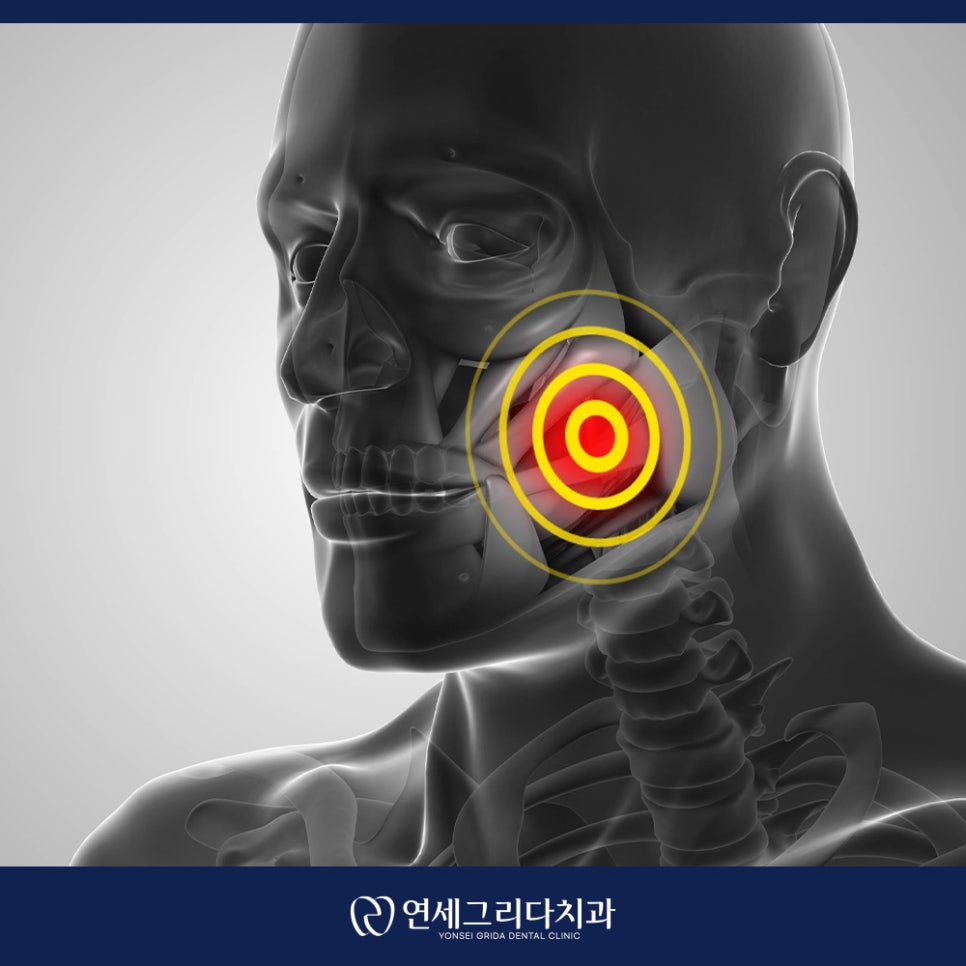
Symptoms of jaw pain when opening the mouth often appear as strain builds up in the jaw joint and surrounding muscles.
Muscle tension, changes in the position of the disc inside the joint, and daily habits can work together to cause pain or limit mouth opening.
If these symptoms appear, reducing habits that overuse the jaw and reviewing your daily routine may be helpful.
Because the jaw joint is used every day, if even a small discomfort keeps happening repeatedly, it is important to understand it as a signal from the body and pay attention to it.
�