
Even though you thought you brushed thoroughly,
you may have experienced swollen gums or bleeding
at least once.
If food often gets stuck between your teeth or
bad breath starts to worry you,
brushing alone may not be enough.
At times like this, many people think of
interdental brushes,
but when it comes time to use one,
you may still wonder,
“Is this the right way to do it?”
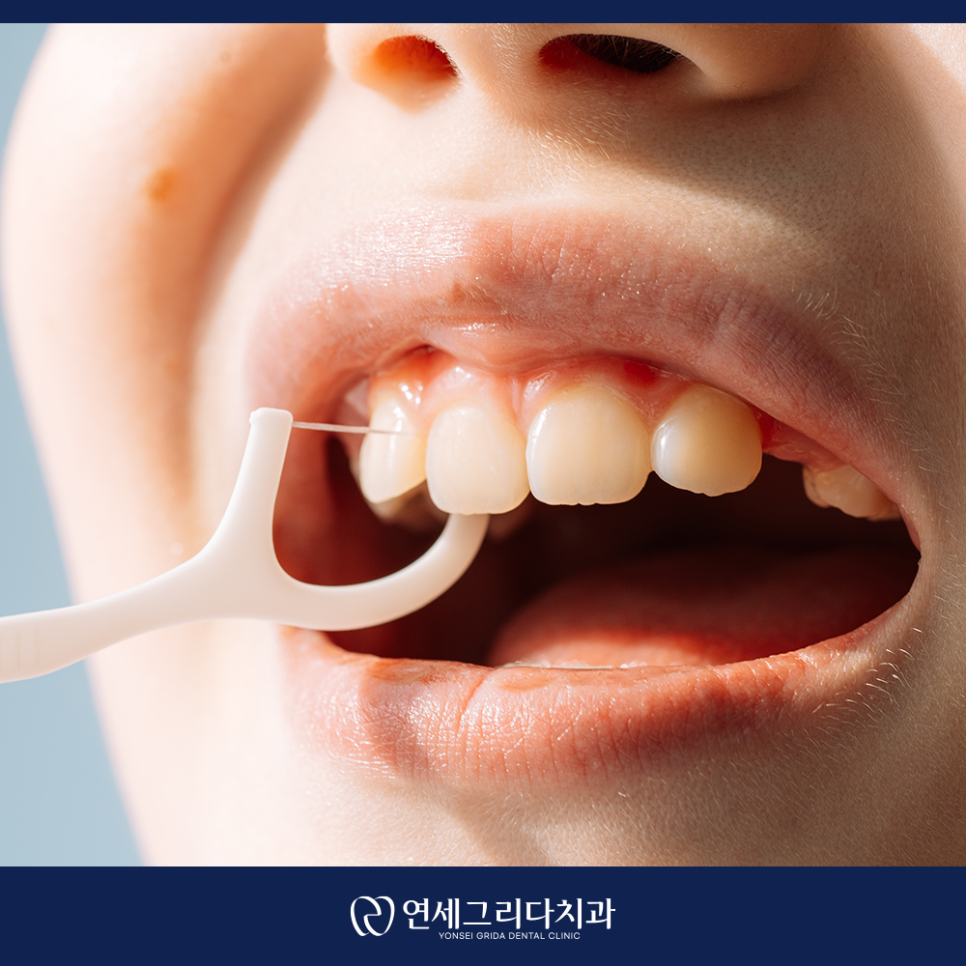
Why is interdental care needed separately
Toothbrushes are effective for cleaning the outer surfaces
of the teeth and the chewing surfaces,
but it is difficult for them to fully reach
the narrow spaces between teeth.
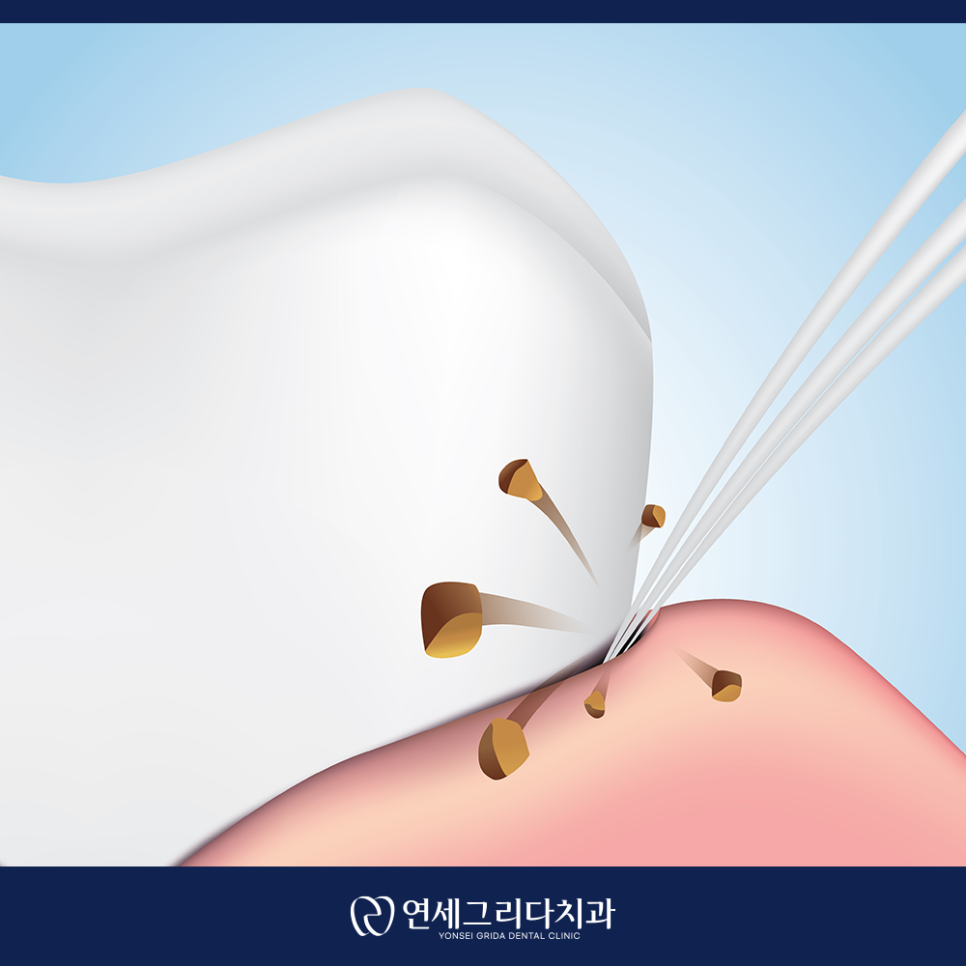
Because these spaces are structured in a way that makes it
easy for food and bacteria to remain,
over time they may lead to gum inflammation
or cavities.
That is why it is important to use auxiliary tools
such as interdental brushes together,
but what matters here is not simply
using them, but learning the correct
way to use an interdental brush.
Interdental brushes,
Can you use any size
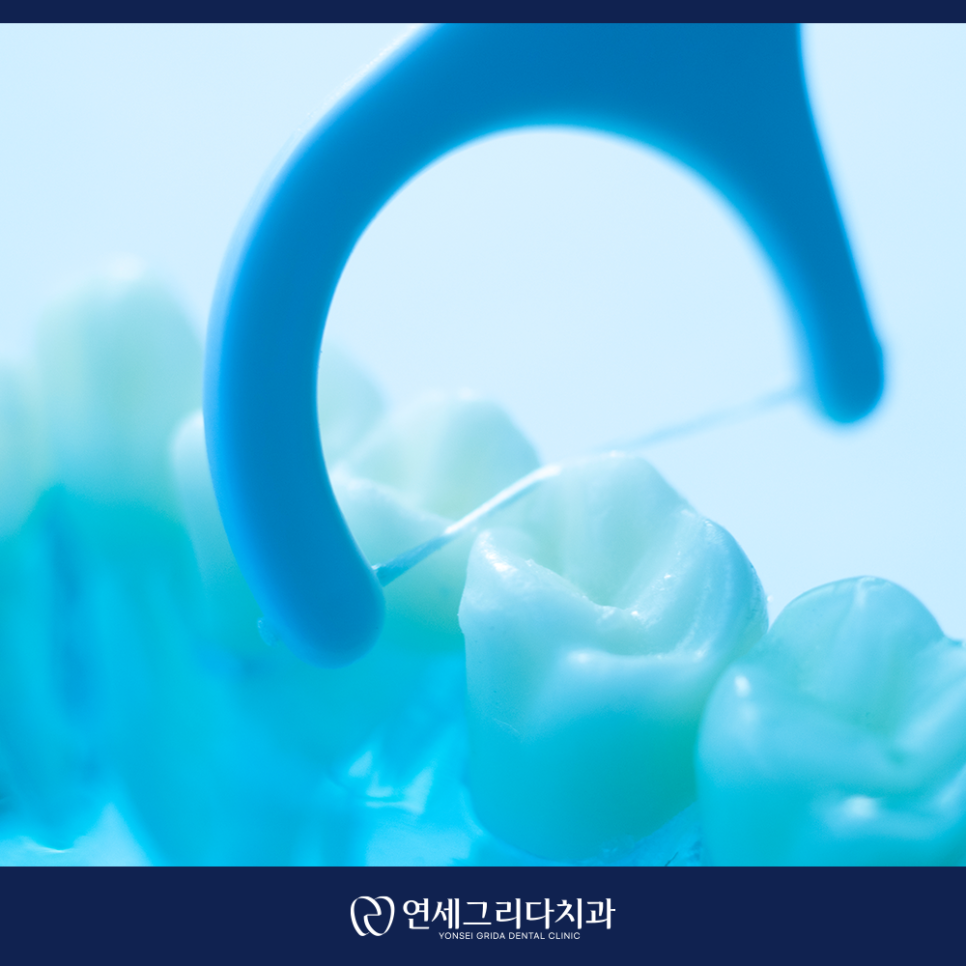
Interdental brushes come in various sizes,
so it is important to choose a product
that fits the spacing between your teeth.
If it is too thin, the cleaning effect may be reduced,
and if it is too thick, it may irritate the gums.
When using one for the first time, it is better to start
with a relatively thin size,
and adjust within a range that goes in
without strain.
If it feels like you have to force it in
between your teeth,
it is necessary to reconsider the size.
Correct direction and frequency of use
One of the most important parts of
how to use an interdental brush is the direction.
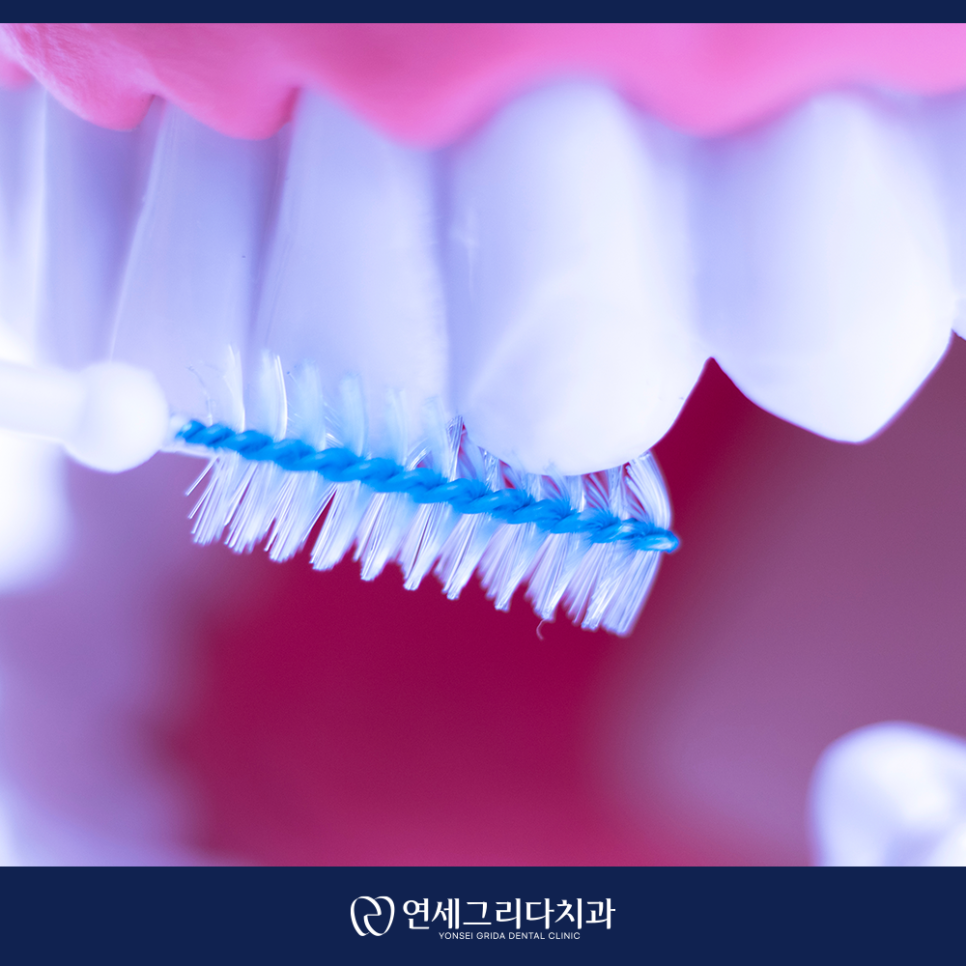
When inserting it between teeth, rather than pushing it in
vertically toward the gums,
it is better to insert it naturally sideways
following the alignment of the teeth.
And instead of inserting it once and taking it out,
it should be moved gently back and forth about 2 to 3 times
to help remove debris.
At this time, rather than scrubbing with force,
it helps to use it with a light moving motion
to reduce the burden on the gums.
"Is it okay to keep using it if it bleeds?"
This is one of the questions we often hear in the clinic.
When using an interdental brush for the first time,
bleeding may occur, and this may mean that
the gums already have inflammation.
In such cases, rather than stopping use completely,
maintaining the correct way to use the interdental brush
while reducing irritation may be helpful.
However, if the bleeding continues to worsen or
is accompanied by pain, it is necessary to
check the condition.
Using an interdental brush once a day,
usually after brushing in the evening,
is recommended.
This is because it helps remove the food particles and plaque
that have built up during the day.
After use, it is also important to rinse it thoroughly
under running water and let it dry,
so it can be managed hygienically.
It may feel troublesome at first,
but once interdental care becomes a habit,
many people notice a difference
in their gum condition or bad breath.
The feeling of not being refreshed even after brushing
may lessen,
and you may also notice that your gums
are less swollen.
As these small changes accumulate,
they begin to affect long-term oral health.
An interdental brush is not simply an auxiliary tool,
but something meaningful when it becomes
part of your everyday care routine.
If discomfort keeps recurring during use,
or if it is difficult to determine which product is right,
it may also help to check your oral condition.
At the dental clinic, we look at these matters together
and provide care methods tailored to each individual.