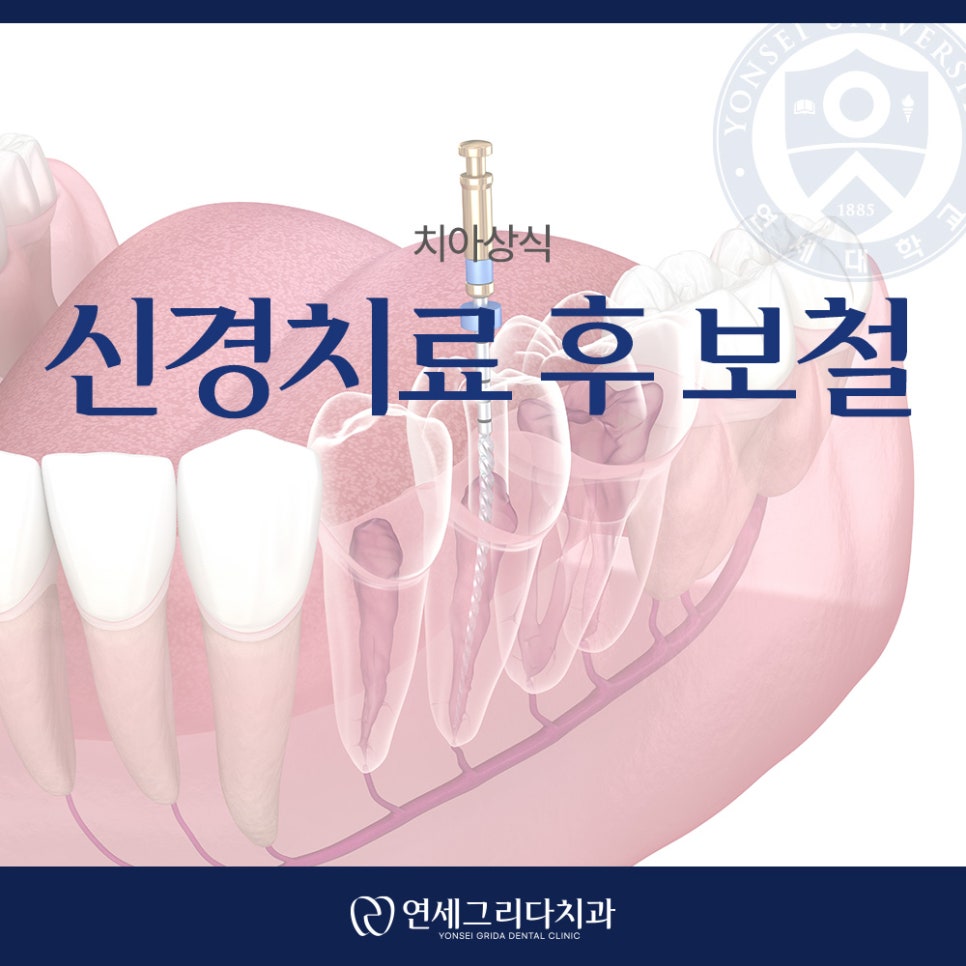
After root canal therapy,
a lot of people think
that treatment is completely finished
because the pain decreases.
If there is no major inconvenience
in daily life,
it is also common to delay
the next step.
However, during this period,
the longer the tooth is used
without restorative treatment,
the more quickly it can weaken
than expected.
Even if there does not seem to be
a big change on the surface,
the internal structure has already
become different from before,
so care that continues all the way
to the final step is important.
Today, let’s look at the problems
that can occur if restorative treatment
after root canal therapy
is not carried out.
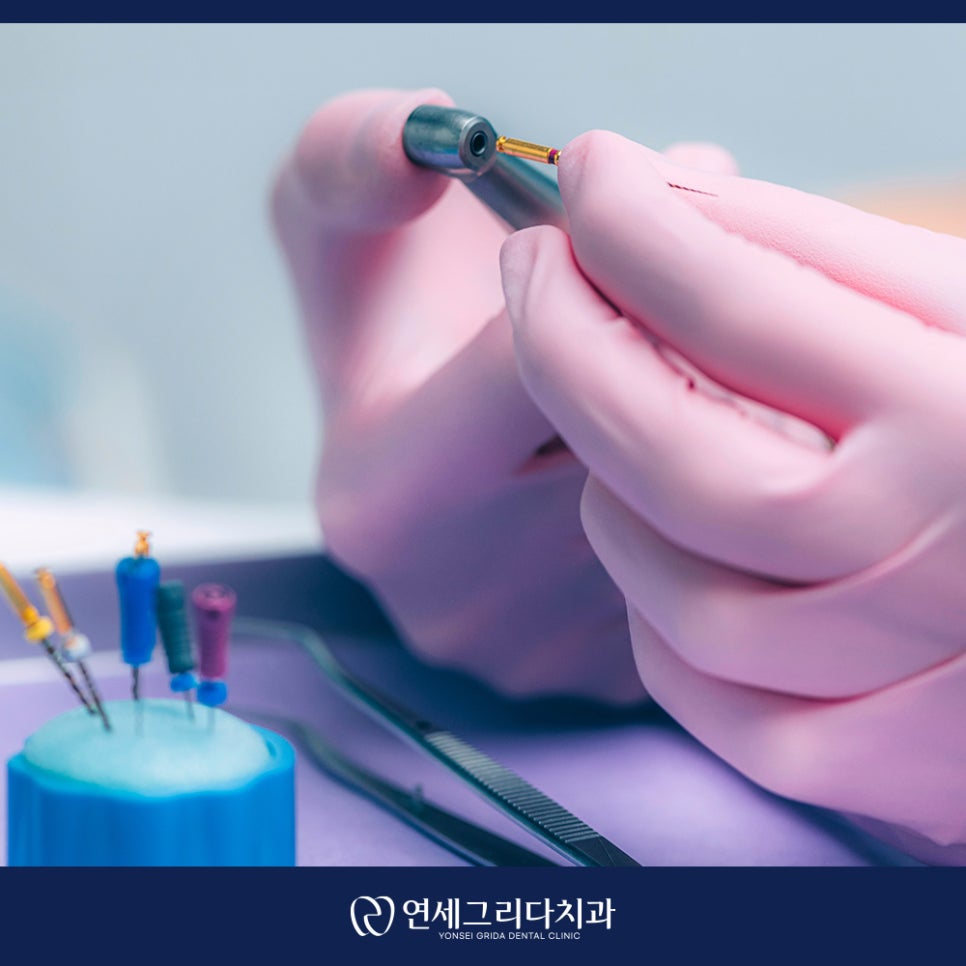
The tooth becomes structurally weaker after root canal therapy
Root canal therapy is a process
that removes inflamed tissue and nerves
inside the tooth to reduce pain
and preserve the tooth.
However, during this process,
the tissue that supplied moisture
to the inside is also removed,
so the tooth becomes drier than before
and loses elasticity.
Although it may look fine on the outside,
it becomes a condition in which
fine cracks can form more easily
during repeated chewing.
These cracks may gradually expand
over time, so proper protection
is needed.
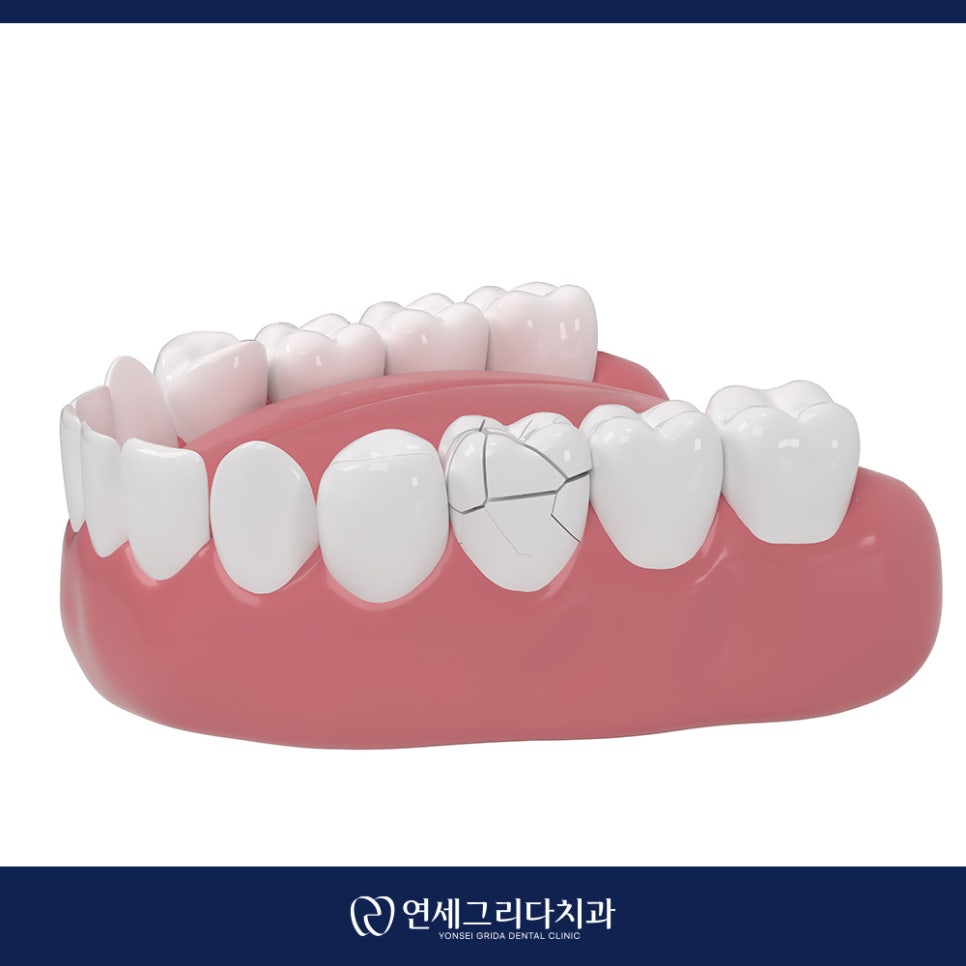
Possibility of tooth fracture
If you continue chewing food
without restorative treatment
after root canal therapy,
the tooth will receive the force
transmitted during chewing directly.
The burden is especially greater
in areas that play a major role in chewing,
such as molars.
In the beginning, there are often
almost no noticeable symptoms,
so many people continue using the tooth as is,
but at some point, this can lead to
a situation where part of the tooth breaks
while chewing hard food.
In such cases, the scope of preservation
may change, so early protection
is important.
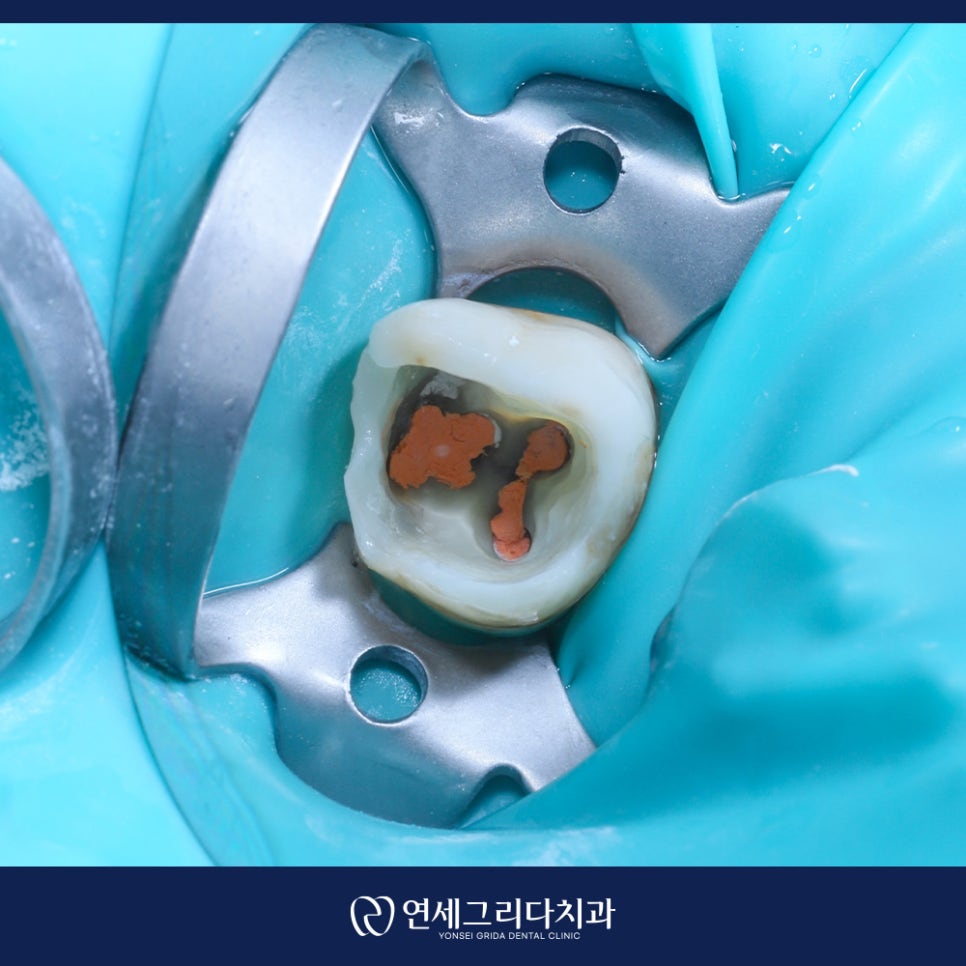
Possibility of bacterial reinfection
A tooth that has completed root canal therapy
is maintained with its internal space
filled with a restorative material.
However, if restorative treatment is delayed,
there is a possibility that tiny gaps
will form over time.
If oral bacteria enter the inside again
through these gaps,
inflammation may occur again
in the root area that had already been treated.
This can lead to additional treatment,
so caution is needed.
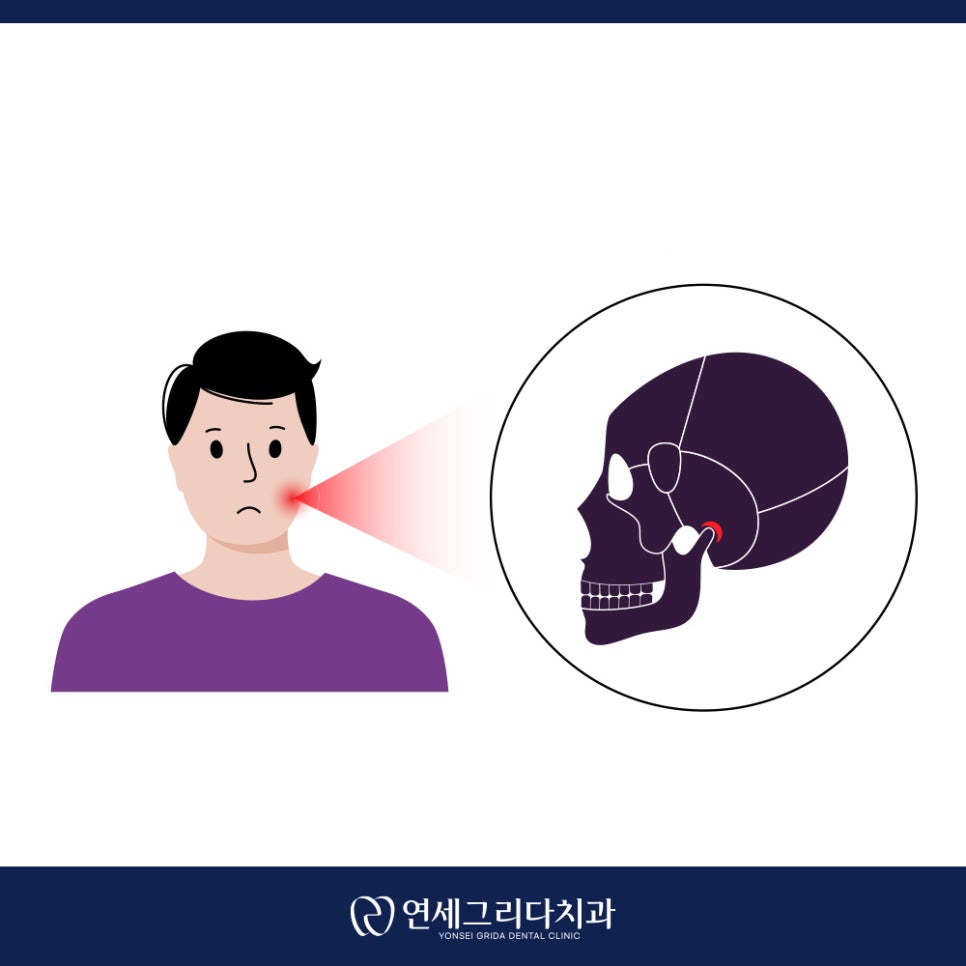
Changes in bite balance can also affect surrounding teeth
If restorative treatment is delayed,
the tooth’s shape makes it difficult
to maintain a normal structure.
As a result, the biting force may become
concentrated on a specific area,
or the opposite side teeth may be used more,
which can happen.
If these changes continue,
it may lead to additional discomfort,
such as faster wear of nearby teeth
or strain on the temporomandibular joint.
At first, it may seem like a problem
with just one tooth,
but over time it can affect
the overall oral environment.
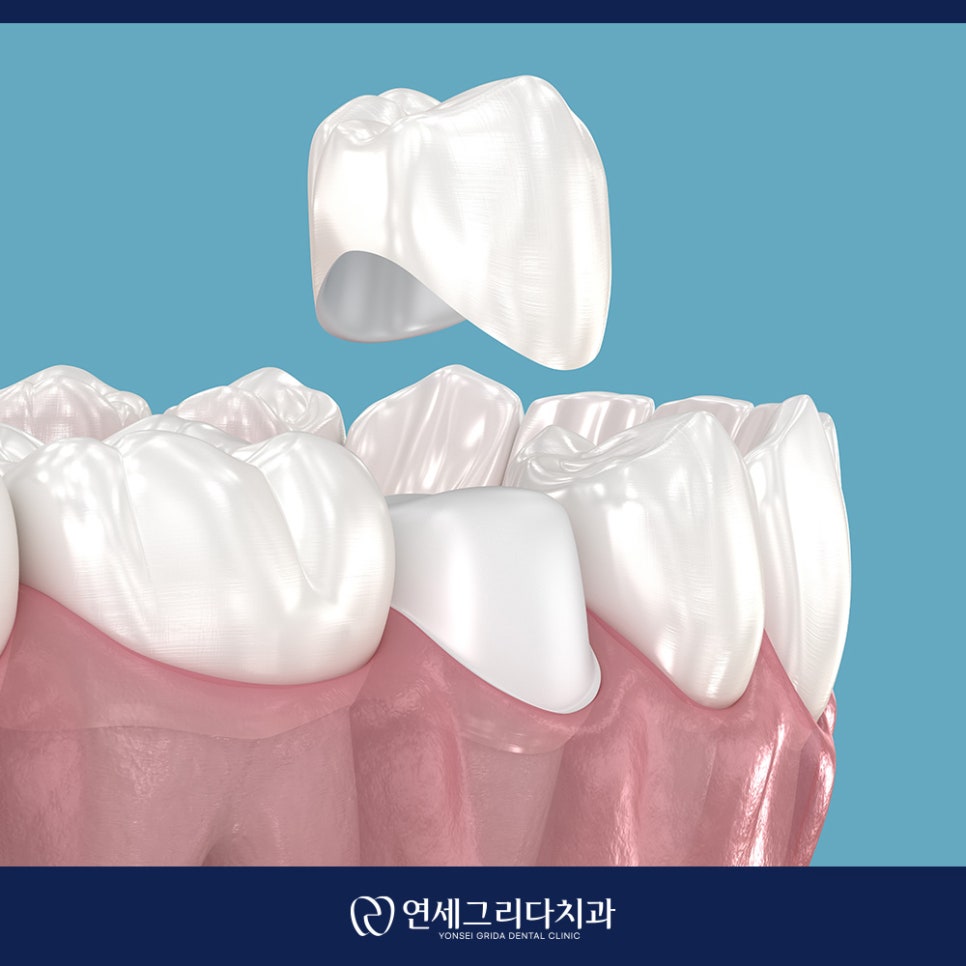
Preservation potential can change if the timing is missed
Restorative treatment after root canal therapy
is not simply a process of restoring shape;
it is an important step in protecting
a weakened tooth.
If this timing is not properly observed,
cracks may progress,
or the internal structure may weaken,
which can change the scope of preservation.
In some cases, a situation that initially
required only a relatively simple protective process
can, over time, lead to a broader treatment process,
so it is important not to miss the proper timing.
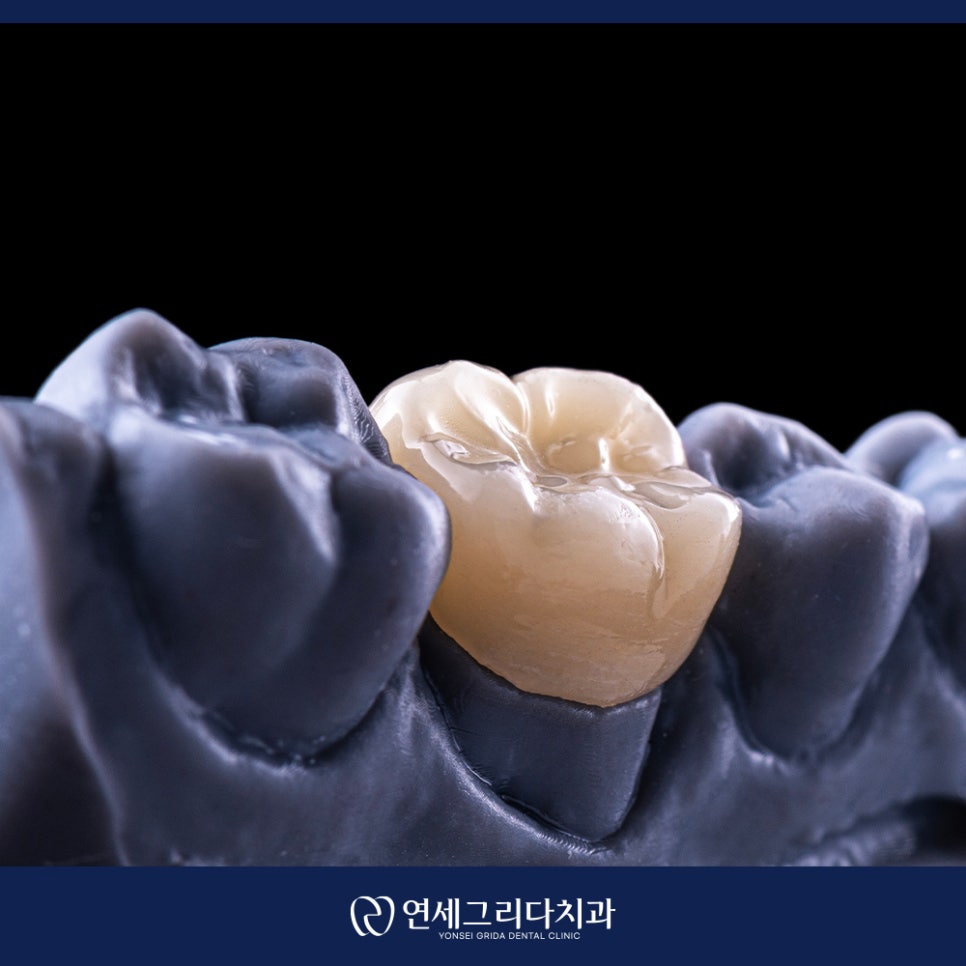
Root canal therapy is an important process
for preserving the tooth,
but by itself, it does not mean
that treatment is completely finished.
The restorative treatment that follows
is a process for protecting the weakened tooth
and maintaining function stably.
If restorative treatment after root canal therapy
is delayed, various problems such as
tooth fracture, recurrence of inflammation,
and changes in bite can follow.
Even if there is no visible discomfort,
changes can still progress inside,
so completing the final treatment
at the proper time helps preserve
natural teeth for a longer period.