Crown replacement timing,
If you notice these symptoms, it may be a sign to replace it
After dental treatment is completed,
many people think that a fitted crown
can be used for a long time
once it has been placed.
But as time passes, if discomfort develops or
the feeling of food getting stuck keeps recurring,
you may start wondering,
"Is it still usable,
or does it need to be replaced?"
Even if it looks fine on the outside, the management approach
can change depending on the condition inside,
so it is helpful to know the criteria
you can check for yourself.
Why it needs to be checked
even if it looks fine on the outside
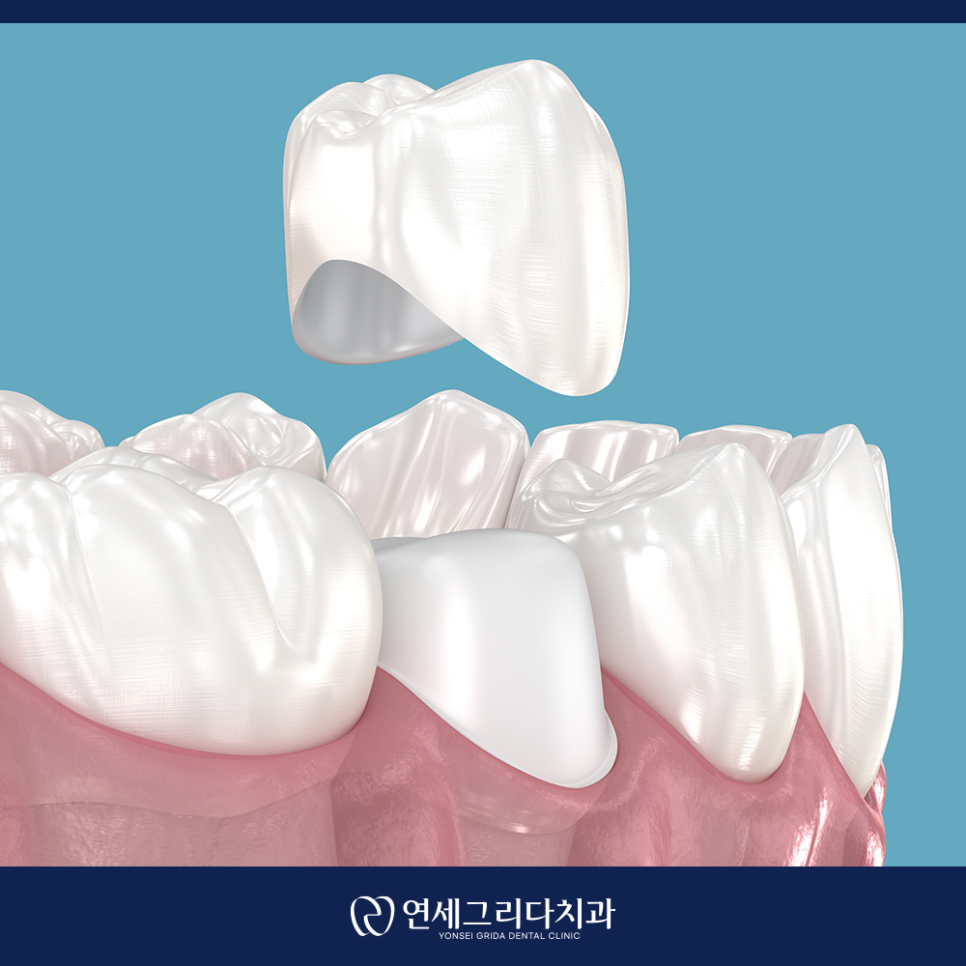
A crown protects a damaged tooth,
but the border area between the tooth and the restoration
can gradually change
over time.
As the gum condition changes
or the bond weakens,
gaps can form,
and food may repeatedly
get caught in them.
In this way, even when there appears to be no problem,
cavities can sometimes progress inside,
which is why regular checkups are important.
If quite some time has passed since treatment,
even simple discomfort should not be brushed off lightly;
it is better to check the current condition.
In this flow, the standard that naturally comes into consideration
is crown replacement timing.
When food gets stuck often
or you notice an odor
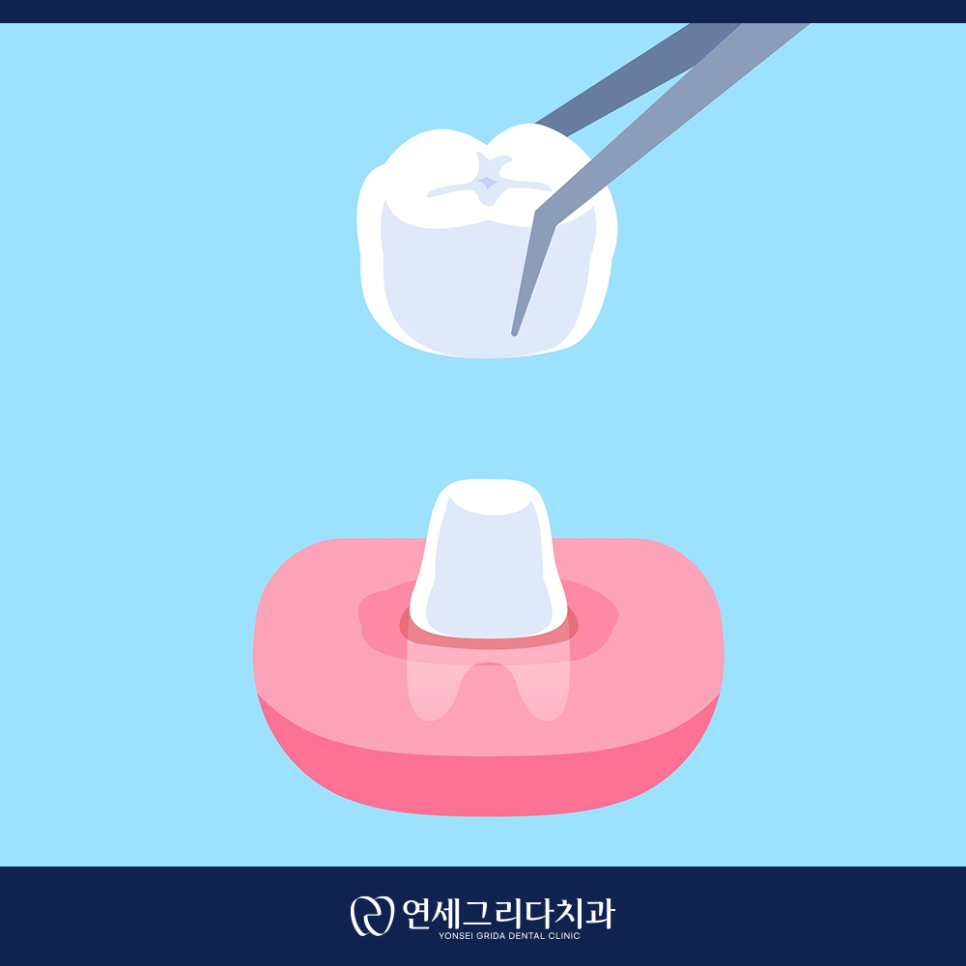
If food repeatedly feels like it is getting stuck around the crown,
you can consider the possibility that the fit
between the tooth and the restoration has changed.
At first, it may just feel mildly uncomfortable,
but over time it can lead to gum irritation
or inflammation.
Also, if you continue to notice an odor
from a specific area even after brushing,
there may be ongoing internal changes.
In such cases, it is helpful to get an examination
to check for problems that are not visible on the outside.
These changes can also be signals that help when judging
crown replacement timing.
If you feel pain or looseness when chewing
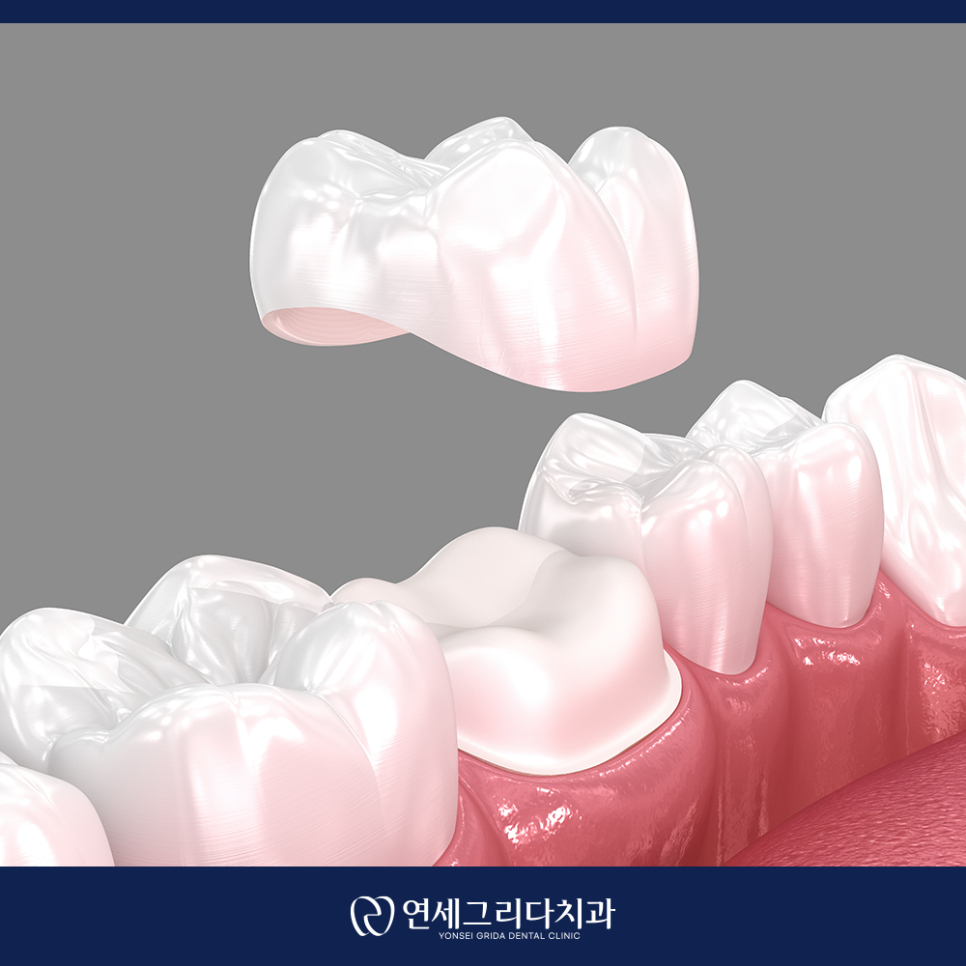
If you feel discomfort or pressure
only in a certain direction when chewing food,
you need to check whether it is simply a gum problem
or a change in the fit of the restoration.
In some cases, changes in the condition of the tooth inside
may be the cause.
In the clinic, we also hear this question often.
"It looks fine on the outside,
but if it feels uncomfortable,
do I definitely have to do it again?"
At such times, rather than deciding immediately
whether replacement is necessary,
a process of judgment is needed that considers
the current condition of the tooth and gums,
the timing of the previous treatment,
and lifestyle habits together.
Depending on the pattern of discomfort, observation
may be possible in some cases,
and early response may be helpful
in others.
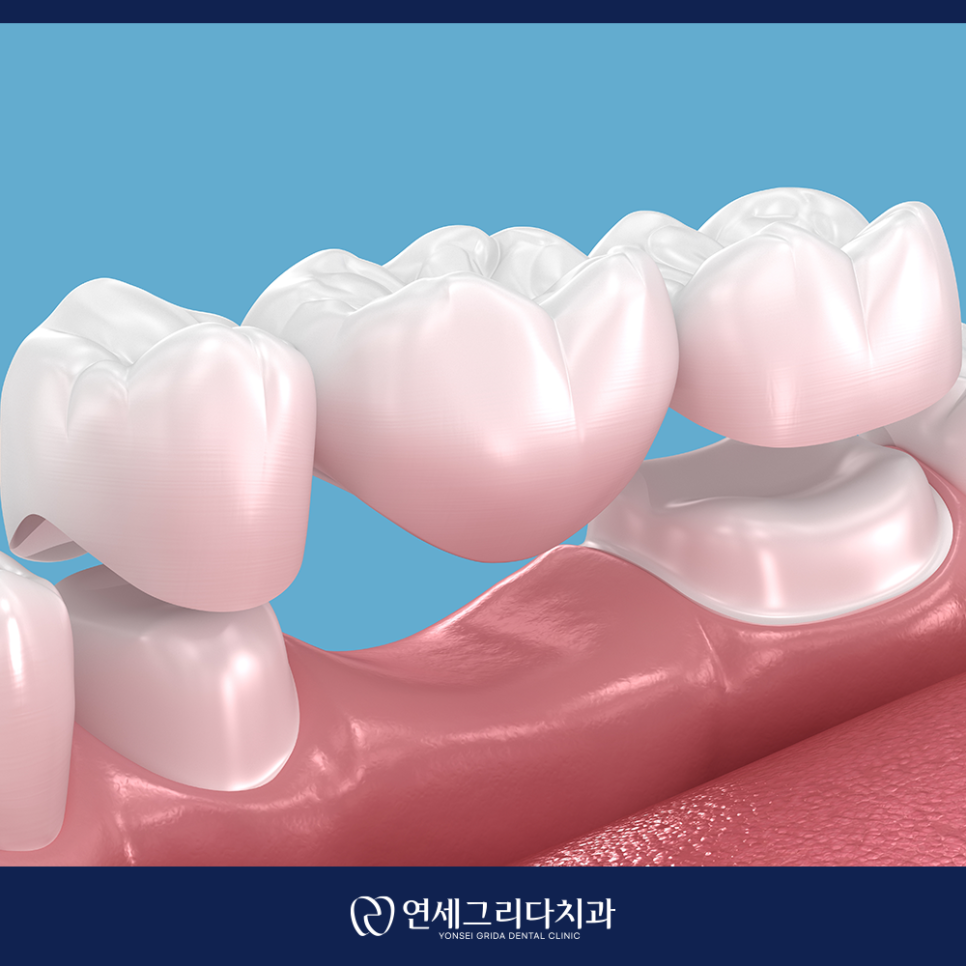
If a long time has passed,
an examination can help
Even if a crown has had no major problems
while being used, the bonding condition or
the surrounding gum environment can change
over a long period of time.
If it was treated a long time ago,
there is also a possibility that some areas
do not match the current oral condition.
Rather than deciding immediately whether replacement is needed,
we explain the necessary management direction
while checking both the current state of the restoration
and the changes in the tissues around the tooth.
Through this process, determining the right
crown replacement timing for each individual can become easier.