
Have you ever experienced a single missing tooth
making it difficult to eat, and causing your speech
pronunciation to feel awkward?
This is often more than just a problem with chewing function
and can affect everyday life as a whole.
In particular, the fact that it can also affect
surrounding teeth over time
leads many people to keep worrying about it.
One of the treatments considered in this situation
is an implant.
However, deciding without properly understanding
when it is needed and how the process works
can feel burdensome.
Many people who visit Yeomchang Station Dental Clinic
also come in with these questions.
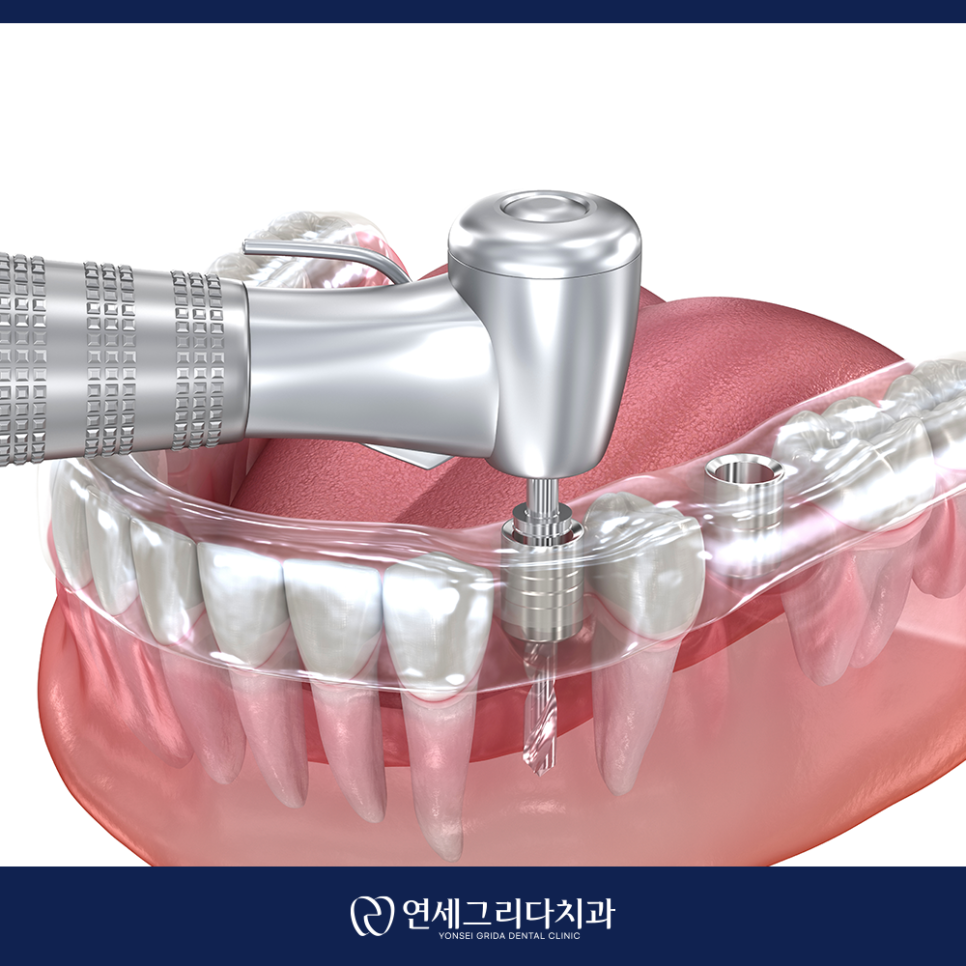
Typical tooth conditions
that require an implant
When a tooth has been completely lost,
or if severe cavities or gum disease have made
it difficult to maintain function any longer,
an implant is considered.
Also, if a tooth is loose
or recurring pain continues,
it may be a situation where preservation is difficult.
If left untreated, the empty space can cause
surrounding teeth to tilt
or the bite to collapse,
which can affect the overall oral environment.
Because such changes can become more complicated
as time goes by,
it is important to accurately understand the current condition.
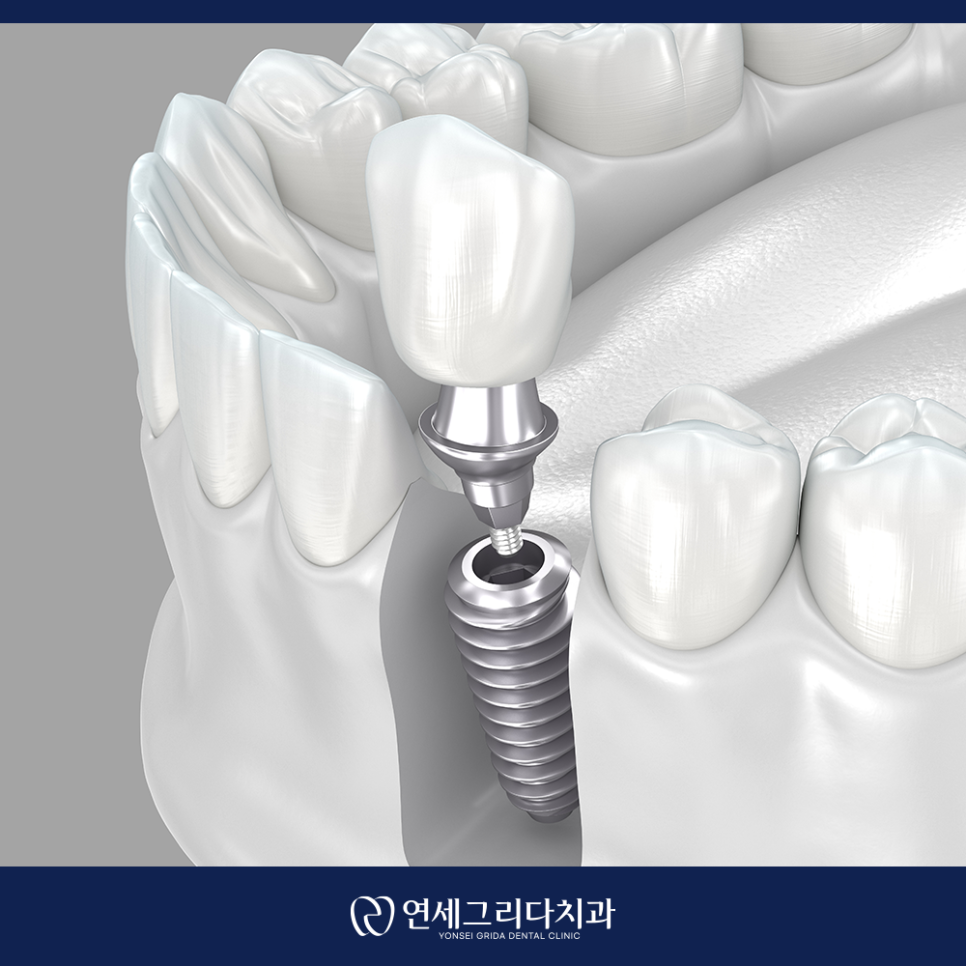
Why a precise diagnosis is important
before implant treatment
Before starting treatment,
it is necessary to look not only at one tooth
but also at the gum condition, the amount and density of bone,
and the overall bite.
In particular, in the field of prosthetic treatment,
creating an overall plan plays an important role.
Rather than simply filling the missing tooth,
the focus is on establishing a treatment plan
that considers overall balance.
With the direction of preserving natural teeth
as much as possible,
and proceeding with appropriate treatment only when needed,
this diagnostic process becomes an important standard.
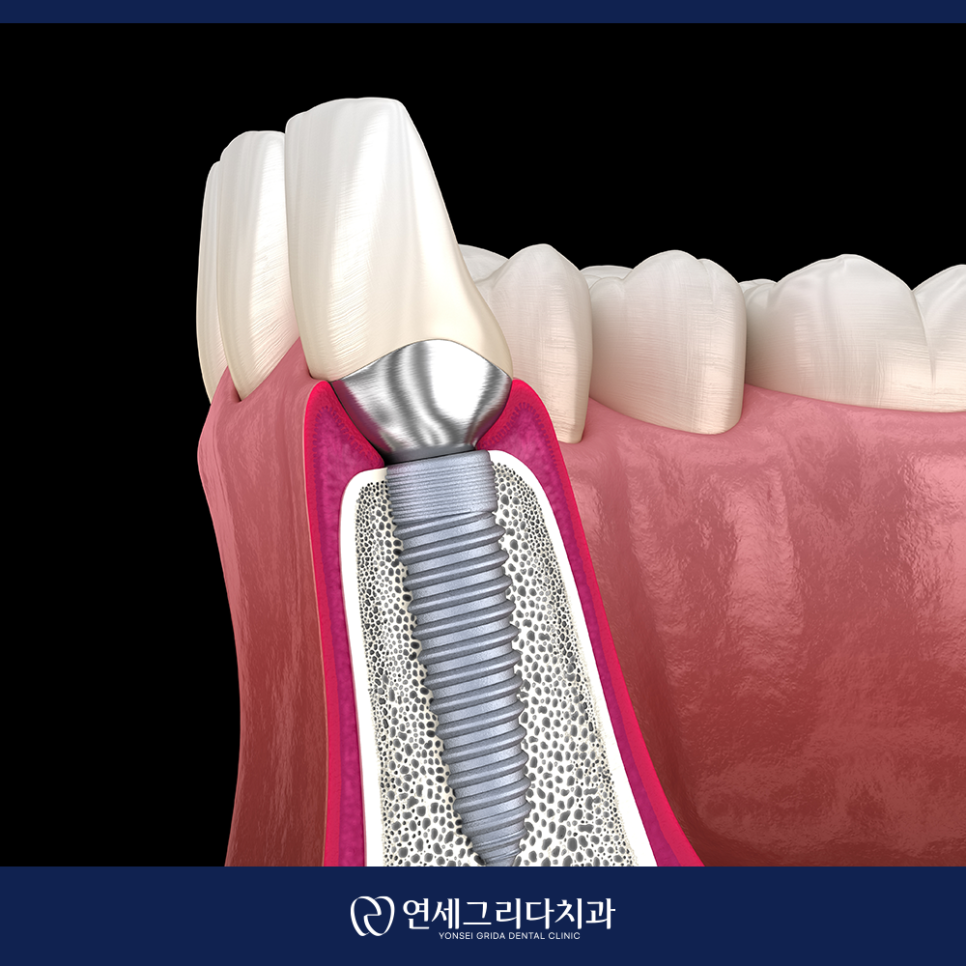
How does the implant process
proceed?
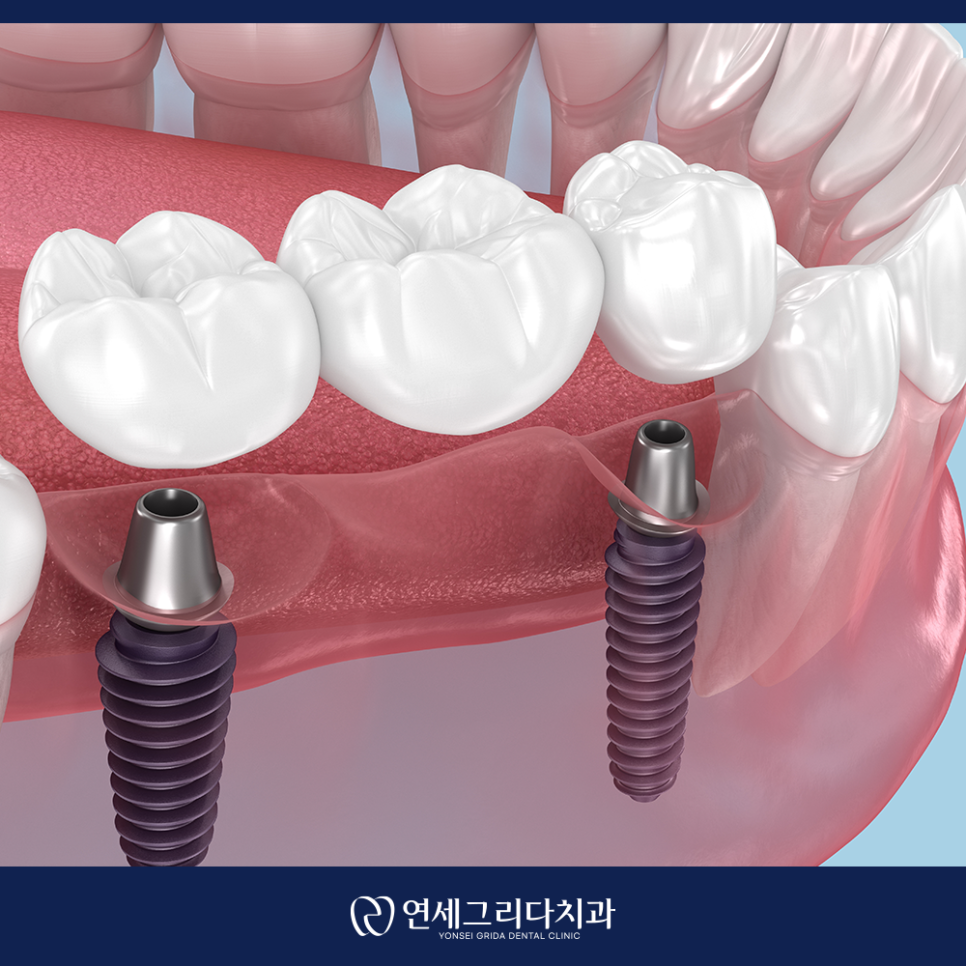
The basic process begins with consultation and diagnosis,
then proceeds with planning the implant position,
placing the artificial root,
and going through a period of stabilization.
After that, a prosthetic is connected
to restore the shape and function
of the actual tooth.
At this stage, using equipment such as an oral scanner
can make more detailed prosthetic fabrication possible,
which can lead to a more natural result.
In addition, during the treatment process,
it is important to check the condition step by step
as treatment progresses.
Yeomchang Station Dental Clinic
provides guidance on a treatment process
suited to the patient's condition
based on this approach.
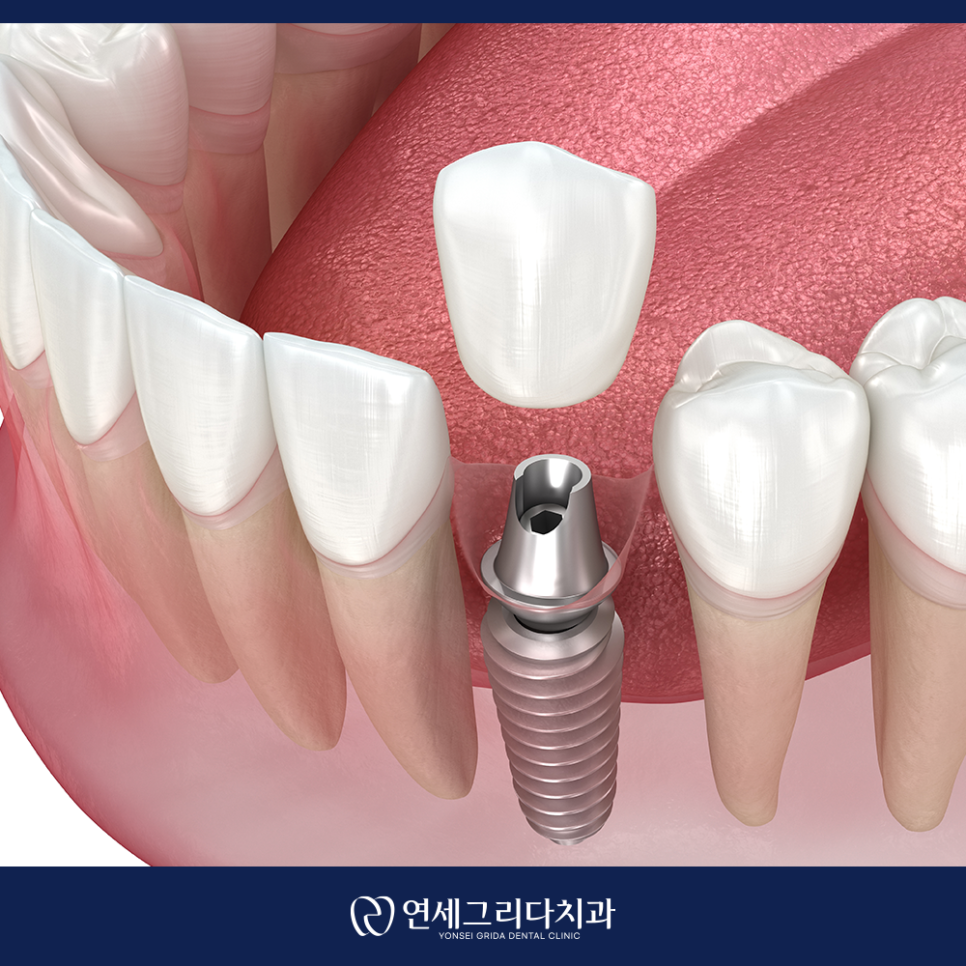
How to maintain implants
for a long time
Even after treatment is complete,
care does not end.
In fact, ongoing management
has a major impact on long-term maintenance.
Proper tooth brushing and flossing are basic,
and regular checkups are necessary
to monitor the condition.
In particular, it is important to keep up with hygiene care
to prevent inflammation around the gums.
Adjusting eating habits to avoid excessive force
can also help.
Because small habits can add up and affect the outcome,
daily care is important.
Points to consider when choosing a dental clinic
An implant is not simply a treatment
that ends with a single procedure,
but a process that continues through later use and management.
Therefore, it is helpful to look at the medical team's experience
and treatment direction together.
It is also important to check whether they avoid
over-treatment and whether they listen 충분히 to the patient's concerns.
Based on a treatment philosophy centered on restoring function,
the focus is on establishing an overall treatment plan.
This can be seen as an approach
that considers not only filling an empty space,
but also everyday comfort.
Because teeth are difficult to restore once they are damaged,
it is important to understand the current condition accurately
and respond at the proper time.
If you are 고민ing about implants,
it is helpful to find the right direction for yourself
through sufficient consultation and diagnosis.
Consulting with Yeomchang Station Dental Clinic
to check your current condition
can also be one option.