Yeomchang Station Implant,
Treatment for Comfortable Eating and Recovery
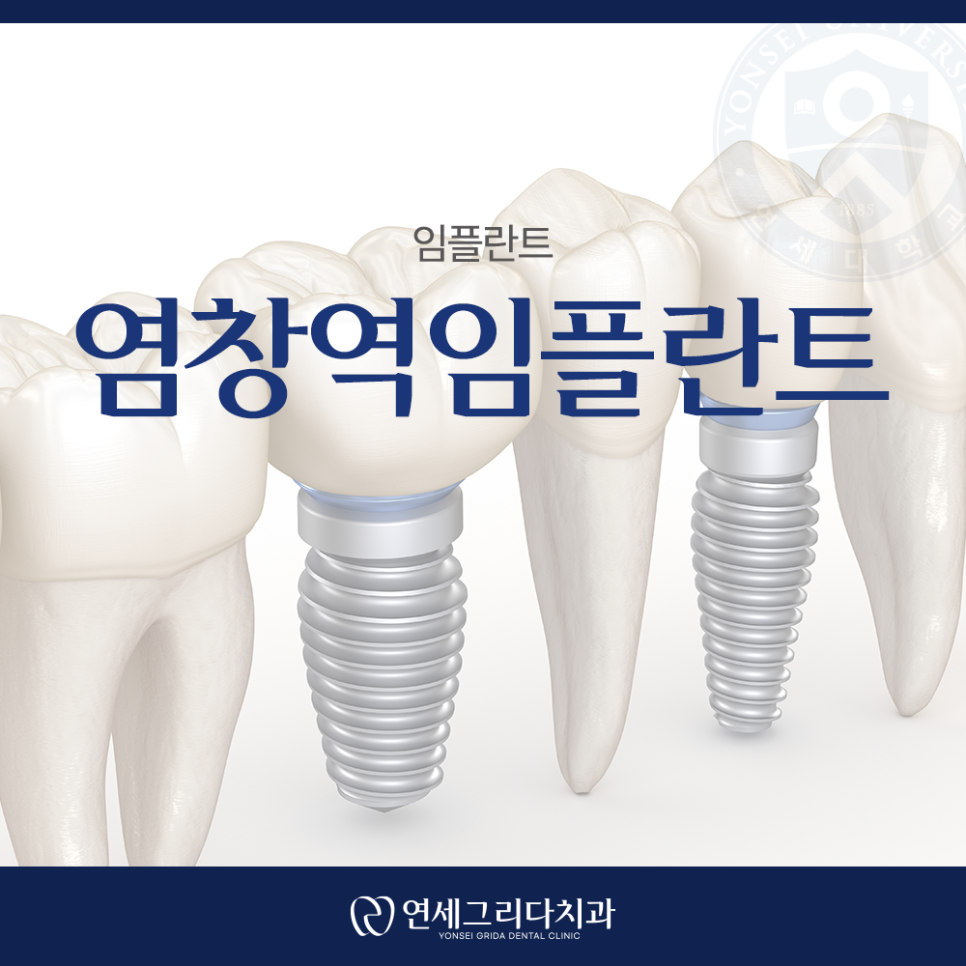
If you have ever experienced chewing only on one side while eating,
or feeling like your pronunciation is somehow awkward,
you may start to think again about the role of your teeth.
At first, it may feel like a simple inconvenience,
but over time it can change eating habits
and affect the use of facial muscles.
These changes appear as small signals in daily life,
which makes them easy to miss.
Yeomchang Station Implant,
What if eating and speaking feel uncomfortable?
Taking a calm look at whether the changes you are noticing now
are a condition that needs treatment
can be helpful.
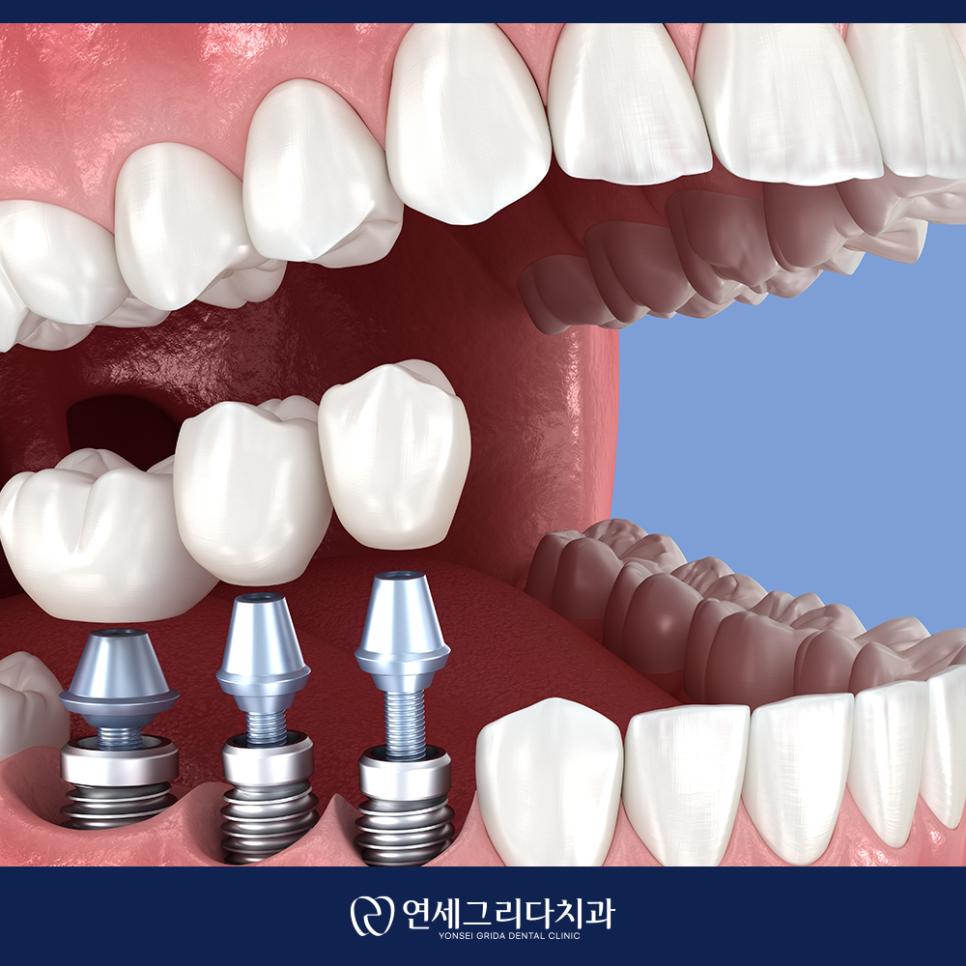
Yeomchang Station Implant,
When is it needed?
If a missing tooth is left untreated for a long time,
it can affect not only chewing function
but also the alignment of the surrounding teeth.
When a gap is created,
adjacent teeth may tilt,
or the opposing tooth may move downward.
If this continues,
it can become difficult to chew food properly,
and the balance of jaw use may also change.
Treatment may also be considered to restore function
after tooth loss due to trauma,
or after extraction caused by cavities or gum disease.
In particular, when multiple teeth are missing,
it is important to make a plan that also considers
the overall oral structure.
Beyond simply filling an empty space,
it is necessary to take an approach aimed at restoring comfort in daily life.
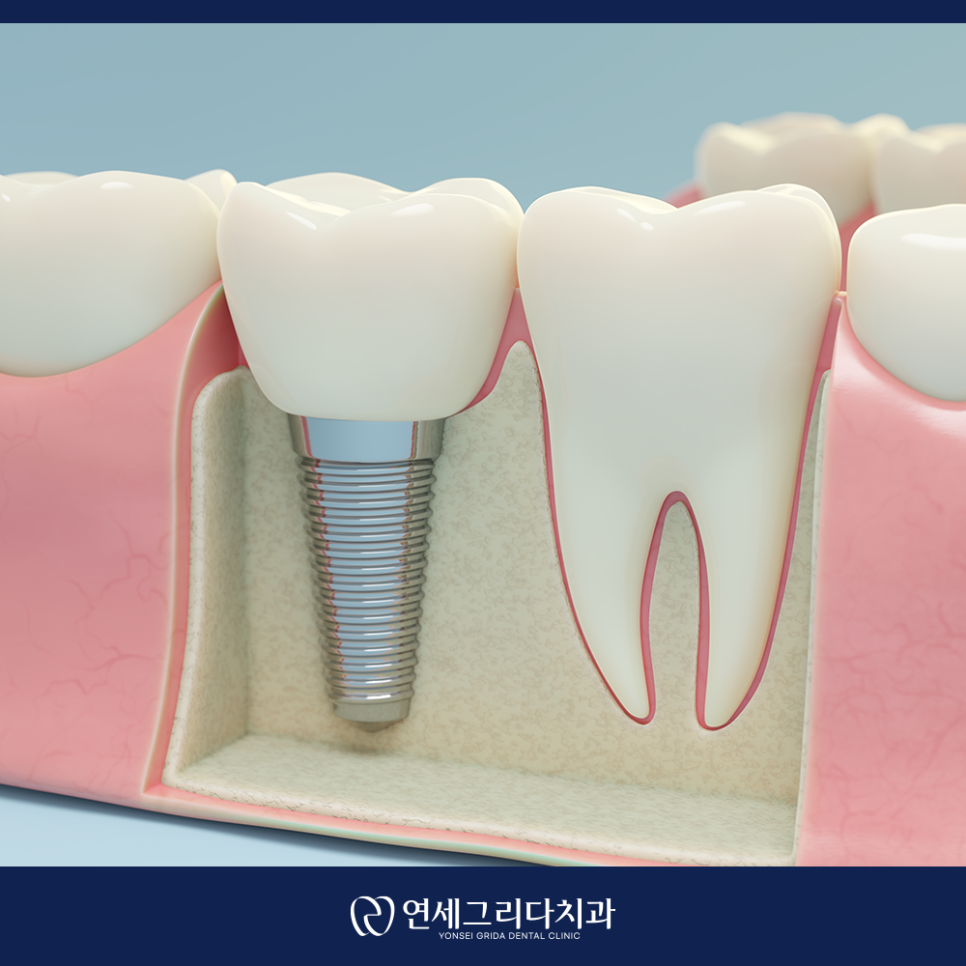
Signals from changes in eating and pronunciation
When chewing force decreases,
people often naturally shift to a diet centered on softer foods.
At first, this may feel like part of the adjustment process,
but in the long term it can also affect how nutrition is taken in.
Situations where speech does not feel clear
may also be related to changes in tooth alignment.
Because these changes are connected not just to simple discomfort
but to the balance of the entire oral environment,
it is important to understand the current condition.
An approach that sets the direction of treatment around functional recovery
helps improve satisfaction in daily life.
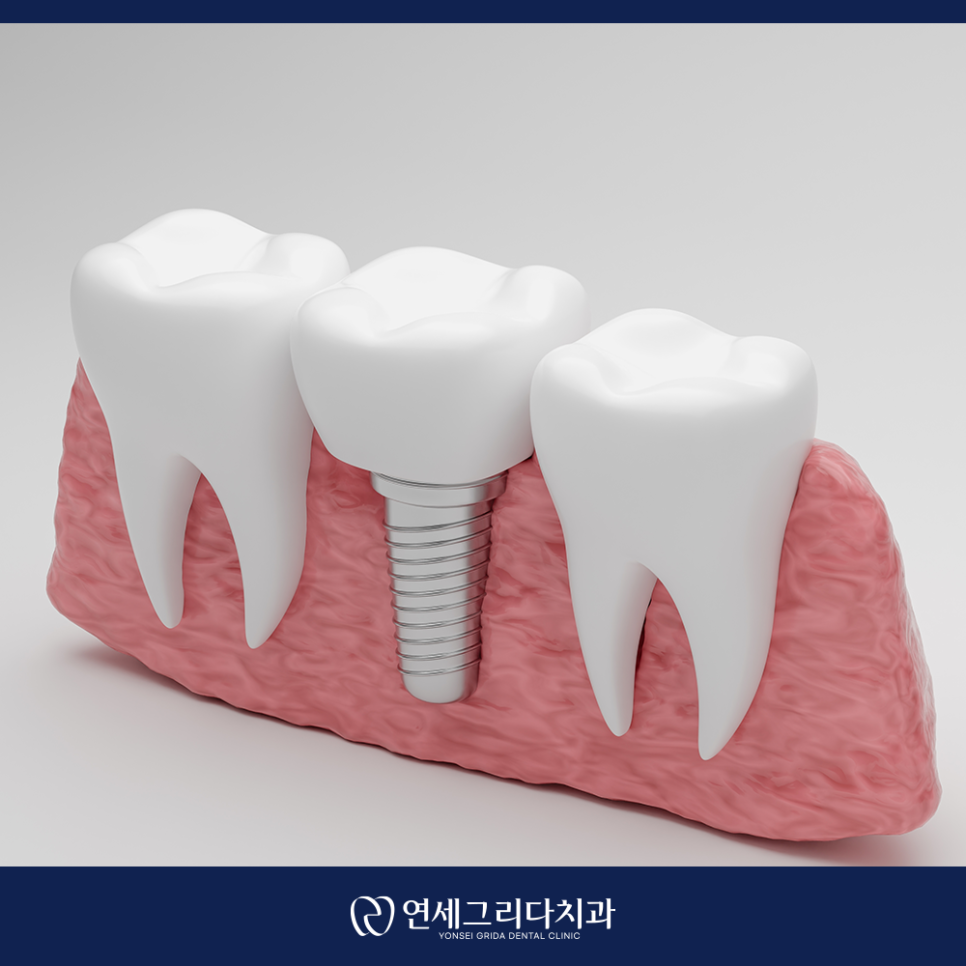
Why an overall treatment plan matters
In the field of prosthetic treatment,
not only the process of replacing missing teeth,
but also the condition of the remaining teeth
and the movement of the jaw are considered together.
This is why it is necessary to make a plan
that looks at the overall balance rather than focusing on just one part.
Designing treatment from this broader perspective
is meaningful when considering long-term ease of use.
Based on a treatment philosophy that first looks at
whether natural teeth can be preserved,
and then sets the treatment direction within the necessary scope,
plans are being made.
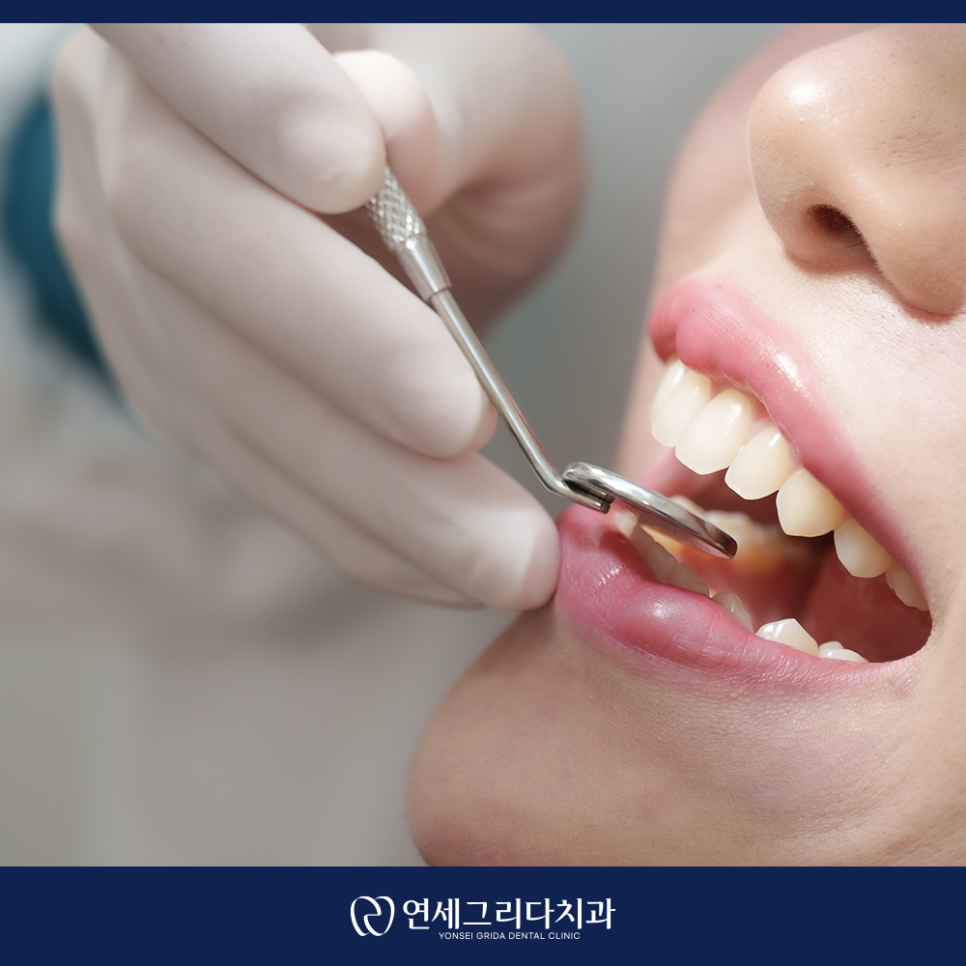
After implant treatment,
what are the recovery period and precautions?
After treatment, the gums and surrounding tissues
need time to stabilize for a certain period.
During this time, it is important to temporarily reduce the intake
of hard or chewy foods
and to maintain oral hygiene carefully.
In addition, it is helpful to check the recovery status
through regular follow-up visits.
Because smoking or excessive irritation
can affect the recovery process,
adjusting lifestyle habits as well is recommended.
Since the recovery period may vary depending on the individual’s condition,
it is necessary to understand the management methods
that suit your situation
through consultation with the medical staff.
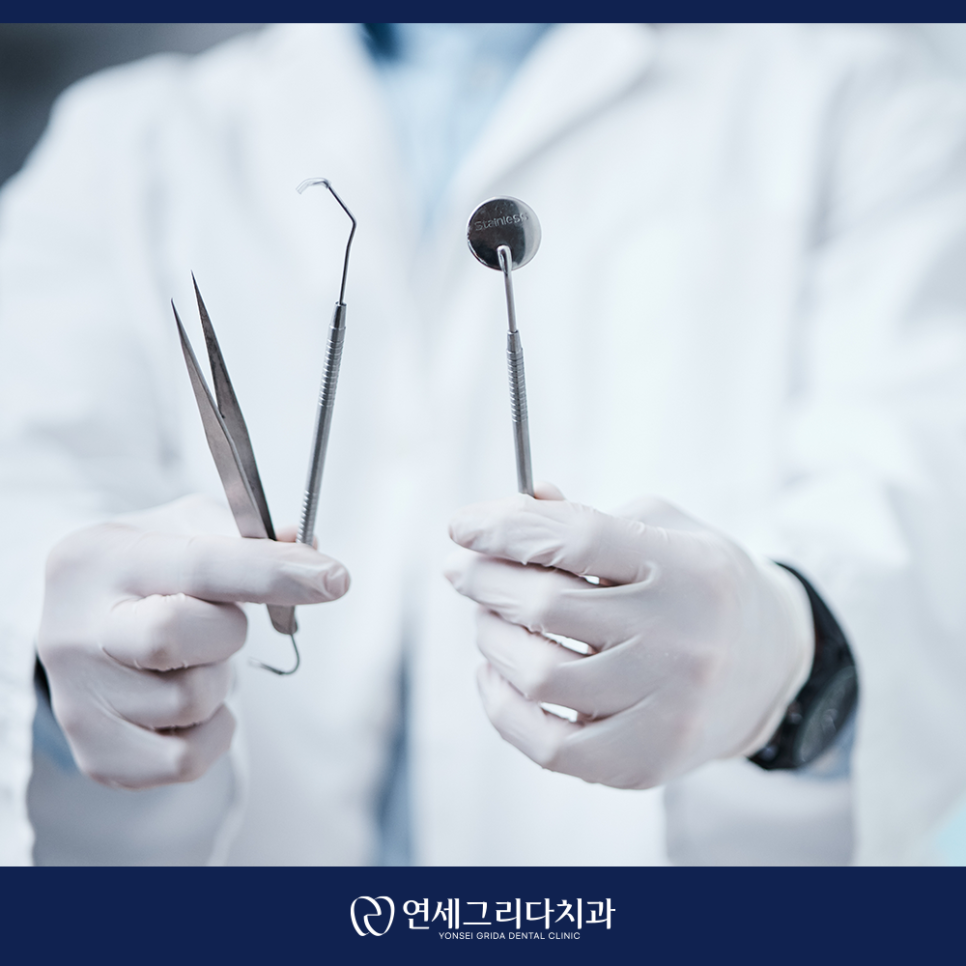
How to manage it so you can naturally
return to everyday life
When steady care continues even after treatment,
you can maintain comfort in use for a long time.
Regular oral examinations
and proper brushing habits
are at the center of basic care.
If needed, the prosthetic condition is also checked
as part of the process.
Treatment aimed at restoring function
is meaningful not only for replacing teeth
but also for allowing daily activities such as eating and talking
to continue smoothly.
In this process,
it is important to understand your oral condition
and learn how to manage it.
Rather than leaving a missing tooth as it is,
taking the time to look at how the current discomfort is connected to other changes
can be a starting point for making future life more comfortable.
If eating and speaking feel more awkward than before,
it is helpful to check your condition
and take time to find the direction that suits you best.