염창역치과추천
My Lower Right Tooth Broke and It Hurts
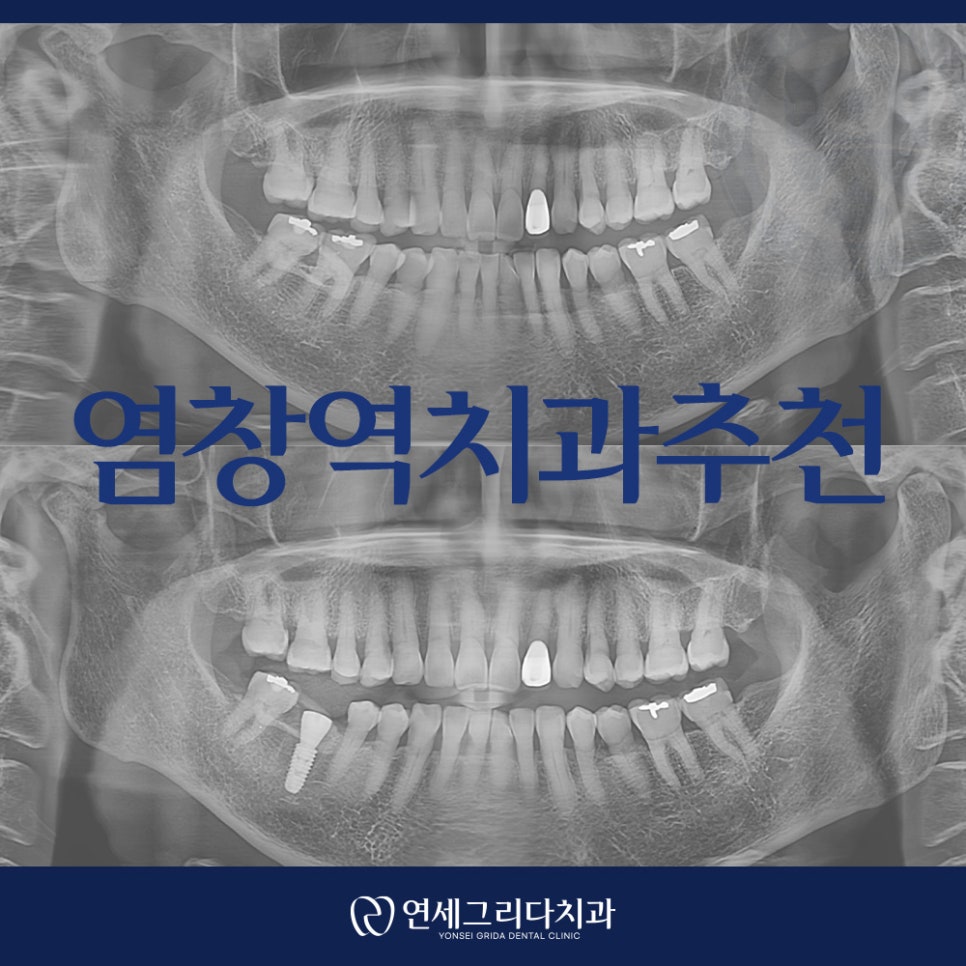
Molars are the teeth that receive the greatest force when chewing food.
In particular, when microcracks form in a tooth due to old cavities, a large restoration, repeated chewing force, bruxism, and other factors,
there are cases where the tooth suddenly splits at some point.
If only the crown portion is broken,
we can try to preserve it with root canal treatment or crown treatment,
but if the crack extends deep below the gum,
the situation is different.
If the tooth has split below the gum,
and even into the jawbone area,
bacterial infection can occur easily,
and even with treatment, it is difficult to maintain it stably.
Even if it looks like only part of the tooth is broken,
in many cases the fracture line actually continues toward the root,
so the long-term prognosis is not very good.
In such cases, rather than forcing an attempt to save the tooth,
it may be a more stable choice to plan implant treatment after extraction,
based on an accurate diagnosis.
Today, at Yonsei Greda, a recommended dental clinic near Yeomchang Station,
we will introduce a case in which immediate implant placement was performed after extraction of a fractured tooth. :)
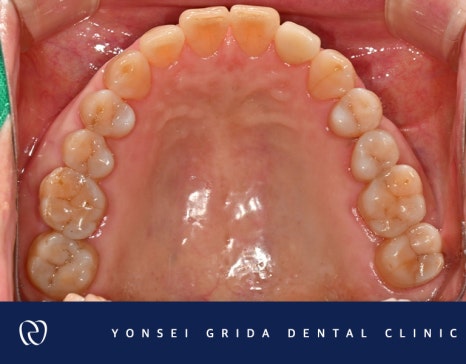
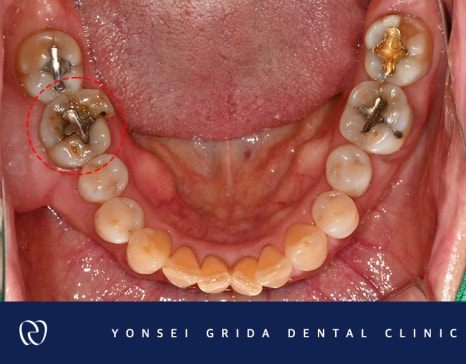
26.04.01
The patient visited our clinic saying that their lower right tooth had broken and was causing pain.
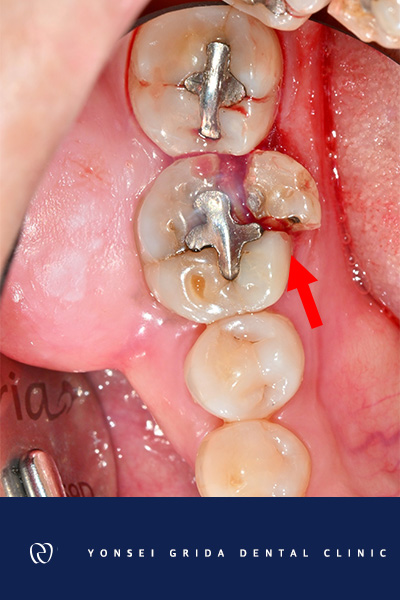
26.04.01
Upon examination,
the crown portion of the first molar was partially fractured and split,
and the fracture line was not limited to the crown portion alone,
but extended deep below the gum.
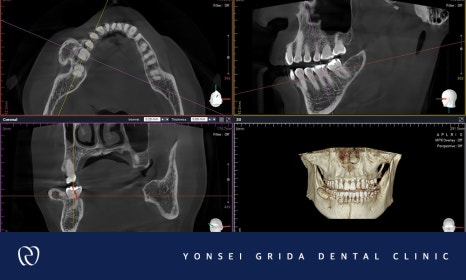
To accurately determine how far the fracture had progressed,
we decided to proceed with X-ray and CT imaging.
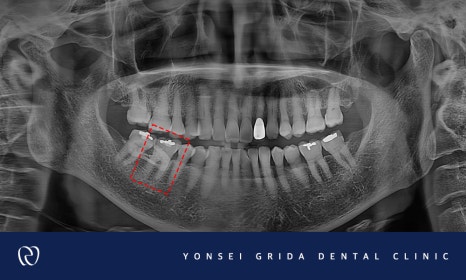
26.04.01
The CT scan showed that
the split area had progressed to the alveolar bone below the gum.
Normally, when a tooth fractures,
one treatment option that can be considered is root canal treatment followed by placing a post and then a crown to try to save the tooth.
However, in this case, the tooth had split deep below the gum,
and there was not enough healthy structure left for the crown to hold onto stably.
In addition, because the restoration was highly likely to be too close to the jawbone,
there was a significant risk of gum inflammation or refraction after treatment.
Therefore, rather than trying to preserve the tooth forcefully,
Yonsei Greda, a recommended dental clinic near Yeomchang Station,
planned immediate implant placement after extraction for a more stable long-term result.
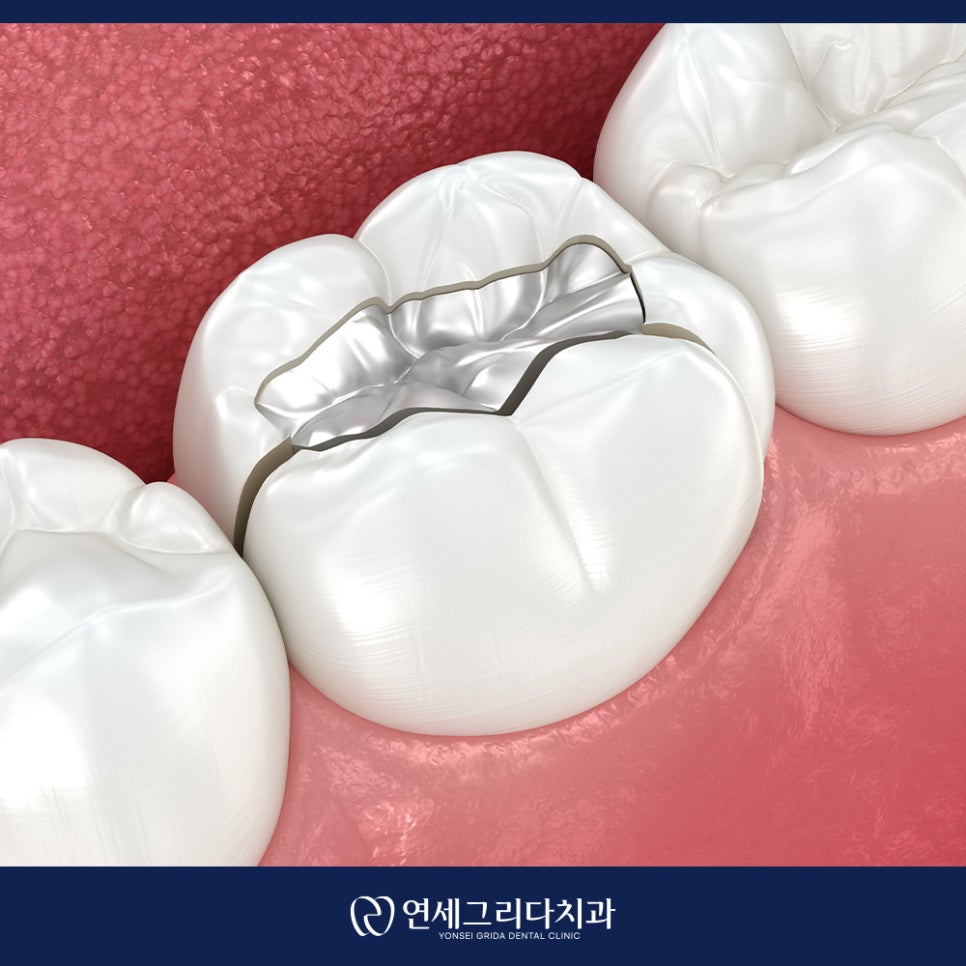
What causes tooth cracks?
✅ Repeated chewing force
Frequently chewing hard or tough foods
places continuous force on the tooth,
which can create tiny cracks.
✅ Bruxism and clenching
If you grind your teeth while sleeping
or have a habit of clenching your teeth,
excessive force is repeatedly applied,
which increases the risk of cracks.
✅ Old cavities or a history of major treatment
Teeth with deep cavities
or teeth that have previously received large resin, inlay,
or crown treatments
have less healthy tooth structure and can be relatively weaker.
✅ Eating hard foods
Biting into ice, nuts, dried squid, dried snacks,
or foods with bones can cause
a sudden strong force,
which may lead to cracks or splitting.
✅ Tooth aging
As we age, teeth also
lose moisture and elasticity,
and tiny cracks can accumulate
over years of use.
✅ Bite problems
If the bite is such that excessive force
is concentrated on a specific tooth,
repeated stress can build up
and cause cracks.
26.04.01
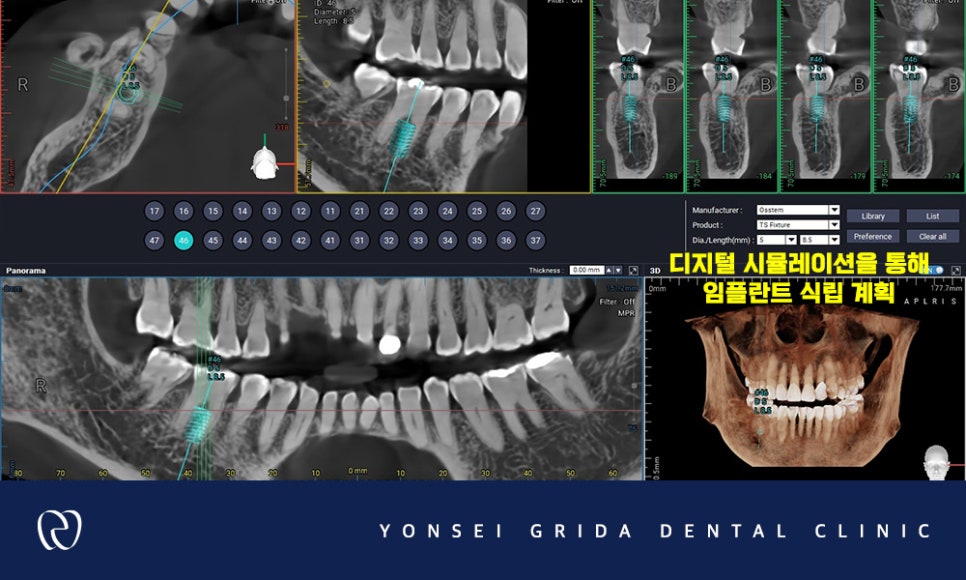
First, through digital simulation,
we precisely planned in advance
the implant position, angle, and depth.
Because the molar area is where a lot of chewing force is applied,
it is important to consider the condition of the surrounding jawbone,
the position of the nerves,
and the bite relationship together.
By checking and planning the placement position in advance like this,
it helps to place the implant in a more stable position,
and it also reduces unnecessary error during the surgery.
26.04.01
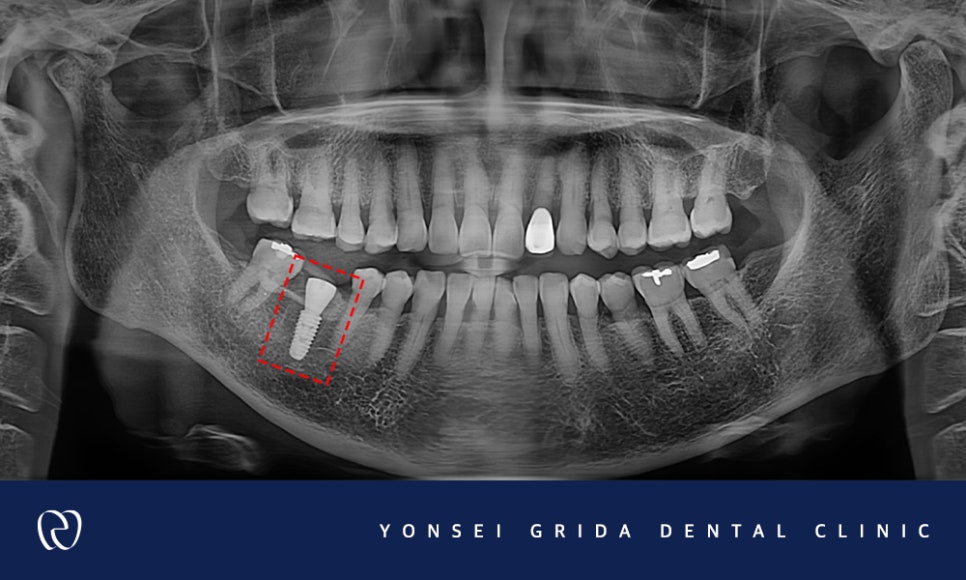
First, after extraction,
the implant was placed in the planned position.
Because initial stability, where the implant stays firmly in place inside the jawbone immediately after placement,
is important,
we provided detailed instructions on eating methods, oral care methods,
and precautions so that unnecessary force would not be applied to the surgical area.
In particular, we explained to avoid chewing hard or tough foods on the surgical site,
to take the prescribed medication as instructed,
and to avoid excessively irritating the area when brushing.
After that,
we decided to monitor the recovery process while checking the progress
so that the implant could stably integrate with the jawbone.
26.04.01
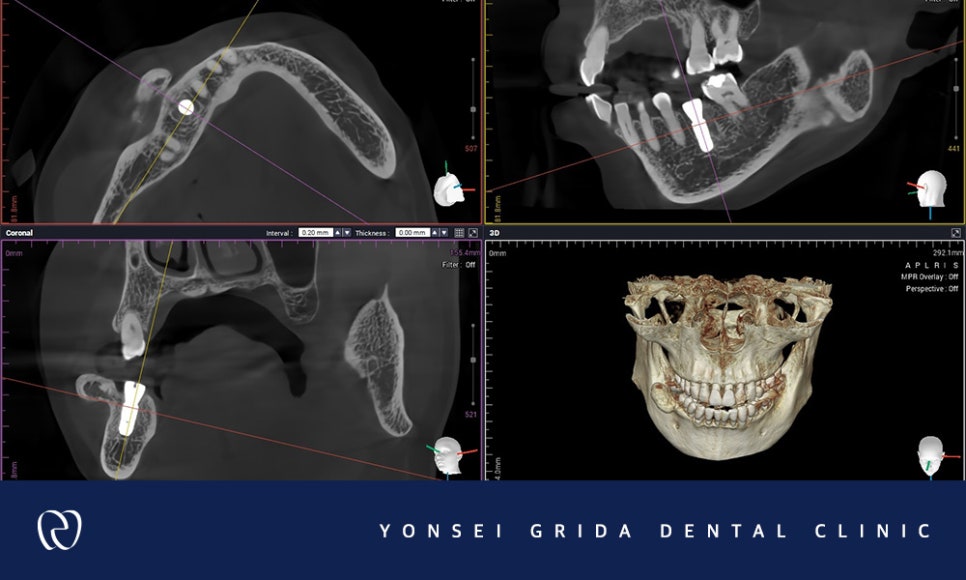
The postoperative CT scan also confirmed
that the implant was placed well.
After waiting a sufficient 2.5 to 3 months for osseointegration,
the restoration will be fabricated after taking a digital impression
with an intraoral scanner. (^^)
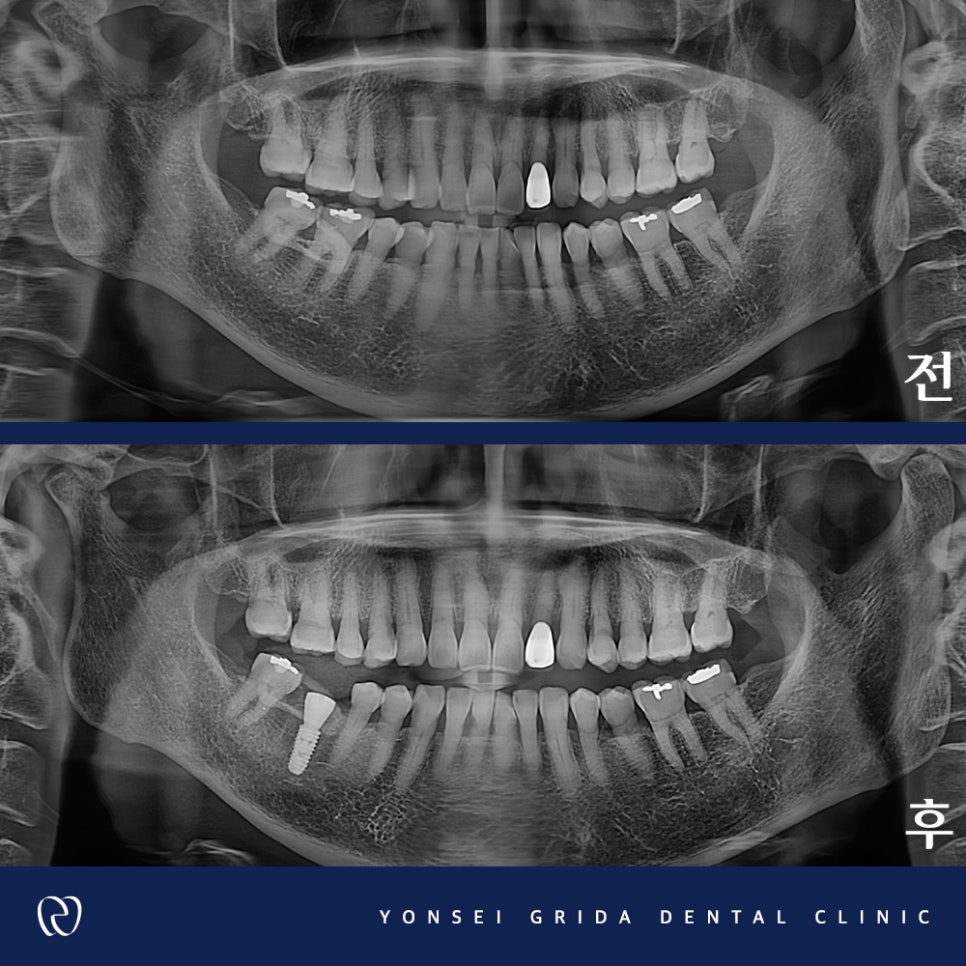
26.04.01
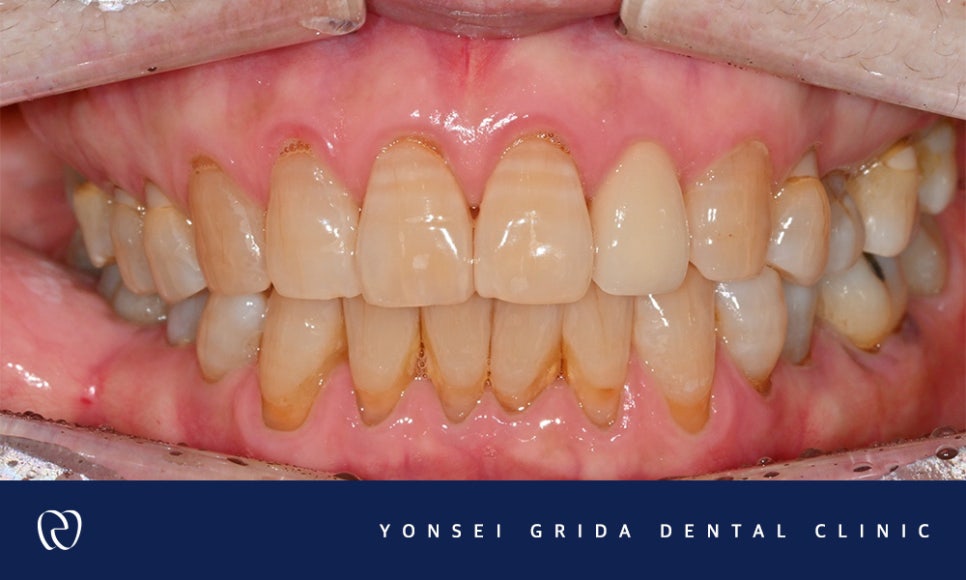
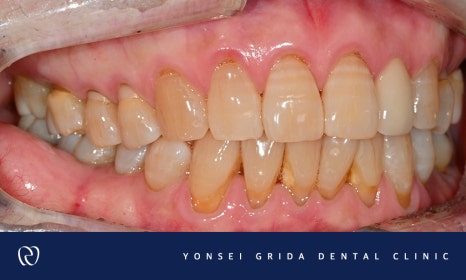
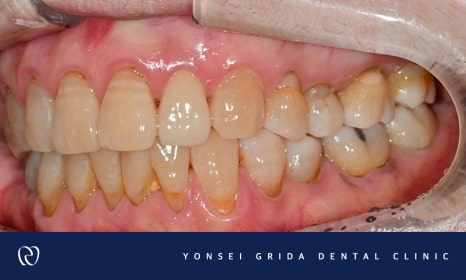
These are before-and-after treatment photos.
The patient said they felt almost no pain during treatment,
and were satisfied that treatment could be completed on the same day.
Even when a tooth problem leads to implant treatment like this,
an implant is not a permanent treatment,
so it is necessary to continue regular checkups afterward
to make sure no problems have developed.
This is because if you visit a dental clinic only after pain develops,
the appropriate treatment timing may be missed.
Yonsei Greda Dental Clinic, a recommended dental clinic near Yeomchang Station,
provides step-by-step treatment tailored to the patient’s oral condition,
from detailed pre-surgical diagnosis and digital simulation,
to implant placement, restoration fabrication, and post-treatment care.
Rather than treating just a single tree,
like care that looks at the whole forest,
considering the balance of the entire mouth and the long-term prognosis
is the treatment direction that Yonsei Greda Dental Clinic values.
To help patients use their teeth comfortably even after treatment,
we will provide careful care based on the big picture,
from the initial diagnosis through post-treatment management.☺️
Thank you. :)
*All case photos were posted with the consent of the individuals involved,
in accordance with Articles 23 and 56 of the Medical Service Act.
*All treatment photos are of patients treated at our clinic.
*All treatment photos are of the same person,
and were taken under the same conditions.
*Depending on the individual, side effects may occur after procedures or surgery,
so please consult with a medical professional sufficiently.