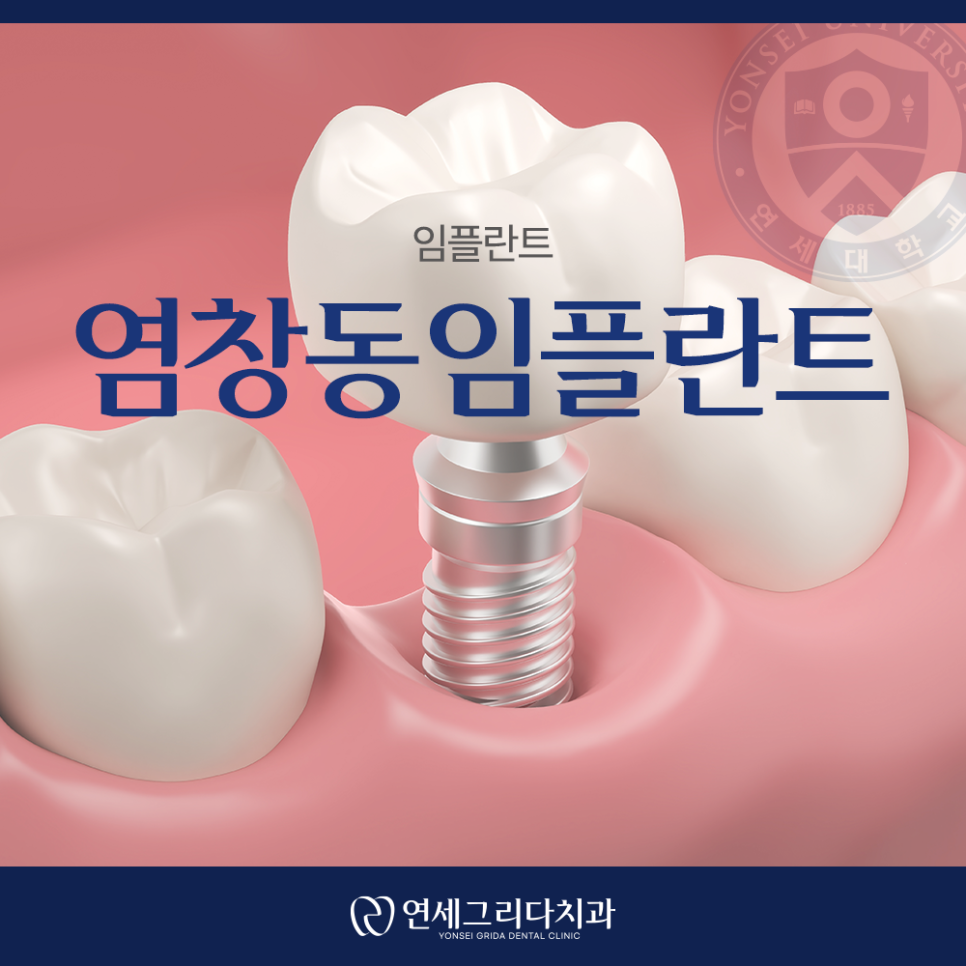
Implants are not simply a treatment that
fills in missing teeth.
�A0
They are a precise dental procedure that
requires comprehensive consideration of the condition of the jawbone, the relationship with surrounding teeth,
balance in the bite, overall health, and post-treatment care.
�A0
Especially for those looking into Eomchang-dong implants,
"which clinic to place the implant at" is less important than
"what criteria to use when choosing a clinic."
�A0
That is because even with the same treatment, the duration of use and level of satisfaction can vary depending on the diagnostic process, surgical plan,
prosthetic design, and management method.
�A0
Today, before choosing an Eomchang-dong implant dental clinic,
I will explain the points that must be checked.
�A0
Whether proper diagnostic equipment and examination processes are in place
The start of treatment is
an accurate diagnosis.
�A0
Judging treatment eligibility based only on the visible condition of the gums
is very limited.
�A0
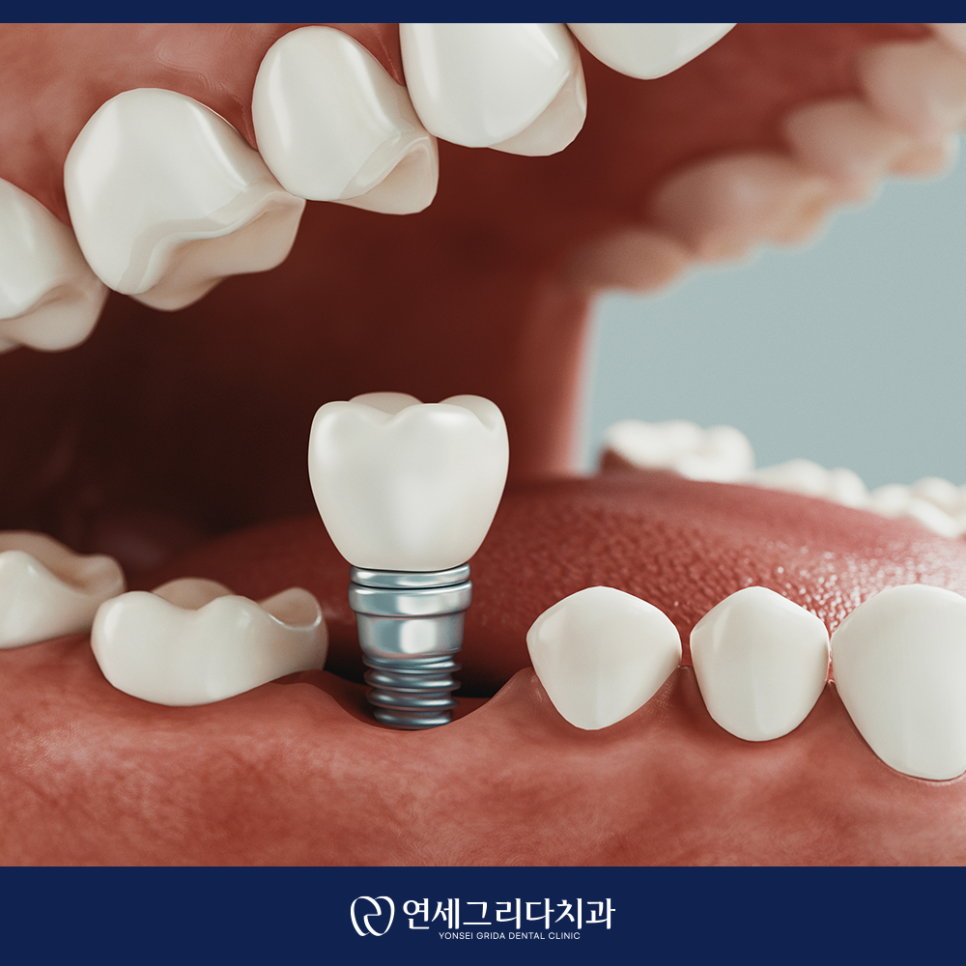
The height and width of the jawbone, the position of the nerve canal,
the location of the maxillary sinus, the extent of inflammation,
and even the direction of the roots of adjacent teeth
must all be checked three-dimensionally.
�A0
For this, 3D CT imaging is important.
This is because it is difficult to properly determine
the thickness of the bone or the distance from the nerves
with a regular panoramic X-ray alone.
�A0
In particular, the lower molar area is
often close to the inferior alveolar nerve, and the upper molar area
must have its distance from the maxillary sinus
carefully checked.
�A0
When choosing an Eomchang-dong implant dental clinic,
it is good to check whether the clinic gives the patient enough explanation about the current condition after CT imaging,
and whether it creates a detailed surgical plan.
�A0
A proper diagnosis can reduce unnecessary bone grafting,
lower surgical risk,
and help expect more stable results.
�A0
The delicacy of experience and treatment planning
Among dental treatments, implants are an area where
experience and judgment play a major role.
�A0
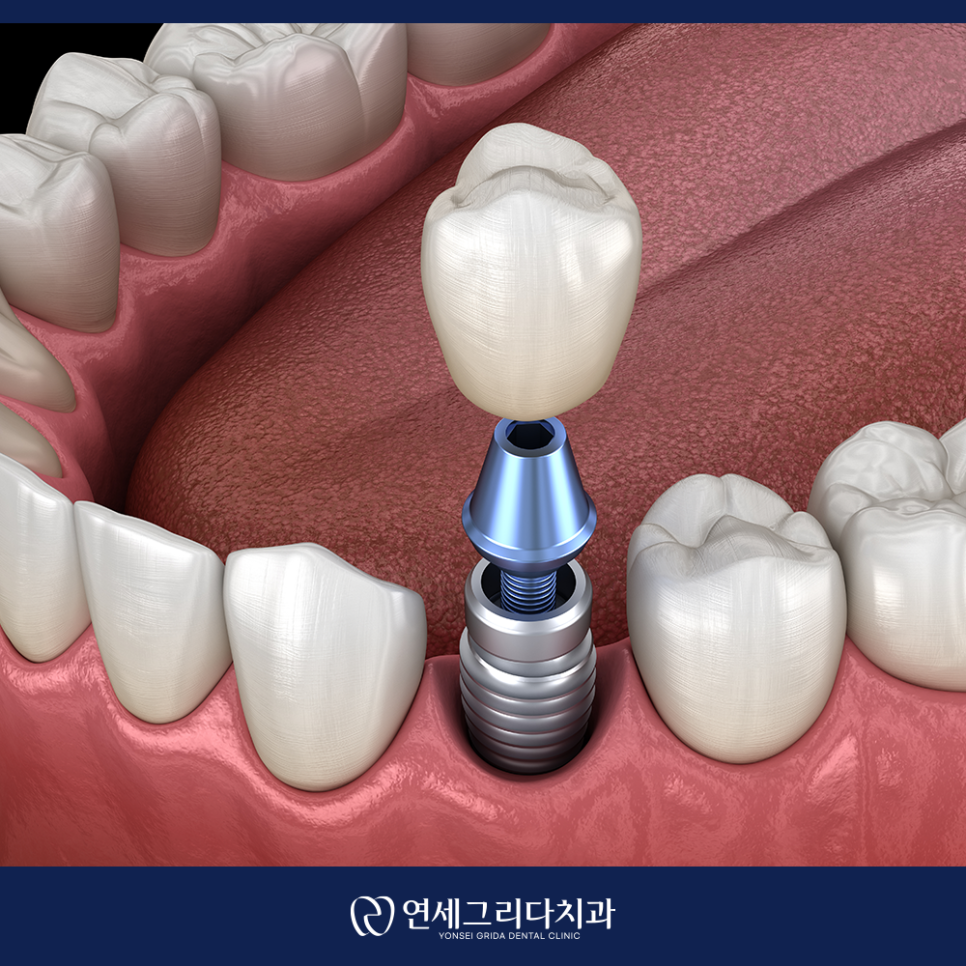
It is not just about placing the implant;
the process of deciding where, at what angle,
and to what depth to place it is
very important.
�A0
If the tooth has been missing for a long time,
the jawbone may have been resorbed,
and the neighboring teeth may be tilted
or the opposing tooth may have descended.
�A0
If the implant is placed without considering these conditions,
the final prosthesis may feel too high or uncomfortable later,
food may get stuck frequently,
or inflammation may develop in the surrounding gums.
�A0
Therefore, when planning an Eomchang-dong implant,
it is important not to look only at the number of implants to be placed,
but to check whether the clinic can judge
what role the implant should play within the overall oral structure.
�A0
A clinic with a careful treatment plan will consider
the shape of the final prosthesis, the bite position, and manageability
even before surgery.
�A0
Good treatment is determined to a large extent
not on the day of surgery,
but at the diagnostic stage.
�A0
Whether bone grafting is properly judged
�A0
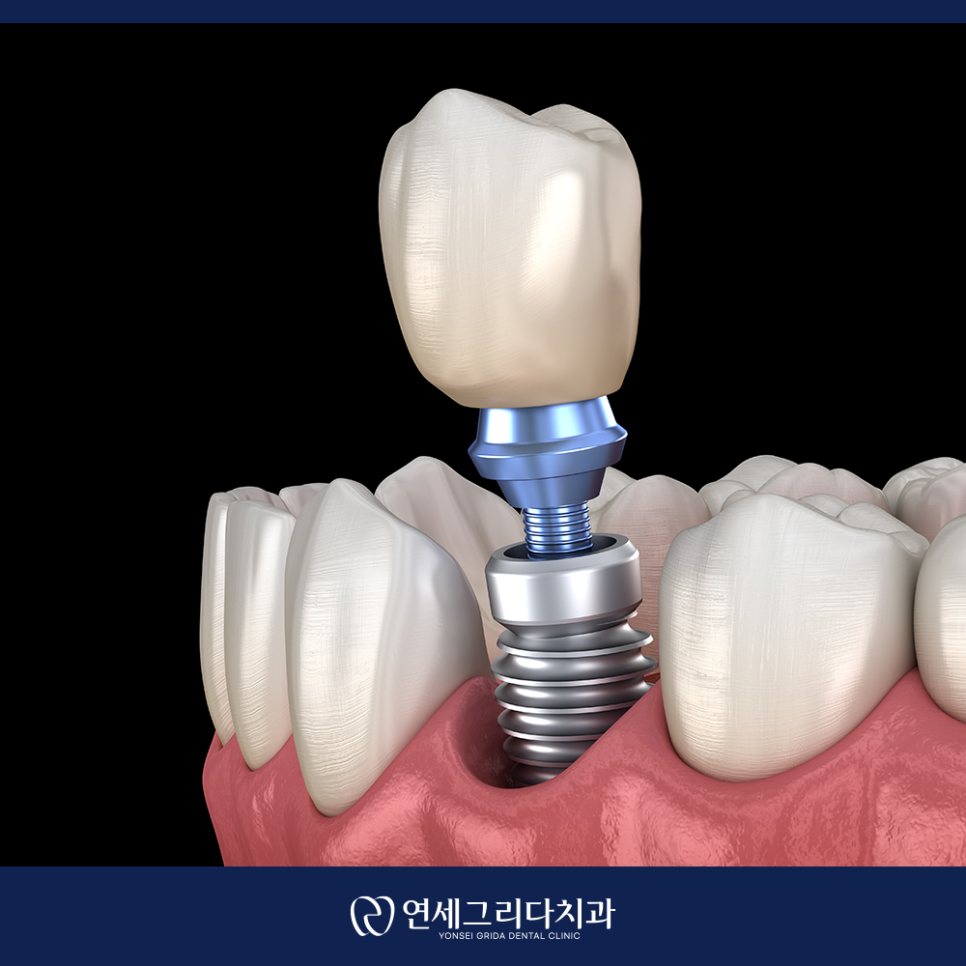
An implant is a structure fixed inside the jawbone.
�A0
Therefore, when bone is insufficient,
rather than forcing placement,
bone grafting must be carefully considered.
�A0
However, bone grafting is not necessary in every case.
�A0
It may be needed when a tooth that had severe inflammation is extracted,
when a long time has passed since tooth loss and the bone has significantly reduced,
in the upper molar area close to the maxillary sinus,
or in the front tooth area where aesthetics are important.
�A0
On the other hand, if bone grafting is performed unnecessarily
even when there is enough jawbone,
the treatment period and cost burden can increase.
�A0
When receiving a dental consultation,
rather than simply hearing, "Bone grafting is necessary,"
you should ask for a specific explanation of why it is needed, how much is needed and in which area,
and what problems could occur if bone grafting is not performed.
�A0
Based on CT data and the condition of the mouth,
the dentist should be able to suggest the most appropriate method
for the patient.
�A0
Overtreatment is a problem, but
skipping necessary treatment can also create bigger problems
in the long term.
�A0
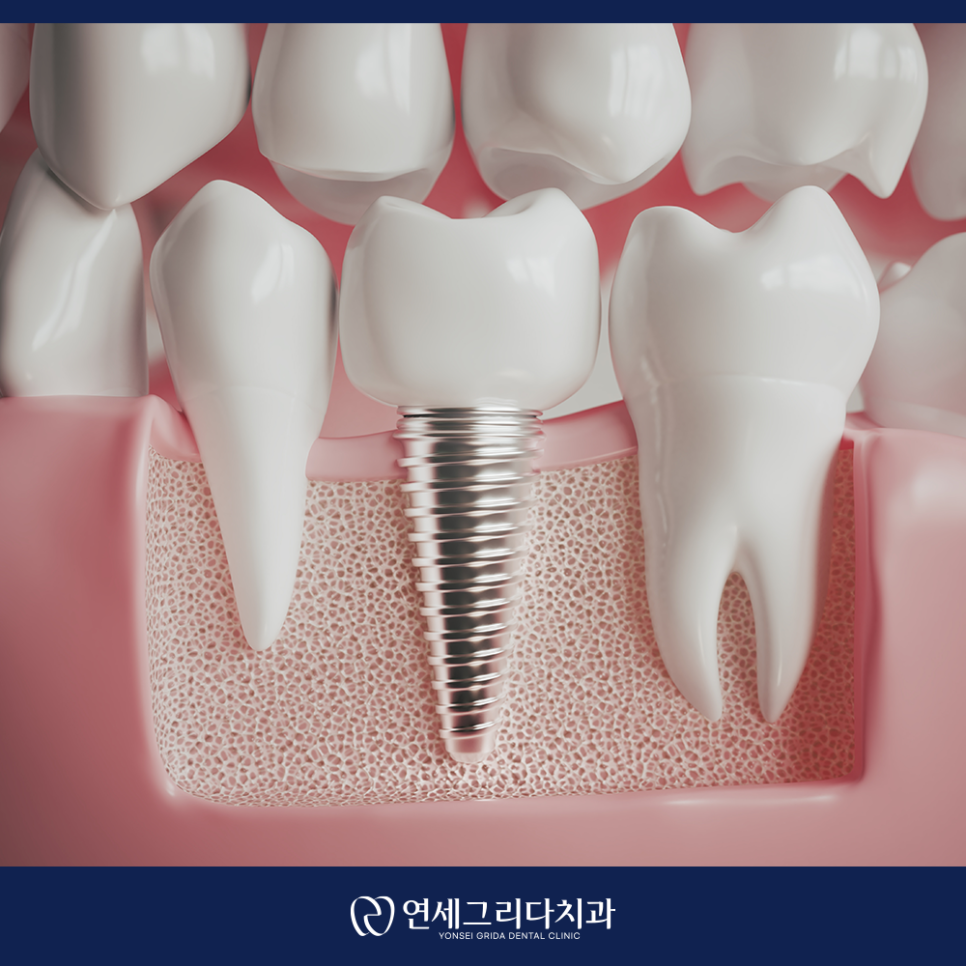
The quality of the prosthesis and bite adjustment are important
Many people focus only on the surgery,
but for long-term comfortable use,
the quality of the prosthesis is very important.
�A0
Unlike natural teeth,
implants do not have a periodontal ligament.
�A0
Natural teeth move slightly when chewing
and absorb shock,
but implants are firmly fixed in the bone,
so bite pressure is transmitted directly.
�A0
Therefore, if the prosthesis is too high
or receives too much force on one side,
the screw may loosen, the prosthesis may break,
or the surrounding bone may be strained.
�A0
When receiving treatment,
you should check not only whether the surgery is done well,
but also whether the clinic carefully adjusts the final prosthesis.
�A0
The tooth color, shape, height of the chewing surface,
the strength of contact with adjacent teeth,
and the degree to which food gets trapped
must all be checked in detail
so that discomfort in daily life is reduced.
�A0
In particular, molars are subject to a lot of chewing force,
so bite adjustment is very important.
�A0
For front teeth,
it is also necessary to make an aesthetic judgment about whether the gum line and tooth shape look natural.
�A0
Ultimately, patient satisfaction
can increase when surgery and prosthetics are balanced.
�A0
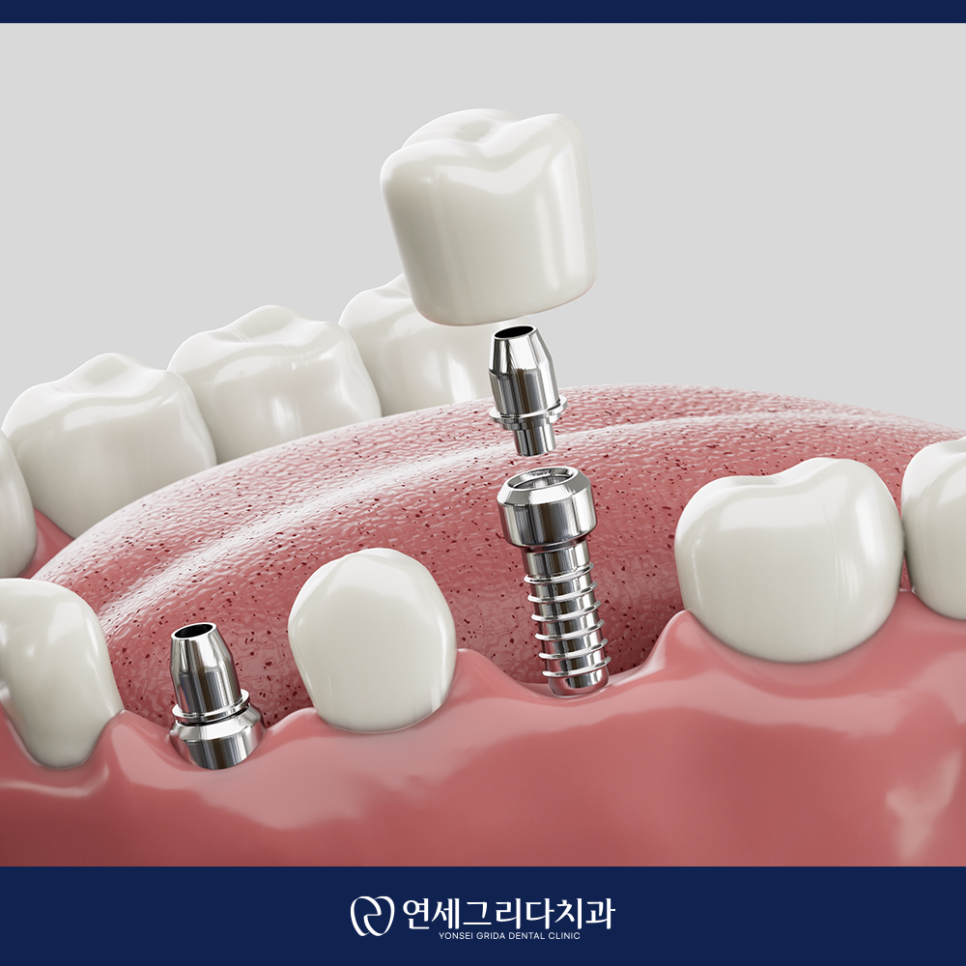
Choose a clinic with a post-treatment care system
�A0
An implant is not a treatment that ends with placement.
�A0
If post-treatment care is not properly carried out,
peri-implantitis can occur,
which is an important cause of shortened longevity after treatment.
�A0
Peri-implantitis is similar to gum disease around natural teeth,
but it can progress more quickly.
�A0
Because there is almost no pain in the early stages,
by the time the patient notices a problem,
bone resorption may already have progressed.
�A0
Therefore, regular checkups are needed to assess
the gum condition, prosthesis condition,
whether any screws have loosened, changes in the bite,
and whether there is inflammation.
�A0
When choosing an Eomchang-dong implant dental clinic,
it is good to check whether follow-up checkups after surgery are systematic,
whether scaling and gum care are provided together,
and whether the clinic can respond quickly if a problem occurs.
�A0
Patient care habits are also important for implants.
�A0
In addition to brushing, interdental brushes, dental floss,
and water flossers should be used appropriately,
and since smoking can increase the risk of implant failure,
smoking cessation management is also necessary.
�A0
When the clinic and the patient manage it together,
it can be used more stably
and for a longer time.
�A0
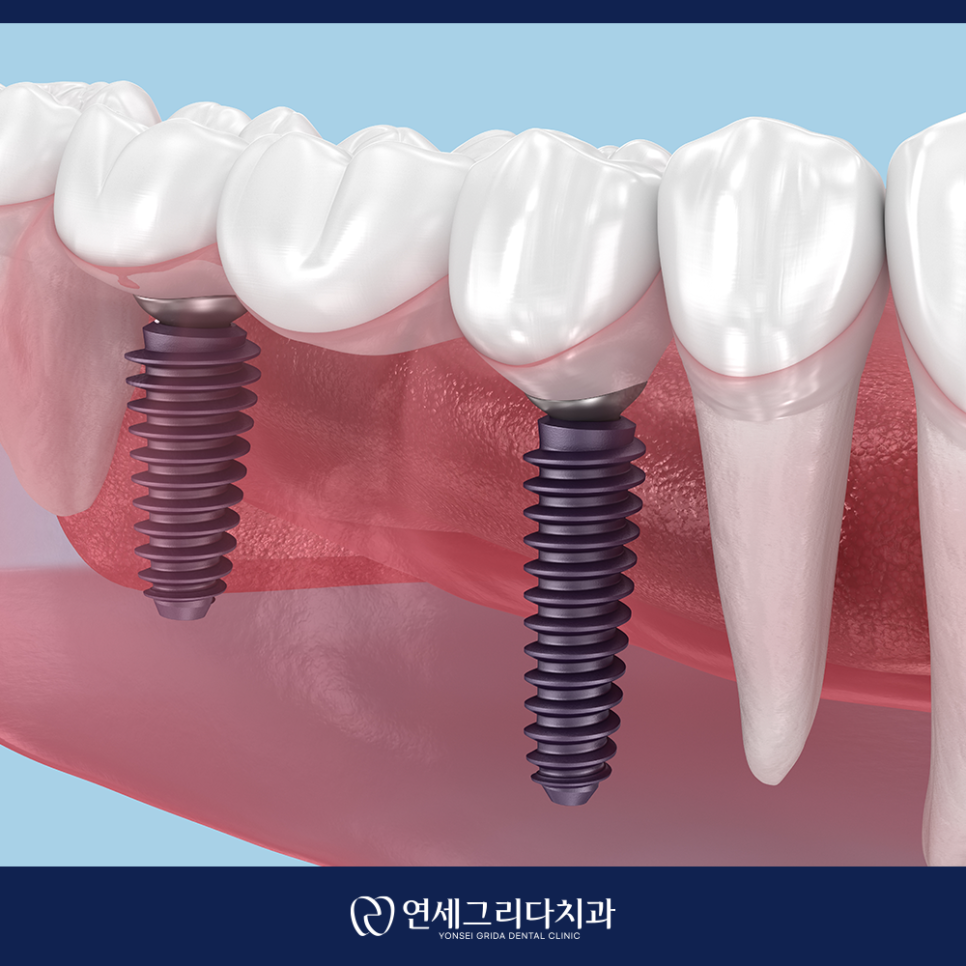
�A0
If you are considering Eomchang-dong implants,
rather than choosing a clinic based only on price or distance,
you should also check for proper diagnosis, the medical team’s experience,
the judgment on bone grafting, prosthetic quality,
and the post-treatment care system.
�A0
Once an implant is placed,
it must be used for a long period of time.
�A0
It is most important to receive a proper diagnosis from the beginning
and proceed with a plan that suits you.
�A0
If the area with tooth loss is uncomfortable,
if using your existing dentures is difficult,
or if you have an empty space that has been left untreated for a long time,
it is a good idea to first get a detailed examination
to check the current condition of the jawbone and oral cavity.
�A0
Implant treatment is
not simply a process of replacing one tooth,
but a process of restoring comfortable eating and speaking again
and recovering healthy oral function.
�A0
Careful selection and consistent maintenance
are the way to achieve good results.