When opening your mouth,
if you hear a “clicking” sound,
have difficulty opening your mouth,
or experience a dull ache around the area in front of your ears and temples,
it can be difficult to dismiss these symptoms
as simply fatigue or a habit.
These symptoms
may be related to a temporomandibular disorder,
and if left untreated, they may lead to reduced chewing function,
headaches, neck and shoulder pain,
tooth wear, and changes in the bite.
Many people think of orthopedics or pain medicine first
when they experience pain,
but the temporomandibular joint is closely connected to
the way the teeth come together,
the movement of the chewing muscles,
and the structures of the mouth.
Therefore, to identify the cause
and reduce the likelihood of recurrence,
temporomandibular joint treatment
performed at a dental clinic
is important.
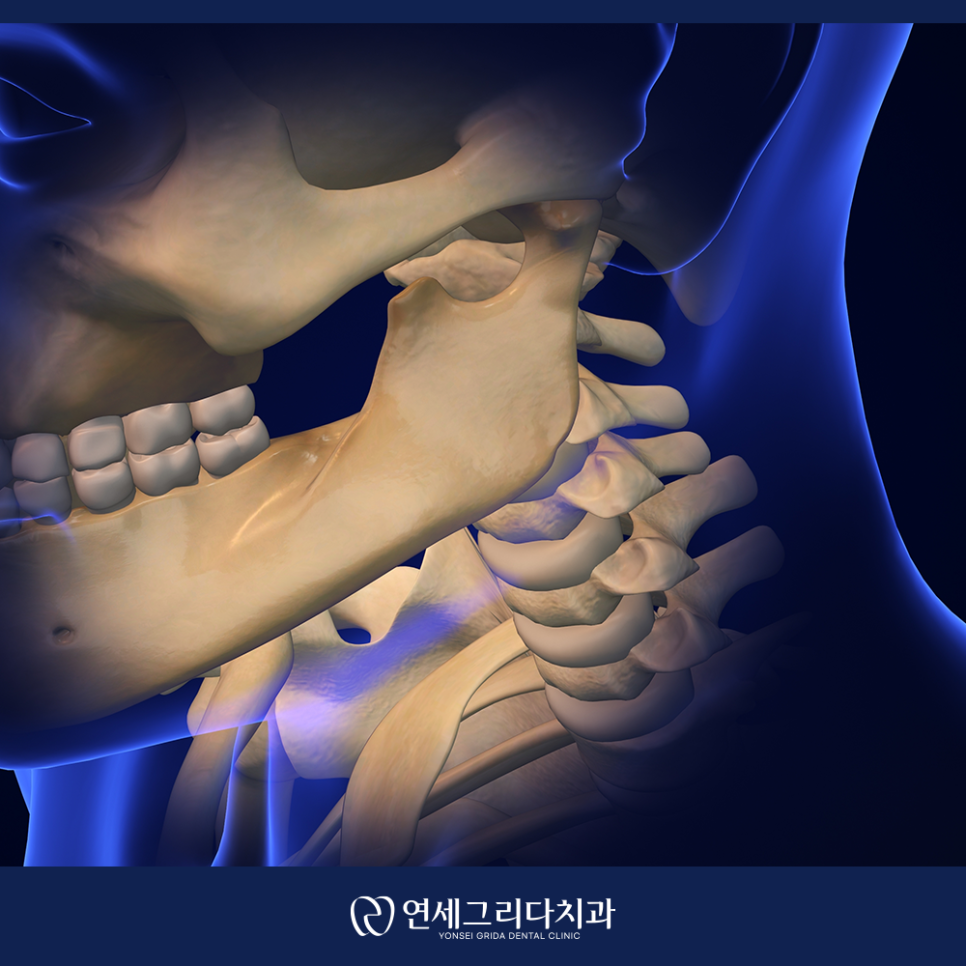
The Jaw Is Strongly Influenced by the Teeth and Bite
The temporomandibular joint
is where the lower jawbone meets the skull,
and it is involved in opening and closing the mouth,
eating,
and speaking.
This area does not move independently.
The way the teeth come together,
the level of tension in the chewing muscles,
the position of the jaw,
and daily habits all work together.
For example,
🔹the habit of chewing only on one side
🔹clenching the teeth
🔹grinding the teeth during sleep
🔹malocclusion
🔹differences in the height of old restorations
can cause repeated stress to build up in the jaw.
In such cases,
it is difficult to eliminate the cause
by merely reducing the pain temporarily.
At a dental clinic, the condition of tooth wear,
the balance of the bite,
the jaw’s range of motion,
and muscle tenderness are assessed together,
allowing the cause to be evaluated more comprehensively.
It Can Also Appear as Ear, Head, or Neck Pain
Temporomandibular disorders
do not cause symptoms only around the jaw.
🔹pain in front of the ear
🔹a feeling of fullness in the ear
🔹headaches
🔹pressure around the temples
🔹stiffness in the neck and shoulders
🔹discomfort when opening the mouth
They may appear in various forms.
When treatment is provided at a dental clinic,
the assessment does not focus only on whether “the jaw hurts.”
The extent to which the mouth opens,
whether the jaw deviates to either side,
whether there are sounds,
and whether the muscles are excessively tense
are all evaluated together.
Because the location of symptoms
and the actual cause
may differ in temporomandibular joint problems,
a dental diagnosis based on a thorough understanding
of the oral structures is important.
Treatment Begins with Analyzing the Cause
Temporomandibular joint treatment
should not proceed by immediately making an appliance
or simply prescribing medication
based only on the symptoms.
First,
it is necessary to carefully check
🔹the patient’s daily habits
🔹when the pain began
🔹situations that make it worse
🔹whether there is teeth grinding or clenching
🔹the condition of existing restorations
🔹any history of orthodontic treatment
At a dental clinic, as needed,
the current condition is assessed through
an intraoral examination, bite examination,
palpation of the temporomandibular joint, measurement of mouth opening,
and radiographic examination.
What is important in this process
is distinguishing whether the cause of the pain
lies in the joint itself,
is more closely related to muscle tension,
is associated with an imbalance in the bite,
or is largely influenced by an unhealthy habit.
The treatment approach varies depending on the cause.
Therefore, temporomandibular joint treatment
should be approached not simply as pain management,
but as a process of restoring jaw function
and reducing factors that may lead to recurrence.
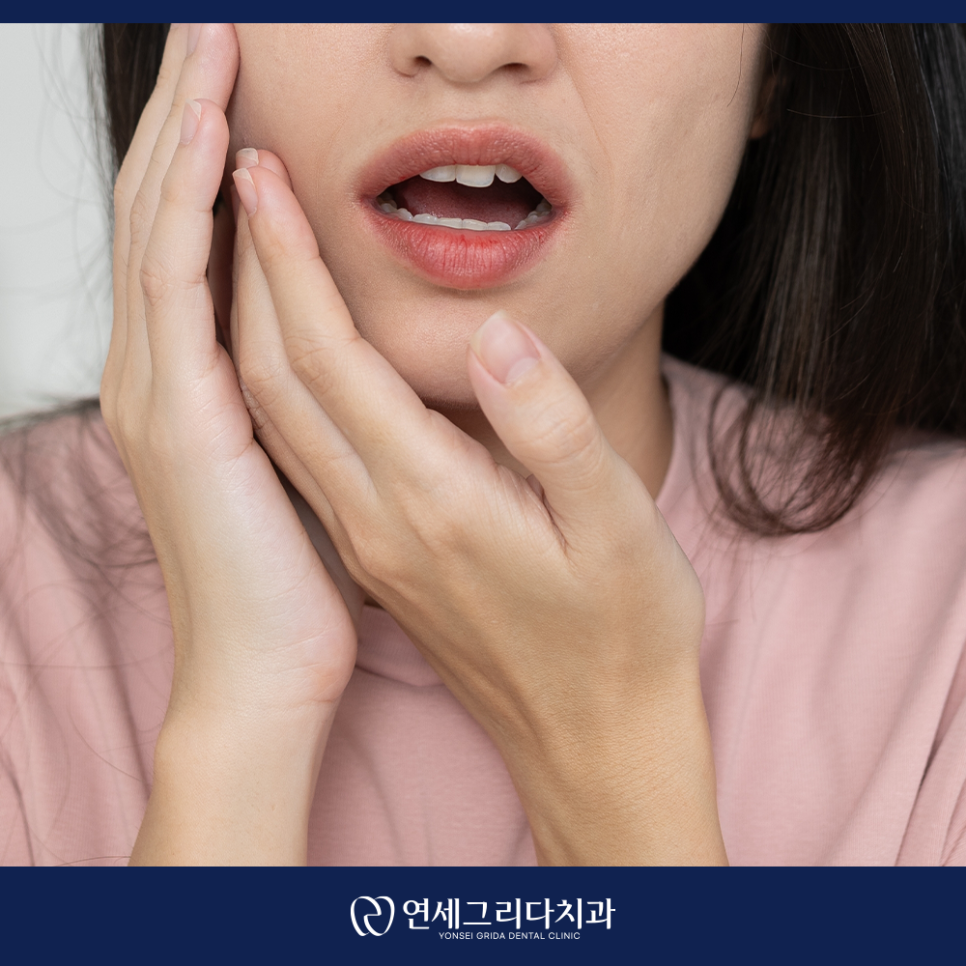
Splint Treatment
One of the representative treatment methods
performed at a dental clinic
is splint treatment.
A splint
is an intraoral appliance made to fit the individual’s tooth shape.
It is mainly worn during sleep
to reduce the stress placed on the temporomandibular joints and teeth.
A splint may be helpful,
particularly when pressure builds up due to
teeth grinding, clenching,
or excessive tension in the chewing muscles.
However, not every patient
needs the same type of appliance.
The design and adjustment method of the appliance
may vary depending on the condition,
tooth alignment,
the bite relationship, and the pattern of pain.
In addition, splints require
regular checkups and adjustments even after they are made.
Using an ill-fitting appliance for a long time
may instead cause changes in the bite or discomfort,
so it is important to use one
under the diagnosis and management of a dental professional.
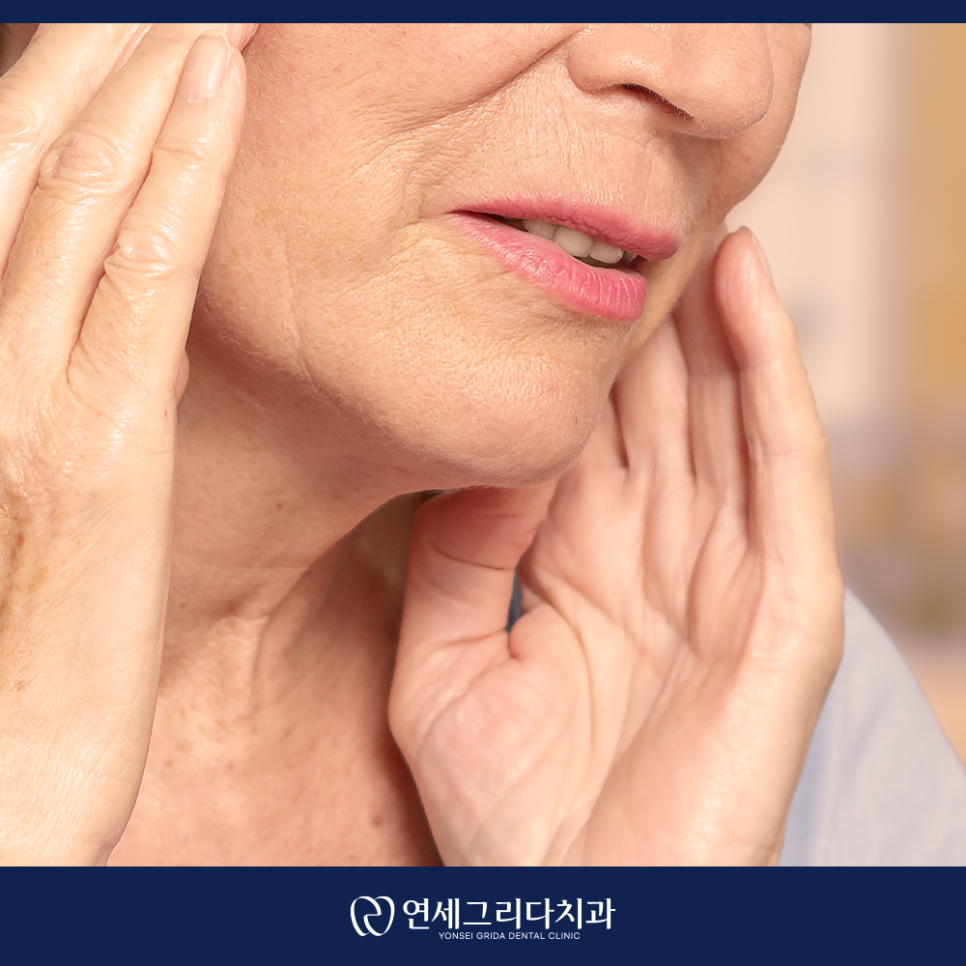
Early Diagnosis and Daily Habit Management Are Key
For temporomandibular disorders,
the earlier treatment begins,
the easier recovery and management tend to be.
Conversely, if recurring pain is left untreated for a long time,
the surrounding tissues and muscles
may become chronically tense,
while the range of mouth opening may decrease
or the frequency of pain may increase.
Daily habit management is also necessary
during treatment.
It is advisable to reduce hard and chewy foods
and avoid the habit of chewing gum for long periods.
Opening the mouth widely,
resting the chin on your hand,
and chewing only on one side
may also place stress on the jaw.
At a dental clinic, these habits are corrected,
and, when necessary, medication, physical therapy,
splint treatment, and bite evaluation may be combined
to create a treatment plan suited to the patient.
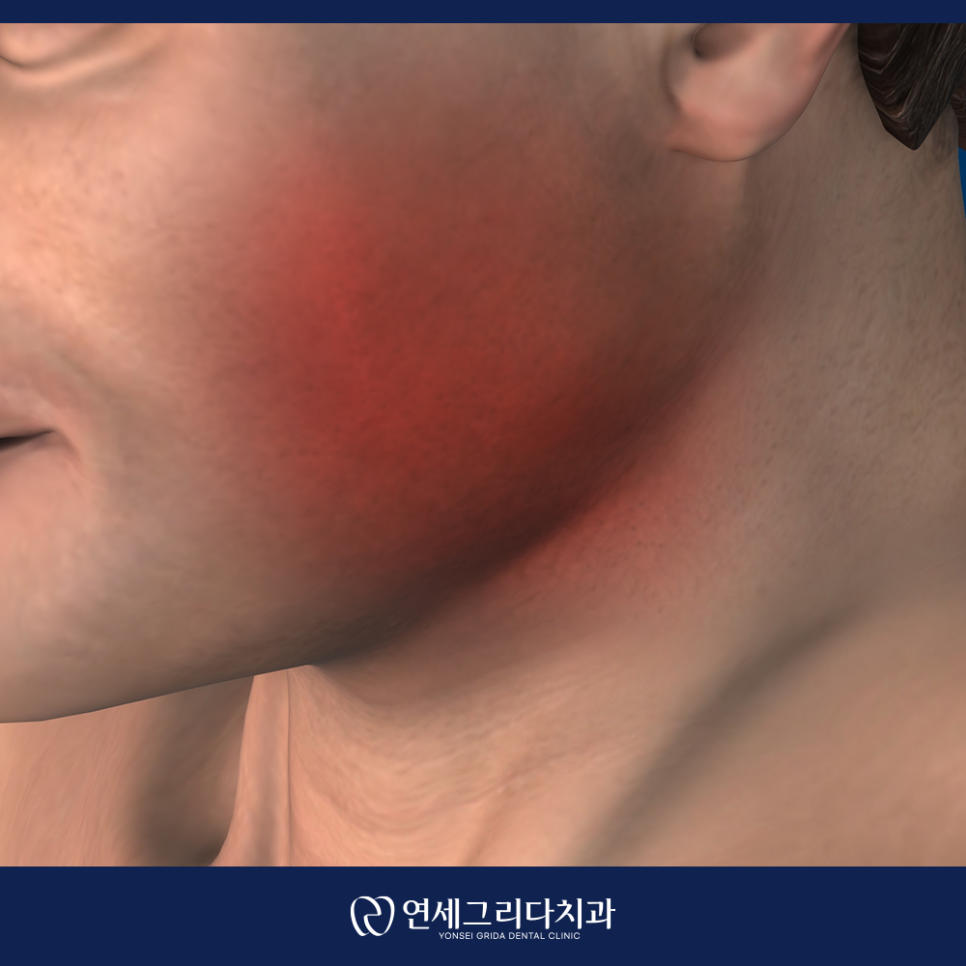
The temporomandibular joint
is a structure in which the teeth, bite, chewing muscles,
and daily habits are interconnected in complex ways.
Therefore, rather than looking only at the area of pain,
it is necessary to examine together
why stress has developed in the jaw,
whether there is a problem with the way the teeth come together,
whether there is a habit of grinding or clenching,
and whether jaw movement is stable.
Mild symptoms do not always
resolve on their own,
and for recurring discomfort,
it is advisable to identify the cause
through an examination.
Temporomandibular joint treatment provided at a dental clinic
is a comprehensive approach that considers not only pain relief,
but also the restoration of jaw function,
protection of the teeth,
bite stabilization,
and prevention of recurrence.