Yeomchang Station scaling: Is it okay if it bleeds?
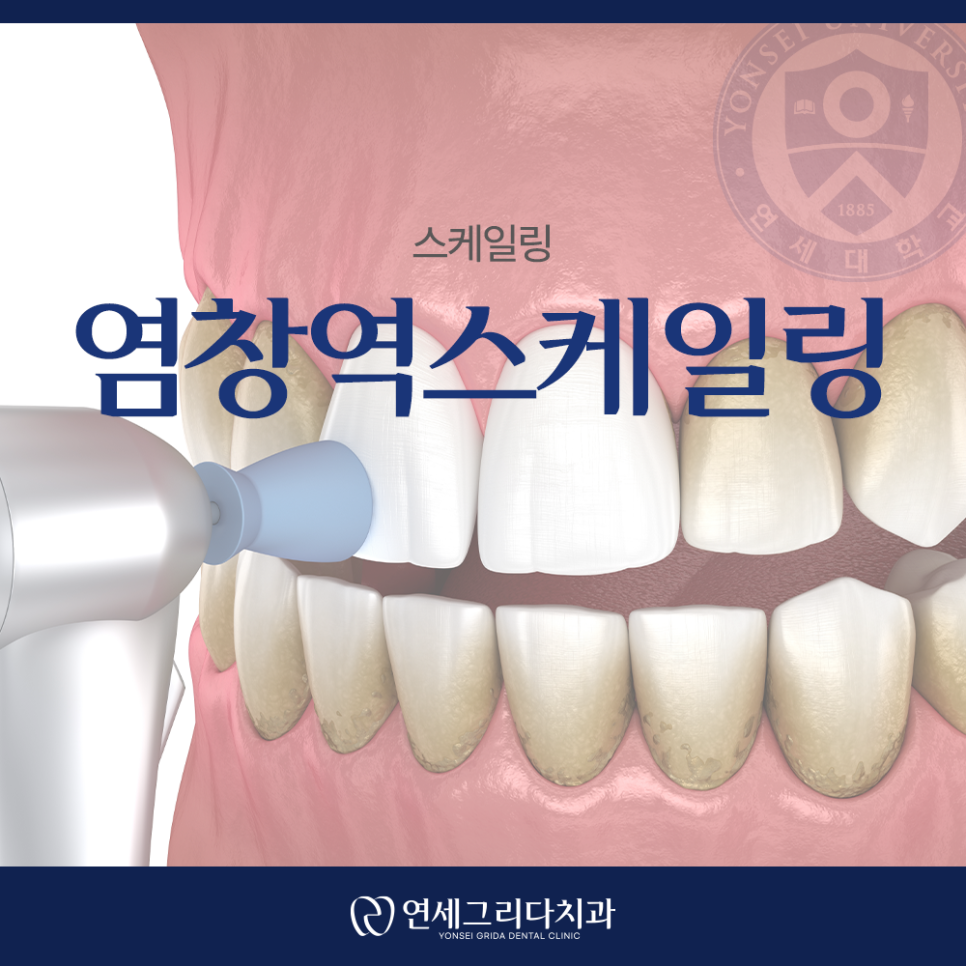
Many people worry,
“Could my gums be damaged?”
when they notice bleeding during scaling.
Some people even postpone treatment because of bleeding or tooth sensitivity after tartar removal.
But to give you the conclusion first,
bleeding during scaling is usually a sign that gum inflammation was already present.
It is not necessarily a dangerous situation,
but it should not be taken lightly.
Why does bleeding occur?
Healthy gums do not bleed easily
even when exposed to stimulation from brushing or scaling.
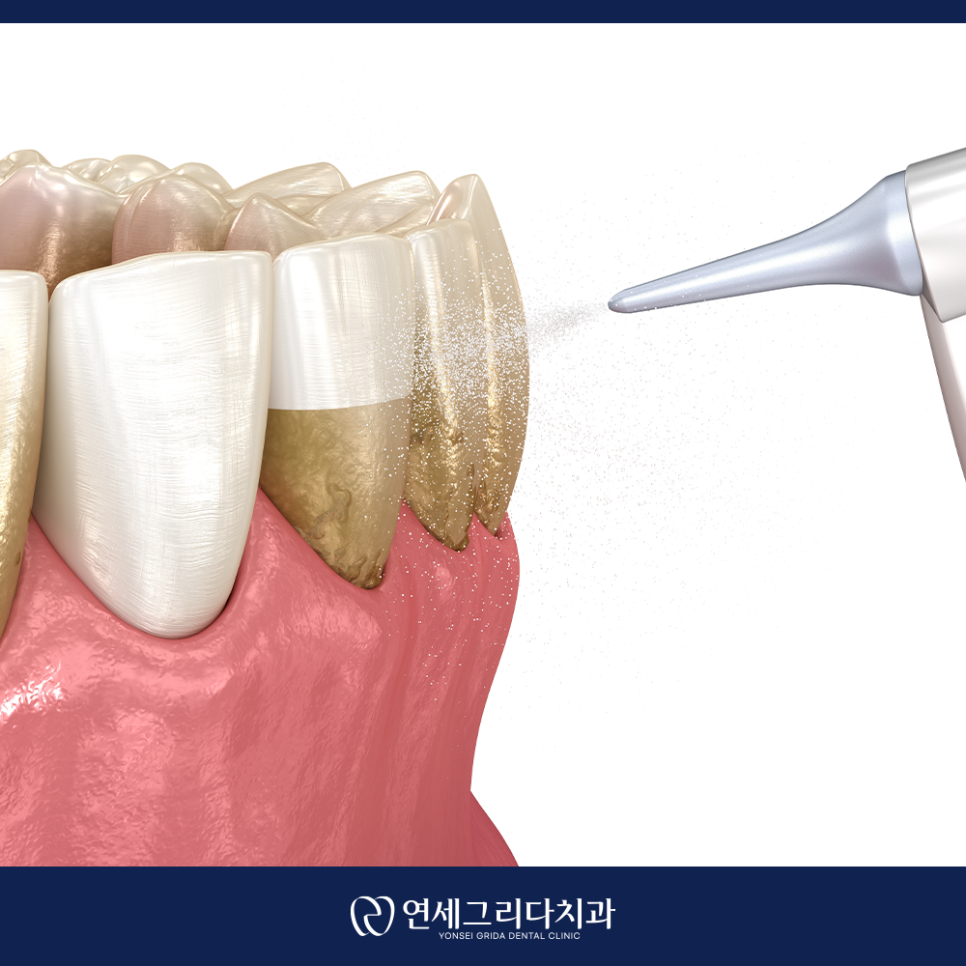
On the other hand, when tartar builds up between the teeth and gums for a long time,
bacterial plaque irritates the gums.
During this process, the blood vessels inside the gums expand,
and inflammation develops,
so even slight contact can cause bleeding.
In other words, if bleeding occurred during scaling at Yeomchang Station,
it is more likely that the gums were already swollen and weakened
rather than damaged by the scaling itself.
Should scaling be stopped if there is bleeding?
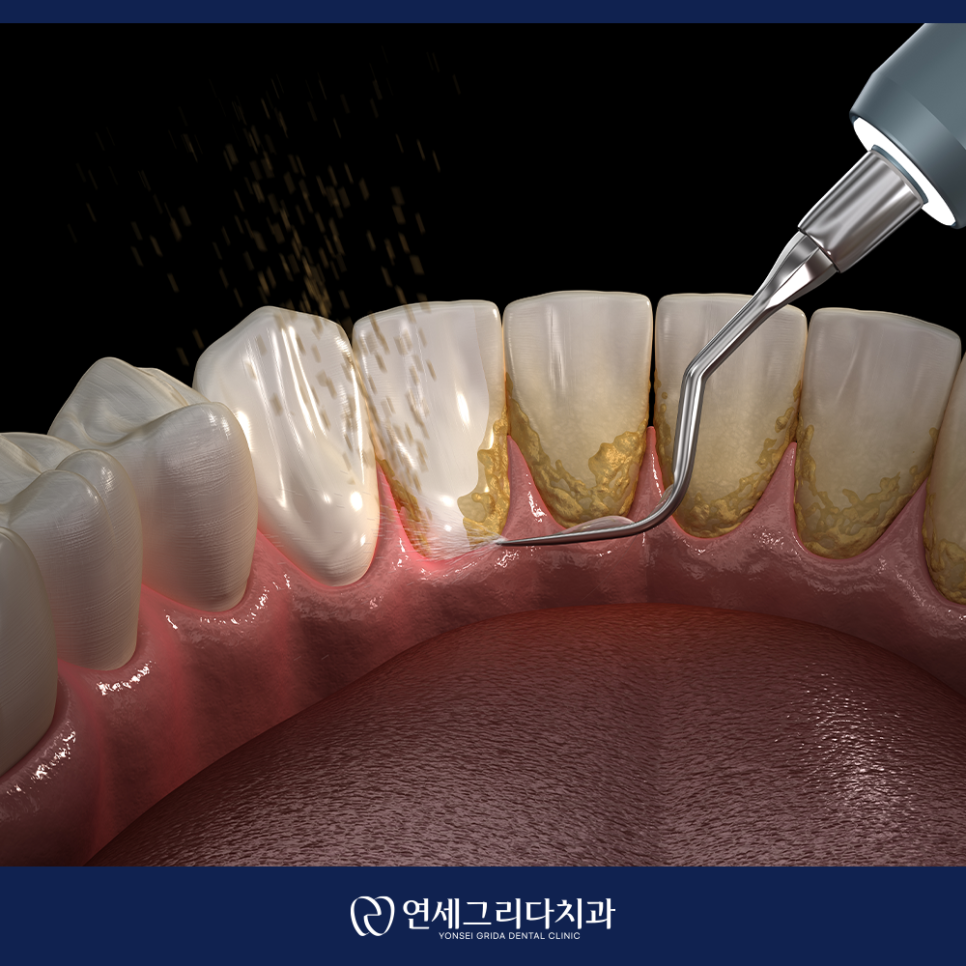
Bleeding does not necessarily mean that scaling should be stopped immediately.
In fact, if tartar and bacterial plaque are not removed,
inflammation may continue to progress.
In the early stage of gingivitis,
gum bleeding often decreases with scaling and proper brushing care alone.
However, if there is heavy bleeding
or if it is accompanied by gum pain, pus, or loose teeth,
a periodontal examination may be necessary.
Can bleeding continue after scaling?
For a day or two after scaling at Yeomchang Station,
a small amount of blood may appear when brushing.
This may be a temporary reaction
that occurs as inflamed gums recover.
However, if bleeding continues for more than three days
or repeatedly occurs in a specific area,
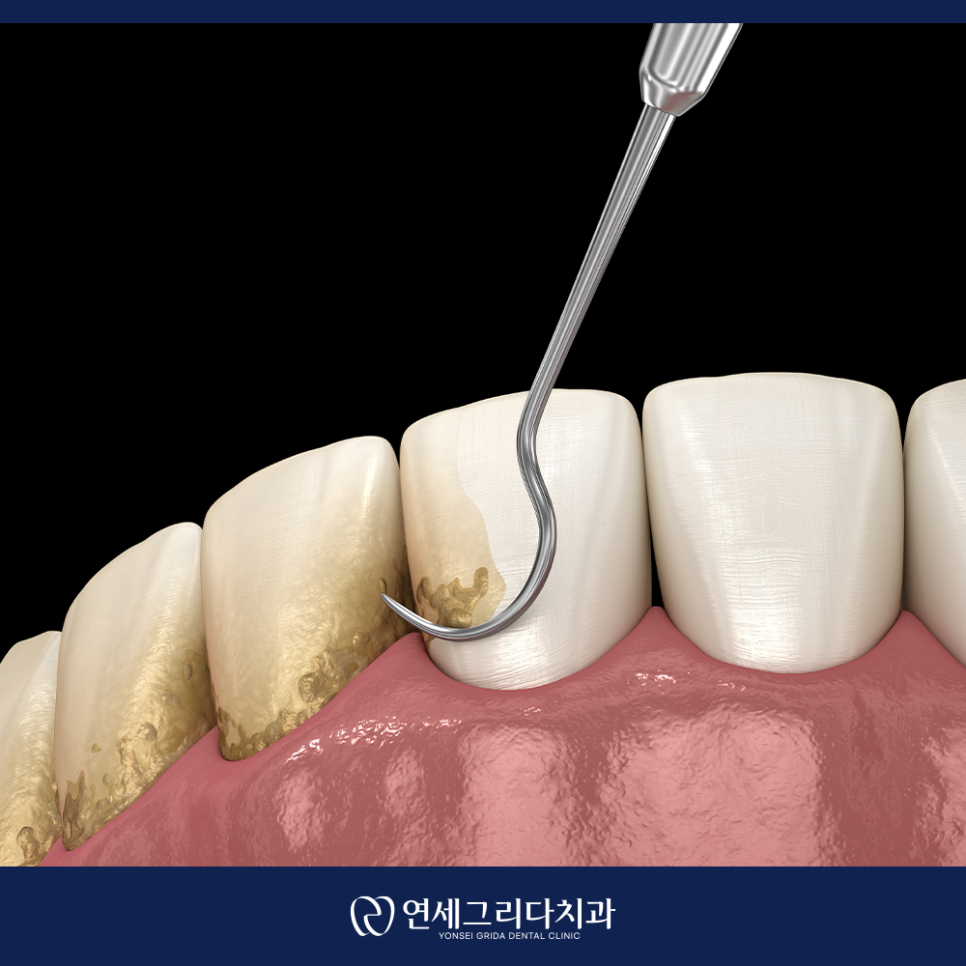
tartar may remain deep below the gumline,
or inflammation may have progressed into the periodontal pocket.
In this case, it is advisable to check for periodontitis
through measurements of gum depth,
X-rays, and other examinations.
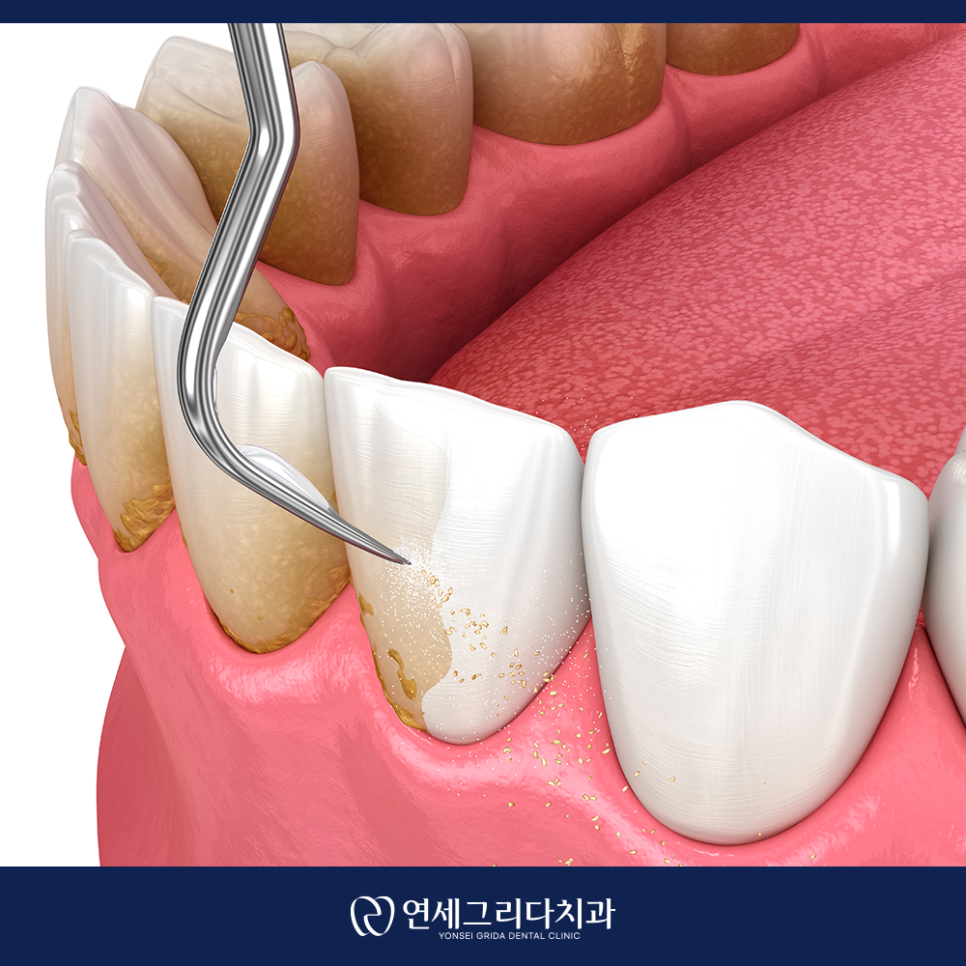
Care precautions after scaling
On the day of scaling,
it is best to avoid foods that are excessively hot or irritating.
Because the gums are sensitive,
rather than brushing forcefully,
you should carefully clean along the gumline
with a soft toothbrush.
If there are wide spaces between the teeth
or food frequently gets stuck,
using dental floss or an interdental brush is also necessary.
If you experience tooth sensitivity after scaling at Yeomchang Station,
it is usually temporary.
However, if the tooth roots are exposed
or there is tooth wear,
sensitivity may last longer,
so it is advisable to seek dental care.
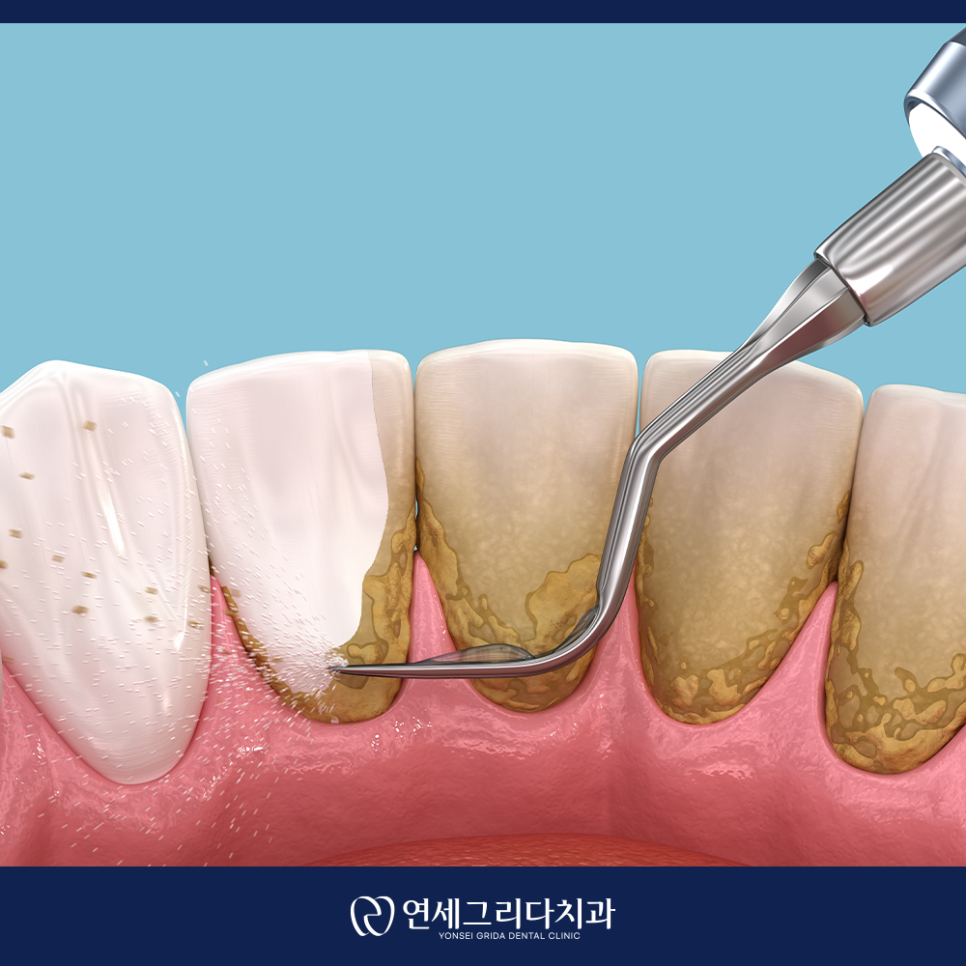
Why regular scaling is important
Scaling is not simply a treatment
that makes the teeth look whiter.
It is a basic dental treatment
that removes tartar and bacterial plaque,
helps prevent gum disease,
and helps preserve the teeth for a long time.
The more likely you are to experience bleeding from the gums,
the more important it is to have your current gum condition properly assessed.
Regular scaling is generally recommended
once every six months to one year.
However, people who develop tartar easily
or experience recurring gum inflammation
may need care every three to six months.
If you are considering scaling at Yeomchang Station,
rather than being alarmed solely by the presence of bleeding,
it is important to receive a proper diagnosis of the cause of the gum inflammation.
If you do not overlook this minor bleeding and manage it appropriately,
you can help prevent it from progressing to periodontitis
and maintain healthy teeth for a long time.