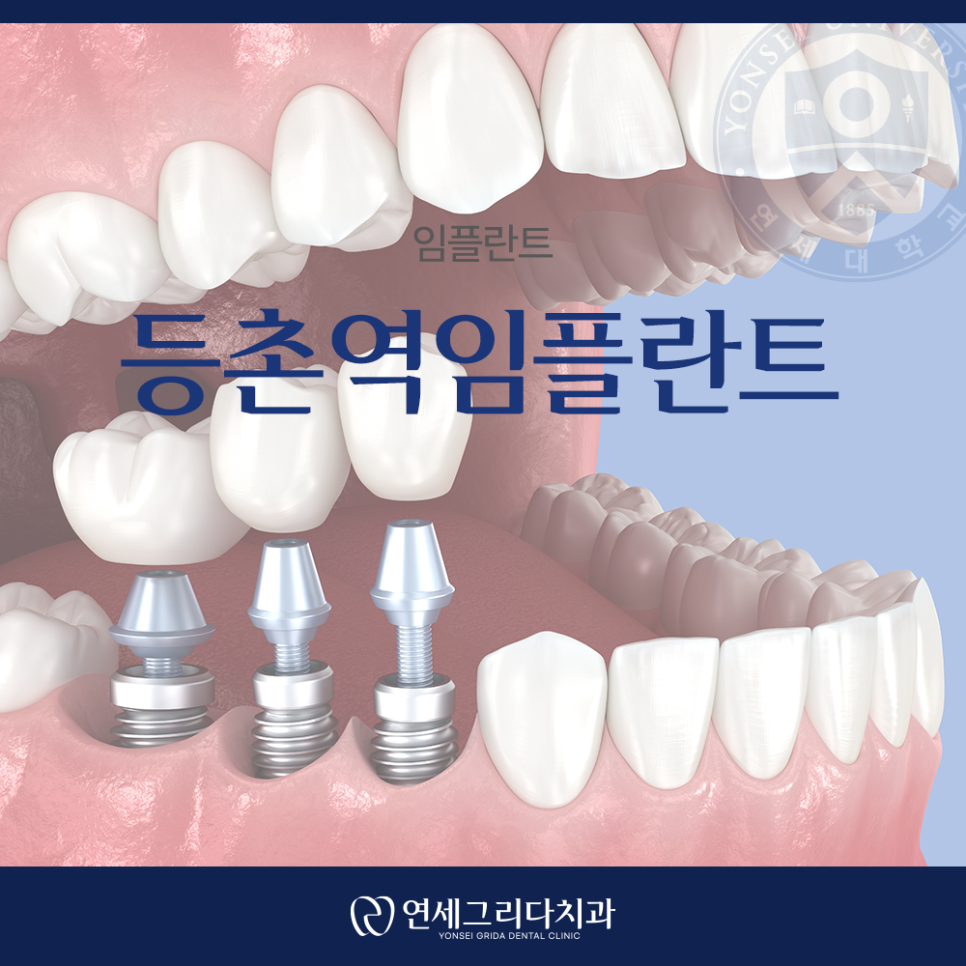
When a tooth is lost,
it can lead to more than just an empty space.
Chewing force, pronunciation,
and even facial balance
may gradually change.
In particular, if the space left by a missing tooth is left untreated for a long time,
neighboring teeth may tilt,
the bite may become disrupted,
and the jawbone may be resorbed.
Therefore, for those considering Deungchon Station dental implants,
we recommend that an accurate diagnosis suited to your oral condition come first,
rather than simply pursuing fast implant placement.
Today, Yonsei Geurida will explain
how Deungchon Station dental implants
can be used for a long time
while looking and functioning like natural teeth.
Implant Position and Angle Are Important
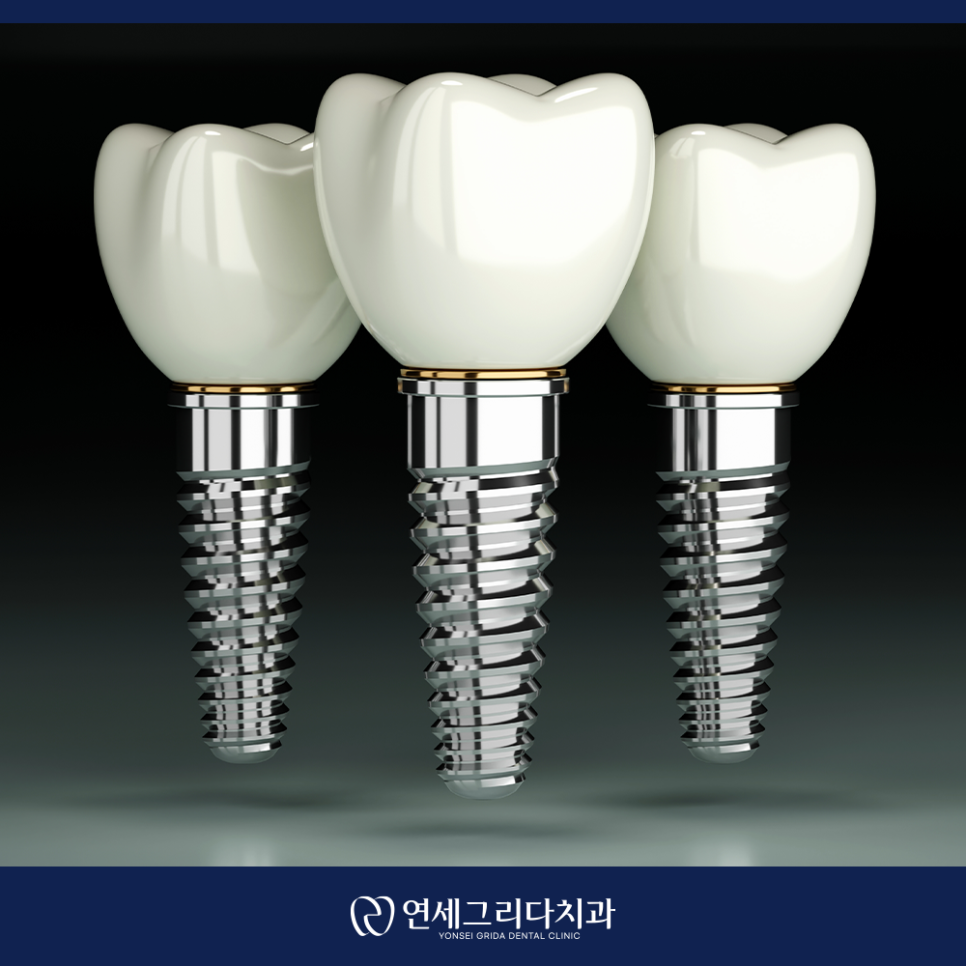
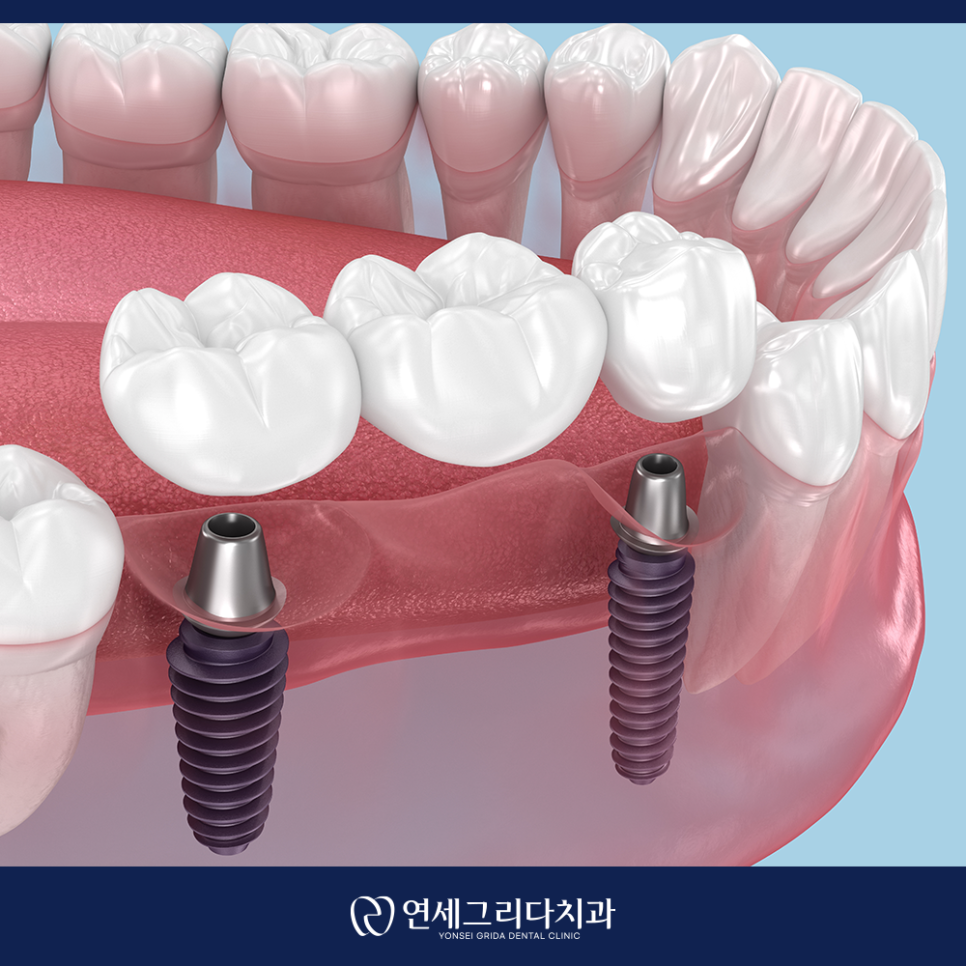
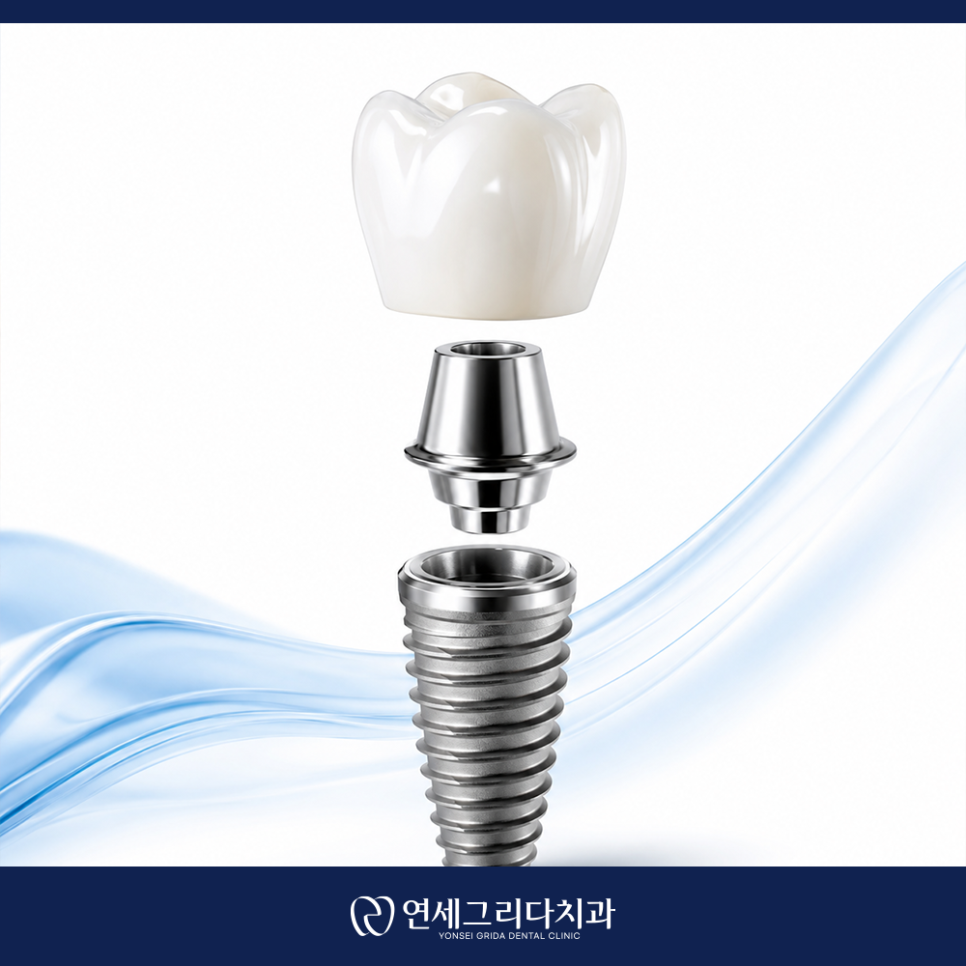
Implant treatment involves placing
an artificial tooth root in the jawbone
and attaching a prosthesis above it.
Although the visible shape of the tooth is important,
for long-term use,
the position and angle that allow it to remain stable
within the bone are even more important.
Because strong chewing forces are transferred to molars,
even a slight error in the placement direction
can lead to loose screws, prosthesis fractures,
or gum inflammation.
Before Deungchon Station dental implant treatment,
3D CT imaging should be used
to carefully examine the height and width of the jawbone,
the location of nerves,
and the condition of surrounding teeth.
The Treatment Plan Depends on the Condition of the Jawbone
People who have left missing teeth untreated for a long time
or have had periodontal disease
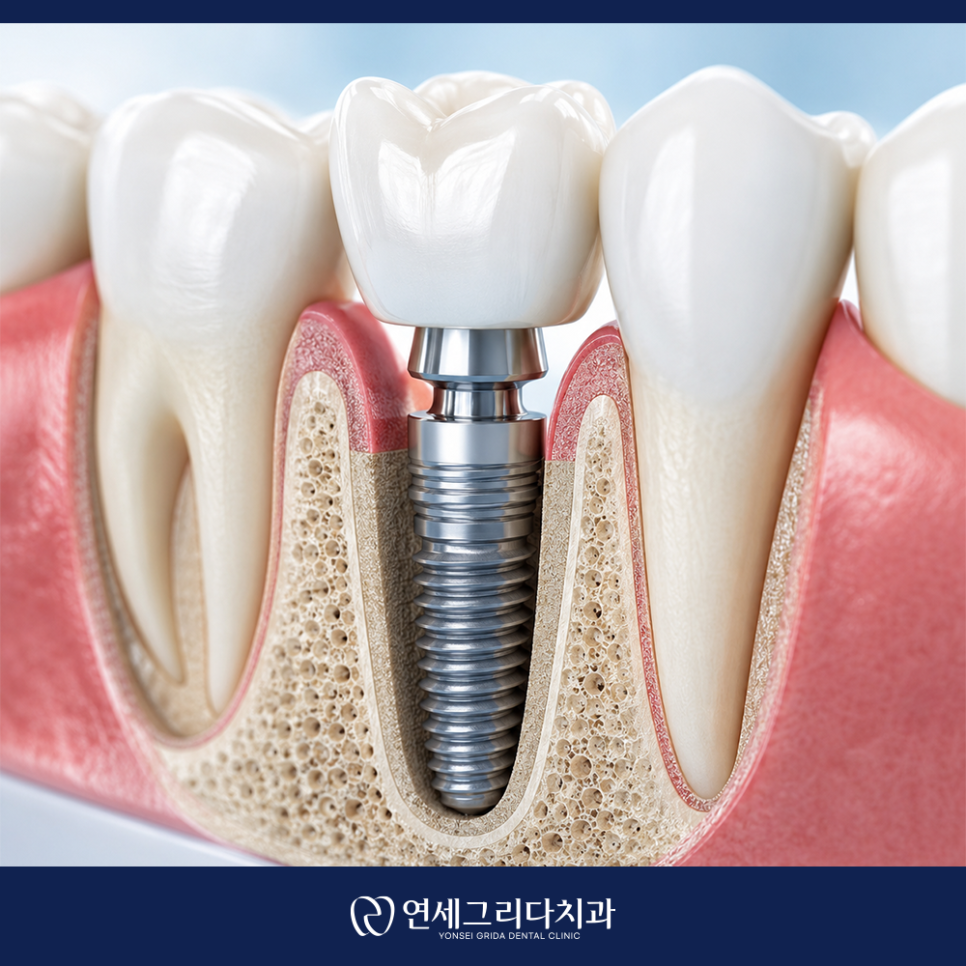
often have insufficient jawbone.
If an implant is placed forcefully in this condition,
initial stability may be reduced,
which can also negatively affect
the process of achieving stable integration.
When necessary, supportive treatments
such as bone grafting or sinus lift surgery
may be used to first create a foundation
where the implant can become firmly established.
Because the amount of bone, gum condition,
systemic diseases, and smoking status
differ from patient to patient,
the treatment period and sequence
may vary for each individual.
Prosthetic Design Is Needed for a Natural Appearance
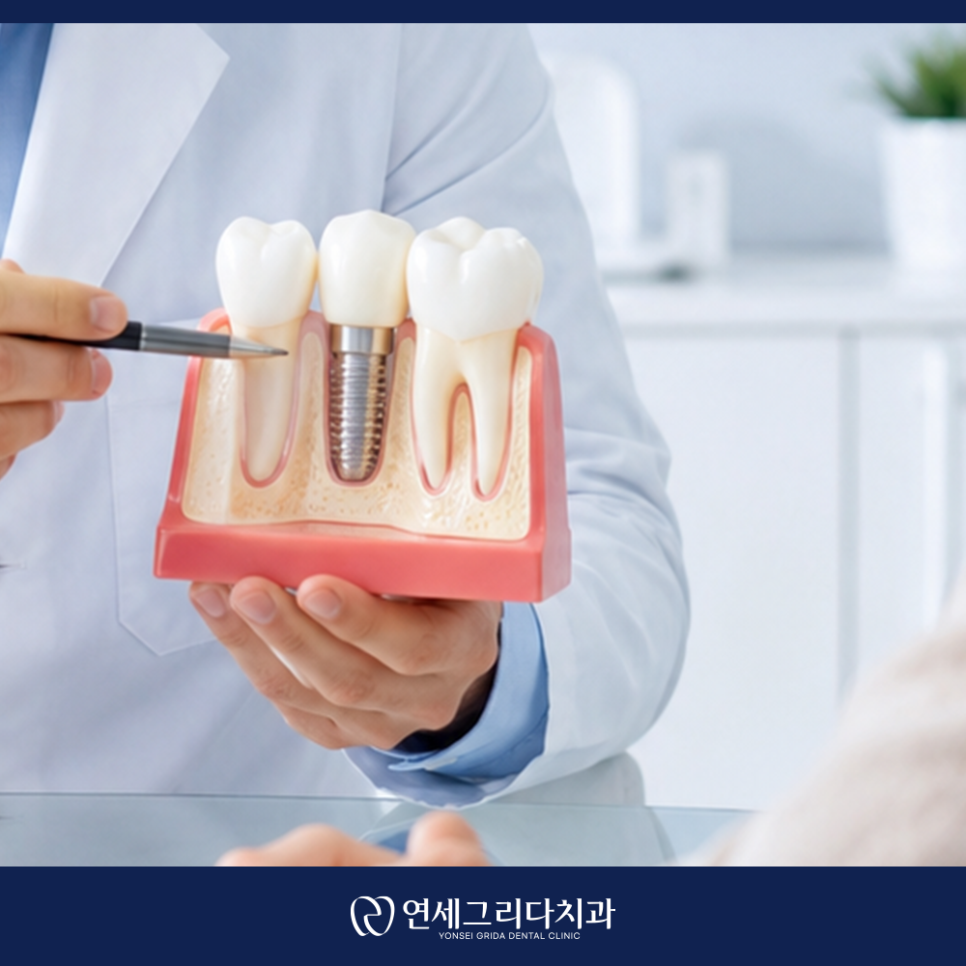
For an implant to feel natural,
the design of the prosthesis placed above it
is just as important as the implant fixture itself.
The tooth’s height, width, and color,
the gum line, and the force of the bite
must be adjusted carefully
so that discomfort while eating is minimized
and the implant harmonizes with the surrounding teeth.
Because aesthetics are important for front teeth
while chewing function is important for molars,
the prosthesis should be planned differently
according to the characteristics of each area.
During a Deungchon Station dental implant consultation,
rather than checking only the number of implants and the cost,
it is also advisable to determine whether
a prosthetic plan suited to your tooth alignment and bite
can be developed.
Postoperative Care Determines Service Life
Implants do not develop cavities,
but they are not free from gum inflammation.
If food becomes trapped around the implant
and plaque builds up,
peri-implantitis may develop.
Because it often causes little pain in its early stages,
it can be difficult to notice.
However, as the inflammation progresses,
the jawbone may be damaged
and the implant may become loose.
Therefore, in addition to brushing,
interdental brushes, dental floss, and oral irrigators
should be used according to your oral condition.
It is also important to have regular checkups
to periodically examine changes in the bite,
loose screws, prosthesis wear,
and signs of gum inflammation.
Long-Lasting Implants Begin with Diagnosis
Implant treatment
is not a procedure that ends once the implant is placed.
It is a long-term treatment
that continues through placement, healing, prosthetic restoration,
and aftercare.
Therefore, if you are planning Deungchon Station dental implants,
the condition of the jawbone, the number of implants needed,
the prosthetic method, and the bite
should be assessed first.
In particular, if you grind your teeth,
clench your teeth,
or have a habit of chewing only on one side,
excessive force may be transferred to the implant,
so bite adjustment may be necessary before and after treatment.
In addition, if you have diabetes,
take medication for osteoporosis,
or have a history of gum disease,
the possibility of surgery and the healing process
should be evaluated more carefully.
Ultimately, long-lasting implants
can be expected to provide satisfactory results
when accurate diagnosis, a carefully considered surgical plan,
personalized prosthetics,
and regular care are carried out together.
Even if you have no pain,
regular checkups can help detect small problems early
by monitoring changes in the surrounding gums and bone.