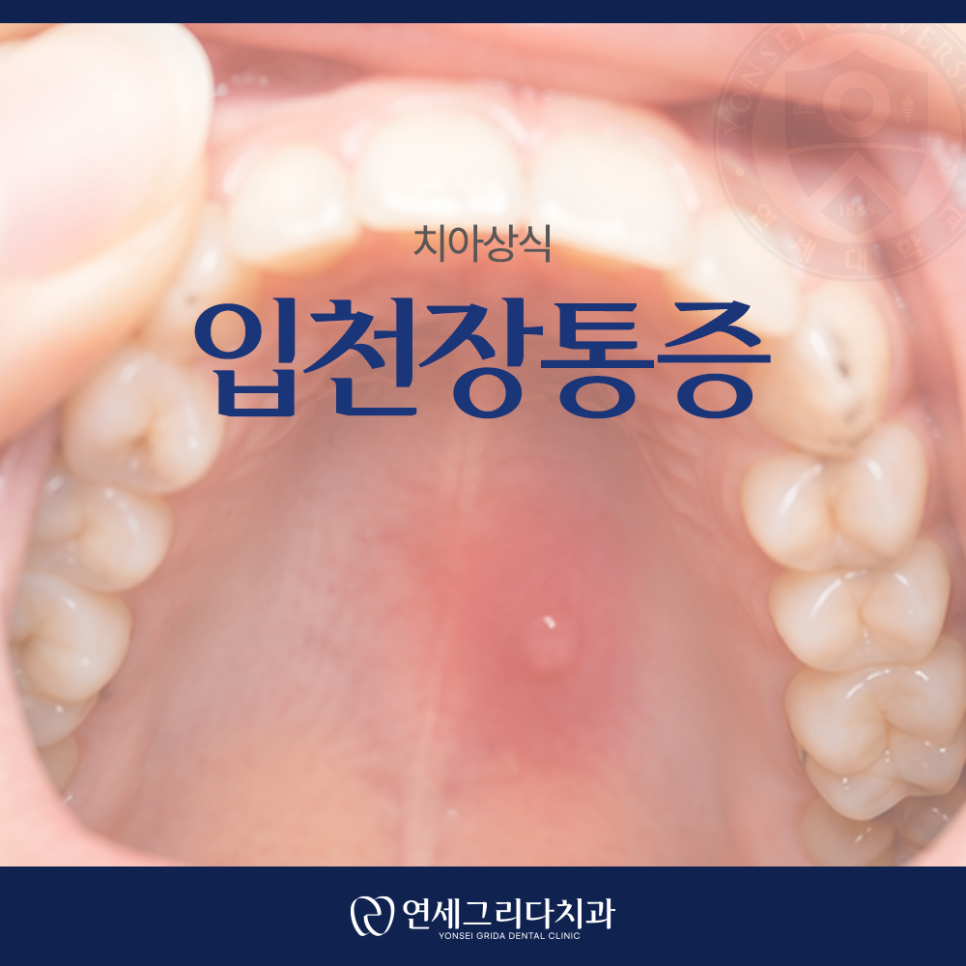
After consuming hot food or drinks,
anyone may have experienced a stinging or burning sensation in the roof of the mouth at least once.
In most cases, this symptom is caused by minor damage to the mucous membrane and can heal naturally within a few days.
However, if pain in the roof of the mouth persists for a long time or repeatedly occurs in the same area,
it should not be dismissed as a simple injury.
The roof of the mouth is an area that comes into direct contact with food,
so pain can result not only from burns or trauma,
but also from various causes such as inflammation, infection, and dental problems.
What causes pain in the roof of the mouth?
The most common cause is a burn from hot soup or coffee.
✔️The mucous membrane may also become injured after being scratched by hard, sharp foods such as crackers or nuts.
✔️When fatigue and stress accumulate or you are not getting enough sleep,
canker sores may develop,
causing pain in the roof of the mouth.
✔️Other possible causes include oral candidiasis caused by fungi,
viral infections, allergic reactions, and inflammation of the salivary glands.
✔️If inflammation develops around the root of an upper molar,
swelling or pain may occur toward the roof of the mouth,
so it is a good idea to check the condition of your teeth as well.
What if these symptoms appear?
Minor injuries or burns often improve
after about a week has passed.
However, if pain in the roof of the mouth
continues for more than two weeks
or gradually worsens, an examination is needed.
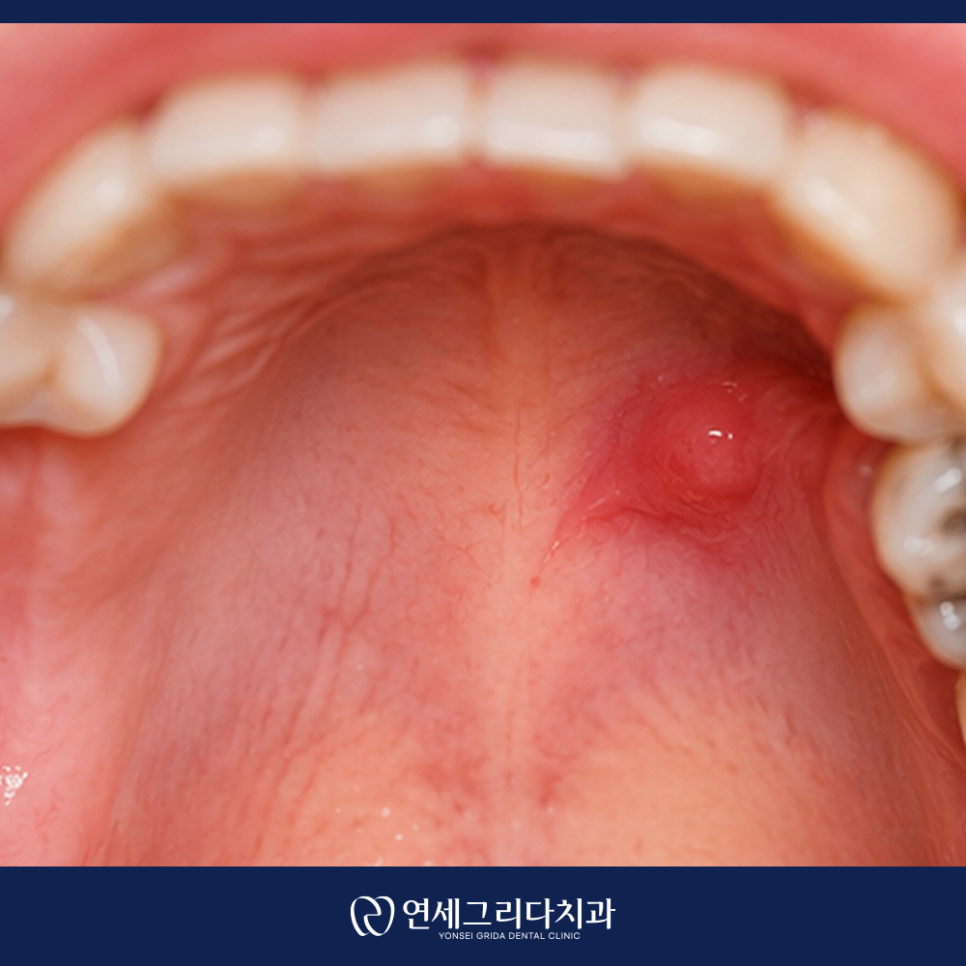
You should pay close attention if there is swelling, pus, or bleeding along with the pain,
if red spots or white lesions are found,
if it is difficult to swallow food,
or if bad breath has become severe.
In particular, if only one side of the roof of the mouth is swollen
or you feel pain when chewing food,
inflammation or an abscess at the root of a tooth
may be the cause.
Since it is difficult to determine the cause based on symptoms alone,
it is important to have the condition properly checked at a dental clinic through an oral examination and radiographic imaging.
How should you manage the pain?
If you have pain in the roof of your mouth,
avoid spicy, salty, or hot foods
and eat soft, lukewarm foods instead.
✔️If you repeatedly touch the painful area with your tongue or fingers,
repeated irritation may delay recovery.
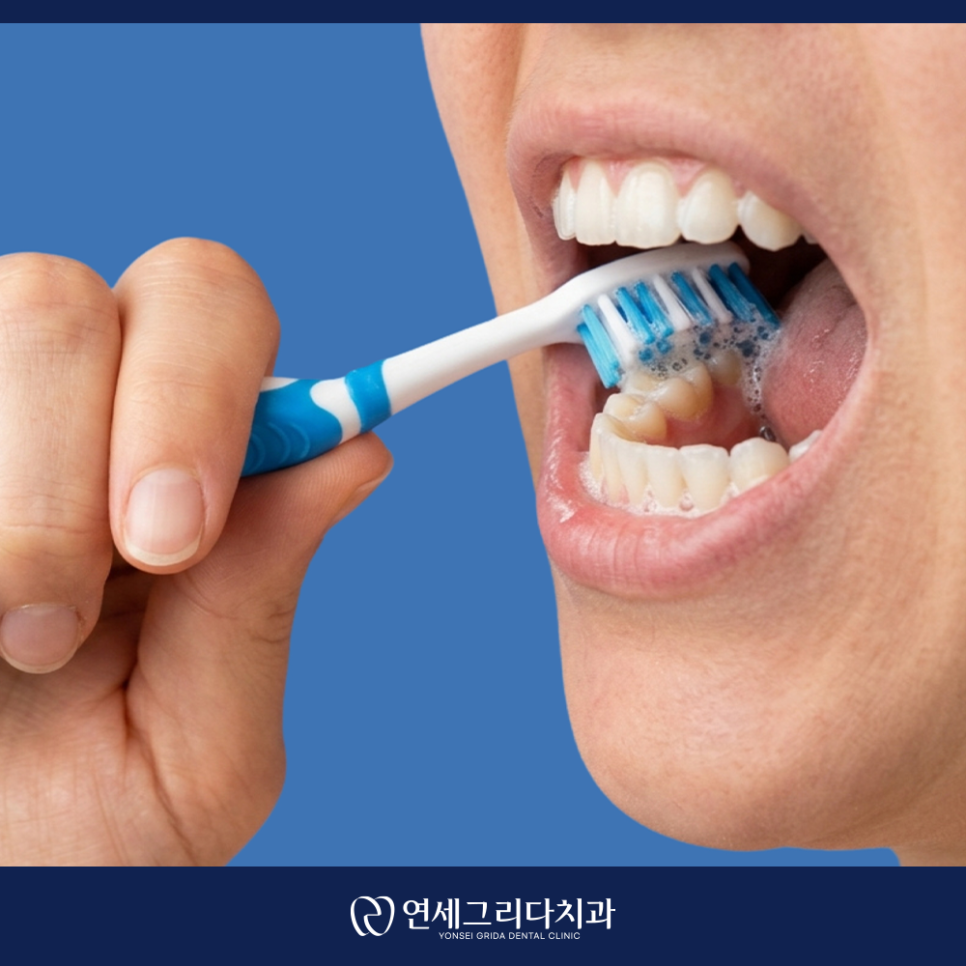
✔️Continue brushing your teeth as usual,
but avoid brushing the painful area too forcefully.
✔️Smoking and drinking alcohol can also irritate the oral mucous membrane
and interfere with recovery,
so it is recommended that you avoid them until your symptoms improve.
✔️Sufficient hydration and rest can also help the mucous membrane recover, so please keep this in mind.

What if the symptoms keep recurring?
Pain in the roof of the mouth is usually caused by mild irritation,
but if the symptoms recur or persist for a long time,
they may be a sign of an oral disease.
In particular, inflammation at the root of a tooth may initially cause little pain,
and in some cases is only discovered after the roof of the mouth has swollen and pus has developed.
If treatment is delayed,
the inflammation may worsen,
and root canal treatment or additional procedures
may be needed.
Therefore, if the pain does not subside easily
or repeatedly occurs in the same area,
do not leave it untreated.
Have your oral condition checked
and receive treatment as needed.