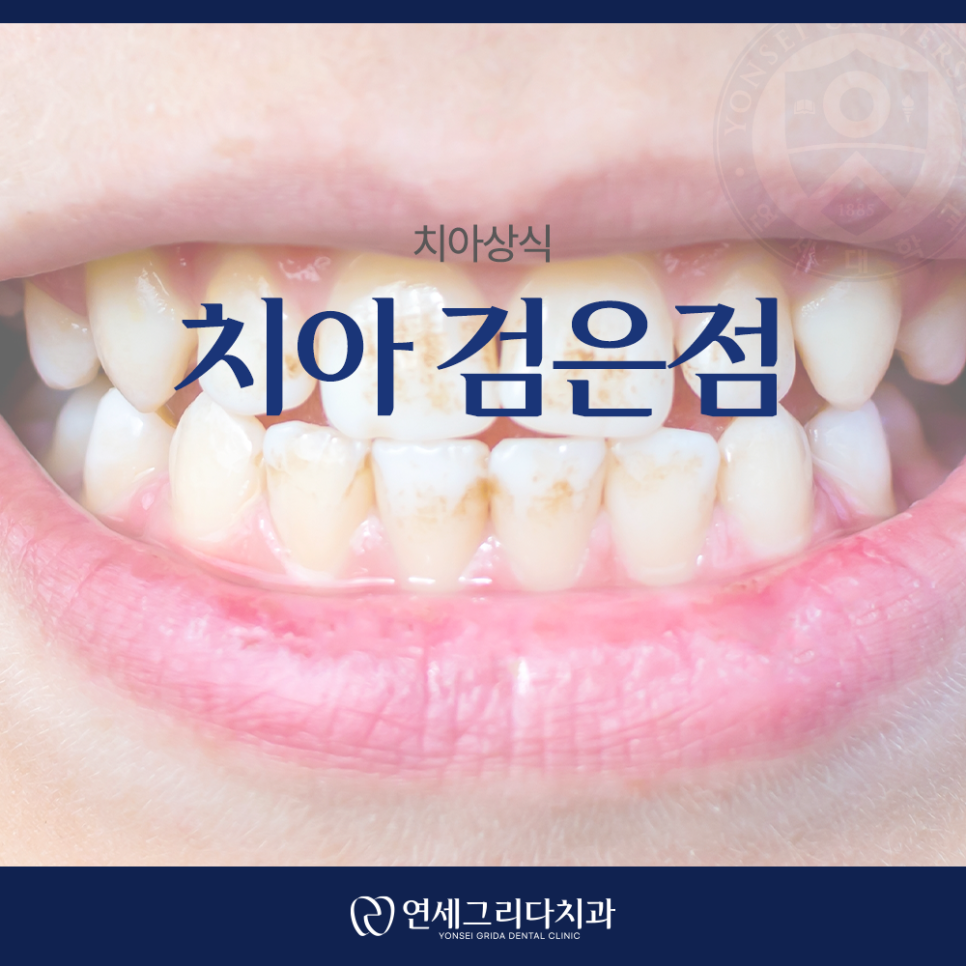
While looking in the mirror, if you notice
a small black spot on the surface of a tooth,
most people immediately start worrying about a cavity.
However, the presence of a black spot on a tooth
does not necessarily mean that it is a cavity.
It could simply be staining caused by pigments from
coffee, tea, or cigarettes that have accumulated
on the tooth surface or in the grooves of a molar,
but it could also be a cavity caused by tissue damage.
Staining and cavities may look similar on the surface,
but they require different forms of care,
so it is important to have the condition checked by a dentist.
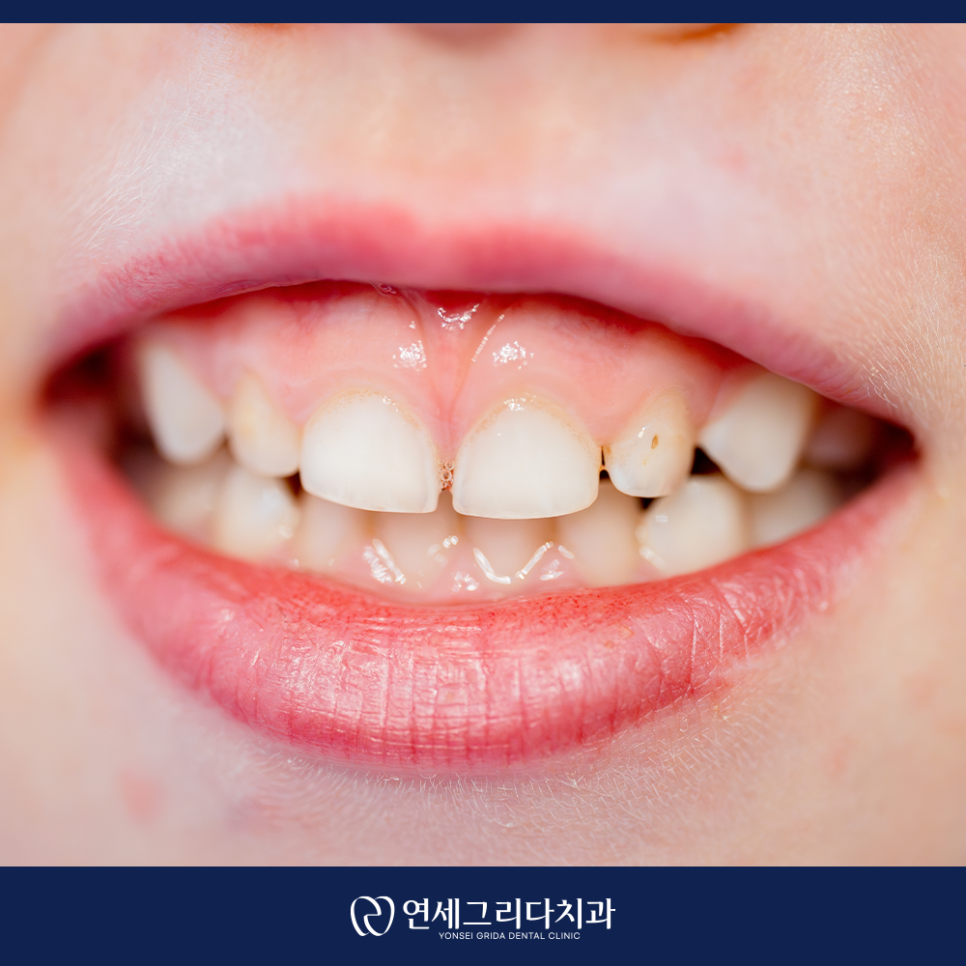
Why do black spots appear on teeth?
Black spots on teeth are often found on the chewing surfaces of molars,
between the teeth, or near the gums.
The surfaces of molars in particular
contain narrow, deep grooves
for crushing food into smaller pieces.
Because toothbrush bristles have difficulty
reaching these grooves properly,
they are areas where food particles and plaque
can easily remain.
If you frequently consume strongly pigmented foods
such as coffee, black tea, green tea, or curry,
or if you smoke,
pigments can accumulate in the grooves
and appear as black lines or spots.
On the other hand, when bacteria in the mouth
break down sugar and produce acids that weaken the teeth,
a cavity may develop and cause the area to turn black.
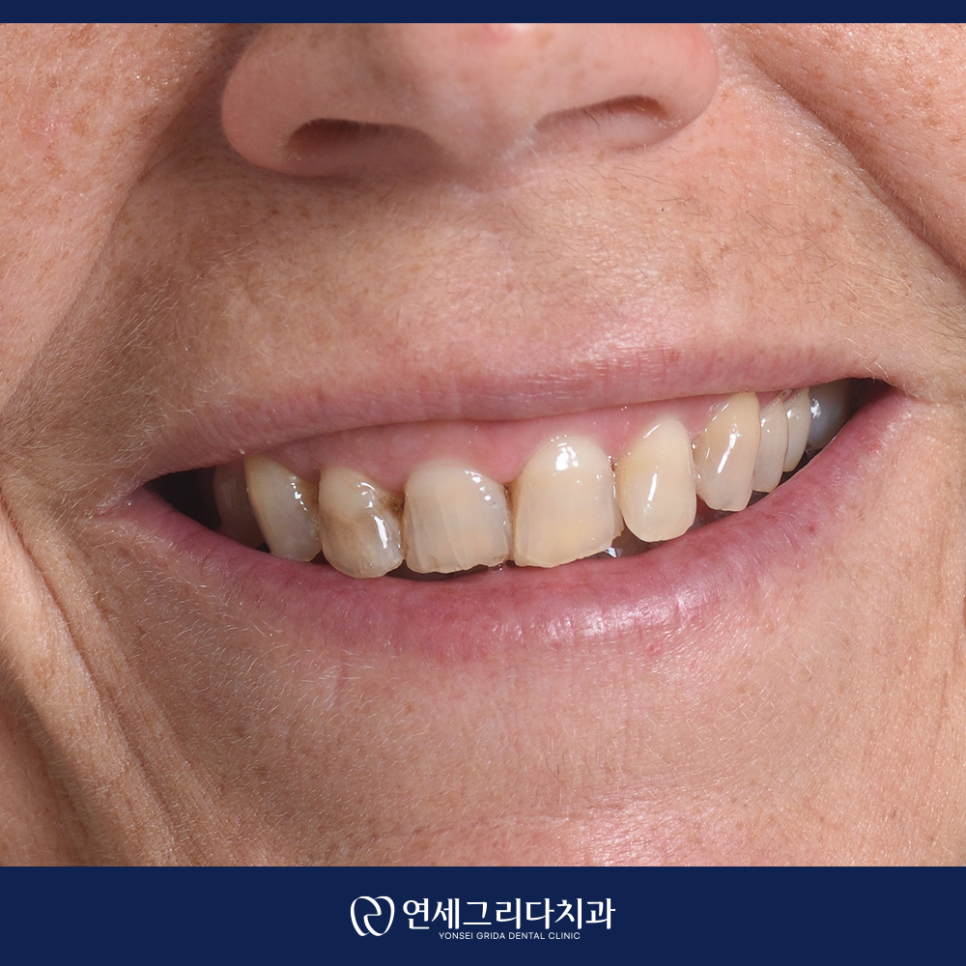
What are the characteristics of staining?
If staining is the cause,
the tooth tissue has not been damaged;
rather, pigments have adhered to the surface.
In most cases, when the black area is touched,
the surface remains hard,
and there is often no particular pain
even when consuming cold or sweet foods.
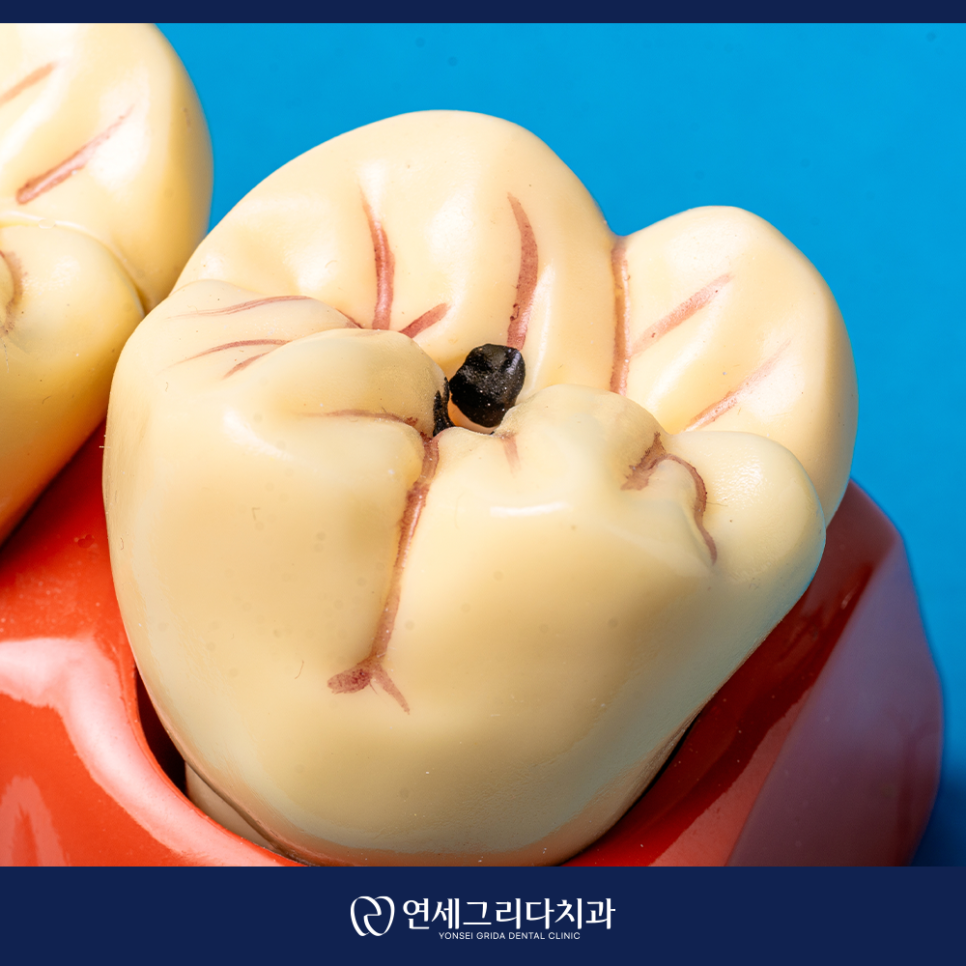
If a black line is visible along the grooves of a molar
or similar discoloration appears on several teeth,
staining is more likely.
However, old staining
may not be removable through brushing alone.
At the dentist's office, the surface can be examined,
and the possibility of removing the staining
through scaling or professional tooth cleaning can be assessed.
However, early-stage cavities may also exist
beneath the staining,
so judging the condition by appearance alone is not recommended.
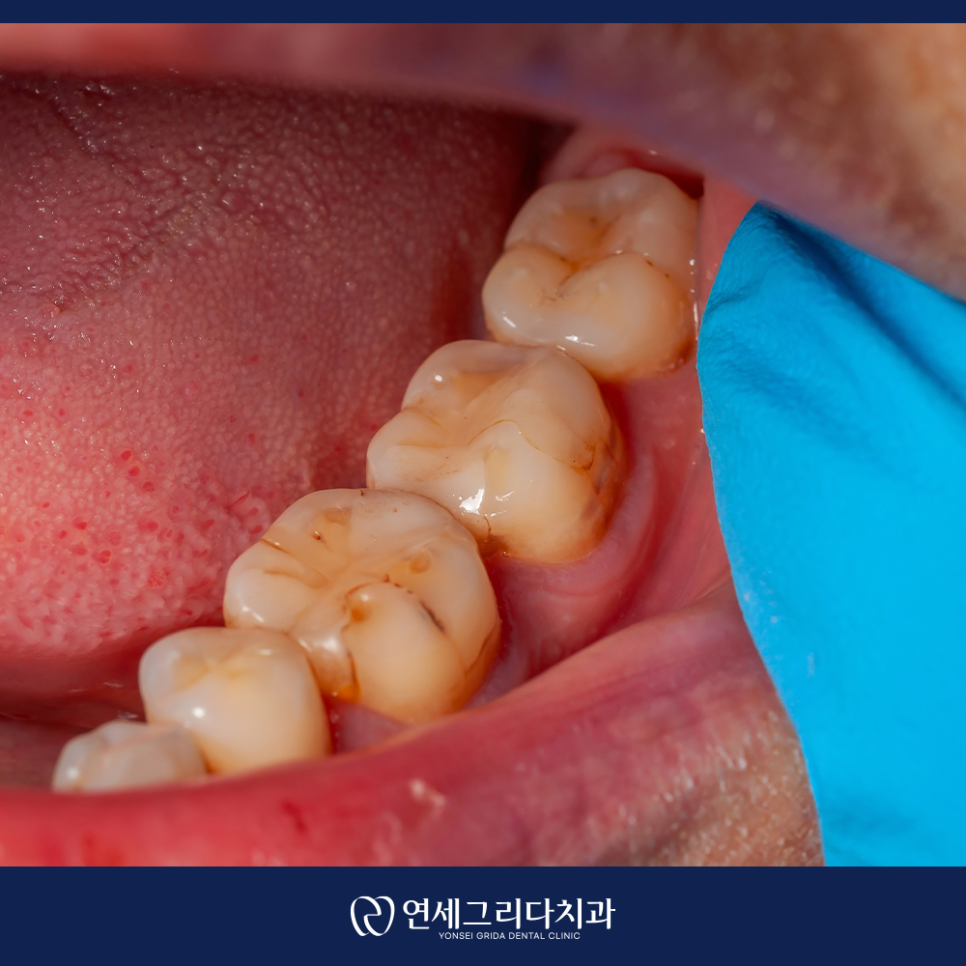
What if the black spot is caused by a cavity?
If a cavity is the cause,
it appears as the enamel that makes up the tooth surface weakens
and the underlying tissue becomes damaged.
Early cavities cause little to no pain
and often appear only as small brown or black spots.
As a cavity gradually progresses,
the surface may become rough or develop a small hole,
and food may begin to get stuck frequently.
If the damage extends deep into the dentin,
sensitivity may occur when consuming cold water or sweet foods,
and discomfort or pain may accompany eating.
However,
cavities often cause no noticeable symptoms
until they progress close to the nerve.
Therefore, you should not conclude that
you do not have a cavity simply because there is no pain.
How can staining and cavities be distinguished?
To determine the cause,
it is necessary to consider not only the color,
but also the location, extent,
the hardness of the surface, and the condition of the surrounding teeth.
At the dentist's office, instruments and a mirror can be used
to check whether the black area is hard
and whether there are any depressions in the tooth surface.
For areas that are difficult to see with the naked eye,
such as between the teeth,
X-rays can be used to check
whether a cavity has progressed inside the tooth.
If the size of the black spot has not changed for a long time
and the surface is hard,
it may be staining.
Conversely, if the black spot gradually becomes larger,
or if the surface is soft and food frequently gets stuck,
a cavity is more likely.

What should you do if you find a black spot on a tooth?
If you notice a black spot on a tooth,
you should not try to scrape it off
with your fingernail or a sharp tool,
or use a whitening product.
Scraping too aggressively
can cause microscopic damage to the tooth surface,
and if a cavity is present,
delaying treatment may allow
the area of damage to become larger.
If the spot is confirmed to be simple staining,
it can be managed through professional tooth cleaning or scaling.
However, if a cavity is found,
treatment such as a composite resin restoration or an inlay
may be considered depending on how far it has progressed.
With an early-stage cavity,
the damaged area is relatively small,
so treatment is more likely to preserve
more of the tooth structure.
If a new black spot appears,
or its size or color changes,
it is advisable to have the current condition checked by a dentist
even if there is no pain.