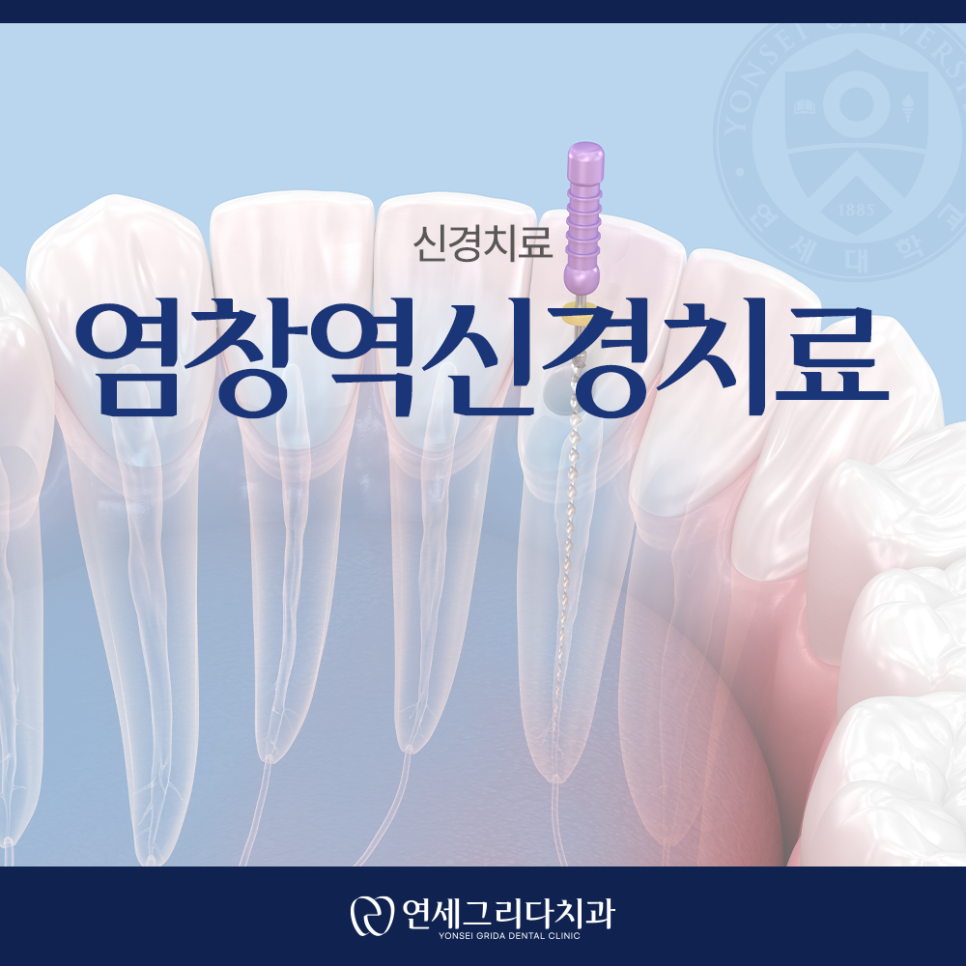
If your tooth throbs or
reacts sensitively to
cold water or hot food,
you may think it is
just a simple sensitivity symptom.
However, if the pain
continues for a long time even after
the stimulus is gone, or is severe enough
to make it difficult to sleep at night,
there may be inflammation
in the internal nerve tissue.
When considering Yeomchang Station root canal treatment,
rather than starting treatment
simply because there is pain,
it is important to identify
the actual cause correctly.
What Causes Pain?
One of the most common causes
of tooth pain is advanced tooth decay.
If decay progresses through the enamel and dentin
and reaches near the pulp,
the tooth may react sensitively
to cold or hot foods.
In the early stages, there may be
brief sensitivity only when stimulated,
but if the inflammation worsens,
the tooth may throb even when left alone,
and the pain may become more severe at night.
What Symptoms Indicate the Need for Root Canal Treatment?
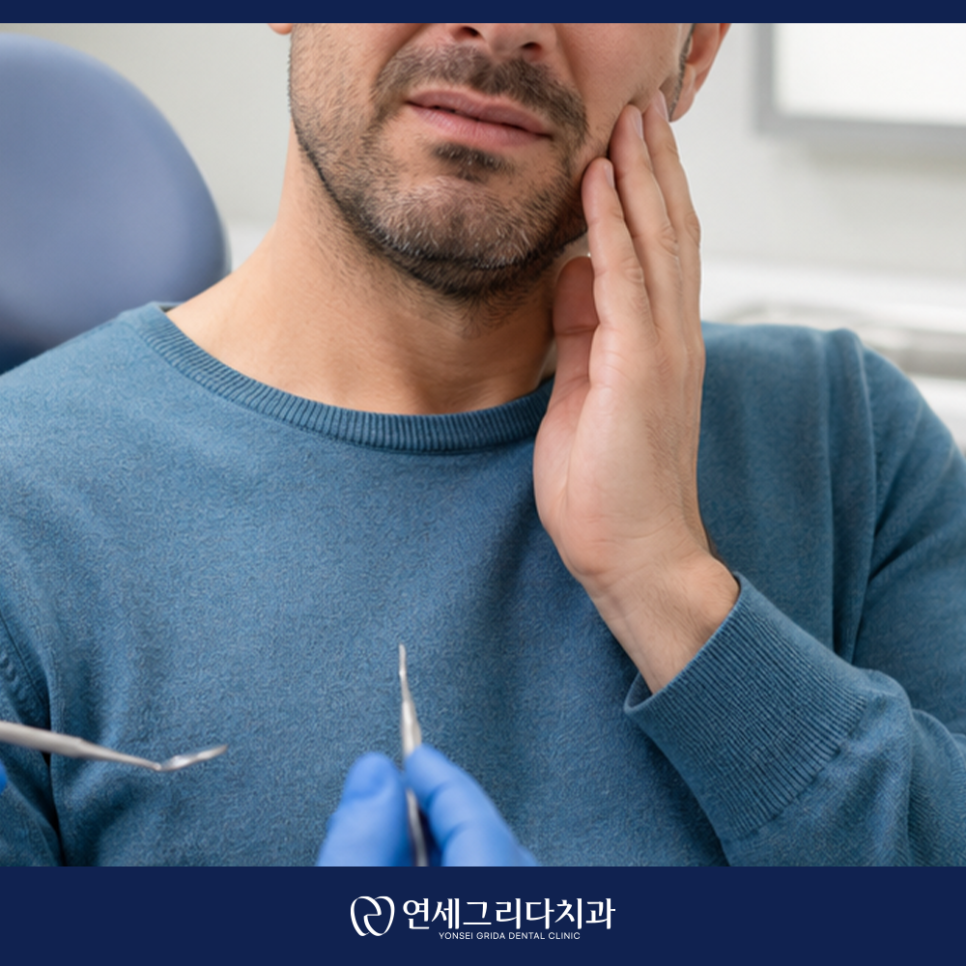
If discomfort remains for a long time
after pain is triggered by cold water or hot food,
or if the pain keeps recurring
even after taking pain medication,
pulp inflammation may be suspected.
If a particular tooth hurts when eating,
or if pain is felt even when the tooth
is lightly tapped,
the inflammation may have
progressed to the area around the root.
When the nerve becomes completely necrotic,
the pain may sometimes decrease,
but the inflammation can continue to spread
to the root tip and jawbone.
Therefore, even if the pain has gone away,
we recommend confirming through an examination
whether you are in a condition requiring
Yeomchang Station root canal treatment.
Why Is a Diagnosis Before Treatment Important?
Before root canal treatment,
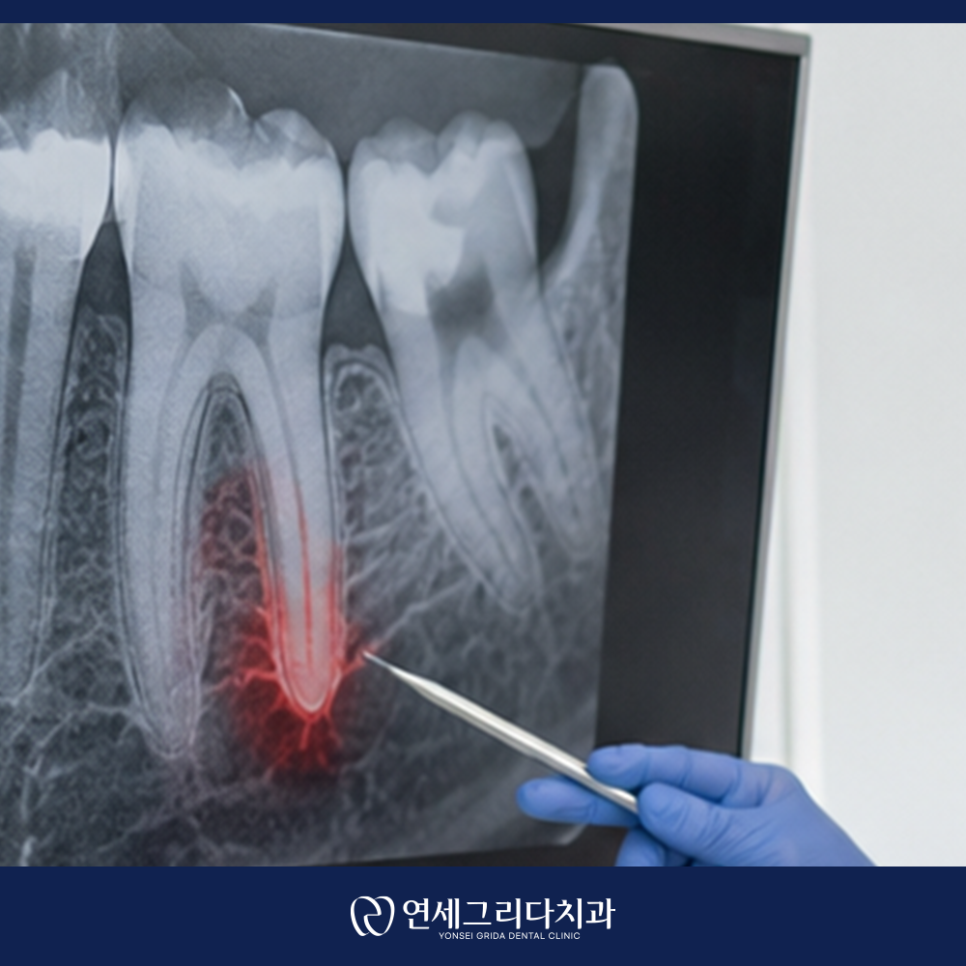
an oral examination and radiographs are used
to assess the depth of the decay,
the shape of the tooth roots,
and whether inflammation is present
at the root tip.
In some cases, the tooth causing the pain
may be different from the tooth
that is actually responsible for it.
In particular, molar pain may be caused
by a neighboring tooth or a sinus problem,
so judging only by the location of the pain
may result in inappropriate treatment.
The need for root canal treatment
should be determined after examining
the teeth, gums, and bite.
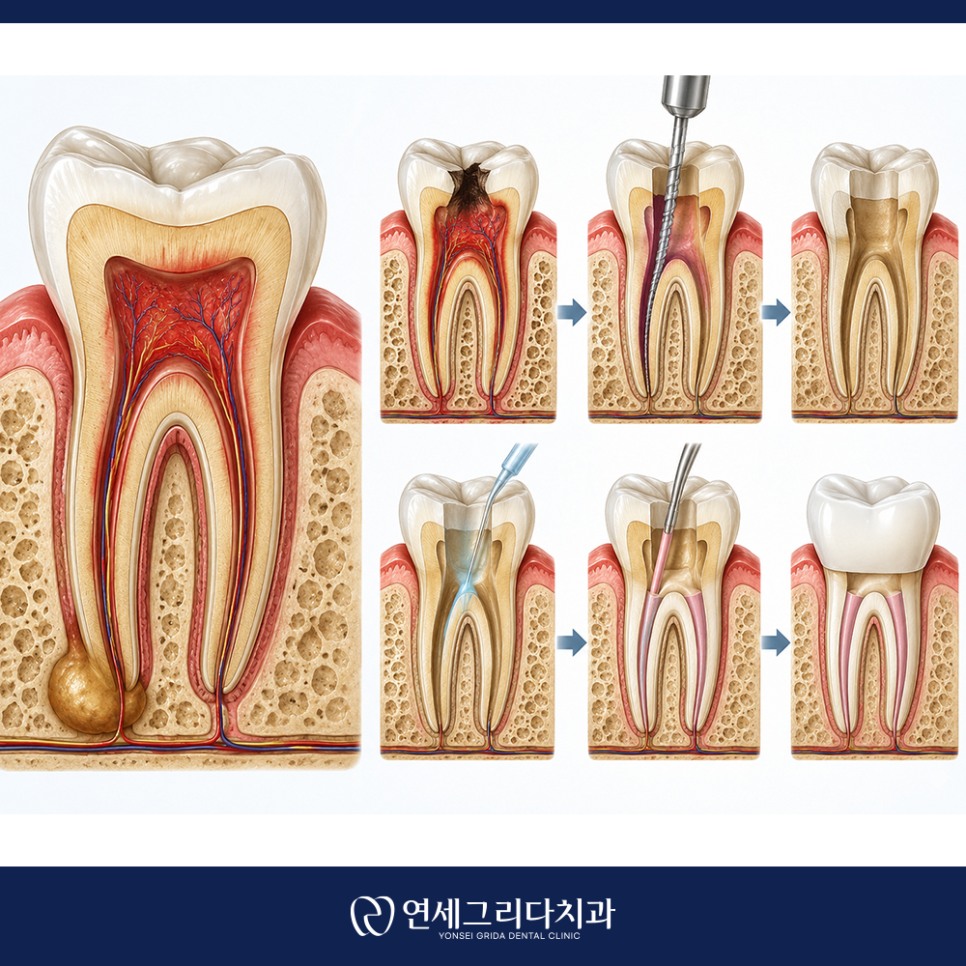
What Is the Root Canal Treatment Process?
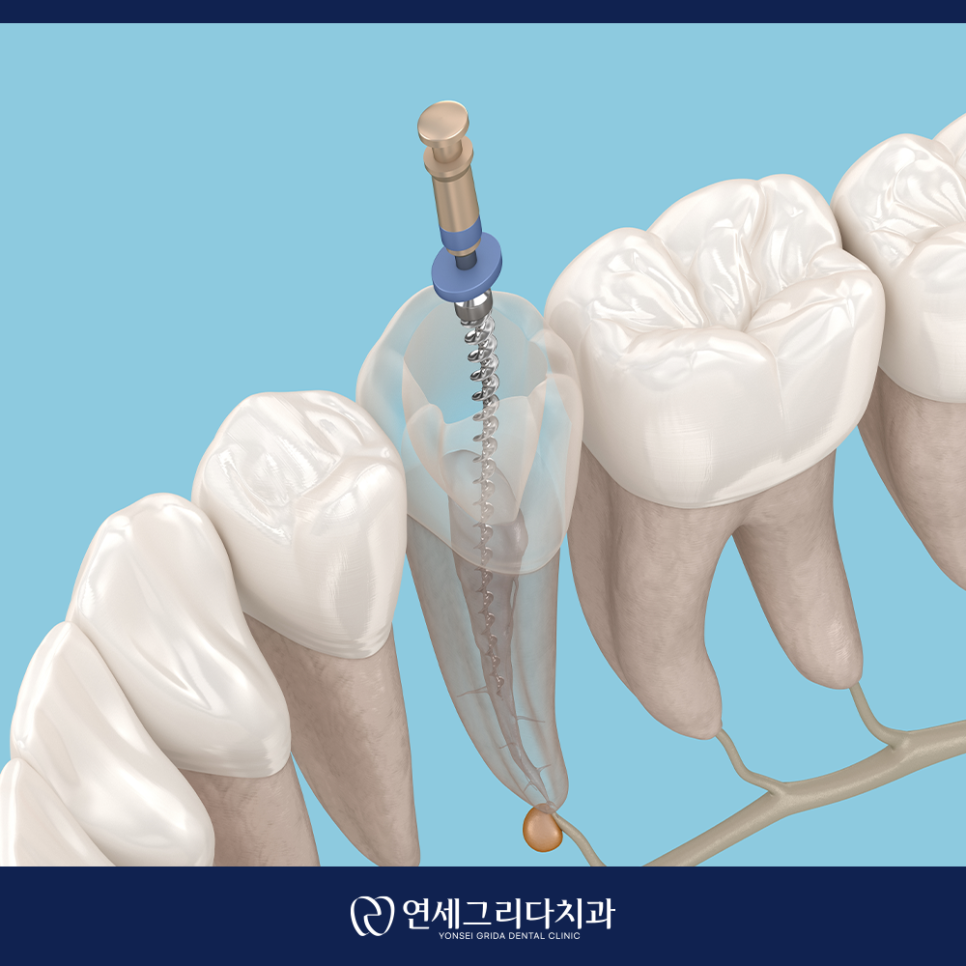
Root canal treatment involves accessing
the inside of the tooth after local anesthesia
and removing infected nerve tissue.
✅The narrow and complex canals
inside the tooth root are then cleaned,
and disinfected with an irrigation solution.
✅Depending on the condition of the inflammation,
temporary medication may be placed,
and treatment may be performed
over multiple appointments.
✅Once the inside of the canals is clean,
the empty space is filled with dental material
and sealed to prevent bacteria
from entering again.
A tooth that has undergone root canal treatment
may become structurally weaker,
which can increase the risk of fracture.
In particular, molars, which receive significant
chewing forces, are often protected
with restorative treatment such as a crown.
How Should You Care for Your Tooth After Treatment?
For several days after root canal treatment,
the tooth may feel sore,
or there may be discomfort when eating.
This usually improves over time,
but if the pain becomes severe
or the gums and face become swollen,
you should have the condition checked
at a dental clinic.
Even if the pain in daily life has decreased,
stopping treatment suddenly
may cause the inflammation to return,
so treatment should be completed.
After Yeomchang Station root canal treatment,
it is important to care for your teeth
using dental floss and an interdental brush,
and to regularly check the condition
of your teeth and restorations
through routine examinations.
Because tooth pain can have various causes,
please have your condition evaluated
through a dental examination
and then choose the appropriate treatment.