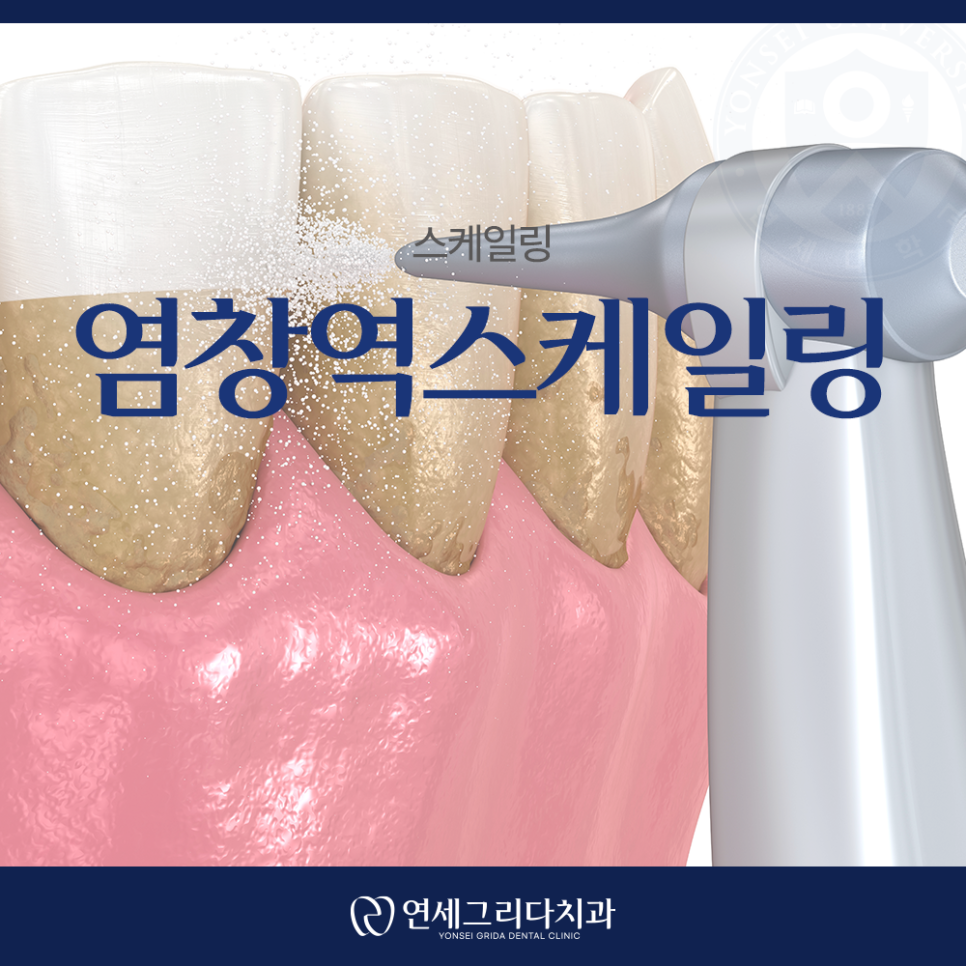
Even if you think you brush your teeth thoroughly,
plaque that has not been fully removed
may remain along the border between the teeth and gums.
When plaque hardens over time,
it turns into tartar, which is difficult to remove
easily with brushing alone.
If tartar continues to build up,
it may cause various discomforts,
such as swollen or bleeding gums
and worsening bad breath.
Therefore, even if you do not have any particular pain,
regularly checking your oral condition
and getting scaling when necessary
can help maintain gum health.
For those looking into Yeomchang Station dental scaling,
we will explain everything from why tartar forms
to when to receive care and what precautions to take.
Why does tartar form?
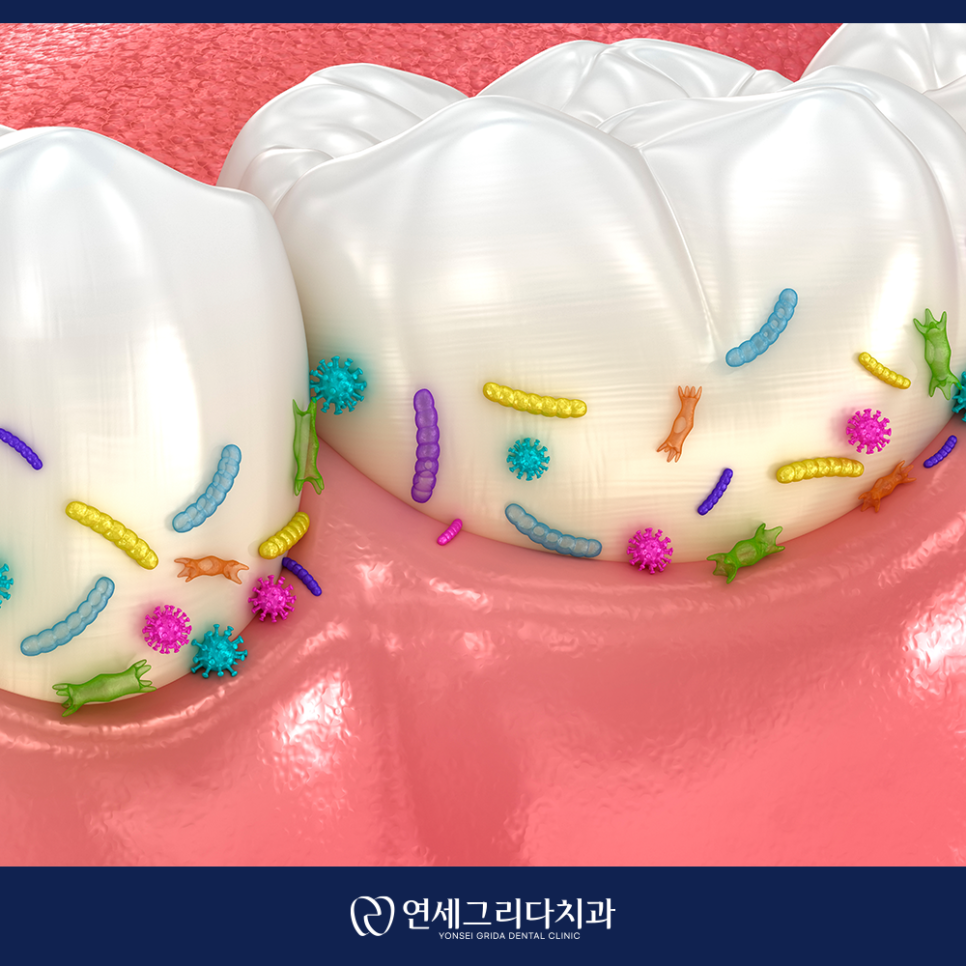
After eating, plaque made up of
bacteria and food particles
may form on the surface of the teeth.
Plaque can be removed to some extent
by brushing and flossing,
but it is likely to remain in areas
that are difficult for a toothbrush to reach,
such as between the teeth, along the gumline,
and the inner surfaces of the lower front teeth.
When this remaining plaque
combines with minerals in saliva
and hardens, it becomes tartar.
Once tartar has formed,
it is difficult to remove with regular brushing alone,
so professional care using specialized instruments
at a dental clinic may be necessary.
What problems can occur if tartar is left for a long time?
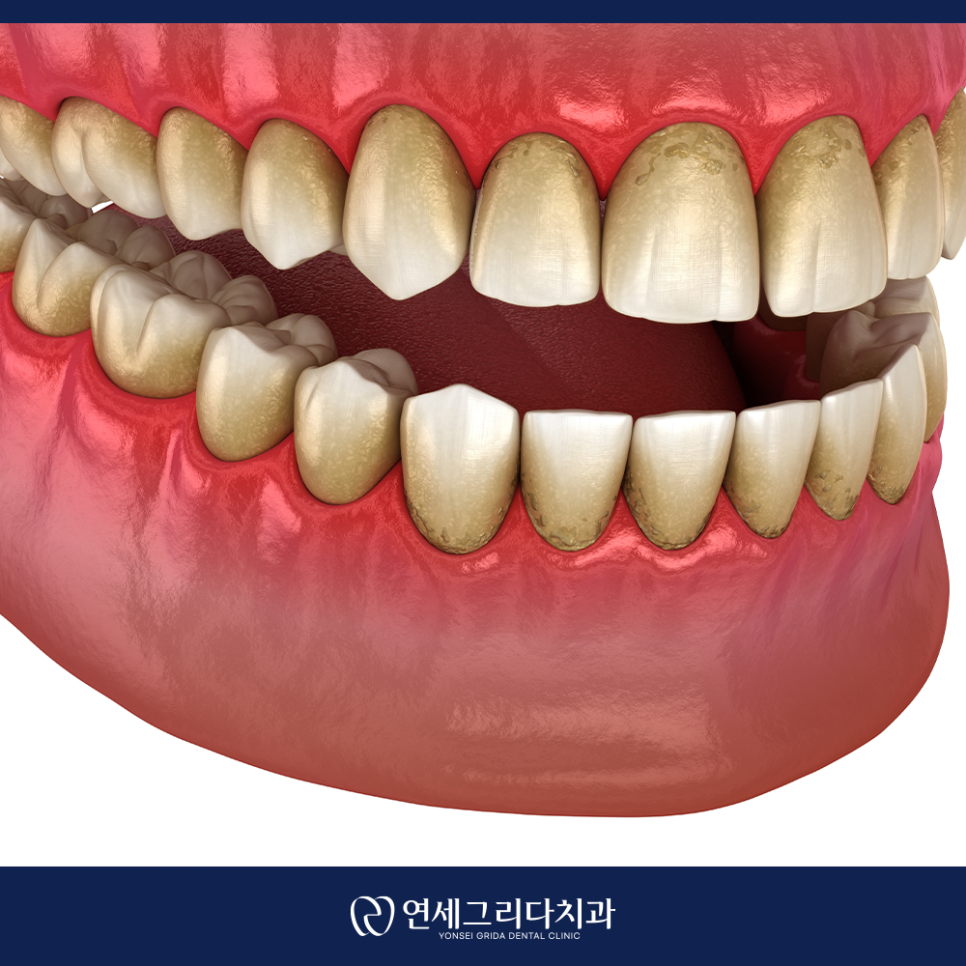
Tartar itself is a concern,
but it is also important to note
that its rough surface makes it easier
for new plaque to accumulate around it.
If bacterial deposits remain continuously
between the teeth and gums,
the gums may become red or swollen,
and bleeding may occur during brushing.
Because there may be little or no pain at first,
many people overlook the condition,
but if the inflammation deepens,
it can affect the gums and alveolar bone
that support the teeth.
Tartar does not form only
in areas that are visible.
Tartar located below the gumline
is difficult to identify with the naked eye.
Even if the outside appears clean,
an examination may be needed if gum bleeding
or swelling continues to recur.
Therefore, if you are considering scaling,
rather than receiving it only after discomfort develops,
it is better to check your condition
through regular examinations.
Should you get scaling only when you have pain?
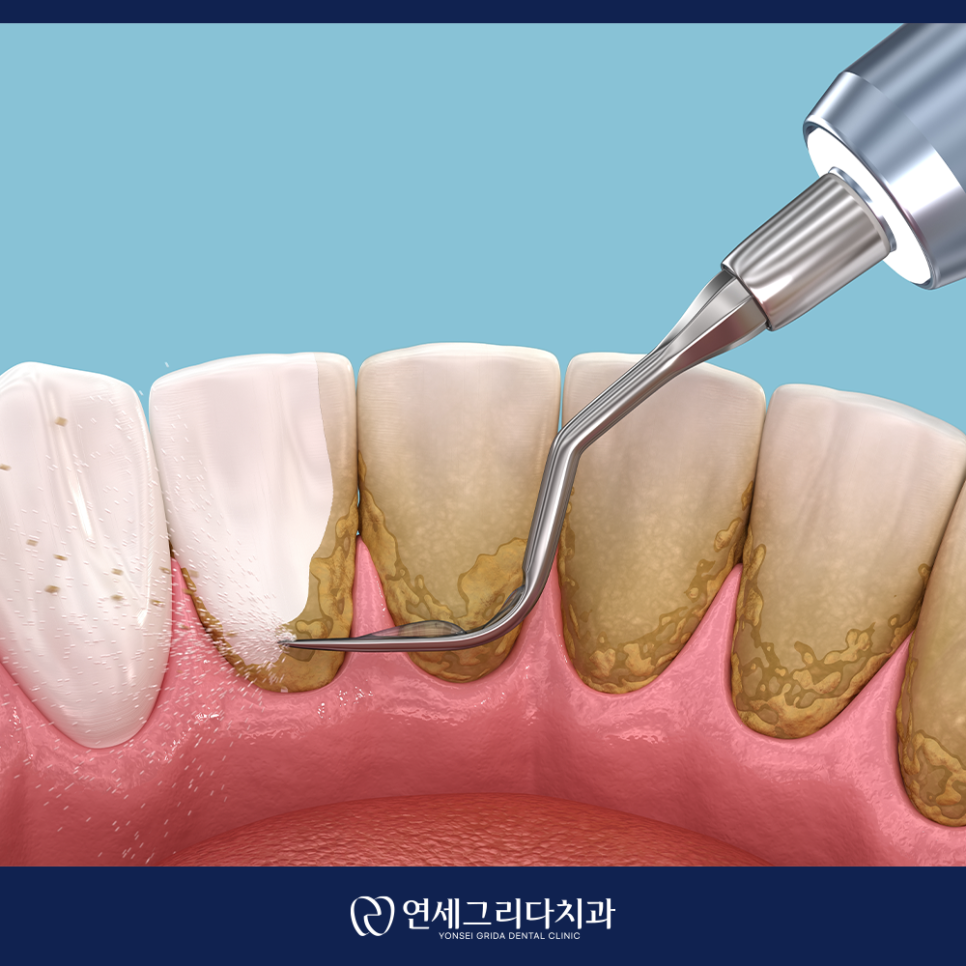
It is easy to think that scaling
is something you receive only when you have pain,
but it is closer to a basic form of periodontal care
that removes tartar and plaque
to help prevent and manage gum disease.
If your gums frequently swell,
bleed when you brush,
or you repeatedly experience bad breath,
it is worth checking whether a significant amount
of tartar has accumulated.
Conversely, even if you have no particular symptoms,
the rate at which tartar forms
may vary from person to person.
Because the recommended care interval may vary
depending on oral hygiene habits, tooth alignment,
smoking status, and the nature of your saliva,
it is best to receive guidance on an interval
suited to your current oral condition
when consulting about Yeomchang Station dental scaling.

Is sensitivity or bleeding normal?
Immediately after scaling,
your teeth may temporarily feel sensitive,
or a small amount of blood may come from your gums.
In particular, if a significant amount of tartar had accumulated
or your gums were inflamed,
areas that had been covered may feel sensitive
after the tartar is removed.
However, in most cases,
the discomfort gradually decreases over time.
If pain or bleeding continues for a long time,
or if your gums become severely swollen
and the discomfort worsens,
it is a good idea to have a dentist check
whether another problem is also present.
On the day of scaling, avoid foods that are excessively hot,
cold, or irritating,
and continue brushing gently,
as this may help reduce discomfort.
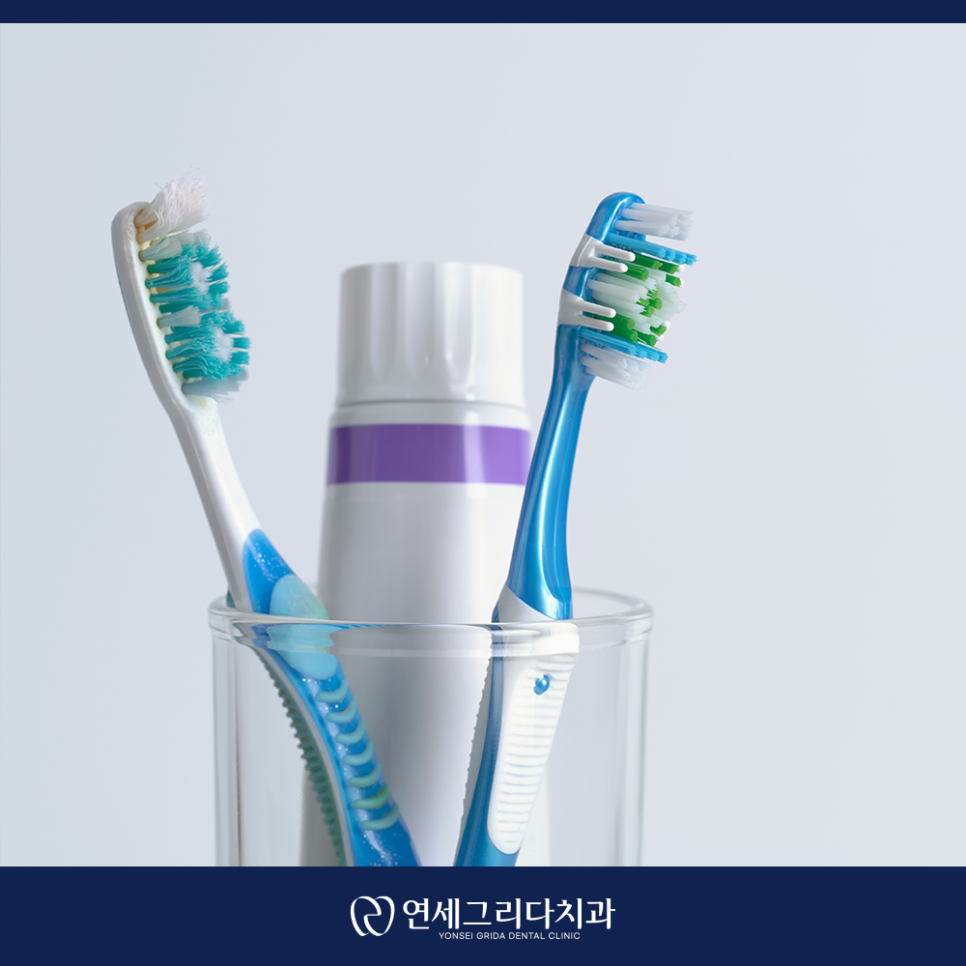
Care before tartar builds up is also important.
Receiving regular scaling alone
does not mean that daily oral care
is unnecessary.
Brush carefully, focusing on the border
between the teeth and gums,
and use dental floss or an interdental brush
between the teeth as well.
In particular, the inner surfaces of the lower front teeth
and the outer surfaces of the upper molars
are close to the salivary glands,
so tartar may form easily there.
These areas need to be cleaned carefully.
Also, if you continuously avoid brushing an area
because your gums bleed there,
more plaque may actually remain.
Therefore, it is important to continue cleaning
with gentle pressure.
Regular care is meaningful not only for removal,
but also because it allows the condition of your teeth and gums
to be checked together with possible cavities.
Rather than waiting until symptoms become obvious,
keeping track of your usual condition
allows you to respond more quickly
to changes in your oral health.
Tartar is more helpful to manage regularly
than to wait until a visibly large amount has accumulated,
as this can help reduce the burden on your gums.
If you are looking into Yeomchang Station dental scaling,
have the amount of tartar and your gum condition checked,
set a care interval suited to your needs,
and continue managing your oral health consistently.