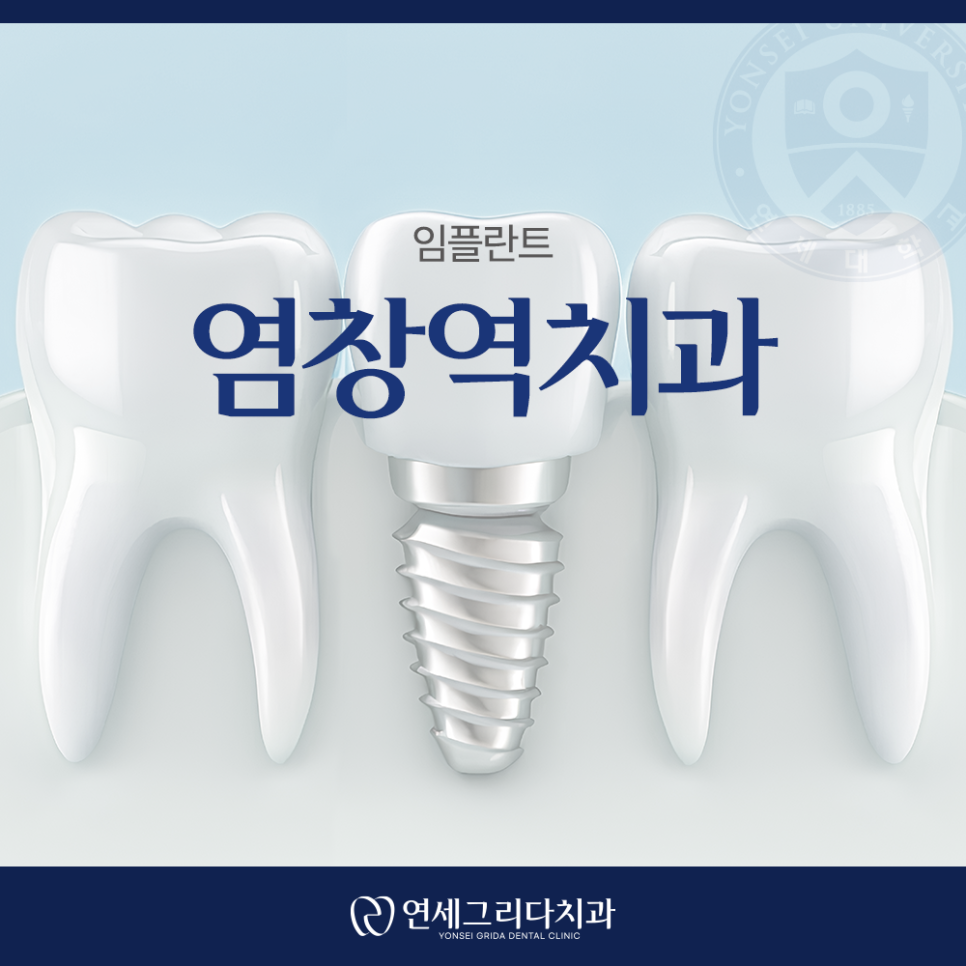
After an implant is placed,
if you feel as though the tooth is moving slightly,
many people worry,
“Could it be that it did not fuse properly?”
However, the looseness felt by the patient
does not always mean that
the implant itself is moving.
This is because slight play in the prosthesis or connecting screw,
or discomfort in the surrounding gums,
can also be perceived as a feeling of movement.
When checking your condition at Yeomchang Station Dental Clinic,
it is necessary to consider when the symptoms began,
whether they started immediately after placement or after the prosthesis was attached,
and whether pain or sounds occur during chewing.
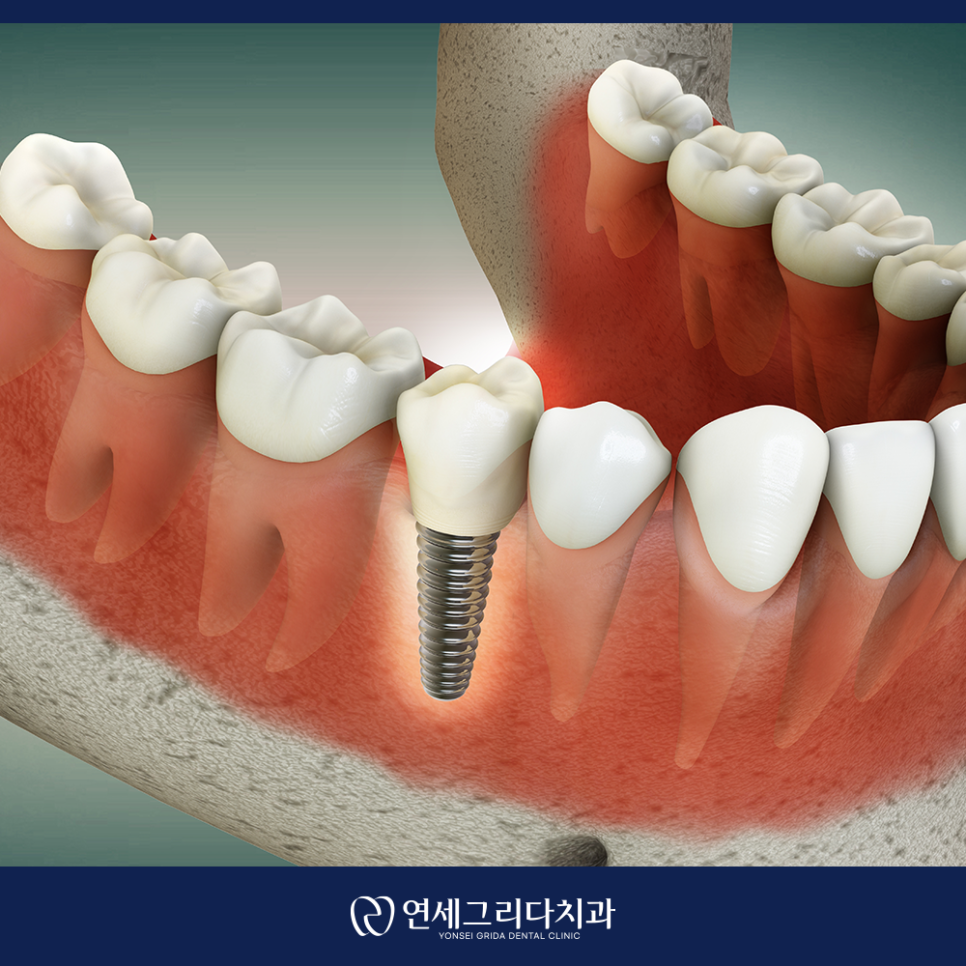
What is different about looseness felt immediately after placement?
After an implant is placed in the jawbone,
it undergoes a process called osseointegration,
during which it securely bonds with the surrounding bone.
During this period, the final prosthesis is often not in place yet,
and swelling at the surgical site or a tightening sensation in the gums
may make the patient feel as though there is an unfamiliar movement.
However, if the implant itself is actually moving,
it is difficult to regard this as merely part of the adjustment process.
Mobility of the implant can be an important sign
that the state of osseointegration needs to be checked.
Rather than repeatedly trying to move it with your fingers or tongue,
it is better to have its condition checked at a dental clinic.
It is also important to control the forces placed on the implant
during the early stages after placement.
This is because the recovery process can vary depending on
the amount and quality of bone, the placement site,
the degree of initial stability, and whether bone grafting was performed.
Even when the same term—“looseness”—is used,
the sensation perceived by the patient and actual mobility
may be different,
so a clinical examination should take priority over self-assessment.
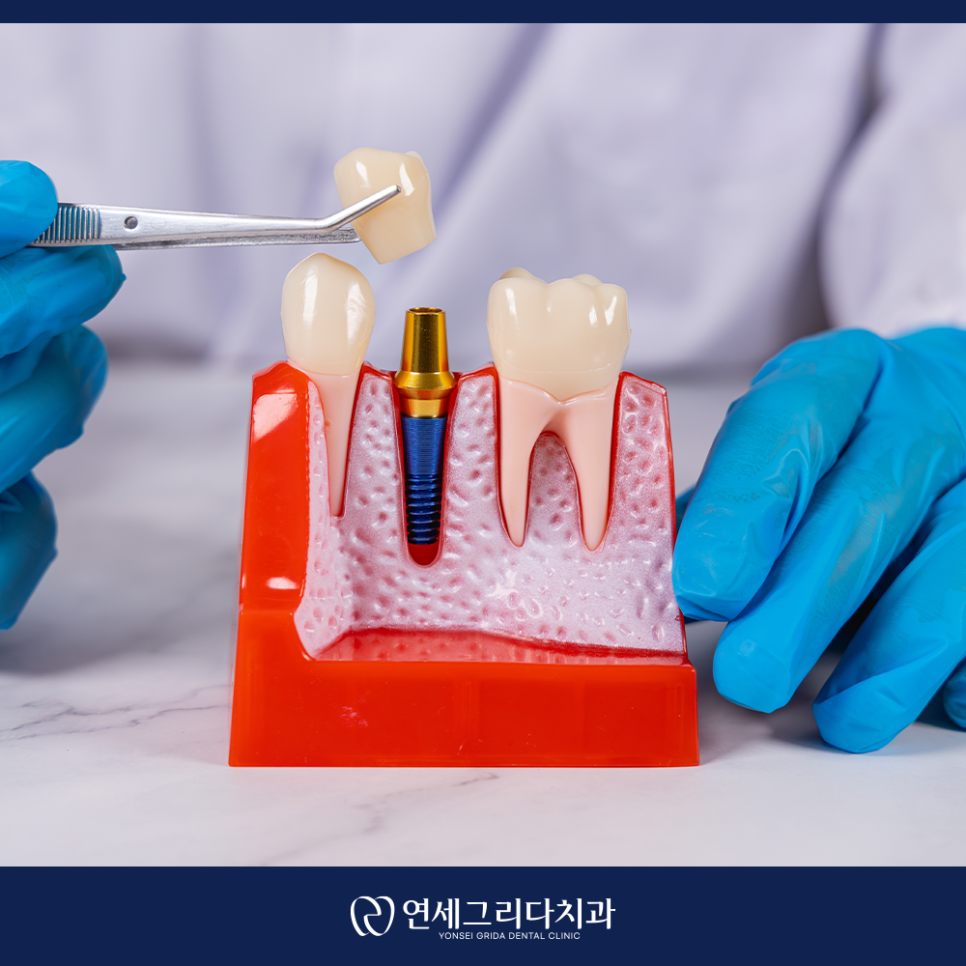
Can only the prosthesis become loose?
After the prosthesis has been connected,
if you feel a clicking sensation when chewing
or notice slight movement in only one direction,
the problem may involve the crown, abutment, or connecting screw
rather than the implant itself.
An implant consists of a fixture secured in the bone,
an abutment that connects to it,
and the prosthesis visible from outside.
Therefore, even if the upper screw loosens
or the prosthesis becomes loosely attached,
the patient may feel as though the entire implant is moving.
In such cases, Yeomchang Station Dental Clinic
needs to examine both the prosthesis connection and the bite
to determine which part is moving.
If a prosthetic problem is left untreated,
chewing forces may become concentrated on one side
or repeated force may be transmitted to the connecting components.
Therefore, if you hear a sound, notice a different height than before,
or feel something catching when chewing,
it is advisable to have both the prosthesis and your bite checked.
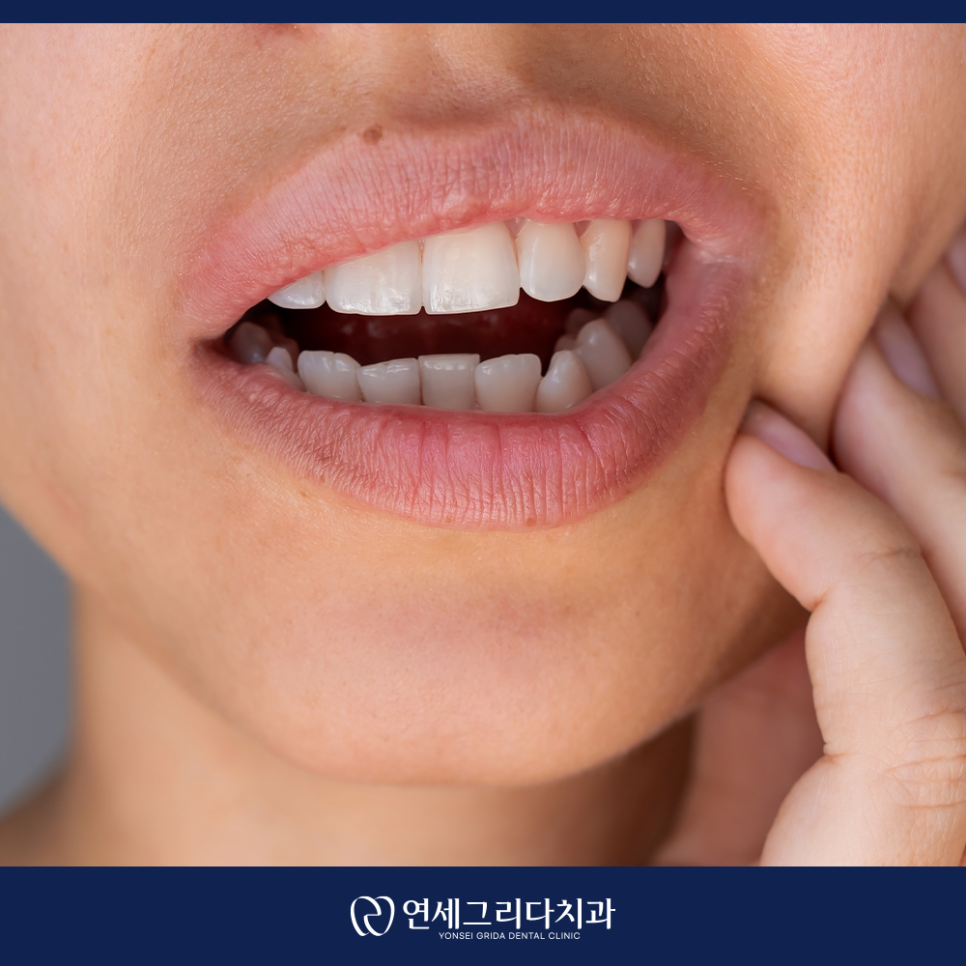
Why should you get checked if pain and swelling occur together?
If the gums swell or bleed along with
a feeling of looseness,
or if pain persists when chewing,
inflammation in the tissues around the implant
also needs to be evaluated.
When bacterial inflammation develops around an implant,
it may initially remain limited to the gums,
but if it progresses, it can also affect
the bone supporting the implant.
In particular, if you previously had no discomfort
but have recently developed looseness or pain,
pus, or bleeding gums,
it is necessary to check the current condition of the surrounding bone and gums
rather than leaving it for a long time.

What should you avoid when an implant feels loose?
It is best to avoid repeatedly pushing the implant
with your finger or tongue out of anxiety.
Chewing hard or tough foods on that side,
or continuing to apply strong force while it feels loose,
may also increase the strain.
Also, even if the pain has decreased,
it is difficult to conclude that the movement has also resolved.
Until you visit Yeomchang Station Dental Clinic,
eat soft foods on the opposite side
and avoid excessively irritating the surgical site or prosthesis.
If the symptoms recur,
it is better to have them examined early.
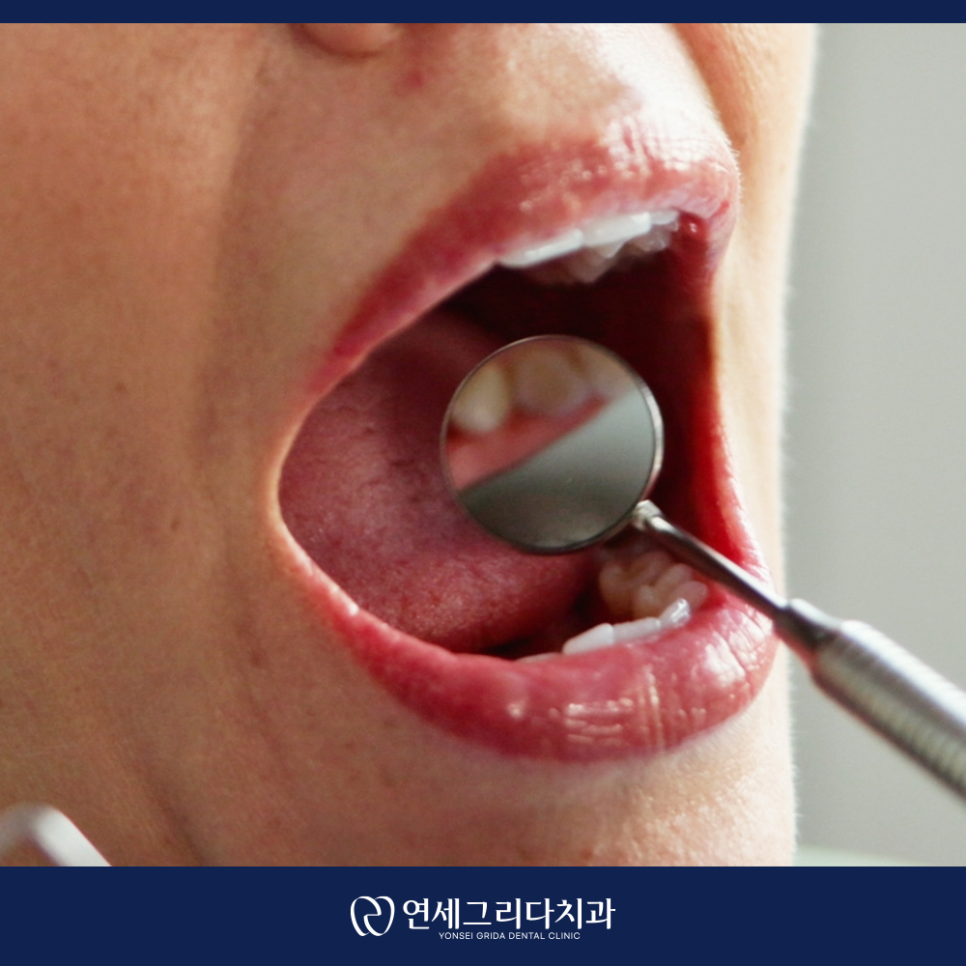
What examinations can help distinguish the cause?
It is difficult to determine the cause of implant looseness
by visual inspection alone.
At the dental clinic, the condition of the prosthesis and connecting screw,
whether force is concentrated in a specific area when you bite,
and the presence of gum inflammation and bleeding are checked.
If necessary, changes in the surrounding bone
can also be evaluated through radiographic examination.
If the implant was placed recently, it is important to assess
its initial stability and the progress of osseointegration.
For implants that have been used for a long time,
wear of the prosthesis, screw loosening,
and changes in the surrounding tissues
should be distinguished and evaluated separately.
Before visiting Yeomchang Station Dental Clinic,
rather than postponing the visit by thinking,
“It will probably be fine even if it is a little loose,”
remember when the symptoms began and whether pain or swelling is present,
and tell the dental professional during your appointment.
The appropriate treatment for an implant can vary
depending on whether the cause of the loose feeling
is the implant itself, the prosthesis, or the surrounding tissues.
Therefore, promptly identifying the cause
and deciding on a management plan suited to your current condition
can help you use the implant for a long time.