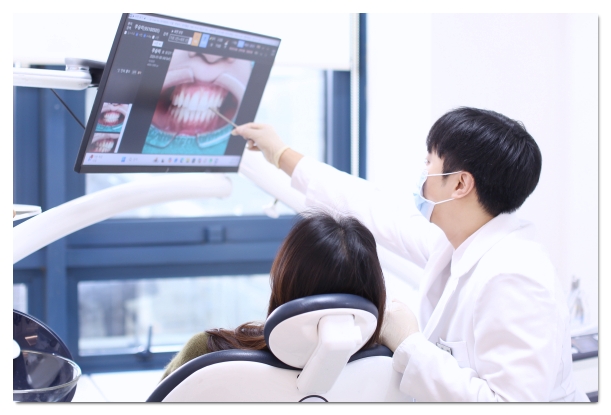
Hello, I’m Park Jae-hyung, the chief director of Wonjin Dental Clinic in Gangnam.
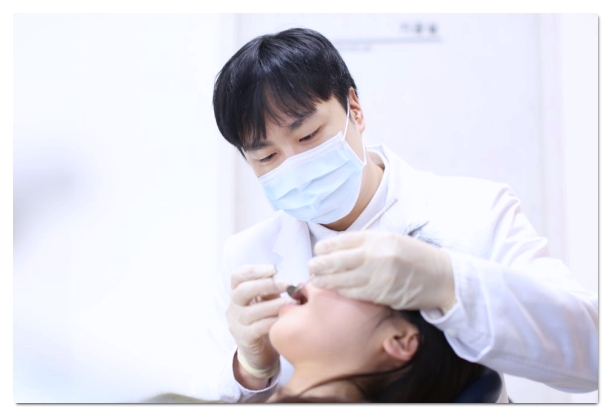
A laminate I had 3 years ago cracked
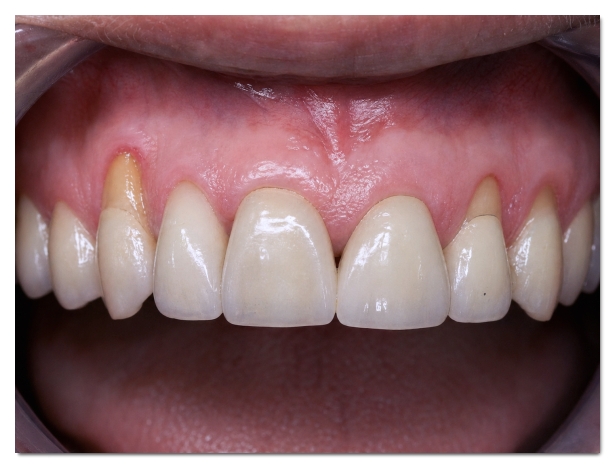
The gums have receded and the roots are exposed
The laminate color has turned yellowish
Many people ask whether the laminate needs to be replaced right away
Or whether it can be used a little longer.
The criteria for laminate retreatment are the following three cases.
-
When there is tooth decay
-
When it is extensively chipped or broken
-
When gum recession is severe
However, there are also cases where immediate replacement is not necessary.
-
Partial chipping
-
Surface scratches
-
Poor bonding
Today, I’ll organize the timing for laminate replacement (retreatment criteria) and the cases where replacement is not necessary.
I’ll also cover what criteria to use when choosing a dental clinic for laminate replacement.
- When laminate replacement is necessary (retreatment criteria)
The average lifespan of laminate is considered to be about 7 to 10 years.
Clinically, there are three major cases where replacement is needed.
First, when decay has progressed beneath the laminate
This is the most common and also the most dangerous case.
Bacteria enter through gaps where the bonding strength has weakened, and decay quietly progresses inside.
Because it is covered and looks fine from the outside, it is difficult for the person to notice.
By the time sensitivity or pain is felt, it is often already quite advanced.
In this state, simply reattaching the restoration is meaningless.
It must be remade after treating the decay.
If it is delayed further, root canal treatment may also become necessary, so quick judgment is important.
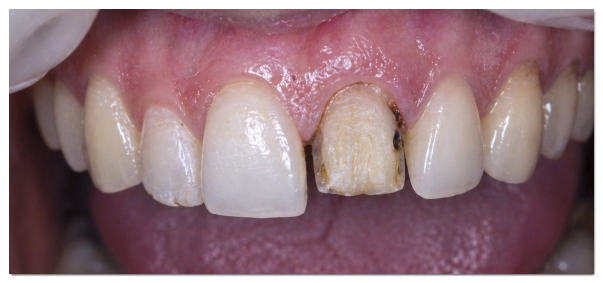
Second, when the bonding surface is extensively damaged
If the laminate is significantly chipped or has come off over a wide area,
re-bonding alone will not be sufficient.
If the bonding area is not enough, it will come off again quickly even if it is reattached,
and damage can accumulate through repeated removal and rebonding.
In such cases, remaking it is the better way to protect the tooth in the long term.
Third, when the boundary line is significantly exposed due to gum recession
Even if there is no functional problem,
if the boundary between the restoration and the natural tooth is clearly visible when smiling, it can be a major source of stress.
The main reason you likely had laminate treatment was aesthetics,
so if it no longer fulfills that purpose, replacement can be considered.
- Cases where laminate replacement does not need to be done right away
On the other hand, not every case requires replacement.
The following cases can often be addressed with simple treatment.
| Case | Method | Features |
|---|
| When only the tip is slightly chipped | Resin repair | Short treatment time and lower cost |
| Light surface scratches | Improved by polishing | The surface becomes smoother and mild discoloration may look better |
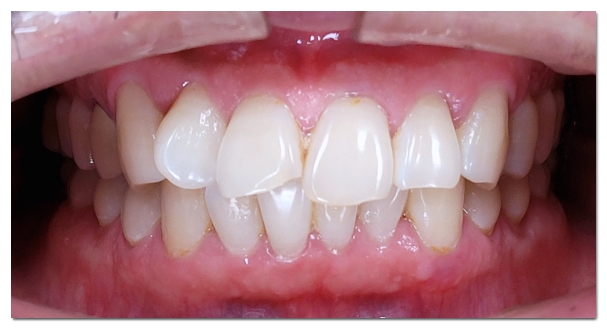
However, the important point is that this judgment is difficult to make by visual inspection alone.
Even if it looks fine on the outside, decay may be progressing inside,
and conversely, the condition may be better than you were worried about.
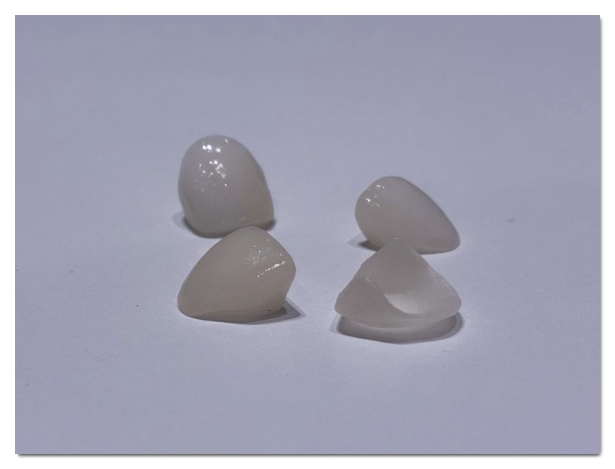
An accurate judgment is only possible after checking the internal condition through a precise examination.
- How to choose a clinic for laminate replacement
If you decide on replacement, the next question is, “Where should I get it done?”
There are many factors to consider, such as price, reviews, and accessibility,
but there are exactly two things that really matter in replacement.
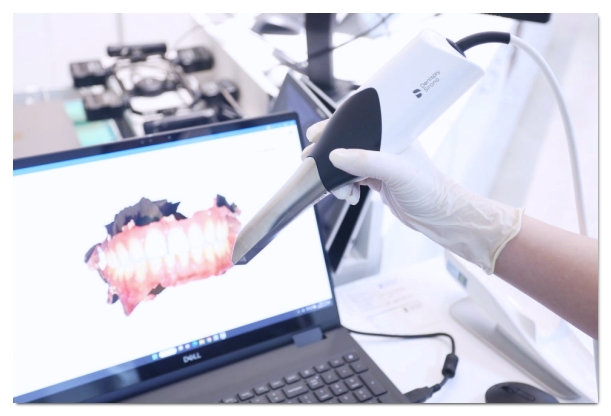
First, a clinic that analyzes why the previous laminate was damaged
Even if the issue is the same “chipping,” the cause can be completely different.
Whether it came off because the bonding was weak, whether it chipped because the bite was not balanced and force concentrated on a specific area,
or whether it weakened as decay progressed inside,
the replacement method changes depending on the cause.
If you reattach it without knowing the cause, the same problem will repeat.
Second, a clinic where the procedure is not rushed
To make laminate last a long time, bonding and occlusion are the two key points,
and both of these processes physically require time.
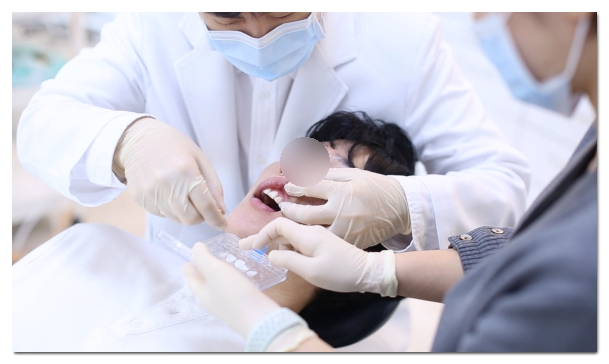
For bonding, the tooth must be isolated so saliva does not touch it,
an acidic gel is applied to the tooth surface to create micro-roughness,
and the inside of the restoration must also be pretreated,
then the adhesive is applied and allowed to harden sufficiently.
If this is rushed, the bond strength will inevitably decrease.
The same applies to occlusion.
After the laminate is attached, you need to check multiple times whether the upper and lower teeth distribute force evenly when biting together,
and whether there are any areas that catch when moving side to side,
then make fine adjustments.
In the end, to do bonding and occlusion properly,
the doctor must have enough procedure time for each patient.
I explained it briefly above, but even just reading the post below before getting laminate treatment
will help you develop an eye for identifying good clinics.
In closing
Replacement can end with a simple repair if the problem is identified while it is still small,
but as time passes, it may require more than replacement and lead to bigger treatment.
Whether replacement is necessary, whether repair is enough,
or whether the current condition is still acceptable
please get examined at a clinic that checks these details carefully.
Thank you. This was Park Jae-hyung.