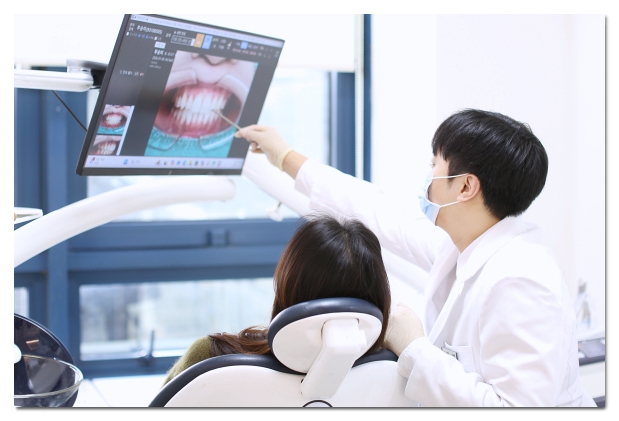
Hello, I’m dentist Park Jae-hyung.
I want to find a good place for veneers, but all the clinics
seem similar. What should I look at when choosing?
Veneers are difficult to reverse once performed,
so the results can vary completely depending on where you get them.
There are 3 criteria for finding a good place for veneers.
-
Does it minimize tooth reduction?
-
Does it bond firmly with a precise protocol?
-
Is it custom-made by hand on a one-to-one basis?
As the director of a dental clinic in Gangnam,
I’ll explain today’s 3 criteria for finding a good place for veneers.
I’ll also organize the reasons why each criterion matters,
along with specific questions you can ask during a consultation.
Table of Contents
-
Criterion 1. Tooth preservation: Does it minimize tooth reduction?
-
Criterion 2. Precise bonding: Is it firmly attached to last long?
-
Criterion 3. One-to-one custom design and hand-crafted fabrication
-
Frequently Asked Questions
Criterion 1. Tooth preservation: Does it minimize tooth reduction?
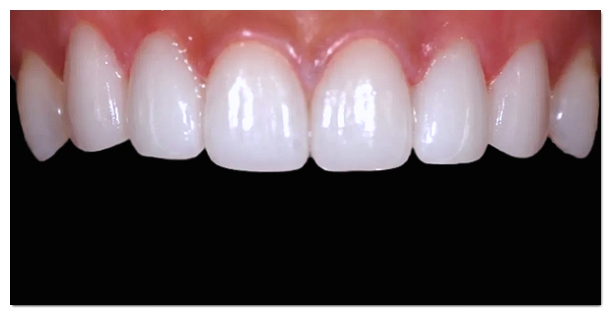
A good place for veneers removes as little tooth structure as possible.
Because veneers are an irreversible procedure once tooth structure has been removed,
a clinic with a system that tries to minimize reduction
can be considered truly skilled.
How much of the tooth’s hardest protective layer, enamel,
is preserved determines the lifespan of the veneer.
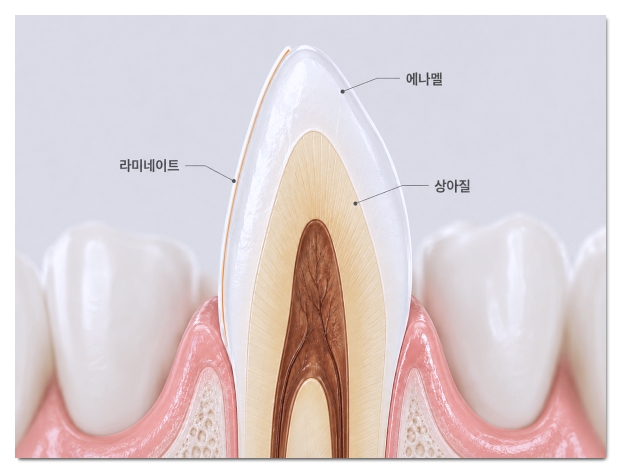
Enamel is the tissue that bonds best with adhesive,
so a veneer attached to enamel lasts far longer
than one attached to the tissue underneath it.
Also, if too much is removed at the beginning,
other prosthetic options in the future become limited,
so the amount of reduction is ultimately also a matter of preserving the tooth’s future.
| Category | Reduction amount |
|---|
| No-prep | 0–0.1 mm |
| Minimal prep | 0.2–0.4 mm |
| Standard | 0.5–0.7 mm |
After carefully analyzing the patient’s tooth condition first,
they review whether no-prep or minimal-prep is possible,
and if significant reduction would be necessary, they may honestly recommend other options such as orthodontics or all-ceramic restorations.
In a consultation, ask like this.
"Based on my teeth, is no-prep or minimal-prep possible?
About how much reduction would be needed?"
Look at the article below and it will make more sense.
Criterion 2. Precise bonding: Is it firmly attached to last long?
A good place for veneers spends the most time and care on the bonding step.
Even if the veneers look equally beautiful on the surface,
the difference between cases that fall off within 5 years and those that last more than 15 years
is mostly determined by the precision of this bonding.
If the bonding is poor, the veneer may come off,
and it can also lead to discoloration from microleakage at the margins,
caries between the veneer and the tooth, and even gum inflammation.
In the end, this leads to a cycle where retreatment becomes necessary and more tooth structure is removed.
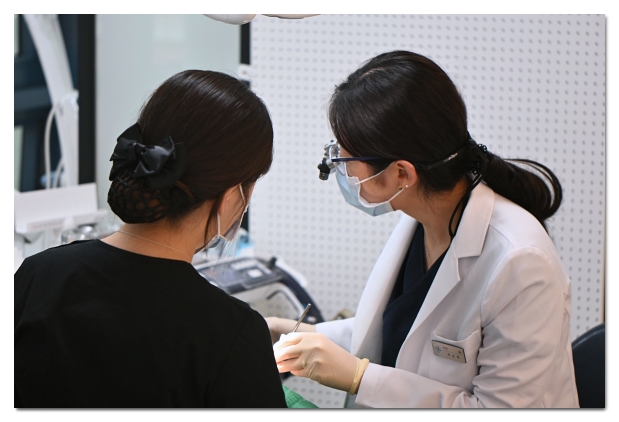
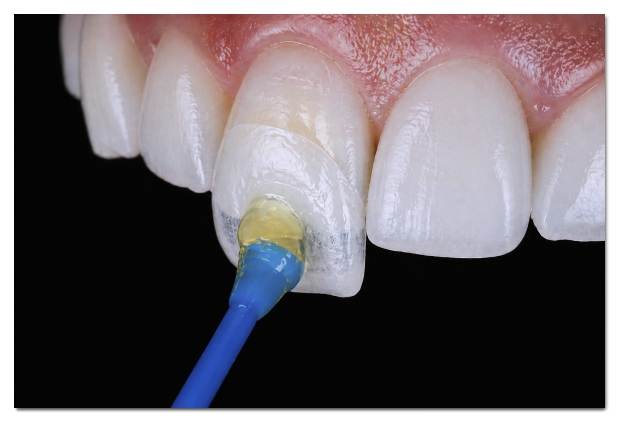
Because the bonding strength drops sharply if even a single drop of saliva touches the adhesive,
a saliva-free environment must be created at the moment of attachment.
It is also important to handle the tooth surface properly and strictly follow the curing time for the adhesive.
If they try to finish everything too quickly in one go, the bonding strength will be insufficient and can cause early detachment.
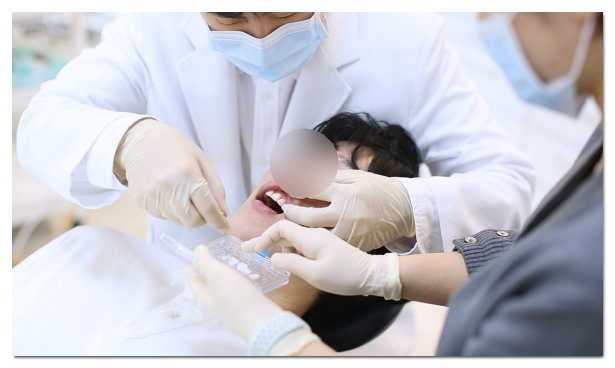
Whether they spend enough time attaching a single veneer,
and whether they check the bite after attachment and smoothly finish the margins
are key points for judging bonding quality.
A clinic that takes enough time is a better sign than one that rushes through everything in one sitting.
Criterion 3. One-to-one custom design and hand-crafted fabrication
A good place for veneers creates designs by hand that are tailored to each individual patient.
Even with the same material and the same thickness,
the natural appearance of the result can change completely depending on the design and fabrication method.
Machined single-block ceramic is fast and uniform,
but it is difficult to express the subtle color variations unique to natural teeth.
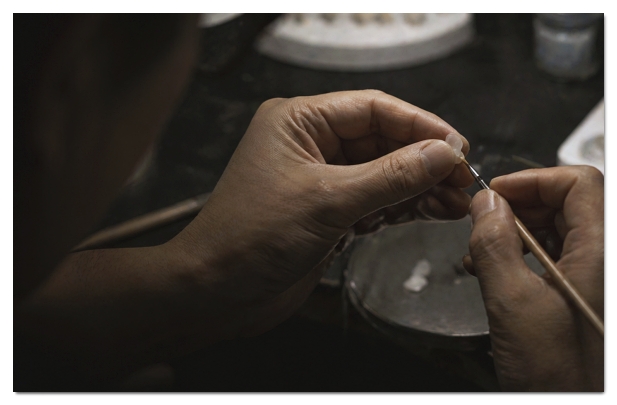
On the other hand, a hand-crafted method in which a skilled technician layers multiple shades
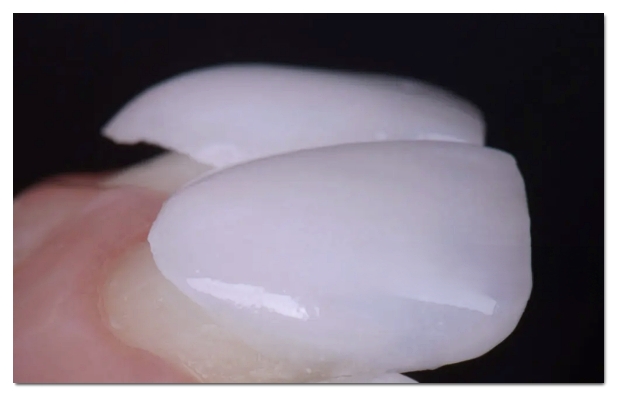
reproduces the translucency and warm tones of natural teeth very well.
The design itself should also be customized to the individual patient.
Good clinics do not just look inside the mouth.
They analyze face shape, lip line, smile line, gender, and age
to design the appropriate length, width, and curvature.
Even among six front teeth, the design suited to a woman in her 20s
and a man in his 50s can be completely different.
Only when the rounded corners, angular corners, and saturation of the tone are differentiated does it finally look natural.
During the consultation, ask whether it is hand-crafted or machine-processed, and
whether you can see photos of cases similar to yours.
If the results in the case gallery all look similar, it is likely mass-produced,
and if the designs differ from patient to patient, it is a clinic that truly does one-to-one custom work.
Frequently Asked Questions
Q. Is no-prep veneer possible for everyone?
No. It is suitable when the teeth are slightly positioned inward or are small,
and in cases where the teeth protrude or are severely discolored, minimal-prep or standard veneers may be necessary.
Q. Is there a big cost difference for one-to-one custom design?
In general, it tends to be about 20–50% more expensive than mass-produced options.
However, considering the natural appearance and lifespan of the result,
many people feel it is well worth it.
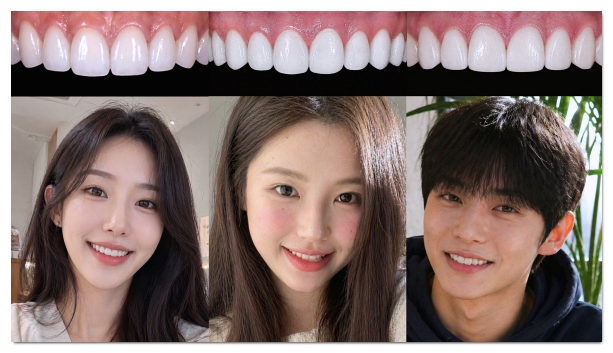 The shape, material, and line of the teeth that suit each person are different, as shown in the photo above.
Closing
Veneers are a procedure performed on the front teeth that will stay with you for life.
Rather than focusing on advertising phrases or price, I hope you will compare two or three clinics directly using the three criteria I explained today and make your decision carefully.
Thank you. This has been Park Jae-hyung.