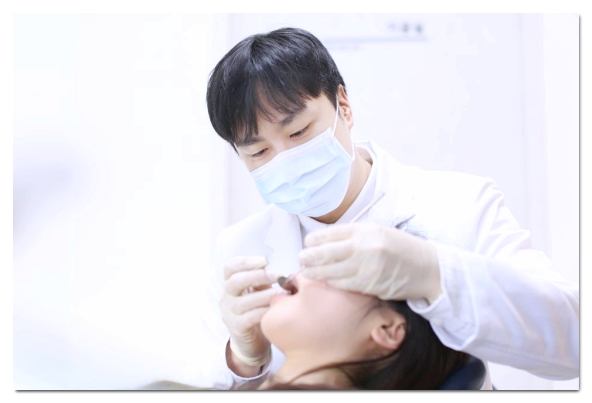
Hello. I’m Park Jae-hyung, the chief director of WJ Dental Clinic.
I want to get laminates,
but do they really require a lot of tooth reduction?
I heard they can last for 10 years,
but do they need to be replaced after that?
The level of satisfaction with laminates depends on how well you prepare.
The treatment principle, irreversibility, the real reason for price differences,
care methods that determine longevity, and oral checks before the procedure
Whether you know these 5 things before getting the procedure or not will determine your satisfaction afterward.
Today, I’ll organize a complete guide to laminates near Gangnam Station: 5 things you must know before the procedure.
Key Summary of Laminates near Gangnam Station
-
Treatment principle: shave 0.1~0.5mm from the tooth surface and attach a ceramic veneer
-
Irreversibility: once a tooth is reduced, it cannot be restored
-
Price range: 500,000~2,000,000 won per tooth, depending on materials, skill, and management system
-
Lifespan: about 10 years on average, and longer with proper care
-
Pre-treatment check: first confirm cavities, gum health, and bite condition
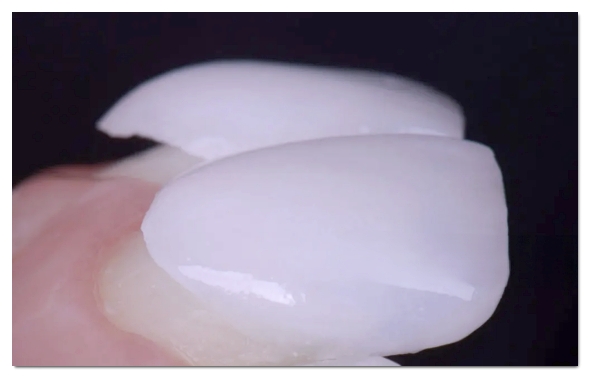
Table of Contents
- Understanding exactly what laminates are
- Once a tooth is shaved, it cannot be reversed (irreversibility)
- The real reason for price differences for laminates near Gangnam Station
- Care methods that determine lifespan
- Oral conditions that must be checked before treatment
- Frequently Asked Questions (FAQ)
Understanding exactly what laminates are
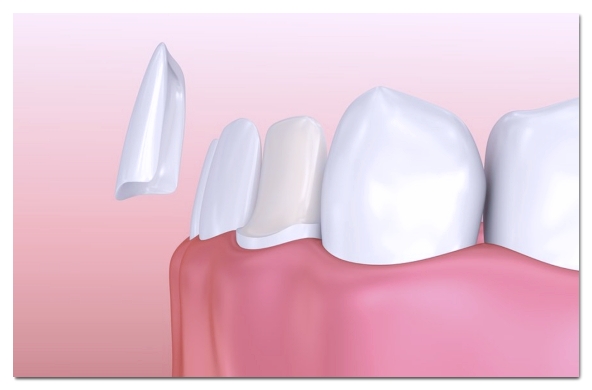
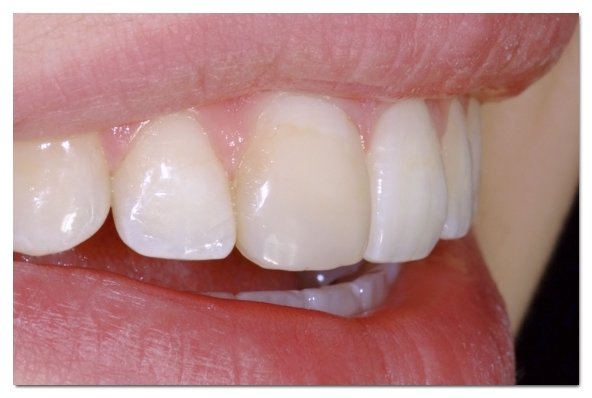
Laminates are an aesthetic prosthetic treatment in which the enamel on the front surface of the tooth is shaved very thinly,
then a thin ceramic-made veneer is attached with a specialized adhesive.
The principle is similar to putting nails on top of a fingernail,
but the crucial difference is that once a tooth is shaved, it does not grow back.
For this reason, it is better understood not as a simple cosmetic procedure, but as an irreversible medical choice.
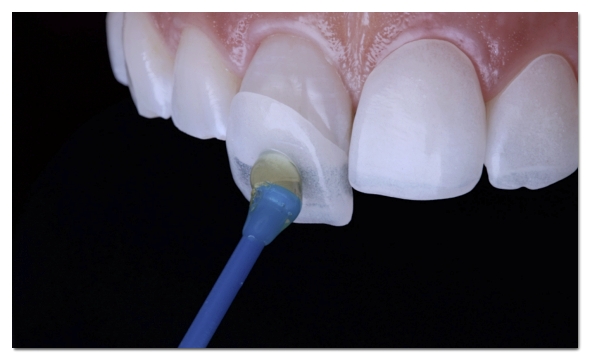
It is especially effective for people concerned about deep discoloration, gaps between teeth, or disproportionately small peg-shaped teeth.
It can also improve aesthetics when tooth edges are worn down, the shape is asymmetrical, or enamel damage is extensive.
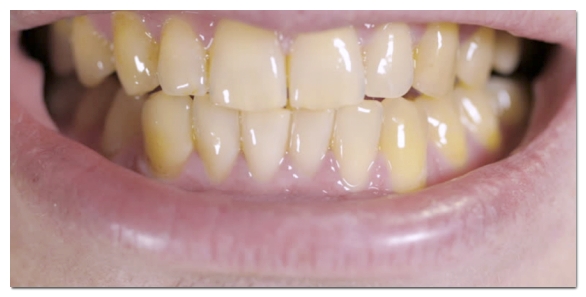
However, if the teeth are severely misaligned, orthodontic treatment should be considered first,
and if you have habits that place stress on the teeth, such as bruxism, caution is needed because of the risk of fracture.
In addition, if you have gum disease or cavities, it is recommended that you complete the necessary treatment first before proceeding.
Once a tooth is shaved, it cannot be reversed (irreversibility)
The most overlooked part of laminates is irreversibility.
The enamel adjusted during the procedure does not regenerate like bone.
In other words, even if you are unhappy after the treatment, you cannot return to your natural tooth as it was before the procedure.
This is important because the average lifespan of laminates is around 10 years.
If replacement is needed after the lifespan ends, a small amount of additional reduction may be required each time they are replaced.
If you assume they are replaced 3~4 times over a lifetime, the cumulative amount of tooth reduction is not small.
That is why, even among laminates, minimally invasive methods that reduce only 0.1~0.2mm,
and nearly no-prep methods, have recently been developed.
They cannot be applied to everyone, but it is best to first check whether you are a candidate.
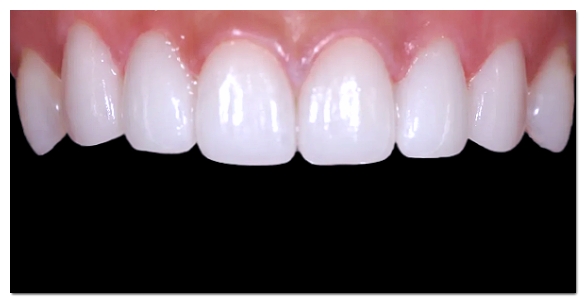
That is why I always say that minimizing tooth reduction from the very beginning is important.
And there are cases where people come in after having laminates placed elsewhere, only for them to break within 1~2 years.
To prevent these side effects, the bite must be properly adjusted during treatment, and the bonding must be done correctly.
Please be sure to read the post below on how to receive treatment while preventing side effects.
The real reason for price differences
The price of laminates near Gangnam Station ranges on average from 300,000 won to 2,000,000 won per tooth.
Even though it is the same procedure, the reason the price can vary by up to four times lies in the materials and the treatment process.
Five factors that determine the price
-
Difference in materials: there are major differences depending on the type of ceramic and the manufacturing method (hand-layering vs machine fabrication).
-
Precision of reduction: precise reduction in 0.1mm units is directly tied to the clinician’s skill.
-
Design planning: whether the design is customized 1:1 to the patient’s face shape, smile line, and existing tooth color
-
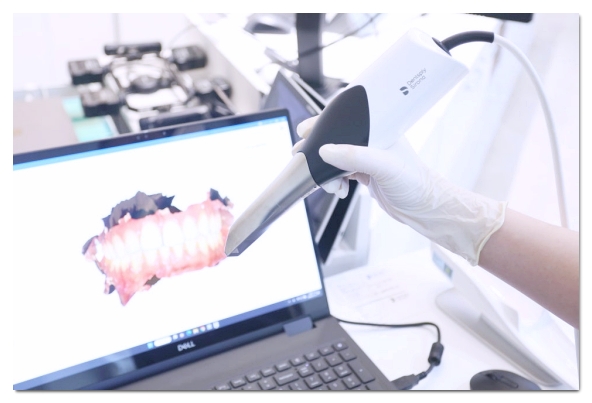
Equipment infrastructure: whether precision equipment such as 3D-CT, digital scanners, and CAD/CAM systems is used
-
Aftercare system: long-term management structure such as regular checkups, polishing, and fracture warranty
In particular, if the design planning and aftercare are poor, the treatment may seem satisfactory in the short term, but the likelihood of retreatment within 5 years increases.
The care methods that determine lifespan
The average lifespan of laminates is about 10 years, but with proper care some people use them for more than 15 years,
while others develop problems within just 3~5 years.
What makes the difference is not the treatment itself, but everyday care after the procedure.
Five habits that shorten lifespan
- Biting hard objects such as nails, pens, or ice with the front teeth
- Bruxism and clenching (occurs unconsciously during sleep)
- Strong impact (martial arts, contact sports)
- Excessive consumption of acidic drinks (carbonated drinks, fruit juice)
- Skipping regular checkups
Six care methods that extend lifespan
- Use dental floss every day
- Use interdental brushes and a Waterpik together
- Wear a mouthguard if you grind your teeth
- Get regular checkups every 6 months to 1 year
- Maintain surface gloss with laminate polishing
- Cut back on smoking, excessive coffee, and wine
Three signs that replacement is needed
- A black line appears at the margin of the laminate
- New sensitivity to cold foods develops
- The laminate feels slightly loose or lifted
Oral conditions that must be checked before treatment
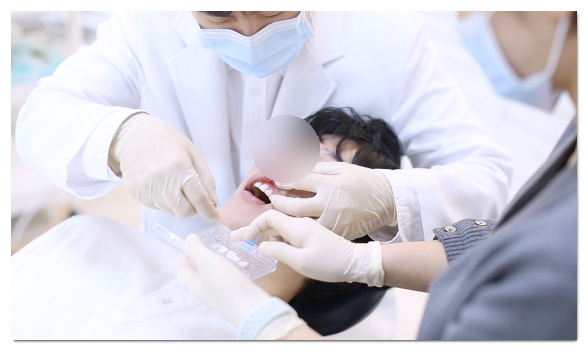
The most important step that determines the success rate of laminates is the pre-treatment check.
Four things that must be checked before treatment
Presence of cavities
Even a tiny cavity that progresses under the laminate can lead to secondary decay.
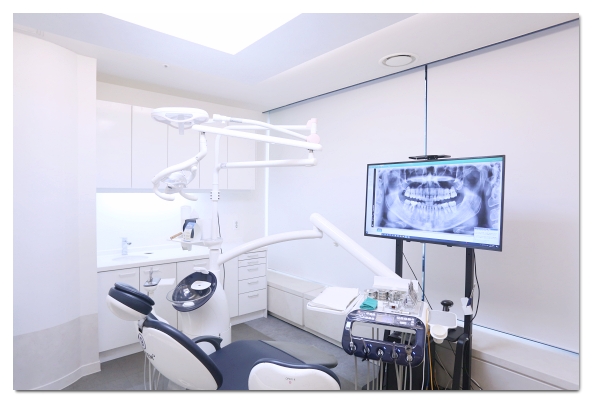
A prior X-ray examination is essential.
Gum condition
If treatment is performed while the gums are inflamed, bacteria can invade the bonding area and shorten the lifespan.
If needed, gum treatment should be done first.
Bite condition
If the exact contact position between the upper and lower teeth is not accurately identified, it becomes a direct cause of laminate fracture.
Bruxism and bad habits: if bruxism is confirmed, mouthguard fabrication should be planned at the same time as treatment.
Five questions you should ask in the consultation room
Is laminate really the right option for my teeth?
How much reduction will be needed?
What ceramic material and fabrication method are used?
What is the warranty period after treatment, and what kind of aftercare system is in place?
Are cavity, gum, and bite examinations all included before treatment?
Frequently Asked Questions (FAQ)
Q. Is there really a laminate method that does not shave the teeth?
A. There is a method called no-prep laminates.
However, it cannot be applied to all cases, and it is suitable for teeth that are positioned inward or are small.
Q. Can I return to daily life immediately after the procedure?
A. Yes, you can. However, for 1~2 weeks after the procedure, you should avoid hard and irritating foods, and you need to be even more careful during the temporary prosthesis stage.
 Closing remarks
Laminates near Gangnam Station are an efficient procedure that can change your smile in a short time,
but at the same time, once you start, it is also an irreversible medical choice.
What determines satisfaction is not the day of the procedure, but how thoroughly you prepare the 5 things before treatment.
(accurate understanding, awareness of irreversibility, understanding the price structure, knowing the care methods, and pre-treatment oral checks)
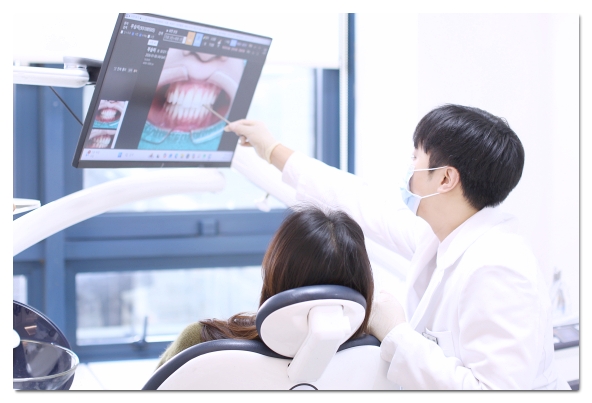
Rather than deciding hastily, it is safest to receive a precise diagnosis of your own tooth condition,
and, through 충분한 상담, choose the method that fits your case (standard/minimally invasive/no-prep).
Thank you. This was Park Jae-hyung.
[Posts you should read before consulting about laminates]