Hello. I am Dr. Jae-hyung Park, director of 원진치과의원.

I went in after being told it would involve no tooth reduction,
but I never imagined this much would be shaved away.ㅠㅠ
Recently, someone came to us for a replacement veneer after their veneer had fractured.
They had been told that almost no tooth reduction would be needed, but when we examined the fractured area,
we found that a considerable amount of tooth structure had been removed.
The first—and biggest—concern for people considering veneers is,
“How much of my teeth will have to be shaved down?”
Looking better is appealing, but it is understandable to feel uneasy about grinding down healthy front teeth.
Today, under the topic “How Much Is Shaved for Dental Veneers? Front Teeth Cost, Lifespan, and More,”
I will focus on the amount of tooth reduction involved in dental veneers and also summarize the cost and lifespan of front-tooth veneers.
(If you are concerned about possible side effects, it may be helpful to read the article below first.)
Table of Contents
-
Why are teeth shaved for veneers?
-
How much is actually shaved for dental veneers?
-
Can tooth reduction for veneers be reversed?
-
How much do front-tooth veneers cost?
-
How long do veneers last?
-
Key points for minimizing the amount of tooth reduction for dental veneers
Why are teeth shaved for veneers?
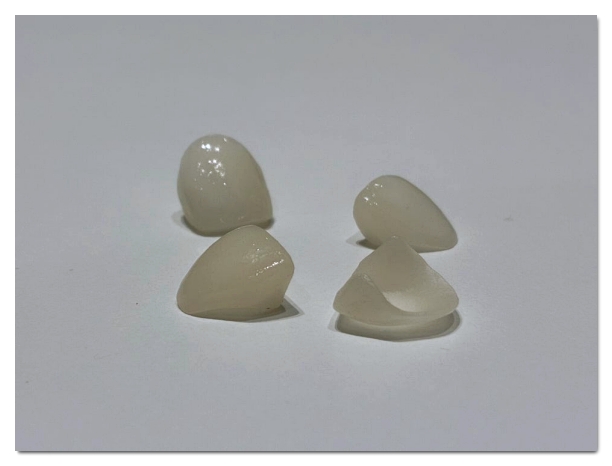
Veneers are a treatment in which thin ceramic shells are bonded to the outer surfaces of teeth to improve their color and shape.
If they are bonded as-is without adjusting anything,
the teeth become thicker than they originally were and may look prominent, while the gumline can also appear unnatural.
For that reason, the surface is lightly prepared by an amount corresponding to the thickness of the shell, creating a natural and smooth result.
In other words, the teeth are not prepared “to remove a lot,” but rather “to bond the veneers naturally.”
How much is actually shaved for dental veneers?
The amount varies greatly depending on the case.
Broadly speaking, there is a no-preparation method involving almost no adjustment,
a minimal-preparation method that removes approximately 0.1–0.3 mm from the surface,
and a conventional method involving somewhat more adjustment when there is significant discoloration or a substantial change in shape is needed.
Considering that the teeth themselves are approximately 1.5–2 mm thick,
the amount removed for a well-planned veneer procedure accounts for only part of that thickness.
However, the amount may increase when discoloration is severe or the position of the teeth needs to be changed significantly,
so “no preparation under all circumstances” is not possible for everyone.

Can tooth reduction for veneers be reversed?
To be honest, once the tooth surface has been prepared,
it often cannot be completely restored to its original condition.
That is why diagnosis before starting is just as important as minimizing the amount of tooth reduction.
We first determine whether veneers are truly appropriate by checking for cavities, gum condition, bite, and habits such as teeth grinding.
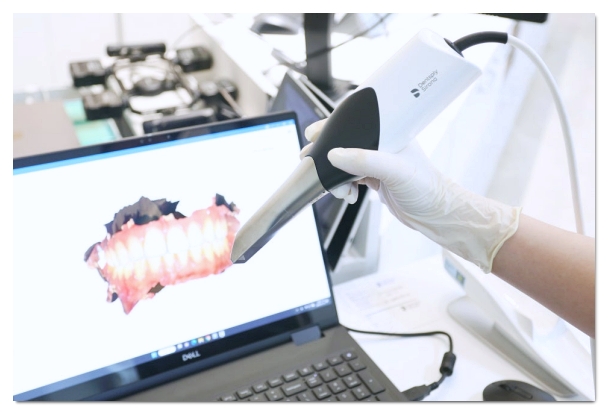
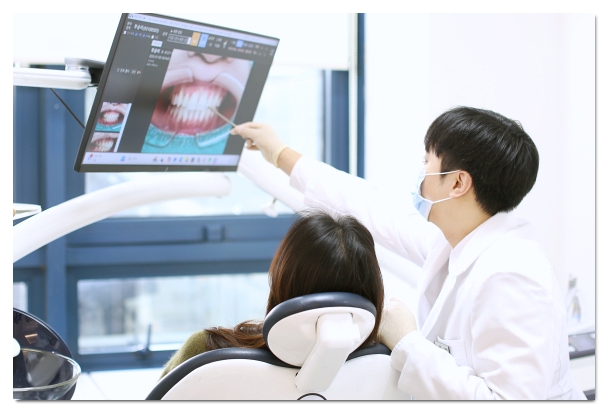
The design should also be simulated in advance so that the expected outcome can be assessed before treatment begins, helping to reduce regret later.
How much do front-tooth veneers cost?
The cost varies greatly depending on the condition of the teeth, the ceramic material used, and the number of teeth treated.
There is a wide range in the market, with some clinics charging up to around 2 million won per tooth.
At our clinic, depending on the case, we provide estimates of 270,000 won, 550,000 won, or 990,000 won per tooth.
However, even at the same price, the outcome and lifespan can vary depending on the precision of the diagnosis, the quality of the materials, and the finish.
Rather than simply comparing prices, it is wise to check “why it costs that amount.”
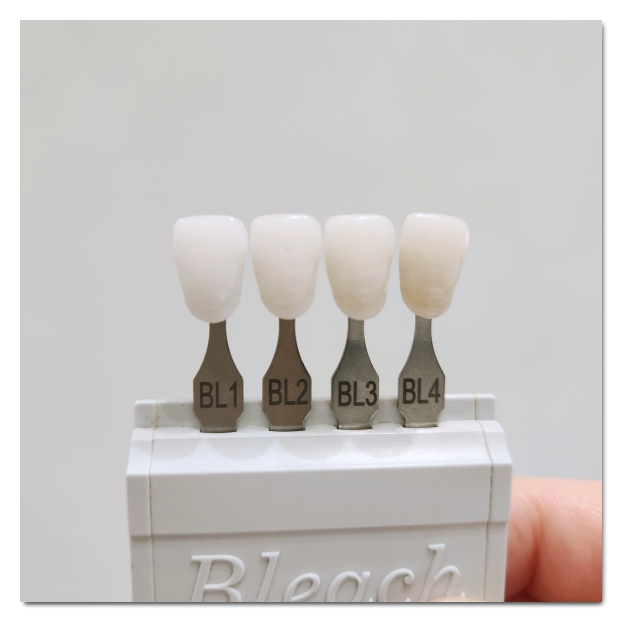
For example, at our clinic, the veneer materials and laboratory methods differ across three levels.
Nevertheless, for veneers at every level, we use a high-quality adhesive from a leading brand available on the market.
The adhesive used can affect how long the veneers remain in place and may reduce complications.
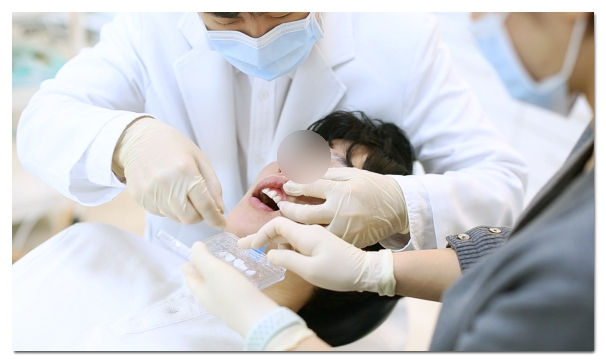
We pay particular attention to these aspects to help prevent the need for retreatment due to fractures or debonding after the procedure.
These factors are normally reflected in the cost of veneers as well, so it is a good idea to learn about them in advance when choosing a dental clinic.
How long do veneers last?
On average, they last around 10 years, depending on how they are cared for.
However, this figure is heavily influenced by usage habits.
Using the front teeth to bite through hard foods, or habits such as chewing ice or biting your nails,
as well as teeth grinding, can damage thin ceramic and significantly shorten its lifespan.
Conversely, regular checkups and proper usage habits can help you use them safely and comfortably for longer.
The results also tend to last longer when the gums are healthy and the bite is stable.

Key points for minimizing the amount of tooth reduction for dental veneers
First, do not look only at color and shape. Receive an accurate diagnosis that also assesses cavities, gums, and your bite.
Second, discuss thoroughly whether there is a way to minimize tooth reduction and whether it is possible in your specific case.
Third, compare veneers with other options, such as resin, crowns, and orthodontic treatment, to confirm whether veneers are truly right for you.
Veneers can be a good treatment for creating a natural-looking smile in a short period,
but because they involve tooth reduction and cost, careful consideration is necessary.
If you have concerns about your front teeth, rather than repeatedly searching online,
it is better to receive a detailed consultation based on an accurate diagnosis, starting with “how much of my teeth will be adjusted, and why?”
Thank you. This was Dr. Jae-hyung Park.
[How to receive veneers properly]