Hello. I am Park Jae-hyeong, director of Wonjin Dental Clinic.
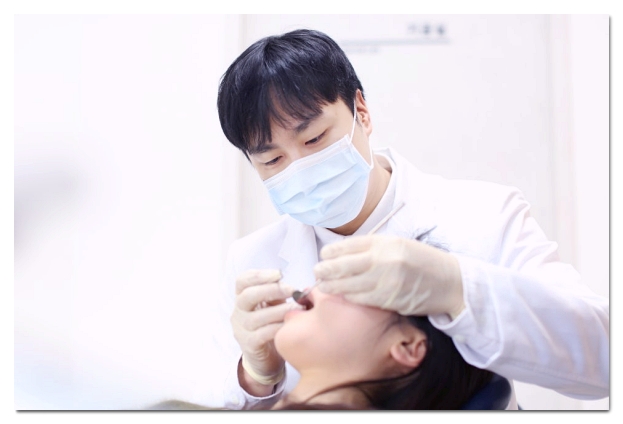
I feel self-conscious about my teeth every time I look in the mirror.
Is there any way to make yellow teeth whiter?
Even if you brush your teeth diligently, discoloration cannot be completely resolved, so it is natural to start looking into related procedures.
However, even after deciding to undergo treatment, it can be difficult to choose between teeth whitening and veneers.
Because tooth discoloration can have various causes, accurately identifying the cause first is essential for achieving satisfactory results.
So today, let us look at the main causes of tooth staining and the appropriate treatment methods for making yellow teeth whiter.
What Causes Yellow Teeth?
The outermost layer of a tooth is the enamel, a semitransparent white layer, while the dentin underneath has a yellowish tint.
However, changes in this structure over time can make the teeth appear yellow.
The first cause is the penetration of pigments into and onto the surface of the enamel.
Typical examples include coffee, black tea, wine, curry, smoking, and various other foods and lifestyle habits.
These substances seep into the enamel through microscopic gaps that cannot be seen with the naked eye, and the teeth gradually appear more yellow over time.
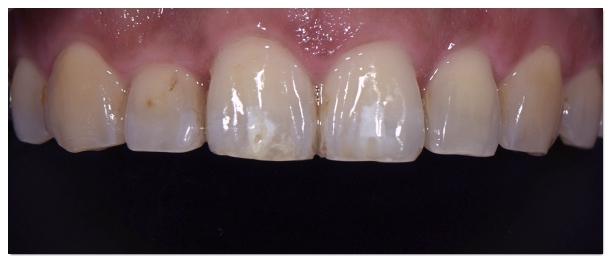
The second cause is thinning of the enamel itself.
Over time, wear can occur due to aggressive brushing, teeth grinding, clenching, and consuming acidic foods.
When the enamel wears down beyond a certain thickness, the dentin hidden underneath becomes visible through it, making the teeth look yellow.
In this case, the issue is not simply pigment accumulation, so the treatment method is also completely different.
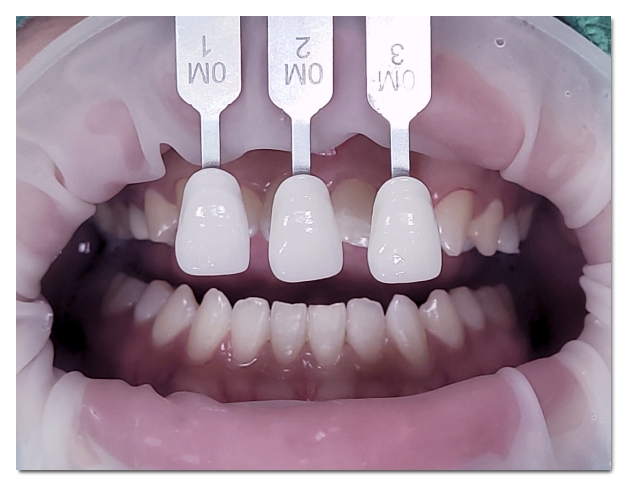
There are also special cases in which the internal nerve is damaged by a strong impact to the tooth, or the internal structure itself becomes discolored due to taking certain medications during childhood.
As you can see, there are more causes of yellow teeth than you might expect.
Method 1 for Whitening Yellow Teeth: Teeth Whitening
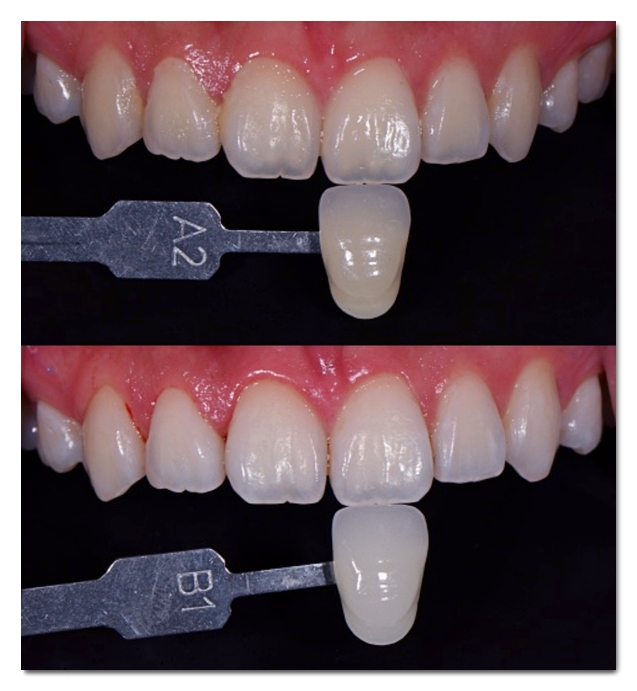
When teeth appear yellow because of enamel staining, teeth whitening may be an appropriate option.
Teeth whitening is a treatment that uses a hydrogen peroxide–based whitening agent to break down stains accumulated inside the teeth.
You can think of it as reducing the pigments present inside the teeth themselves.
There are many home-care products available on the market, and some people use them on their own.
However, the concentration of the ingredients is often kept low for safety reasons.
Some people visit a dental clinic after using these products several times at home and developing tooth sensitivity.
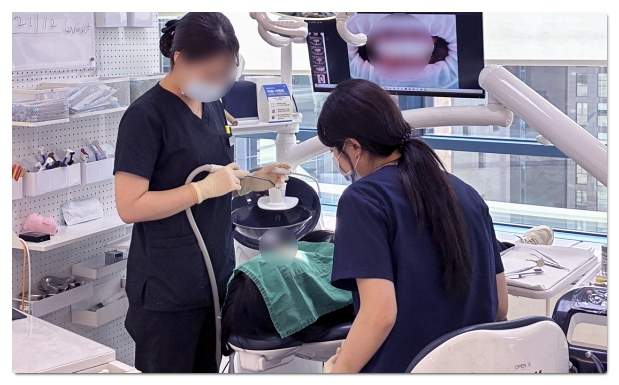
At a dental clinic, the patient's oral condition is evaluated before treatment, and the procedure is performed using an appropriate concentration and method.
It is helpful to understand that this may allow you to achieve the desired results more consistently.
26.06.05 ~ 26.06.05
Method 2 for Whitening Yellow Teeth: Veneers
When enamel wear is the cause, the situation is different.
If the tooth surface has already become thin and the dentin underneath is showing through, whitening alone may not make the teeth sufficiently brighter.
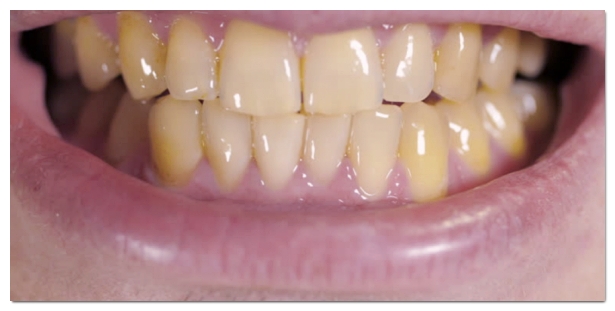
Dentin contains tiny channels that transmit external stimuli, so whitening may instead worsen sensitivity.
In such cases, veneers, which involve attaching ceramic restorations to the tooth surface, may be a better option.
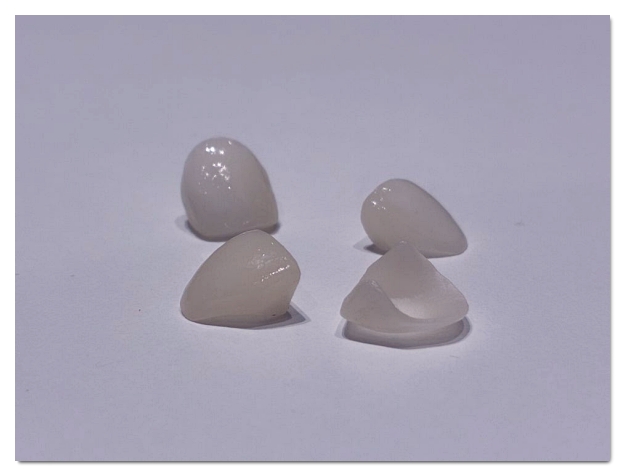
Another advantage of veneers is that they can be made in the desired color and shape.
-
When the dentin is visible through the teeth due to wear
-
When several rounds of teeth whitening have not produced satisfactory results
-
When you want to improve not only the color but also the shape or size of the teeth
-
When the edges of the front teeth are chipped or worn
If your situation corresponds to any of these cases, you may want to consider veneers.
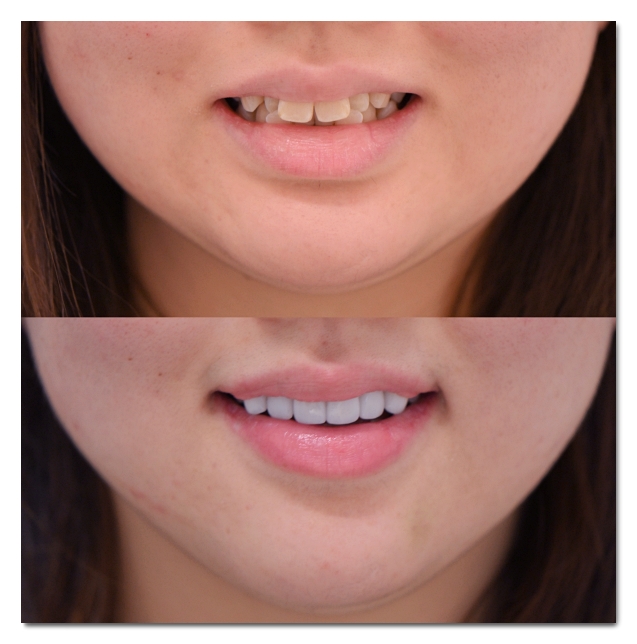
26.05.14~26.05.22
Precautions Before Getting Veneers
There is one important point to pay attention to when planning veneers.
It is the amount of tooth reduction.
Conventional veneers generally involve removing approximately 0.5–0.7 mm of tooth structure.
One disadvantage of conventional veneers is that when more tooth structure is removed,
the underlying dentin may become exposed, causing sensitivity, and the strength of the tooth may also decrease.
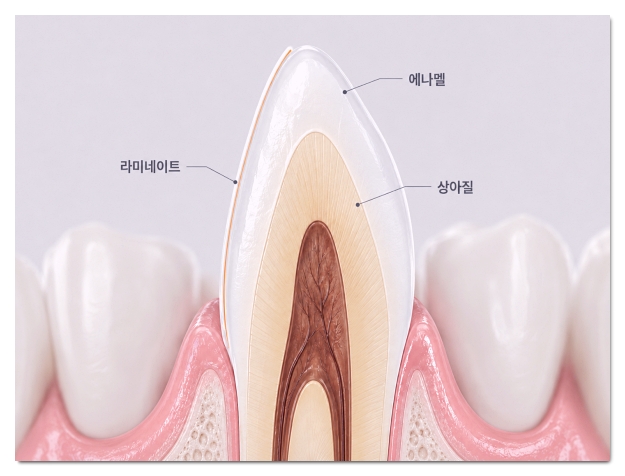
An alternative is no-prep or minimal-prep veneers.
The tooth surface is finely adjusted by approximately 0.1–0.3 mm, or, depending on the condition of the teeth, the procedure may be performed without removing any tooth structure.
Because the natural teeth are preserved as much as possible, concerns about side effects such as sensitivity, veneer detachment, and cavities can be substantially reduced.
You may think, “Then can't I simply have as little tooth structure removed as possible?”
However, an essential condition for reducing the amount of tooth reduction is that the veneers themselves must be thin.
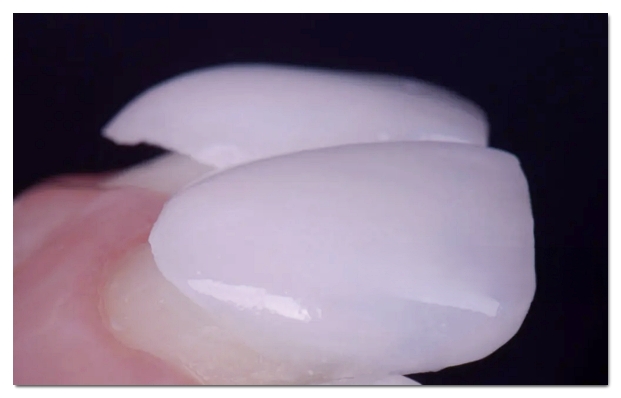
The thickness of veneers varies depending on how they are made.
There is a method in which they are milled by machine and another method in which material is layered with a brush, known as the build-up method.
Because of the characteristics of the material, machine-milled veneers can be somewhat thicker, which may result in a relatively greater amount of tooth reduction.
You may be wondering, “Which method should I choose?”
The key information on reducing side effects with no-prep and minimal-prep veneers is explained in detail in the article below.
Please be sure to read it.
Key Points on How to Whiten Yellow Teeth
-
If the cause is staining from coffee, smoking, or similar factors, teeth whitening may be effective
-
When the enamel has worn down and the dentin is visible through it, veneers may be more suitable
-
With veneers, it is important to minimize the amount of tooth reduction
-
To make yellow teeth whiter, an accurate diagnosis of the cause of discoloration should come first rather than choosing a particular procedure unconditionally
Thank you. This has been Park Jae-hyeong.