Hello. I’m Park Jae-hyung, director of Wonjin Dental Clinic.
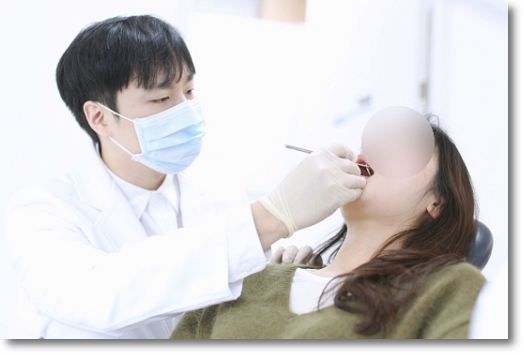
I’m in my 40s. Is it too late
to get orthodontic treatment?
Many people are interested in orthodontic treatment but hesitate to start because the treatment period and cost feel burdensome.
In particular, patients in their 30s and 40s often worry about whether treatment will actually be effective if they start now.
Even after reaching adulthood, tooth alignment and bite problems can be improved sufficiently.
However, depending on your oral condition and treatment goals, more efficient cosmetic treatments may also be worth considering.
Today, I will summarize the types and features of adult orthodontic treatment, the conditions required, alternative treatment methods, and frequently asked questions.
Table of Contents
-
Types and Features of Orthodontic Treatment
-
Is It Too Late for Adult Orthodontic Treatment?
-
What Conditions Are Required for Adult Orthodontic Treatment?
-
Why Veneers May Be Recommended
-
Frequently Asked Questions
-
Types and Features of Orthodontic Treatment
Adult orthodontic treatment can be divided into four types according to the appliance used.
Metal Braces
This is the orthodontic method that has been used for the longest time.
It moves the teeth by attaching metal brackets to their surfaces, and its advantage is that it can be applied to a wide range of cases.
It is also widely used when substantial tooth movement or relatively complex orthodontic treatment is required.
Self-Ligating Braces
This is the most commonly used method for adult orthodontic treatment.
It uses ceramic appliances similar in color to the teeth and a “self-ligating” system, in which clips attached to the appliances are opened and closed instead of using fine wires to tie the archwire.
Its advantages include lower friction, faster tooth movement, and less discomfort.
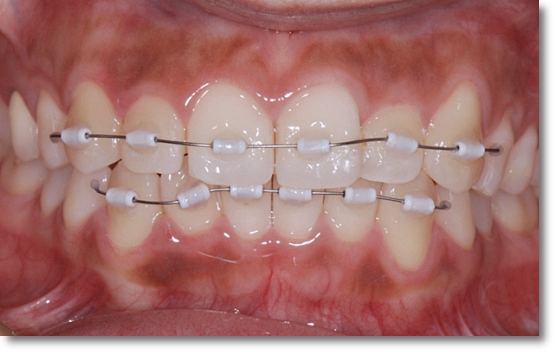
The appliance in the photo above is an MTA rapid orthodontic appliance.
Clear Aligners
This method gradually moves the teeth by replacing clear appliances at regular intervals.
Because the appliances can be removed, maintaining hygiene is relatively convenient, and the fact that you are undergoing orthodontic treatment is not very noticeable.
However, it cannot be applied in the same way to every tooth-alignment condition, so an accurate diagnosis is necessary.
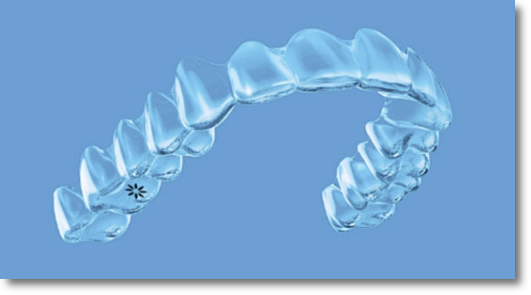
The method shown in the photo above is clear aligner treatment (Invisalign).
- Is It Too Late for Adult Orthodontic Treatment?
The possibility of orthodontic treatment is not determined solely by age.
This is because teeth can still move sufficiently after adulthood when appropriate force is applied.
Leaving uneven tooth alignment untreated for a long time can actually lead to various problems.
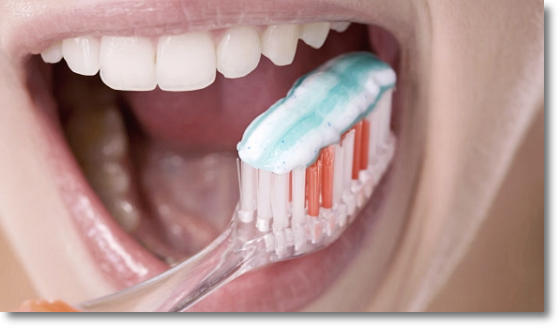
Plaque and tartar can build up in areas that are difficult to brush, increasing the risk of cavities or gum disease,
or excessive force may become concentrated on certain teeth, worsening bite imbalance.
In particular, if gum health deteriorates, it can affect the orthodontic treatment plan.
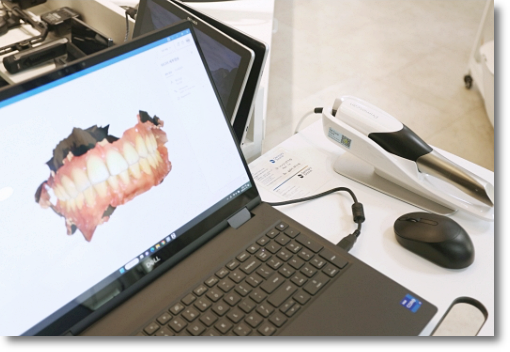
Therefore, it is important to accurately diagnose your current condition and begin treatment at an appropriate time.
- What Conditions Are Required for Adult Orthodontic Treatment?
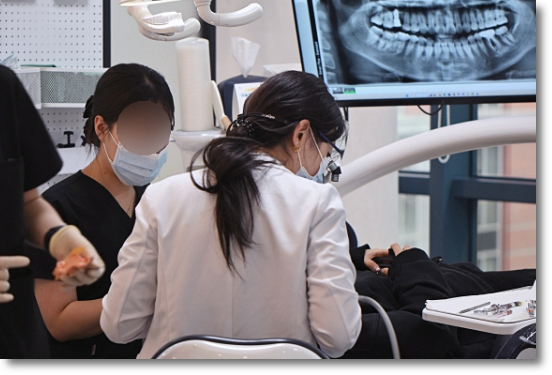
Adult orthodontic treatment is possible in most cases when the alveolar bone has sufficient thickness and density and the gum tissue is healthy.
This is because the condition of the gums and alveolar bone serves as the “foundation” of orthodontic treatment.
If treatment is carried out when this foundation is inadequate, various problems may occur.
For example, gum recession may gradually occur, exposing the tooth roots,
and insufficient support during tooth movement may prevent the teeth from moving in the desired direction.
In severe cases, stress may be placed on the structures supporting the teeth, causing them to become loose.
Therefore, in adult orthodontic treatment, it is more important to accurately assess the health of the gums and alveolar bone than the tooth alignment alone.
- What If Adult Orthodontic Treatment Is Difficult?
“I have weak jawbone around my teeth. Is there really no other option?”
One alternative treatment that may be considered in this situation is veneers.
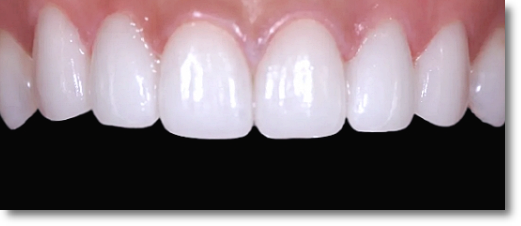
Veneers improve the shape and color of the teeth by lightly trimming the tooth surface and attaching ceramic restorations.
Unlike orthodontic treatment, which moves the teeth themselves, veneers do not change their position.
Therefore, the risk of root resorption, a side effect in which the tooth roots become shorter, is relatively low.
They can also improve complex problems caused by the size, shape, and alignment of the teeth at the same time.
In other words, veneers are a procedure through which patients may expect the results they want even when tooth movement is difficult.
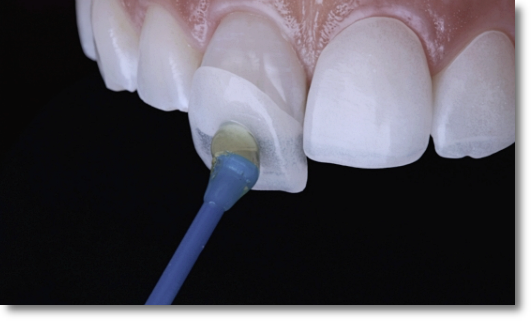
Minimal-preparation/no-preparation veneer restorations must be built up layer by layer by a dental technician to achieve color and translucency similar to natural teeth.
However, excessive tooth reduction can cause sensitivity, so it is important to proceed with minimal or no preparation whenever possible.
(Especially if you are considering orthodontic treatment, the amount of tooth reduction may increase substantially because of alignment issues.)
As the amount of reduction increases, so does the risk of side effects such as tooth sensitivity and veneers coming loose.
Knowing these points in advance can help reduce regret and lower the risk of complications.
I have described how to receive veneers safely in the article below.
Reading it together may be very helpful when deciding on treatment.
- Frequently Asked Questions
Q1. How long does adult orthodontic treatment take?
The treatment period varies considerably depending on the condition of the teeth and the amount of movement required.
Partial orthodontic treatment takes 6 months to 1 year, while more time may be needed when the entire bite must be adjusted or the range of tooth movement is extensive.
Q2. Is tooth extraction necessary for adults undergoing orthodontic treatment?
Whether extraction is necessary depends on whether there is enough space to align the teeth.
If space is insufficient, extraction may be necessary to create room for alignment.
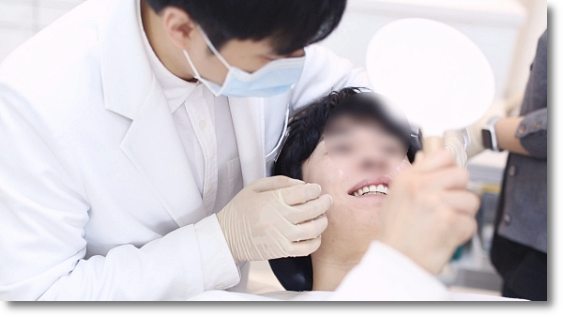
Q3. Which is the better treatment: orthodontics or veneers?
These two treatments should not be compared in terms of superiority because they serve different purposes.
Orthodontic treatment moves the position of the teeth, while veneers improve their shape and proportions.
Therefore, the appropriate treatment depends on whether the main issue is tooth alignment or whether the primary goal is cosmetic improvement.
Q4. Are orthodontic treatment and veneers ever performed together?
Yes, in some cases they are performed together.
The overall tooth alignment is organized with orthodontic treatment, and the shape or proportions of the front teeth are finished with veneers.
Q5. What is the most important criterion when deciding on treatment?
The most important criteria are the current condition of your teeth and the results you expect after treatment.
Rather than simply deciding on a specific treatment first,
it is advisable to compare various treatment methods, including orthodontics and veneers, through a detailed diagnosis before making a choice.
Conclusion
Adult orthodontic treatment is not something you need to hesitate over because of your age.
What matters is clearly understanding the current condition of your teeth and gums and what you want to improve through treatment.
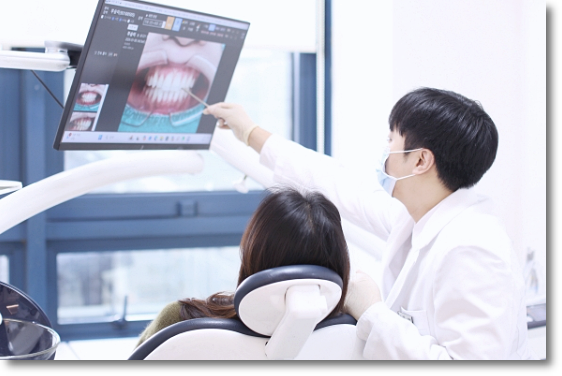
Therefore, I encourage you to compare the options that realistically suit your teeth through a thorough consultation.
Thank you. This was Park Jae-hyung.