Hello. I’m Dr. Jae-hyung Park, director of Wonjin Dental Clinic.
When I look into veneers, the cost varies by more than five times
from one dental clinic to another.
Why is that?
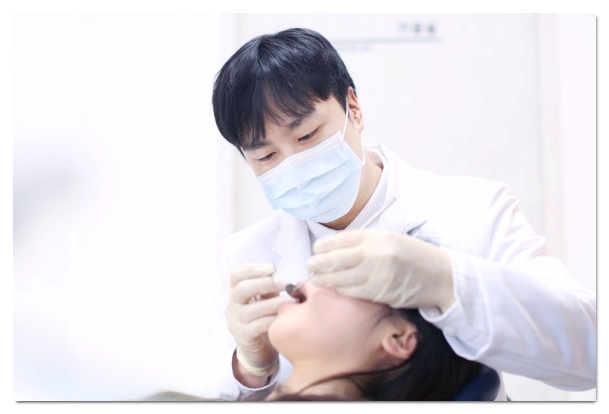
If you searched for the cost of no-prep veneers, you probably feel concerned about shaving down your natural teeth,
and want to change your front teeth with minimal or no tooth reduction.
This is also something I discuss and explain to patients every day in the consultation room.
Today, I’ll explain why the cost of no-prep veneers varies from one dental clinic to another, the factors that make up the cost,
and what you should check before your consultation to avoid regretting your veneer treatment.
Even after reading this post, you should have a clear basis for how to approach a veneer consultation.
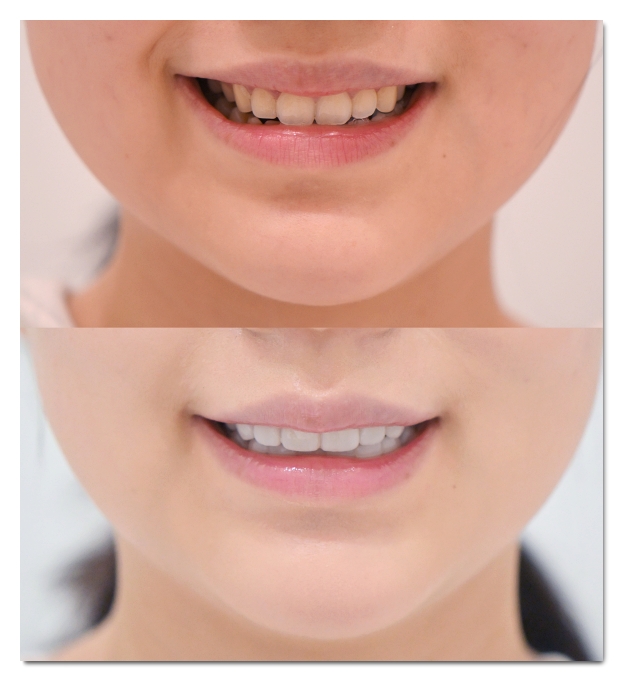
26.05.27 - 26.06.17
Table of Contents
-
What are no-prep veneers?
-
Teeth that are well suited to no-prep veneers and teeth that require caution
-
Why the cost of no-prep veneers varies between clinics
-
Why you should not focus only on a low price
-
3 things to check before your consultation
-
Frequently asked questions (FAQ)
What are no-prep veneers?
First, let’s clear up a common misunderstanding.
No-prep veneers do not mean a treatment in which teeth are “never shaved under any circumstances.”
The term refers to attaching thin ceramic veneers while minimizing tooth reduction or avoiding it altogether.
People often consider no-prep and minimal-prep veneers to be the same,
but no-prep veneers involve making virtually no reduction, while minimal-prep veneers involve very lightly refining the surface to create a natural thickness.
Both approaches have in common that they do not significantly reduce the teeth, but the appropriate method ultimately depends on the condition of your teeth.
Teeth that are well suited to no-prep veneers and teeth that require caution
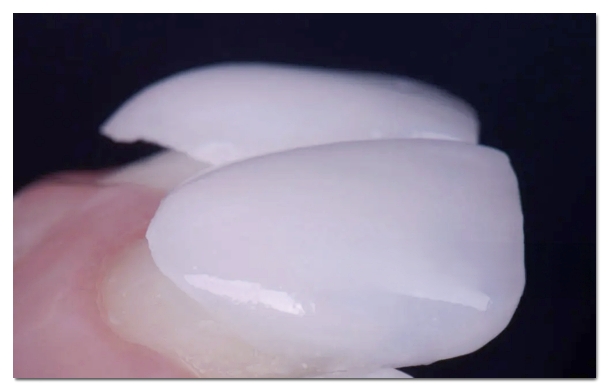
No-prep veneers tend to work well when the teeth are positioned inward or are small in size—what is often called microdontia—and adding a little volume improves their appearance.
On the other hand, if the front teeth protrude, have gaps, or are severely discolored, proceeding with no-prep veneers alone may make the teeth look thicker and press against the lips, making the mouth appear more protruding and the result look unnatural.
That is why the first thing to check—not the cost—is whether your teeth are suitable for no-prep veneers.
Why the cost of no-prep veneers varies between clinics
Veneers are generally priced per tooth, and the key factor that determines the price is ultimately “what needs to be addressed.”
If only the color and shape need to be refined, the planning is relatively simple and the cost is generally not as high.
By contrast, if the alignment or length of the front teeth also needs to be adjusted, the design process becomes more precise and requires more time and work.
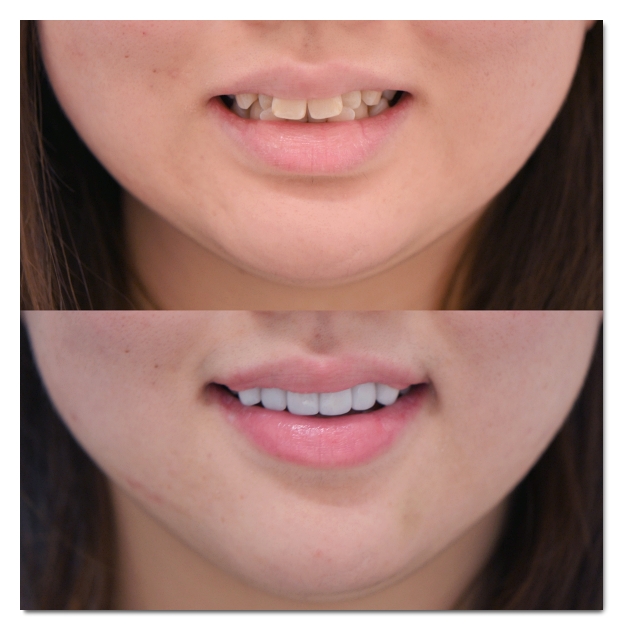
In the case shown above, the upper and lower teeth were coming into contact with each other, and alignment adjustment was also needed. (26.05.14–26.05.22)
In addition, if you want no-prep or minimal-prep veneers, it is first necessary to check whether that approach is actually possible for your teeth.
If existing veneers need to be revised, the current veneers may have to be removed and a new design process added.
(In our case, when redoing veneers, we use a Waterdrop Laser to weaken the bonded areas and separate the veneers rather than simply grinding them away, in order to minimize tooth reduction.
As a result, the procedure may take longer than a standard treatment method.)
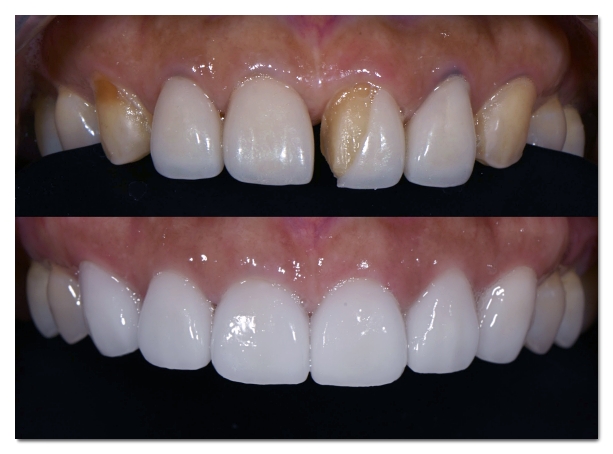
This case involved retreatment after veneers performed at another dental clinic had fallen out and broken. (26.05.06 - 26.06.10)
The complexity of these cases, combined with the type of ceramic and the method used to match the color, creates differences in cost between clinics.
In general, veneer prices range widely, from around 300,000 won per tooth to more than 1 million won.
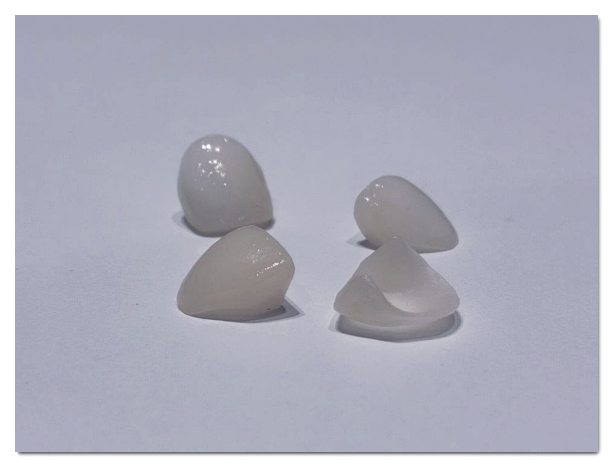
The final quality varies depending on the choice of material, such as resin or ceramic, and on whether the color is built up by hand layer by layer or a machine-milled product is bonded to the tooth.
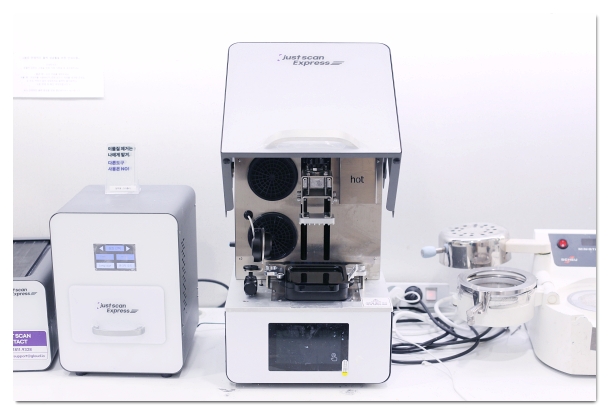
“You don’t necessarily have to use a hand-crafted method, do you? Wouldn’t a cost-effective machine-made method be fine?”
You may be thinking this.
However, the machine-made method has limitations when it comes to producing extremely thin veneers.
(The veneer can break while the machine is milling it. That is why machine-made veneers tend to be thicker than hand-crafted ones.
For this reason, we also further refine machine-milled veneers by hand so that they can be made thinner.)
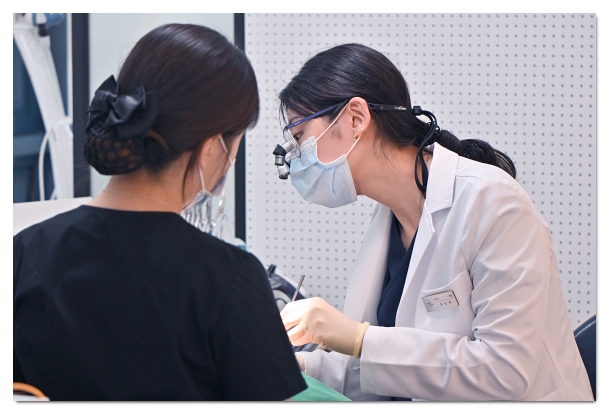
To reduce the amount of tooth reduction, the veneers also need to be thin.
(Many people say that if thick veneers are placed without reducing the teeth, the teeth can look much larger or make the mouth look protruding.)
I have explained these points in more detail below.
They are useful things to know before your consultation, so please be sure to read them.
Returning to the main point,
in addition to the visible price per tooth, clinics differ in how much they include at each stage, such as detailed examination, temporary setup, color adjustments, follow-up checks, and after-sales service.
It is therefore better to compare costs from the perspective of the total price.
Why you should not focus only on a low price
If you make a decision based only on an unusually low price, the color and shape may not be matched carefully to your individual teeth, resulting in an unnatural appearance.
In some cases, additional retreatment costs may also arise within a few years because the veneers come off or become stained.
(This is also why we perform many retreatment procedures.)
Because the front teeth affect the impression of your face, you should consider not only the simple price per tooth but also the accuracy of the diagnosis and the precision of the finishing work.
Many people also come to us after their veneers have broken because their bite was not properly adjusted, as shown below.
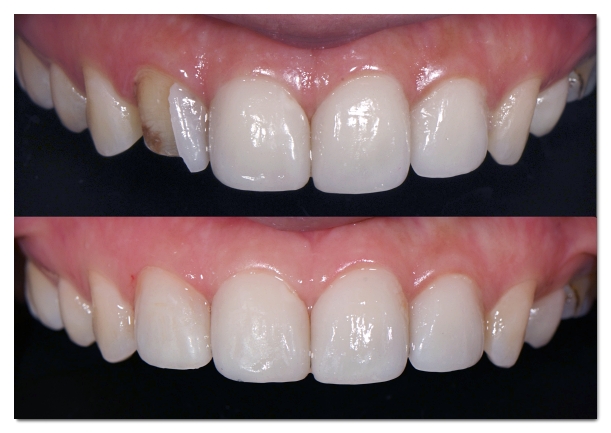
This case involved making only one veneer after the veneer on the upper left central incisor had broken at another dental clinic. When only one veneer is remade, it is more difficult because its color and shape must be matched closely to the neighboring veneer. (26.06.01 - 26.06.08)
3 things to check before your consultation
If you go for a consultation, I recommend that you make sure to check these three things.
First, the basis for the diagnosis of whether your teeth are suitable for no-prep veneers.
Some people were told that no-prep veneers were possible, only to be surprised when a considerable amount of tooth reduction was actually required.
Second, what material will be used and how will it be made?
Ceramic is important, but so is the bonding agent. With the hand-crafted method, the dental technician repeatedly builds and fires each layer by hand, so it requires considerable time and effort.
Third, whether the quoted cost includes the examination and aftercare.
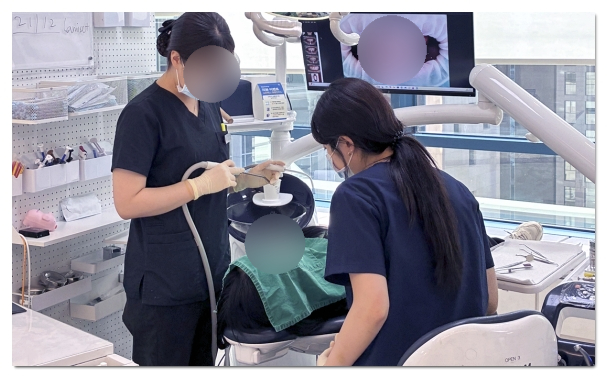
Many people come to our clinic for retreatment because veneers that were placed elsewhere fell out or broke and were not covered by after-sales service, so be sure to check the after-sales service period as well.
Frequently asked questions (FAQ)
Q. Are no-prep veneers really made without shaving the teeth at all?
It depends on the case. Some cases can be treated without tooth reduction, while others require very slight reduction to achieve a natural result.
Q. How long do they last?
It depends on maintenance and the condition of the bite, but if they are made accurately and checked regularly, they can be used for 10 years or longer, and in some cases for as long as 20 years.
Q. How can I find out the exact cost?
Because the condition of the teeth, the number of veneers, and the materials differ from person to person, the most accurate way to learn the exact cost is through an examination and consultation.
The cost of no-prep veneers should ultimately begin not with “how much,” but with “is this the right method for my teeth?”
This is because even no-prep veneers can vary in both results and cost depending on the diagnosis, materials, and quality of the finishing work.
Rather than comparing numbers alone, receiving an accurate diagnosis of whether a natural result can be achieved while minimizing tooth reduction is the first step toward making a choice you will not regret.
Thank you. This was Dr. Jae-hyung Park.