Hello, I’m Park Jae-hyung, the director of Wonjin Dental Clinic.
My teeth suddenly look yellow.
I tried a whitening product, but they still haven’t gotten whiter.
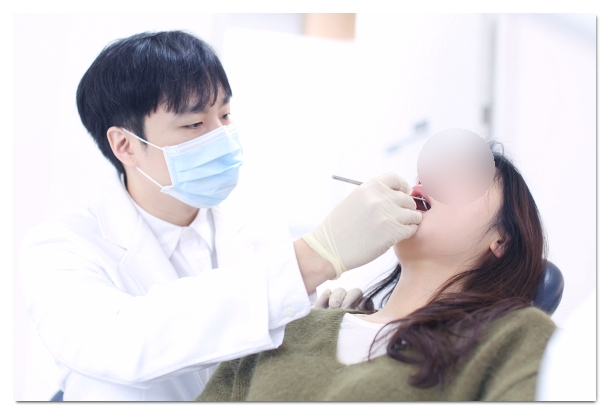
You may have looked in the mirror and become concerned that your teeth seemed yellower than before.
One of the questions I hear most often in the treatment room is why teeth turn yellow
and whether they will become white again with whitening.
To get straight to the point, tooth discoloration can be divided into cases that can be addressed with whitening and cases that cannot, depending on the cause.
That is why, rather than immediately looking for a whitening product, it is most important to first understand why your teeth have become yellow.
Today, I’ll explain why teeth turn yellow and four ways to properly address tooth discoloration.
Contents
-
Why teeth turn yellow: surface staining and internal discoloration are different
-
4 proper ways to address yellow teeth
-
Frequently asked questions
-
Conclusion
Why teeth turn yellow: surface staining and internal discoloration are different
Tooth discoloration is broadly divided into two types.
1. Extrinsic staining
The first is extrinsic staining.
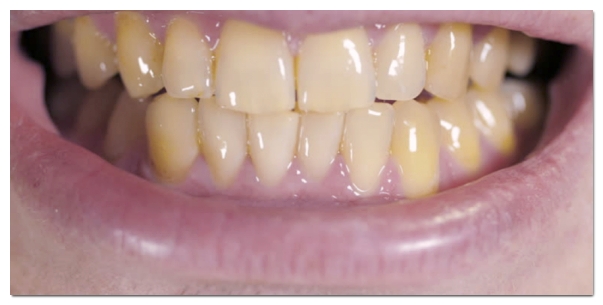
This occurs when pigments from strongly colored foods such as coffee, black tea, red wine, and curry, or from smoking, gradually build up on the tooth surface.
If one or two cups of coffee consumed every day accumulate over a long period, the yellowish appearance can gradually become more pronounced without you realizing it.
However, because this staining is deposited on the surface of the enamel, the outermost layer of the tooth, it is relatively easy to remove.
2. Intrinsic discoloration
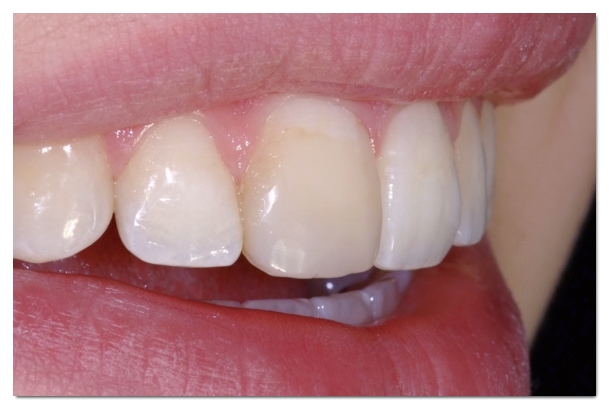
The second is intrinsic discoloration.
This includes cases where the outer enamel becomes thinner with age, allowing the inner dentin to show through and appear yellow;
where a tooth that has undergone root canal treatment becomes darker over time;
or where the tooth structure itself became stained after taking certain antibiotics during childhood.
Because this discoloration originates inside the tooth rather than on the surface, it cannot be resolved simply by brushing it away or cleaning the surface.
Even when teeth appear to have the same yellowish color, the causes can differ in this way, so the appropriate solutions will also differ.
4 proper ways to address yellow teeth
The first is scaling and proper toothbrushing.
If surface staining is the main cause, oral hygiene is the first area to assess.
Regular scaling to remove tartar and surface stains, along with the habit of lightly rinsing with water after consuming strongly pigmented foods, often makes the yellowish appearance noticeably lighter.
This is the most basic step to try before considering whitening, and surprisingly, many people are satisfied with this process alone.
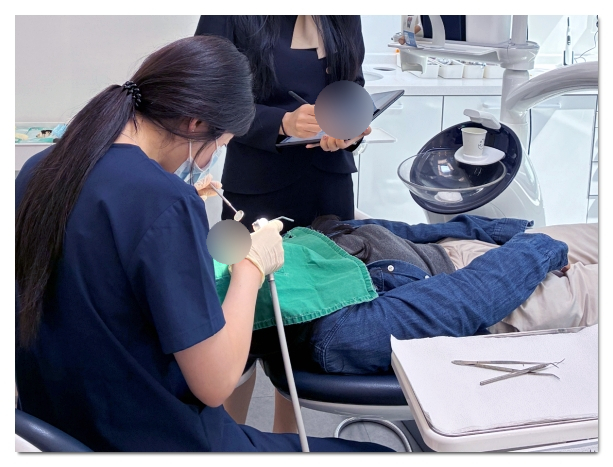
The second is professional teeth whitening.
If the color does not become sufficiently lighter with scaling and the discoloration is extrinsic, whitening may be considered.
Professional whitening performed at a dental clinic allows the concentration of the whitening agent and the application time to be adjusted according to the condition of the teeth, so more consistent color improvement can be expected than with over-the-counter products.
However, some people may experience tooth sensitivity, so a preliminary examination of the teeth and gums is essential before starting.
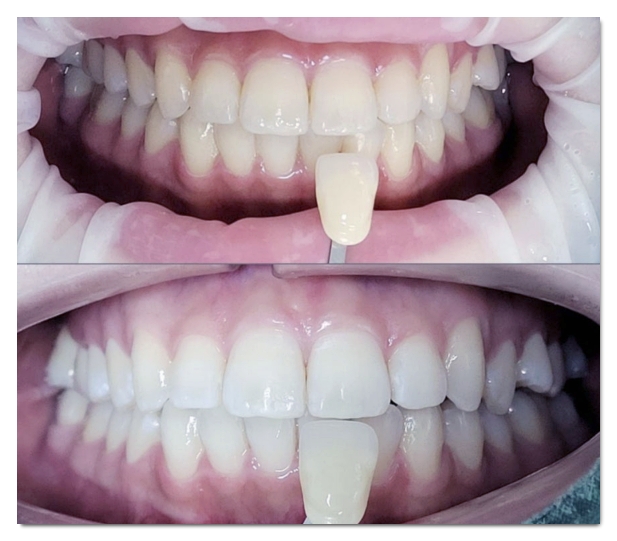
2026.06.01
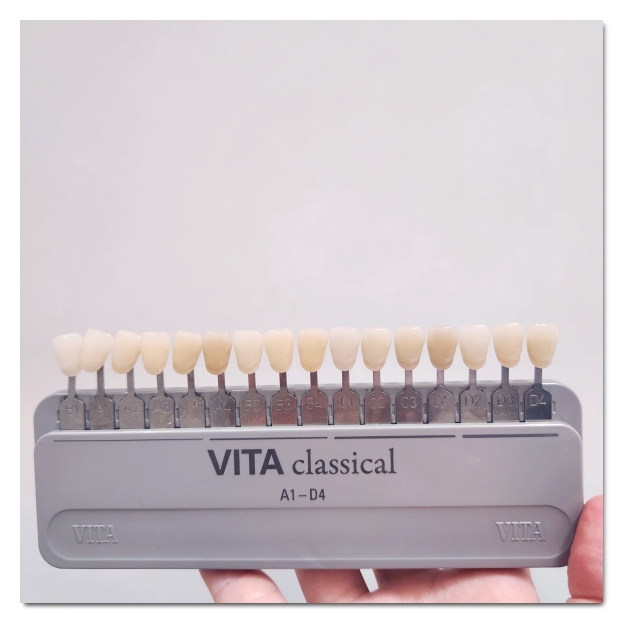
The third is internal whitening for teeth that have become discolored after root canal treatment.
If just one front tooth that has undergone root canal treatment has become noticeably darker, the effect of conventional whitening applied from the outside may be limited.
In such cases, non-vital tooth whitening is performed by placing a whitening agent inside the tooth to brighten it from within.
Since the cause of the discoloration is inside the tooth, it is necessary to use an approach suited to the location of the cause to achieve a natural-looking color.
The fourth is veneer treatment.
In cases of antibiotic-related discoloration or a limited response to whitening, veneers may be considered to improve both the tooth color and shape.
Veneers are a treatment in which thin porcelain shells are bonded to the tooth surface to improve its shape and color.
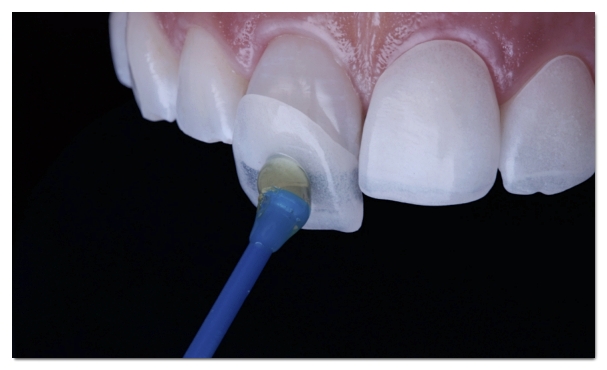
However, the fabrication methods differ, including methods in which the veneer is milled by machine and methods in which it is built up layer by layer with a brush and fired.
The amount of tooth reduction required for veneers is also important.
The less tooth structure that is removed, the more natural tooth structure can be preserved, while also reducing the likelihood of side effects such as sensitivity, veneer detachment, secondary cavities, and bad breath.
Therefore, the first priority should be determining whether no-prep or minimal-prep treatment is possible for your teeth.
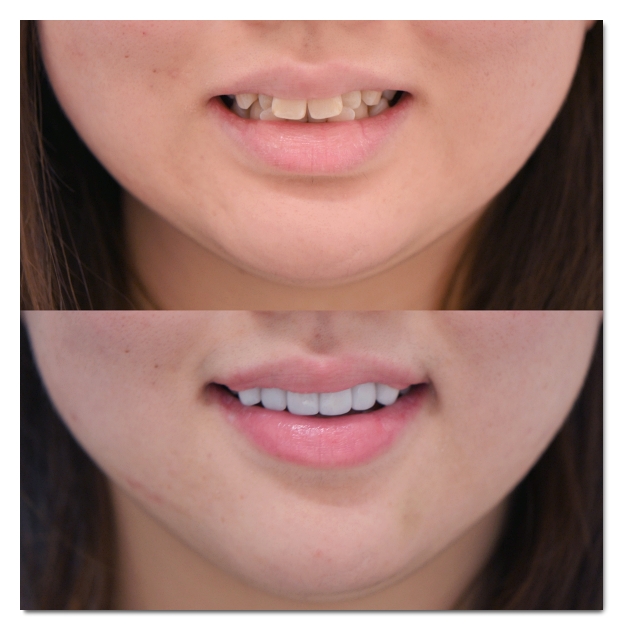
26.05.14~26.05.22
Many people also wonder how they should receive a veneer consultation.
I have written about it in the article below, so please be sure to read it before your consultation.
Frequently asked questions
Q. Does teeth whitening last for life once it is done?
A. No. Teeth may become stained again after whitening depending on lifestyle habits such as drinking coffee and smoking, so regular maintenance is necessary.
Q. Are at-home whitening products enough on their own?
A. They may help with mild surface staining, but if they are used without knowing the cause of the discoloration, their effectiveness may be limited and they may irritate the gums. It is safer to receive an examination first.
Q. Are yellow teeth related to cavities?
A. Discoloration and cavities may be unrelated, but an area that appears dark may sometimes be an early sign of a cavity. If the color change persists, it is a good idea to get an examination.
Conclusion
The reason teeth turn yellow may be surface staining or discoloration inside the tooth.
Even when teeth appear to have the same yellowish color, the necessary solution will differ if the underlying cause is different.
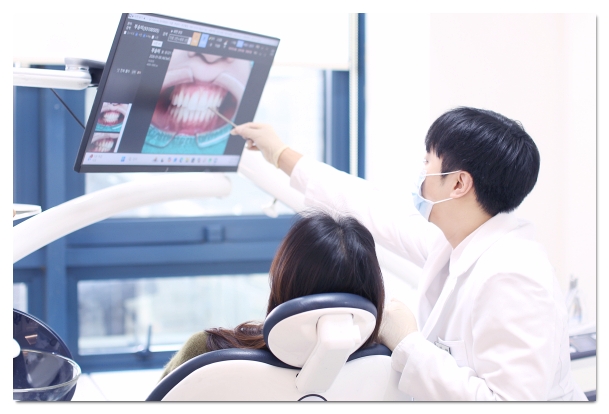
Rather than choosing a product based on your own judgment, it is more efficient in both time and cost to first identify the exact cause and then choose the appropriate method.
Thank you. This was Park Jae-hyung.