Hello.
I am Jae-hyung Park, director of Wonjin Dental Clinic.
“I was told I need a crown,
but I don’t know which type to choose.”

A crown may be needed to protect a tooth when it is severely damaged or has become significantly weakened after root canal treatment.
However, when you actually start considering treatment, the variety of dental crown types can make it difficult to decide which one to choose.
Since each material differs slightly in strength, aesthetics, and the areas where it is best suited,
it is important to understand the characteristics of each type before selecting the material that suits your current dental condition.
Today, I will summarize the differences between all-ceramic, PFM, and zirconia crowns, along with the criteria for choosing among them.
Table of Contents
-
What is a dental crown?
-
Differences between all-ceramic, PFM, and zirconia crowns
-
Which type of dental crown is right for me?
-
Aftercare for long-term use
-
Conclusion
What Is a Dental Crown?
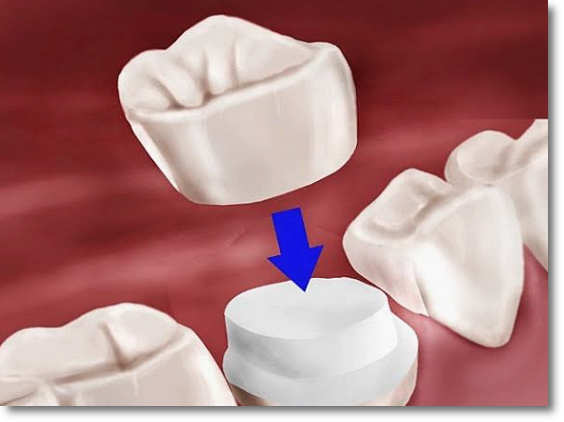
A crown is a dental prosthesis made to completely cover a damaged tooth and restore its strength and function.
When tooth decay has progressed deeply or a major fracture has occurred, the remaining tooth structure may not be able to withstand chewing forces on its own.
In such cases, covering and protecting the entire tooth with a crown made to match its shape can help prevent further damage.
-
When the tooth needs protection after root canal treatment
-
When the decay is extensive and treatment with a filling or inlay is difficult
-
When the tooth is severely fractured or cracked
-
When a prosthesis is being made over a dental implant
These are some of the most common situations in which this treatment is performed.
Differences Between All-Ceramic, PFM, and Zirconia Crowns
The most commonly used crown materials can be broadly divided into three types.
- All-Ceramic Crowns
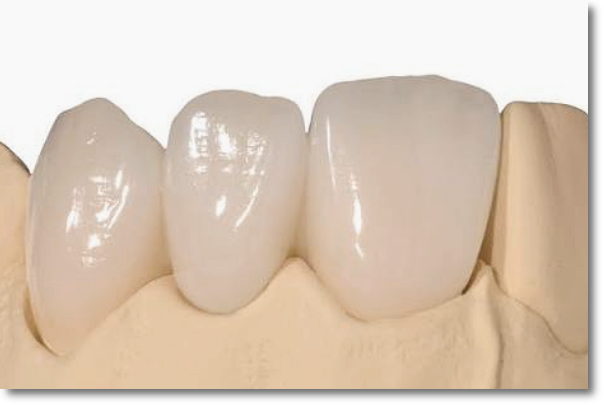
All-ceramic crowns are made entirely of ceramic, without any metal.
They have excellent aesthetic qualities because their color most closely resembles that of natural teeth and they transmit light naturally.
They are often used in highly visible areas, such as the front teeth.
Advantages
Disadvantage
- May be limited for molars exposed to repeated strong forces
- PFM Crowns
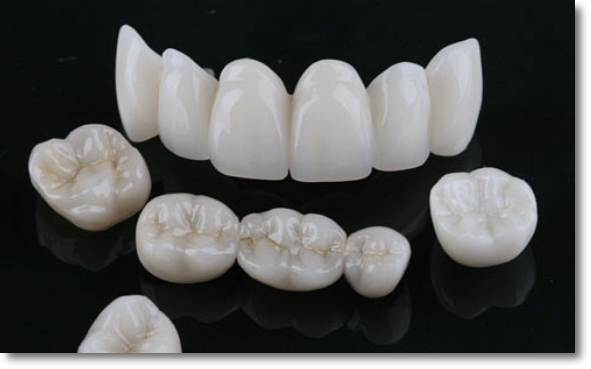
PFM crowns consist of porcelain layered over a metal base.
They have been used for a long time and offer relatively reliable durability.
However, the metal may become visible around the gum margin over time, and the porcelain portion may chip or fracture.
Advantages
Disadvantages
-
Aesthetics may be compromised if the metal becomes visible
-
May be unsuitable in certain cases, such as nickel allergies
- Zirconia Crowns
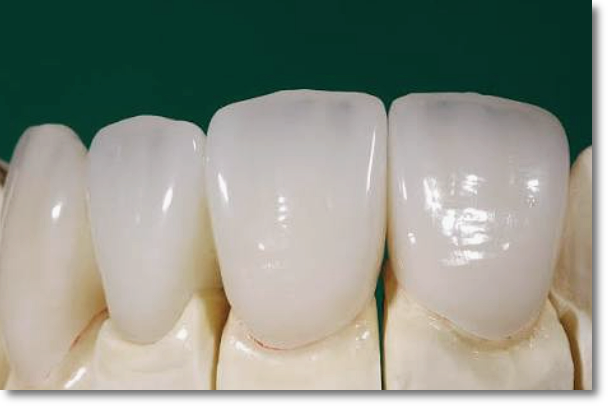
Zirconia is one of the materials selected most often in recent years.
One of its advantages is that it offers very high strength while also providing good aesthetics.
It is often used in areas exposed to substantial chewing forces, such as molars and canines.
Advantages
Disadvantage
- May be less translucent than all-ceramic crowns
Which Type of Dental Crown Is Right for Me?
“Then is zirconia, which has the highest strength and excellent aesthetics, the best option?”
If you compare only the differences between the materials, you may naturally come to this conclusion.
However, the important thing is to find the material that is suitable for your teeth.
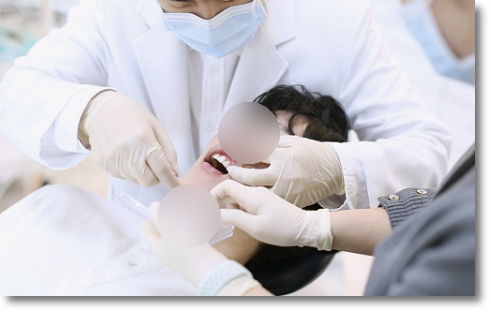
For example, all-ceramic crowns may be suitable for front teeth, where a natural color is especially important.
On the other hand, zirconia may provide longer use in areas that receive strong chewing forces, such as the molars.
The amount of remaining tooth structure, the bite, and habits such as teeth grinding should also be considered.
This is because the selection criteria may differ between people with strong bite forces and those without them, even when the tooth is the same molar.
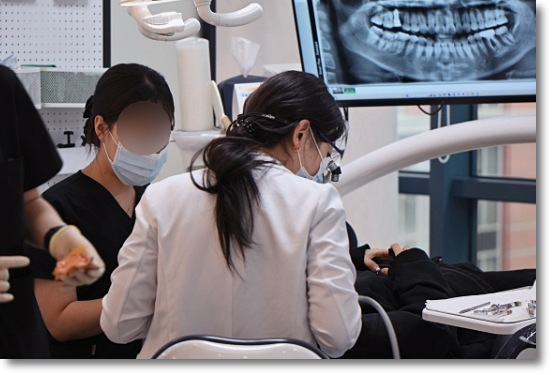
Rather than recommending a material first,
I also begin by examining the tooth’s location, the amount of remaining tooth structure, the bite, and the amount of force normally applied.
I then explain the advantages and disadvantages of each option.
Through this process, patients can choose a treatment method that suits their current condition.
After thoroughly assessing the current condition of the teeth, discussing the options with a dental professional is the most reasonable way to make a decision.
How to Choose a Dental Crown Type
| Tooth location | Recommended type | Reason |
|---|
| Front teeth | All-ceramic | Excellent aesthetics, with color and translucency similar to natural teeth |
| Premolars | All-ceramic / Zirconia | Choose by considering both aesthetics and strength |
| Molars | Zirconia | High strength and durability are advantageous in areas exposed to strong chewing forces |
| Implant crowns | Zirconia (PFM in some cases) | Commonly used because chewing forces are strong and durability is important |
| Bridges | Zirconia / PFM | Strength is needed to maintain the connected structure securely |
Aftercare for Long-Term Use
Since a crown is a prosthesis intended for long-term use after treatment, care following treatment is also important.
Even if you choose a highly durable material, its service life may be shortened if it is not properly maintained.
Following the habits below can help you use your crown for longer.
- Maintain thorough oral hygiene
In addition to brushing after meals, use dental floss and an interdental brush to keep the area where the crown meets the tooth clean.
- Be careful with hard or chewy foods
Habits that repeatedly apply strong force, such as chewing hard or chewy foods like ice, nuts, or dried squid, may increase the risk of crown damage.
Regularly checking the condition of the crown, the bite, and gum health can help detect and manage even minor problems at an early stage.
Ultimately, the best way to use a crown for a long time is to care for it consistently as you would your natural teeth.
Conclusion
Today, I discussed the different types of dental crowns and the differences between all-ceramic, zirconia, and PFM crowns.
Since a crown is a prosthesis used for a long time after treatment,
I hope you will fully understand the advantages and disadvantages of each material before making your choice.
Thank you. This was Jae-hyung Park.