Hello. I am Jae-hyung Park, the director of Wonjin Dental Clinic.
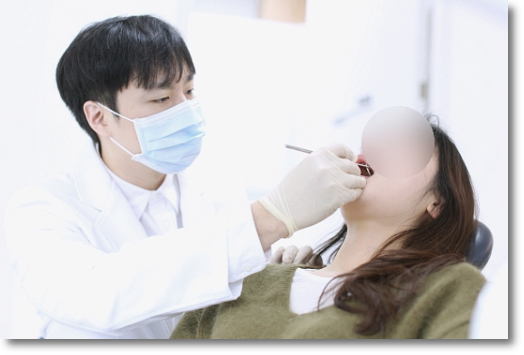
I am in my 40s. Is it okay to
start orthodontic treatment now?
This is a question I hear more often than you might expect during consultations.
Since the growth period has already passed, many people are concerned that tooth movement may be difficult
or that the treatment may be less effective.
To get straight to the point, being in your 40s alone does not mean that orthodontic treatment is too late.
This is because, for adult orthodontic treatment, the current condition of your teeth and gums is more important than your age.
Today, I will explain the criteria for determining whether orthodontic treatment is possible in your 40s, the available treatment methods, and the precautions you should know before treatment.
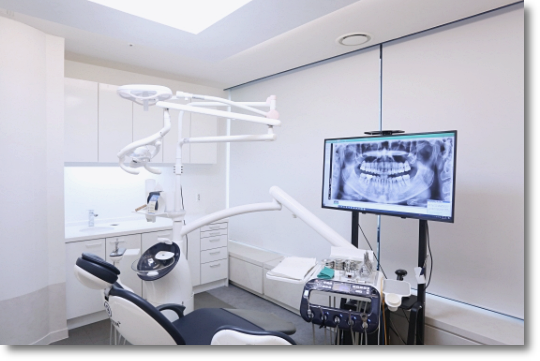
Table of Contents
-
Criteria for Determining Whether Orthodontic Treatment Is Possible in Your 40s
-
3 Types of Orthodontic Treatment for People in Their 40s
-
Precautions for Orthodontic Treatment in Your 40s
-
Frequently Asked Questions
-
Closing Remarks
Criteria for Determining Whether Orthodontic Treatment Is Possible in Your 40s
Even among people in their 40s, some can begin orthodontic treatment right away, while others may need different treatment first.
The deciding factor is not age, but the current condition of the mouth.
In the clinic, we first check the following three factors.
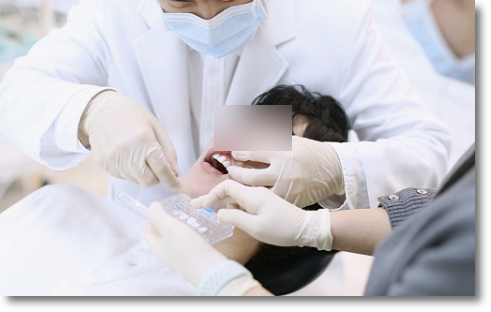
- Gum Health
This is the most important factor in adult orthodontic treatment.
If there is severe gum inflammation or periodontal disease, gum treatment must be performed first.
Because teeth move within the jawbone, healthy gums are essential for stable orthodontic treatment.
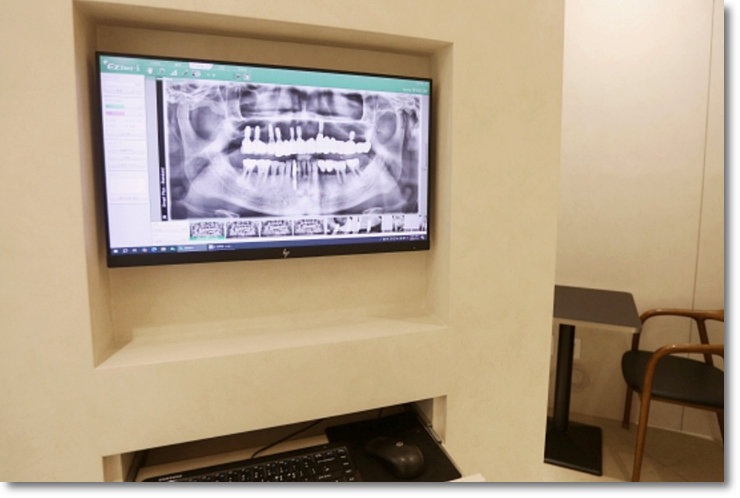
- Condition of the Alveolar Bone
It is also necessary to check whether there is enough bone to support the teeth.
If significant alveolar bone loss has occurred, the orthodontic treatment plan itself may need to be changed.
The condition of the bone must be examined in detail through X-rays and CT scans.
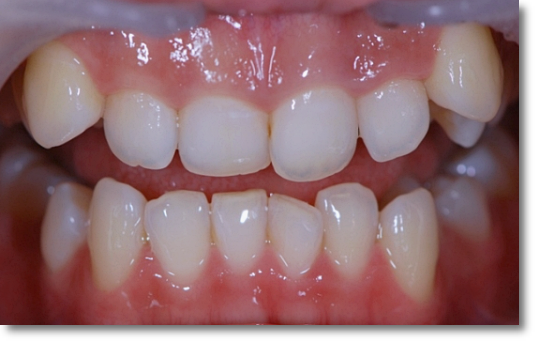
- Bite and Tooth Alignment
Even if the teeth only appear slightly crooked on the surface,
the treatment approach may actually change because of an imbalance in the bite.
Therefore, it is necessary to assess not only the alignment of the front teeth, but also:
A suitable treatment plan can be established only after considering these factors together.
3 Types of Orthodontic Treatment for People in Their 40s
There are several orthodontic methods,
but the treatments most commonly chosen by adults in their 40s can be broadly divided into three types.
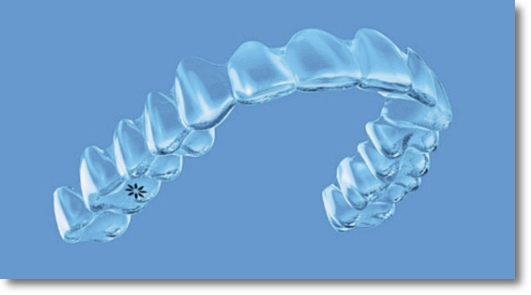
The photo above shows clear aligner treatment.
| Type of orthodontic treatment | Features | Recommended for |
|---|
| Metal braces | Highly durable and applicable to a wide range of cases | Complex malocclusion |
| Ceramic braces | Similar in color to natural teeth, offering excellent aesthetics | Those who place importance on appearance |
| Clear aligners | Removable and inconspicuous | Minor tooth movement or those who prioritize aesthetics |
However, rather than deciding on the orthodontic appliance first, it is important to determine what treatment is needed.
For example, conventional braces may be more suitable when significant bite adjustment is needed,
while clear aligners alone may provide sufficient results when only a small amount of tooth movement is required.
In other words, the treatment plan comes before the appliance.
There is one more thing you should remember.
Not every dental concern necessarily needs to be addressed with orthodontic treatment.
For example, if the gums are weak or the tooth roots are short, tooth root resorption and weakening of the alveolar bone may be expected during orthodontic treatment.
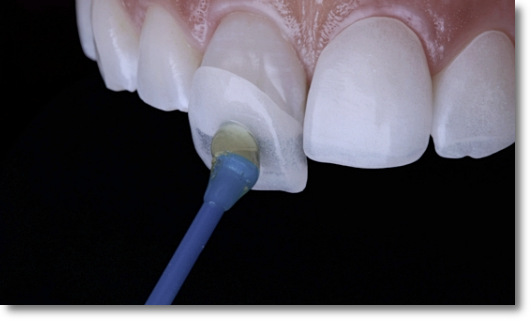
Also, if you want to improve the shape or color of the front teeth along with their alignment, veneers may be more suitable.
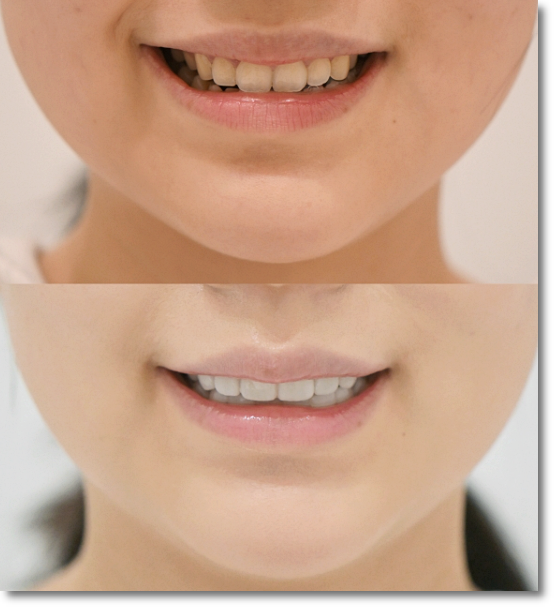
26.05.27 - 26.06.17
In such cases, veneers have the advantage of requiring much less time than orthodontic treatment and helping prevent damage to the alveolar bone and tooth roots.
However, if they are performed forcefully when the teeth are significantly misaligned, more tooth reduction may be required to create the desired shape.
The amount of tooth reduction can lead to sensitivity and various other complications, such as veneers becoming detached, so you should receive an accurate diagnosis first.
The article below explains how to receive veneers safely.
Reading it together may be very helpful when deciding on treatment.
Points to Be Aware of During Orthodontic Treatment in Your 40s
Adult orthodontic treatment requires somewhat more thorough care than orthodontic treatment during the growth period.
- Treatment may take a little longer.
Teeth may move somewhat more slowly in adults than during the growth period.
Therefore, it is important to proceed according to the treatment plan rather than trying to accelerate treatment excessively.
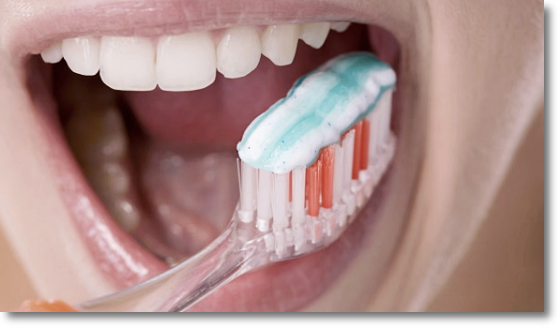
- Gum care is even more important.
Food can easily become trapped around orthodontic appliances, and inadequate brushing and flossing may cause gum inflammation.
It is recommended to receive regular scaling and checkups as well.
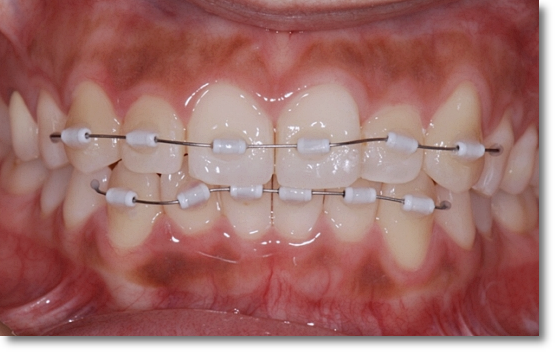
The photo above shows an MTA rapid orthodontic appliance.
- You must wear a retainer after orthodontic treatment.
Treatment is not completely finished just because the orthodontic treatment has ended.
Because teeth naturally tend to return to their original positions, you must wear a retainer consistently to maintain the results stably.
Frequently Asked Questions
Q. Do teeth still move well in your 40s?
If healthy gums and alveolar bone are maintained, tooth movement is possible regardless of age.
Q. How long does orthodontic treatment take in your 40s?
It varies depending on the scope of treatment, but in general, it often takes approximately 18 months to 2 years.
Q. Does orthodontic treatment weaken the gums?
Because the alveolar bone may weaken in some cases, an accurate diagnosis is important. It is also necessary to maintain consistent gum care throughout treatment.
Closing Remarks
Being in your 40s does not mean that orthodontic treatment is too late.
If your current condition is accurately diagnosed and an appropriate plan is established, treatment can be carried out successfully.
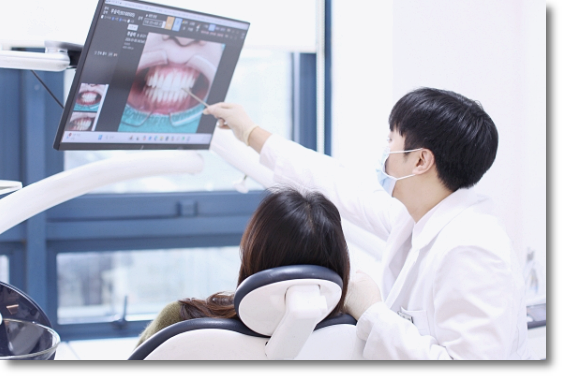
Therefore, please do not give up because of your age. I hope you will have a thorough consultation with a qualified dental professional who can explain the potential complications and prognosis in detail.
Thank you. This was Jae-hyung Park.