Hello, I’m Jae-hyung Park, the director of Wonjin Dental Clinic.
I’m hesitant because reviews about tooth reduction for veneers
sound frightening.
If I choose no-prep veneers,
doesn’t that mean my teeth won’t be reduced at all?
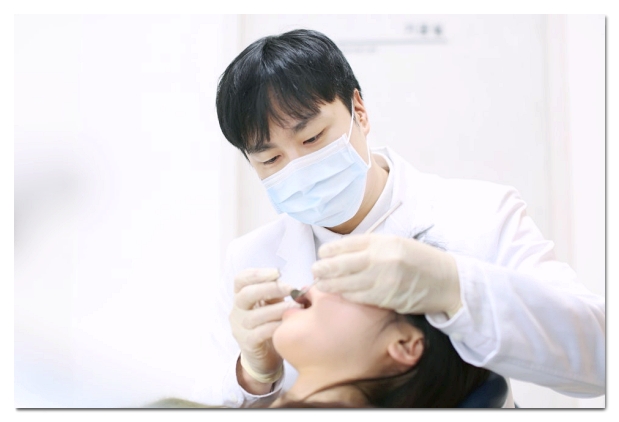
The biggest concern for people considering veneers is tooth reduction.
However, when I actually speak with patients in consultations, the cause of regret is usually not the fact that they had veneers. In most cases, it is that their teeth were reduced more than necessary, without a clear reason.
The issue is not the reduction itself, but the “amount and reason” for the reduction.
Today, I’ll explain why tooth reduction for veneers can lead to regret, how much reduction is appropriate for your teeth, and what you should confirm during a consultation.
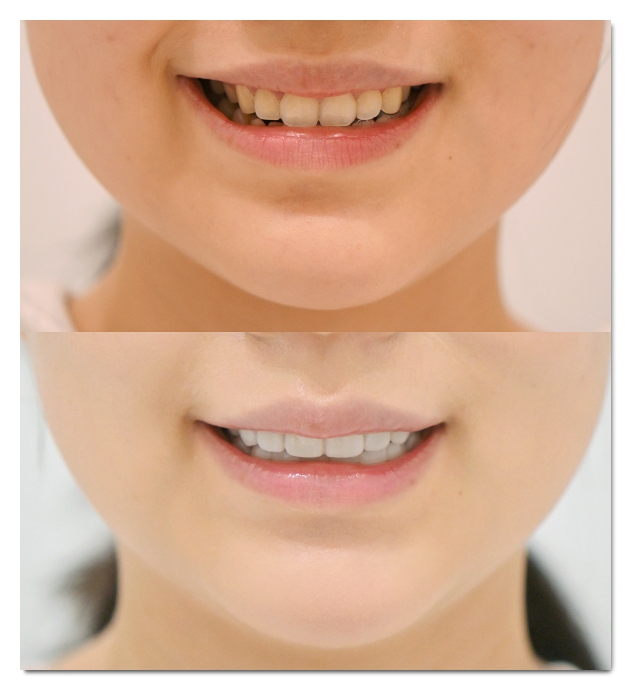
26.05.27 - 26.06.17
Table of Contents
-
Why can tooth reduction for veneers lead to regret?
-
How much should teeth be reduced for veneers?
-
Is there a way to reduce the amount of tooth reduction?
-
Are no-prep veneers always the best choice?
-
What should you confirm during a veneer consultation?
-
Frequently Asked Questions
Why can tooth reduction for veneers lead to regret?
The enamel, the outer layer of the tooth, has very little sensation.
The issue is the dentin beneath it.
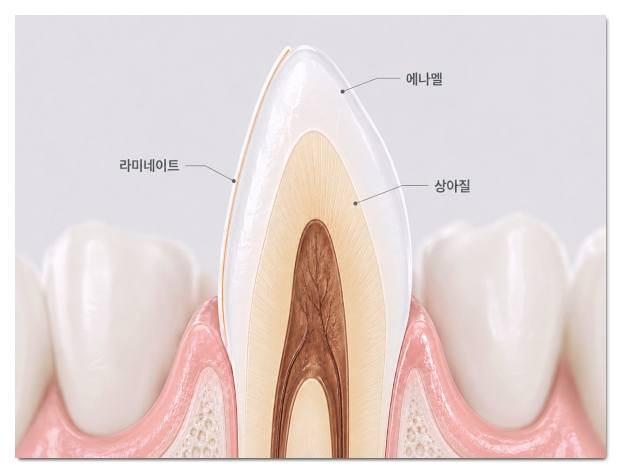
Dentin is connected to the nerve through microscopic channels. If a tooth is reduced enough to expose the dentin beyond the enamel, sensitivity to cold water or air may persist for a long time.
If the reduction goes deeper, it can affect the nerve and may lead to root canal treatment.
The bigger problem comes afterward.
Once a tooth has been significantly reduced, the available options become more limited even if you want to have it treated again later.
It can leave you in a situation where “even if you want to do it again, there is not enough tooth structure left to reverse the process.”
Ultimately, the reason people regret the treatment is usually not the veneer treatment itself, but the problem of setting the wrong reduction standard from the beginning.
How much should teeth be reduced for veneers?
The appropriate amount of reduction is not a fixed number; it is determined by the condition of the teeth.
It can generally be divided into three cases.
| Tooth condition | Reduction tendency | Reason |
|---|
| Small teeth (peg-shaped teeth) | No-prep to minimal reduction | Since the treatment involves adding material to enlarge the teeth, there is little reason to reduce them |
| Normal size and alignment | Minimal reduction | Only a thin layer within the enamel is reduced to create space for the ceramic |
| Protruding or large teeth | Minimal reduction may actually look more natural | Adding ceramic without reduction can make the teeth look thick and protruding |
The key is neither “never reduce the teeth” nor “reduce them extensively.”
It is knowing exactly how much is necessary for your teeth.
The reduction should also be performed within the enamel whenever possible, which can structurally reduce sensitivity and stress on the nerve.
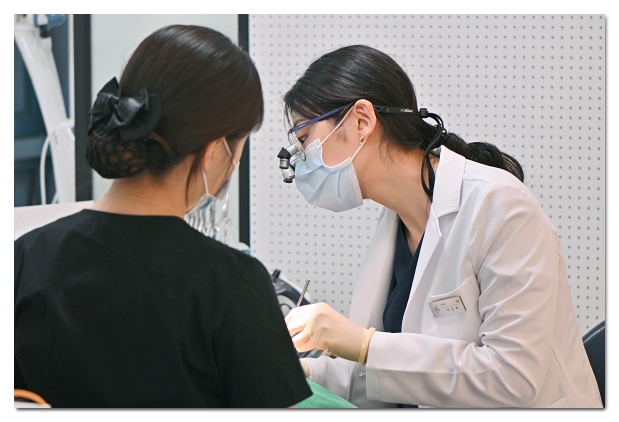
Is there a way to reduce the amount of tooth reduction?
The amount of reduction is not always predetermined; it can be reduced depending on the treatment approach.
One representative method is to create space in advance.
If the front teeth overlap or protrude and there is not enough space, placing veneers as they are may require substantial reduction.
However, if the teeth are slightly aligned first through partial orthodontic treatment, space can be secured in advance. This may greatly reduce the amount of reduction or even make it possible to proceed without reduction.
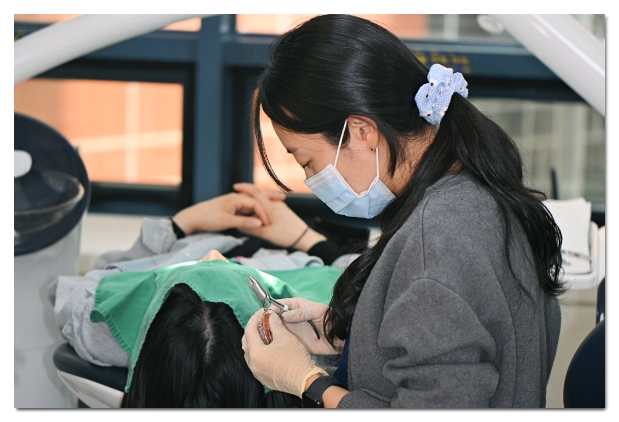
An orthodontic specialist is essential for orthodontic treatment.
This is why we design orthodontic treatment and aesthetic treatment as part of one coordinated process.
Rather than “creating space by reducing the teeth,” the goal is to “create space so that less tooth structure needs to be reduced.”
Even if it takes a little longer, protecting healthy teeth is the better option.
Are no-prep veneers always the best choice?
That does not mean insisting on no-prep veneers in every case is the answer.
If the teeth already protrude or are relatively large, adding ceramic without reducing them may instead make them look thick and protruding, or make the lips appear more prominent.
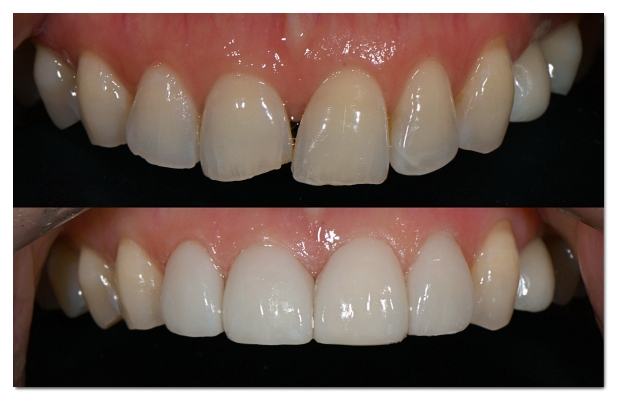
In the case below, the upper teeth were also positioned somewhat farther forward than average.
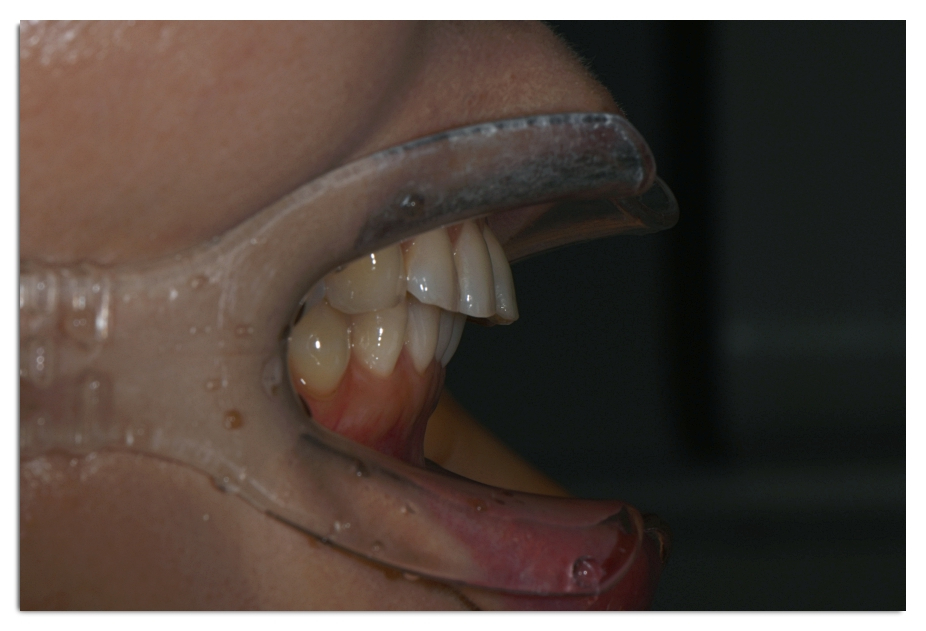
26.06.02
At first, veneers were placed with almost no tooth reduction, but the patient told us that the front teeth looked too large and protruding.
In cases like this, it is much more natural and stable to make adjustments using the minimum amount of reduction necessary so that the teeth do not appear excessively protruding.
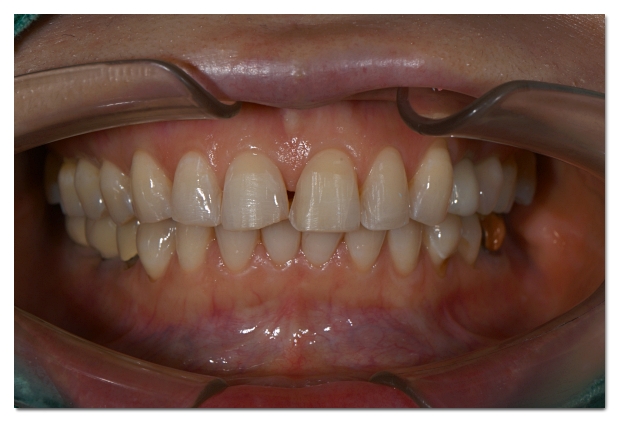
The photo above shows the teeth after minimal reduction. When reshaping teeth, it is important to minimize the amount of reduction and preserve as much enamel as possible. (26.06.02)
Whether the treatment should involve “no reduction or reduction” is not a matter of trends; it is determined by the condition of your teeth.
Teeth that can be treated without reduction should be treated without reduction, while teeth for which minimal reduction is preferable should be reduced only by that amount.
Accurately making this determination is one of the roles of a dental clinic and a measure of the dentist’s skill.
26.06.02 - 26.06.16
What should you confirm during a veneer consultation?
The surest way to avoid regretting tooth reduction for veneers is to ask questions such as these during your consultation:
“How much tooth reduction will I need? Is there a way to proceed without reducing my teeth?”
It is important that the dentist clearly explain the amount of reduction and the reason for it in understandable terms.
It is also important, whenever possible, to first suggest options that do not require tooth reduction.
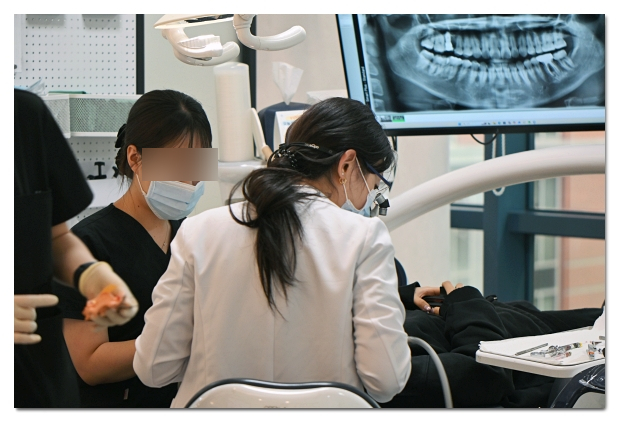
This is also why I first examine the condition of the teeth and consider whether no-prep veneers, minimal reduction, partial orthodontic treatment, or another approach would best minimize the amount of tooth reduction.
Once a tooth has been reduced, it cannot grow back.
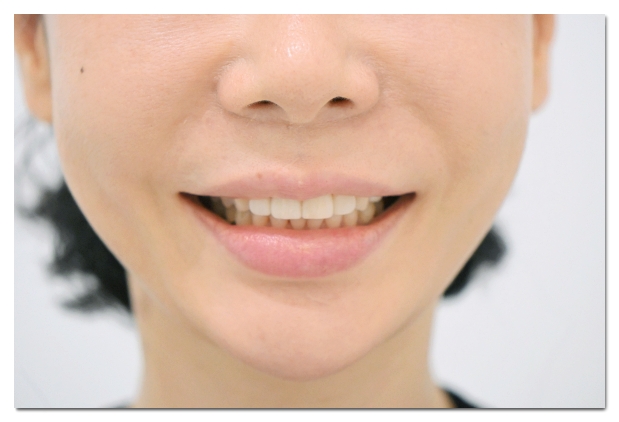
26.06.16
Frequently Asked Questions
Q. How much are teeth usually reduced for veneers?
With conventional veneers, the amount of reduction is often relatively substantial, ranging from 0.3 to 0.7 mm.
No-prep and minimal-prep veneers are characterized by minimizing the amount of reduction to approximately 0.01 to 0.2 mm.
Rather than focusing on a fixed measurement, it is important to have explained why that amount is necessary for your teeth.
Q. I heard that teeth remain sensitive for life after getting veneers. Is that true?
Sensitivity mainly occurs when teeth are excessively reduced beyond the enamel, exposing the dentin.
When no-prep or minimal-prep treatment is possible, the risk of sensitivity is significantly lower. Ultimately, the key factor is “the amount of reduction required in your case.”
Q. My teeth have already been significantly reduced. Can this be reversed?
Because enamel does not grow back, the reduction itself cannot be reversed.
However, it is possible to find the best approach for the remaining tooth structure, so we recommend having your current condition diagnosed first.
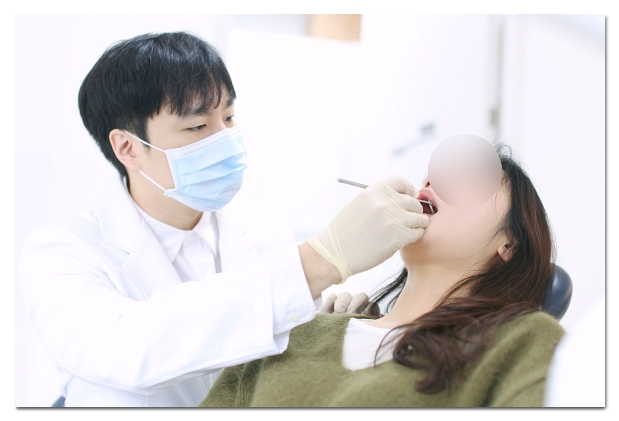
What matters with veneers is not “whether the teeth are reduced,” but “how much and why they are reduced.”
Since reduction cannot be reversed once it has been performed, make your decision at a clinic that explains the amount of reduction and the reasons for it in specific measurements during the consultation.
Thank you. This was Jae-hyung Park.