Hello.
I am Dr. Jae-hyeong Park, director of Wonjin Dental Clinic.

“My teeth are small, but so much of my gums show that it stresses me out.”
“My gum line is asymmetrical, so I cannot smile comfortably.”
Many people visit our clinic with concerns like these.
When too much gum shows while smiling, people often cover their mouths with their hands, which can also lead to a loss of confidence.
For this reason, some people look into gum contouring as a solution.
However, because the treatment method may vary depending on the cause, it is especially important to have your gum condition accurately diagnosed before the procedure.
Today, I will explain what gum contouring is, followed by the precautions you should know before undergoing the procedure.
Table of Contents
-
What is gum contouring?
-
What is the procedure like?
-
What are the limitations of gum contouring?
-
Precautions before the procedure
-
Frequently asked questions
What is gum contouring?
Even when our teeth are the same size, the overall impression can vary depending on how much of them is covered by the gums.
The teeth may appear short or asymmetrical from side to side.
Gum contouring involves removing excess gum tissue to create a more natural relationship between the teeth and the gum line.
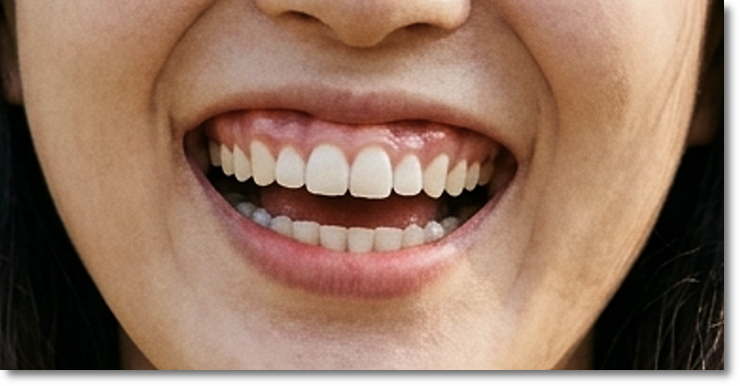
However, if there is not enough distance from the alveolar bone, simply removing the gum tissue can result in the gums growing back over time, increasing the likelihood of recurrence.
To maintain a stable shape, the position of the gum bone, or alveolar bone, must also be adjusted precisely.
A treatment that reshapes the alveolar bone to expose more of the tooth crown is called crown lengthening.
In other words, gum contouring should be understood as a treatment that creates a balanced gum line by considering the structure of the teeth, gums, and alveolar bone together.
What is the procedure like?
Many people feel nervous when they hear that the gums will be incised, imagining a major surgery.
In reality, the procedure is simpler than expected and generally takes only about 20–30 minutes.
-
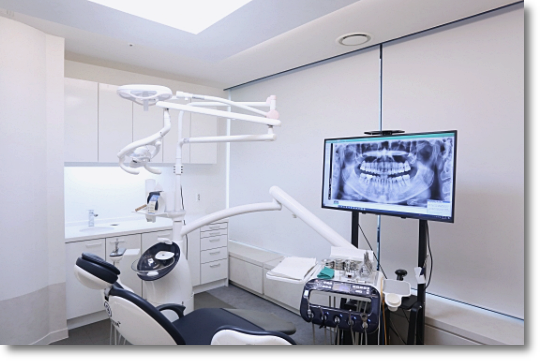
Detailed examination and design
We check the position of the alveolar bone using X-rays and design the most natural gum line according to the lip line and tooth proportions.
-
Local anesthesia
A very small amount of anesthetic is administered to the treatment area to prevent pain during the procedure.
-
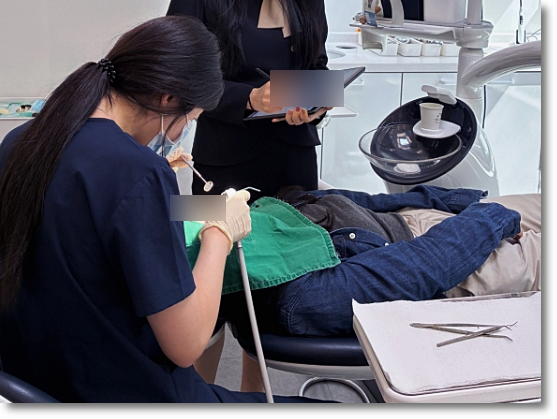
Removal with a laser or fine instruments
After anesthesia, the gums are precisely reshaped along the planned line using a laser.
One advantage of using a laser is that it allows for quicker bleeding control and recovery.
-
Cleaning and finishing
Areas treated only with a laser generally have very little bleeding, so the treatment area is thoroughly cleaned and the procedure is completed.
If the gums were slightly opened for alveolar bone reshaping, sutures will be necessary.
(The stitches are usually removed after about one week.)
What are the limitations of gum contouring?
Gum contouring improves the gum line; it does not change the shape or color of the teeth themselves.
Therefore, it may be difficult to achieve the desired result if the teeth are severely worn or naturally small.
In such cases, veneers may also need to be considered.
26.05.14~26.05.22
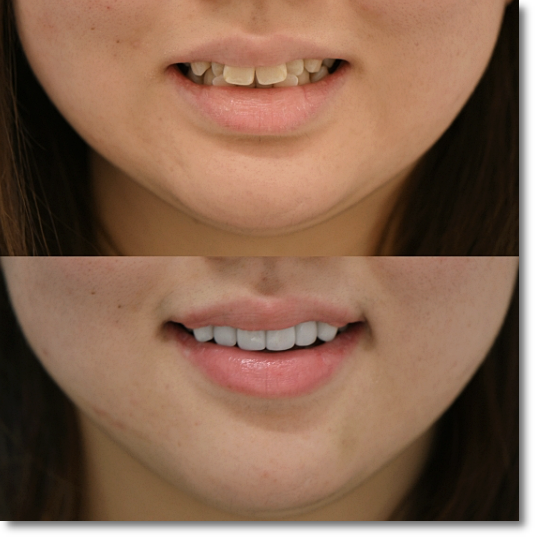
The overall proportions can be made to look more natural.
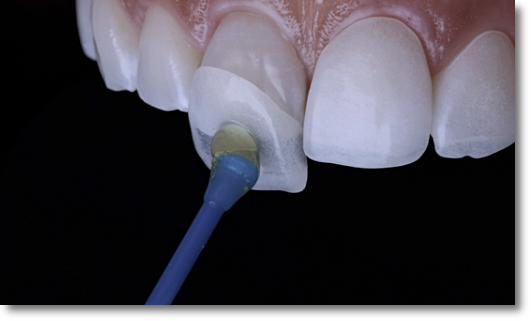
With no-prep/minimal-prep veneers, the translucency of the restorations can look as natural as that of natural teeth, as shown in the photo.
However, the results of veneers can vary depending on who performs the procedure and how it is performed.
Veneers are a treatment in which part of the enamel on the outer surface of the tooth is reshaped before a ceramic shell is bonded to it.
However, once enamel is removed, it cannot be restored to its original condition.
Therefore, if no-prep or minimal-prep treatment is possible, it is important to consider it first in order to preserve as much natural tooth structure as possible.
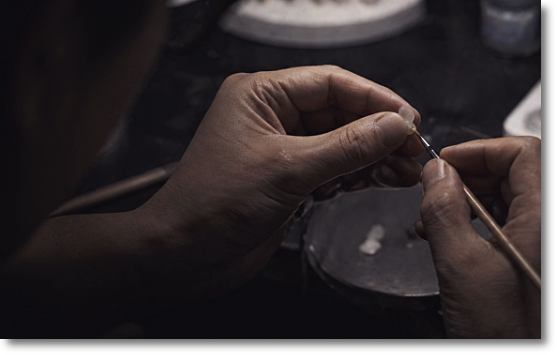
There are also different methods for making veneers: they may be milled by machine, or a dental technician may build them up by hand, layer by layer.
Of these methods, it is difficult to reproduce the color and translucency of natural teeth using a machine alone.
A color that blends naturally with your teeth can be achieved when the restoration is finished by hand.
(This is why we also have our machine-milled veneer shells refined once more by hand.)
The bonding process must also be handled carefully to prevent gaps from forming along the gum-line margin.
I have explained the details of veneer techniques that can be difficult for patients to know about in the article below.
Please be sure to read it to help avoid regret about your treatment.
Precautions before the procedure
First, the condition of your gums
If you have gum inflammation or periodontal disease, treating those conditions should take priority over gum contouring.
The procedure should be performed when the gums are healthy so that recovery can proceed smoothly and the results can remain stable.

Second, the cause of a gummy smile
Not everyone who shows a lot of gum when smiling has the same underlying cause.
As mentioned earlier, the treatment method differs depending on the cause, so you should receive an accurate diagnosis first.
Third, the treatment area
The result may vary depending on whether only the front teeth are reshaped or the canines are included as well.
The visible range when smiling must also be considered so that the balance from side to side can be adjusted naturally.
Frequently asked questions
Q. Is gum contouring very painful?
Because the procedure is performed under local anesthesia, there is generally little pain during treatment.
Q. How long is the recovery period?
Although there are individual differences, most people can quickly return to their daily activities, while the gums need some time to settle into their natural position.
Q. Will the gums grow back?
This varies depending on the treatment area and the cause. However, when the procedure is performed based on an accurate diagnosis and treatment plan, relatively stable results can be expected.
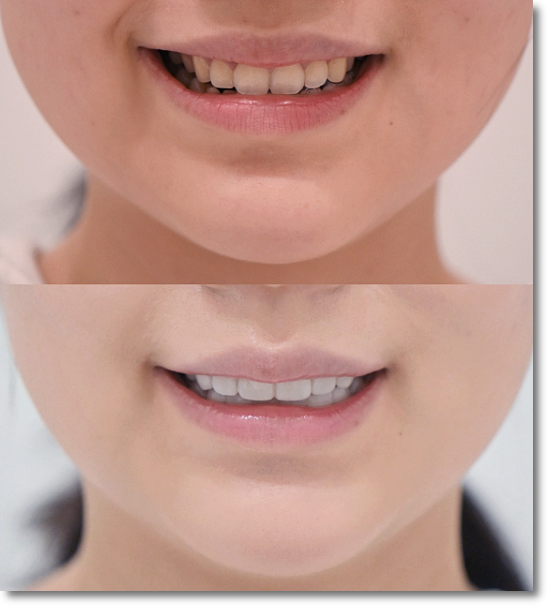
26.05.27 - 26.06.17
Q. Do I have to get veneers at the same time?
If the shape and size of your teeth are appropriate, gum contouring alone may be sufficient.
Conversely, if you also want to improve the shape of your teeth, veneers may need to be performed alongside it.

Gum contouring is not simply a cosmetic procedure; it is a dental treatment that must be performed with a complete understanding of tooth structure.
Because choosing the safest procedure suited to your gum condition is most important, please make your decision after a thorough consultation.
Thank you. This has been Dr. Jae-hyeong Park.