Hello. I am Park Jae-hyeong, the director of 원진치과의원, where I have been practicing in Gangnam since 2012.
Why do implant prices
vary so much?
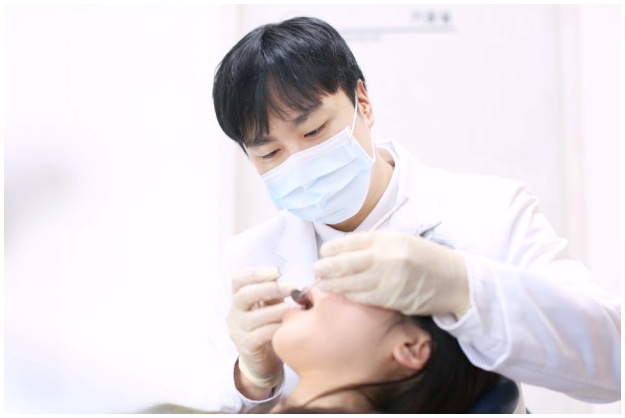
When looking into dental implants, you may notice that the cost can vary considerably even for the same treatment.
As a result, many people assume that the best dental clinic is either the least expensive one or, conversely, the most expensive one.
However, implants are a treatment that is difficult to compare based on price alone.
Even if you feel that you have saved money initially, if the diagnosis or treatment plan is insufficient,
additional time and expenses may be required for retreatment or further treatment.
Today, I will explain why implant prices vary and the important criteria you should check before considering the cost.
Table of Contents
-
Why do implant prices vary?
-
Stages of implant treatment
-
What to look at before price: Diagnosis
-
What to look at before price: Prosthetic restorations
-
Frequently asked questions
-
Closing remarks
Why do implant prices vary?
Prices vary because various factors are reflected in the cost, including the materials used, the difficulty of the treatment, the scope of care included, and the experience of the dental professionals.
In other words, the key factor behind the difference in cost is what treatment is planned and carried out for the patient, and how it is performed.
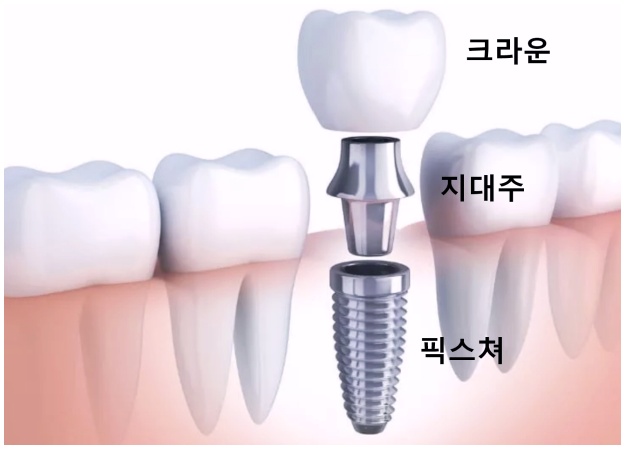
As shown in the photo above, an implant consists of a fixture that serves as the tooth root, a crown shaped like a tooth, and an abutment that connects the two.
Another point to keep in mind is that each dental clinic may use different criteria when presenting its costs.
-
500,000 won: Includes only the cost of the fixture (the implant body)
-
1,000,000 won: Includes the fixture + abutment + prosthetic restoration
Even if the price difference appears substantial, it is difficult to make a simple comparison when the included items differ.
(That is why people sometimes say that they visited after seeing a clearly inexpensive price, only to find that additional charges were added, making the final cost much higher.)
Therefore, you should check what is included in the quoted amount and whether there are any items that may incur additional costs.
[Reasons Implant Prices Vary]
| Factors affecting the price | Details |
|---|
| Implant brand | Differences depending on whether the implant is domestic or imported and on the manufacturer |
| Type of prosthetic restoration | Differences in materials, such as PFM and zirconia |
| Additional treatment | Bone grafting, sinus lift procedures, and so on |
| Detailed diagnosis | 3D CT, oral scans, and so on |
| Follow-up care | Whether regular checkups and a warranty system are included |
Stages of implant treatment
Implant treatment proceeds through the following stages, from diagnosis to completion of the prosthetic restoration.
-
Detailed examination and treatment planning
-
Tooth extraction and bone grafting (if necessary)
-
Implant placement
-
Osseointegration period (3 months to a maximum of 6 months)
-
Fabrication and final placement of the prosthetic restoration
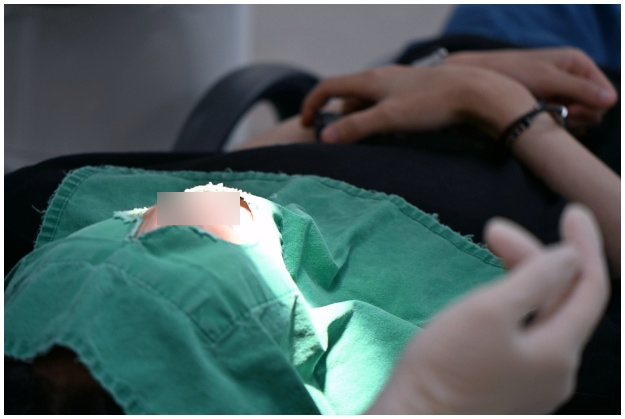
Knowing the detailed process in advance can make it easier to understand the consultation.
It can also help you estimate the treatment period more realistically.
What to look at before price: Diagnosis
A tooth does not necessarily need to be extracted and replaced with an implant simply because it is very loose or broken.
In some cases, natural teeth can be preserved through root canal treatment, prosthetic treatment such as crowns, or gum treatment.
Of course, not every tooth can be saved.
However, if there is even a 1% possibility of preservation, that possibility should be thoroughly considered first.
It is difficult to make this decision in a short amount of time.
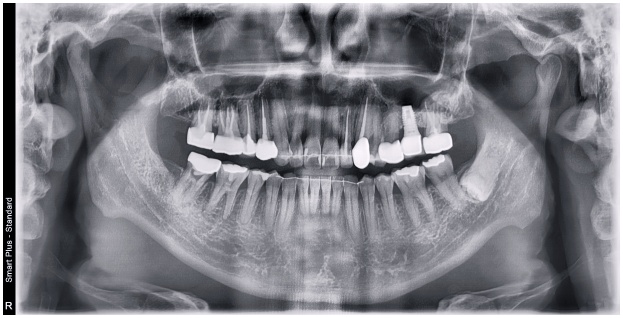
As shown in the photo above, various types of equipment, including panoramic X-rays, are used to assess the current condition, such as whether there is sufficient jawbone and whether the surrounding teeth have any problems.
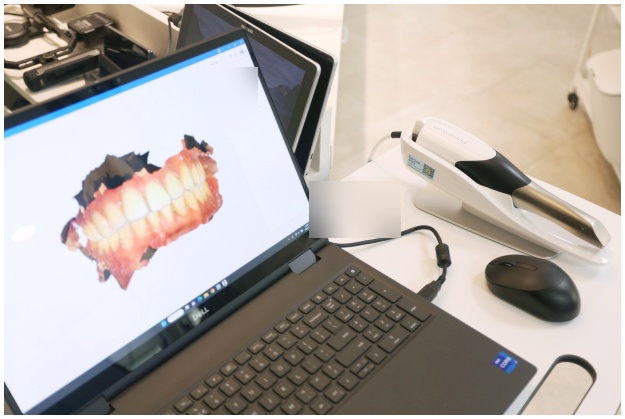
The results of examinations, including 3D CT scans, should be carefully reviewed, and the current condition of the teeth and their prognosis should be assessed comprehensively.
Therefore, check whether the consultation and diagnosis are being conducted in an excessively short amount of time and whether the dentist personally examines and evaluates the condition of your teeth.
In general, I would not recommend choosing a clinic simply because it is inexpensive.
What to look at before price: Prosthetic restorations
Many people think that implant treatment is finished once the implant has been placed.
However, no matter how securely the implant is placed,
problems can occur if the shape or height of the prosthetic restoration, or the bite, is not properly adjusted.
For example, if there is a gap between the prosthetic restoration and the gums, food can easily become trapped while eating.
Even if you brush your teeth, it can be difficult to clean beneath the gums. Trapped debris and accumulated irritation may cause inflammation or lead to the restoration coming out.
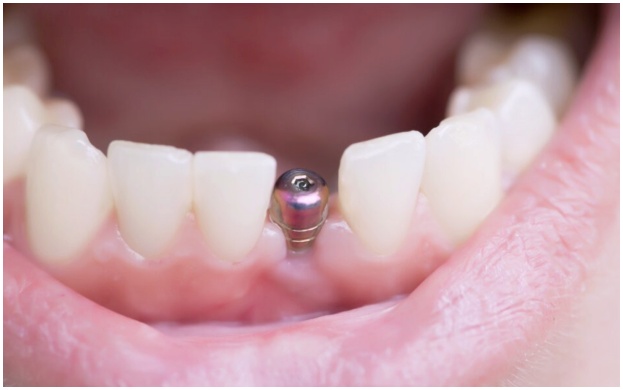
When an implant is placed in a front tooth, as shown in the photo above, more attention must be paid to aesthetics than with molars so that it can be used comfortably.
In particular, the color, translucency, and length of a front tooth must blend naturally with the surrounding teeth to avoid looking artificial.
That is why it is important to allow sufficient time for the prosthetic restoration fabrication process as well.
In our case, we also perform many laminate veneer and orthodontic treatments.
Since both treatments require simultaneous consideration of aesthetics, occlusion, and stability, we tend to spend considerable time communicating with the dental technician.
Even if it takes a little more time, carefully reflecting everything from subtle differences in color to the shape and proportions helps the implant look natural after placement.
If you would like to see how naturally the appearance can be improved, ask to see previous cases during your consultation.
You should be able to get a general idea of the results for cases similar to yours.
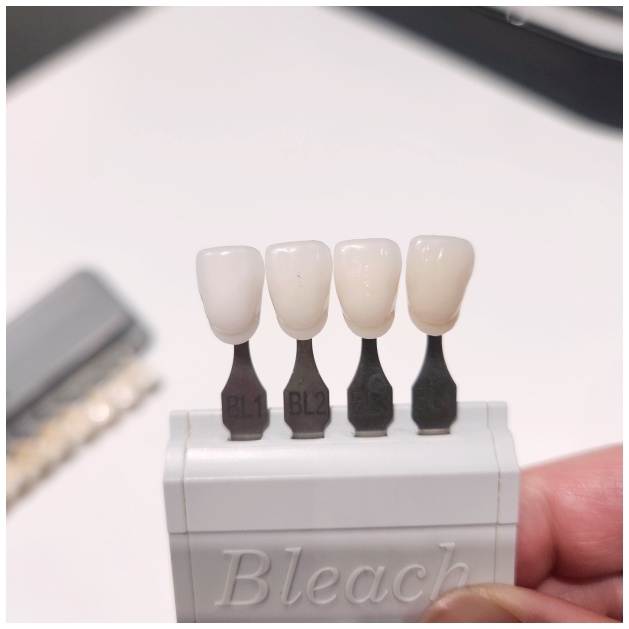
Crowns are fabricated by comparing several shades with the adjacent teeth, as shown in the photo above.
With implants, the process of making them well is just as important as placing them properly.
Both aspects must be carried out together to maintain satisfactory results.
Frequently asked questions
Q. Do implants need to be replaced as well?
Implants are not necessarily a treatment that must be replaced after a set period of time.
However, if your gum condition worsens or the prosthetic restoration becomes worn during use, it may need to be repaired or replaced.
Q. When can I eat whatever I want after getting an implant?
Immediately after surgery, it is best to eat mostly soft foods.
As with natural teeth, it is best not to chew excessively hard or tough foods, such as ice or squid.
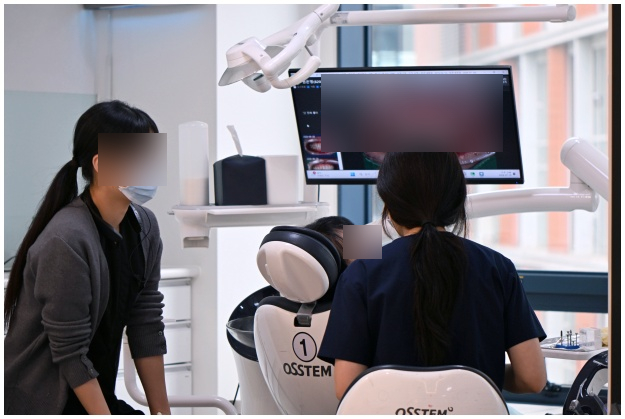
Q. Do I need an implant even if I am young?
For adults who have completed growth, leaving a missing tooth untreated for a long time may cause the adjacent teeth to tilt or the jawbone to be resorbed, so receiving treatment can be beneficial.
However, because implants do not grow together with the bone, people in their late teens or younger whose jawbone growth is still ongoing should have an implant placed after growth has fully finished.
Q. Can several implants be placed at once?
Yes, it is possible.
However, the decision is made by considering the condition of the jawbone, overall health, and the scope of treatment required as a whole.
Closing remarks
Because an implant is something you will need to live with for a long time after treatment, the initial choice is especially important.
Rather than comparing only the visible prices, I hope you will also examine the standards used to plan and complete the treatment.
Thank you. This was Park Jae-hyeong.