Implants and systemic diseases such as hypertension, diabetes, and osteoporosis at a Daechi-dong dental clinic
Hello! This is Yonsei Jeongwon Dental Clinic, a dental clinic in Daechi-dong.
Can implant surgery be performed if you have diabetes?
Are there any side effects from implant surgery if you have a systemic disease?
Because the average age of patients undergoing implant surgery tends to be higher, many people considering implants are likely to have systemic diseases. If you have systemic diseases such as diabetes, hypertension, or osteoporosis, it may not be easy to proceed with implant surgery right away at the time you want. In such cases, before implant surgery, it is necessary to establish a careful treatment plan through an accurate diagnosis by medical staff with extensive clinical experience and collaboration with the patient’s primary physician.
However, in the case of people in their 30s and 40s, many do not pay much attention to systemic diseases and assume they are generally healthy. As a result, if they undergo surgery without being prepared for a condition such as hypertension, serious problems can arise.
In fact, according to the 'Hypertension Fact Sheet 2024' released by the Korean Society of Hypertension, the number of people in their 20s and 30s in Korea with hypertension was estimated at about 890,000. Westernized eating habits, lack of exercise, and stress are acting as major factors causing increased blood pressure and diabetes among younger people. The reason systemic diseases are dangerous in younger age groups is that awareness and treatment rates are significantly lower than in other age groups.
Therefore, before implant surgery, it is important for patients to share all medications they are currently taking with the medical staff, and the medical staff should check the patient’s blood pressure and blood sugar before surgery and establish a treatment plan that carefully considers the patient’s condition.
Hypertension and implants
In patients with hypertension, blood pressure may rise sharply due to stress during implant surgery, so stable blood pressure control before surgery is essential. If blood pressure is being managed stably through consistent use of blood pressure medication, implant surgery is generally not a major issue. On the day of surgery, it is advisable to receive treatment after getting 충분한 rest and maintaining psychological stability. If blood pressure is excessively high, bleeding may not stop easily, so it is better to avoid intense physical activity, saunas, and hot baths for a certain period after surgery. It is also advisable to limit caffeine and alcohol intake. If abnormal findings such as persistent bleeding, swelling, or pain occur, early evaluation and treatment by medical staff are recommended.
Diabetes and implants
It is true that if you have diabetes, your immune function is weakened, so the risk of infection is higher than in general patients, and wound healing may also be slower. However, the important thing is 'how well it is controlled.' Recent studies show that diabetic patients with well-controlled blood sugar (HbA1c 7% or lower) have success rates that are almost similar to those of the general population. Therefore, it is very important to undergo surgery when blood sugar is stably controlled. If blood sugar is not well controlled before surgery, it is preferable to first manage blood sugar and then establish a treatment plan. In addition, after implant surgery, the likelihood of gum inflammation increases, so thorough oral hygiene management is essential. After implant surgery, to prevent infection, it is necessary to take the antibiotics and anti-inflammatory medications prescribed by the dental clinic properly and to maintain thorough disinfection care. It is also important to visit the dental clinic regularly for a certain period to check whether the implant is settling in properly.
Osteoporosis and implants
Osteoporosis is a condition in which bone density and strength decrease, increasing the risk of fractures. When bones become weak, the jawbone in the mouth can also be affected, so caution is required during implant procedures. Medications commonly used to treat osteoporosis, such as bisphosphonates or denosumab, may increase the risk of jawbone necrosis (medication-related osteonecrosis of the jaw, MRONJ). Therefore, it is essential to check the types of medications currently being taken and the duration of use, and if necessary, discuss in sufficient detail with the attending internist whether the medication should be discontinued before surgery.
However, having diabetes or hypertension does not automatically make implant surgery impossible. In the past, it was known that implant surgery was difficult for people with chronic diseases such as diabetes or hypertension, but recently, with advances in medical technology and improvements in systemic disease management, it is possible to safely undergo the procedure if certain conditions are met.
-
Advances in surgical techniques (minimally invasive surgery, precise surgical guides, etc.)
-
Improvements in infection prevention and sterilization systems
-
Development of technology for monitoring systemic conditions during surgery
-
Management of antibiotics and anti-inflammatory medications
If you have a systemic disease, it is important to accurately understand the patient’s current condition through sufficient consultation and diagnosis in advance. If blood sugar is thoroughly controlled before surgery and blood pressure is properly managed, the procedure can be performed safely without major problems. It is also important to maintain thorough oral hygiene and receive regular checkups after surgery.
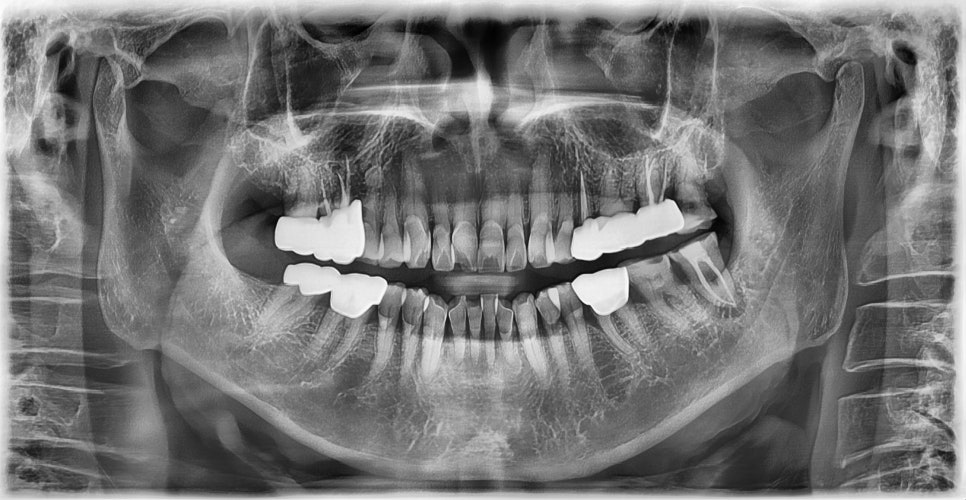
Initial X-ray (2025-1-23)
This patient was a 76-year-old male who visited the clinic because of discomfort in the lower right molar area. During the medical interview, he had a history of diabetes, but his usual glycated hemoglobin (HbA1c) was 6.5%, so it was relatively well controlled. He was diagnosed with a root fracture in the lower right molar and decided to have the tooth extracted. After anesthesia, blood sugar temporarily rose sharply due to stress or tension, but after monitoring at 10-minute intervals and confirming that the blood sugar stabilized below 200, the extraction was performed.
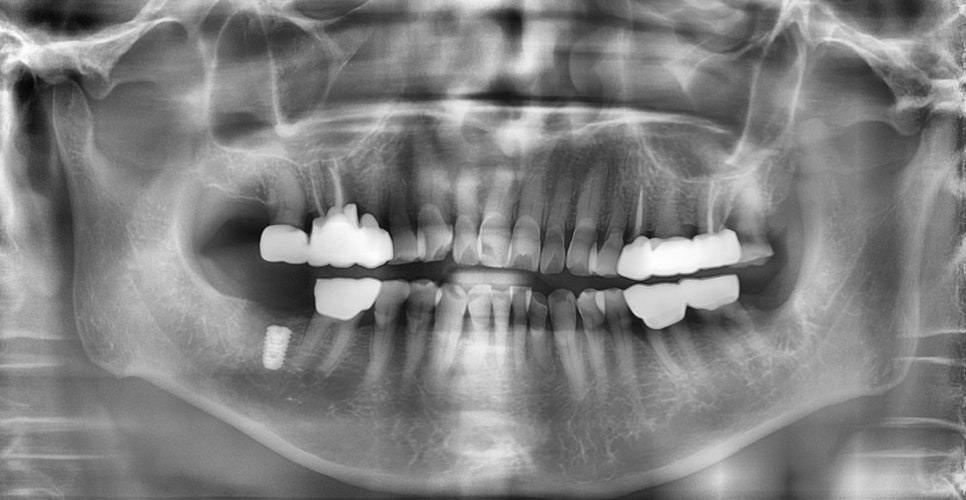
Implant fixture placement
One month later, the implant was placed, and the patient said there was no particular discomfort after surgery. Three months later, the implant prosthesis was fitted.
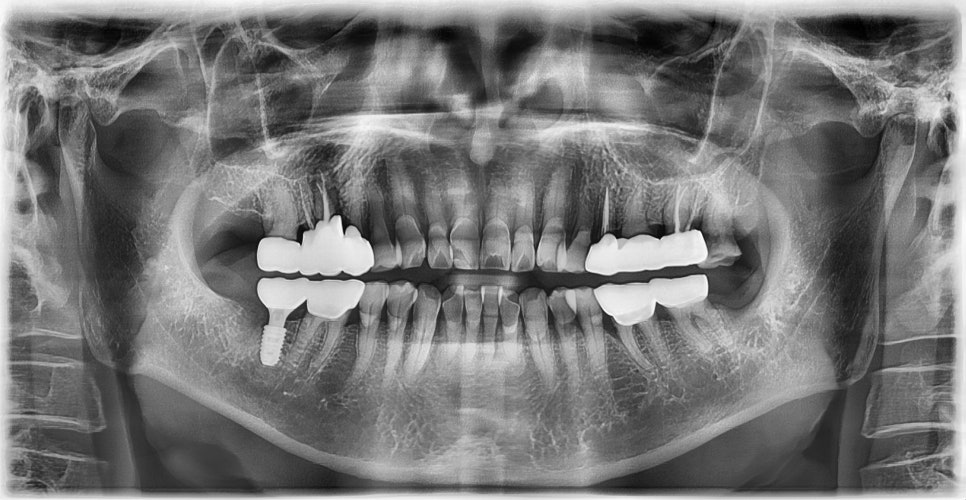
Prosthesis fitting (2025-5-23)
This patient was an 81-year-old male who visited the clinic because the lower right molar hurt when chewing and was sensitive even to cold water. He had a history of hypertension and said he was taking blood pressure medication daily to control it.
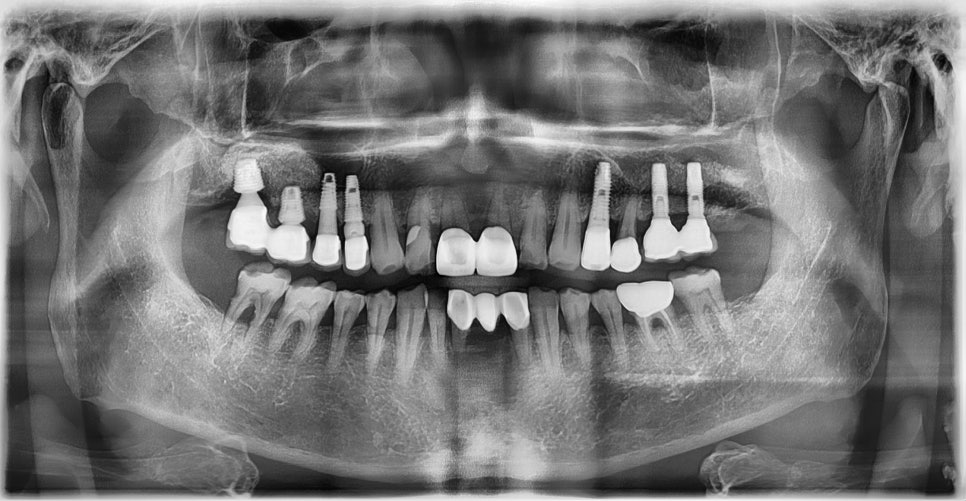
Initial X-ray (2024-8-16)
Since there was no major problem with hemostasis during tooth extraction, after consultation with internal medicine, it was decided to proceed with implant surgery without stopping the blood pressure medication. After surgery, there was no pain and bleeding was well controlled, so the patient was very satisfied. The medication prescribed for infection prevention was instructed to be taken in full. About three months after implant surgery, the prosthesis was fitted.
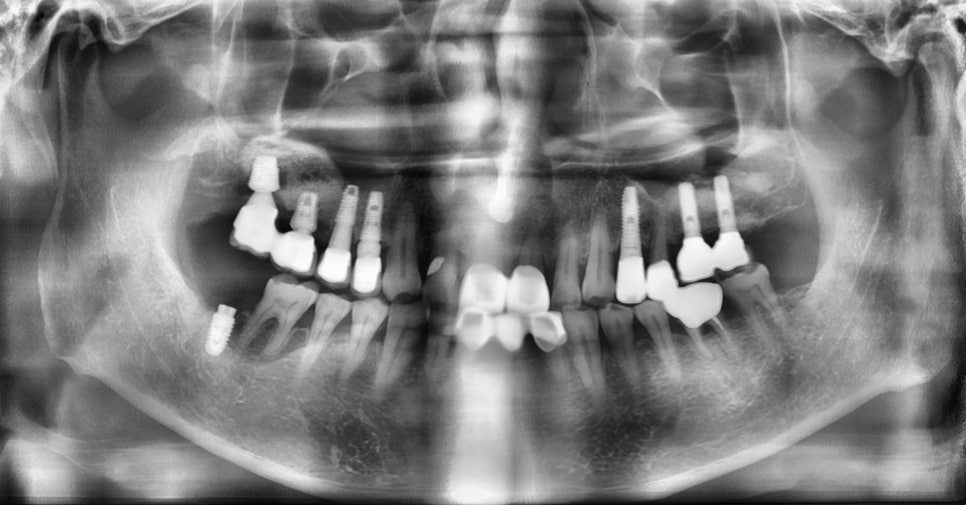
Implant fixture placement (2024-8-27)
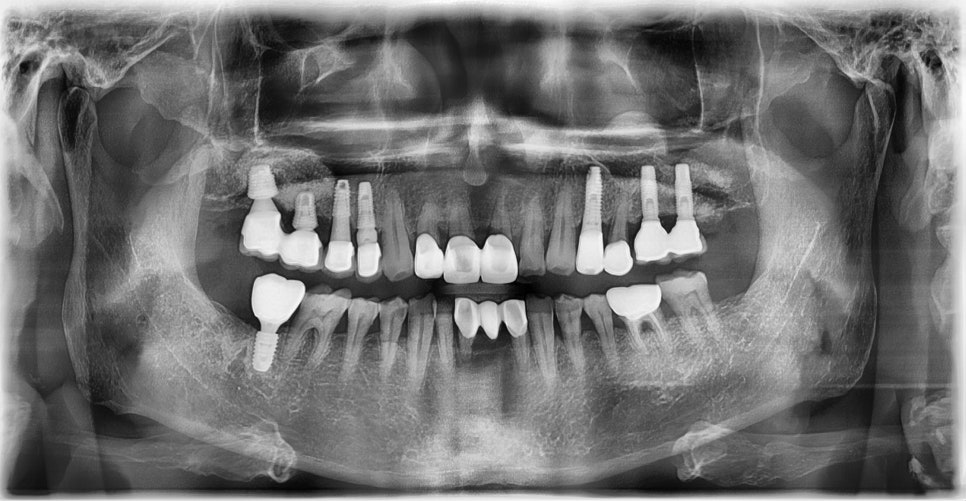
Prosthesis fitting (2024-11-5)
As in the cases above, even in patients with systemic diseases, surgery was completed safely through sufficient consultation and preparation, and the patients also achieved satisfactory treatment results. Even if you have diabetes, implant treatment can be performed safely if blood sugar is well managed. Hypertension can also be managed safely with adequate blood pressure control and thorough preparation before surgery.
According to recent studies, even patients with hypertension or diabetes show implant success rates that are not significantly different from those of healthy people when their conditions are properly controlled. Due to advances in medical technology, such as preventive antibiotic administration, precise preoperative examinations, and surgical planning using the latest digital equipment, an environment has been created in which patients with chronic systemic diseases can receive implant treatment more safely. Ultimately, what matters is not the disease itself, but how well it is managed, the experience of the medical staff, and sufficient communication between the patient and the medical staff. Rather than simply judging whether it is 'possible' or not, please consult a specialist sufficiently to see whether customized treatment suitable for your health condition is possible.
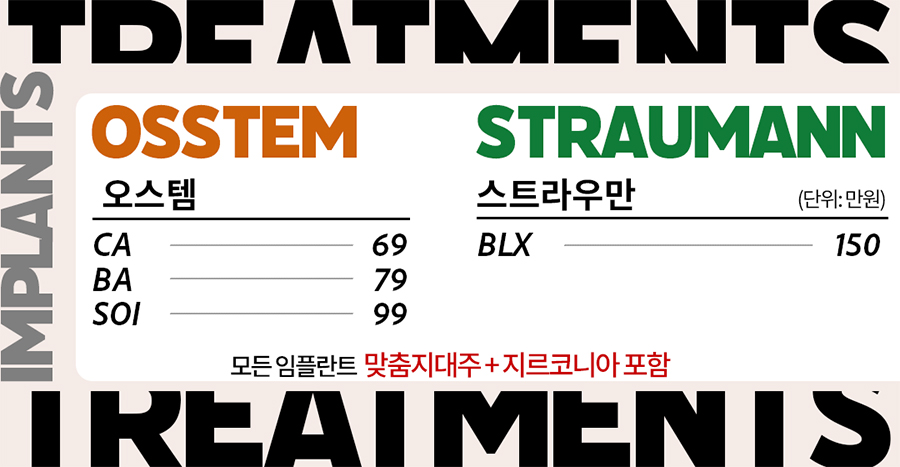
Implant prices at Yonsei Jeongwon Dental Clinic in Daechi-dong
At Yonsei Jeongwon Dental Clinic in Gangnam, the implants are handled by Director Jiho Ahn, a prosthodontic specialist from Seoul National University (currently an adjunct professor at Seoul National University), who has extensive clinical experience and many cases, including highly difficult ones. Therefore, we provide highly refined implant results and practice strictly evidence-based treatment only, such as not recommending unnecessary sinus lift procedures.
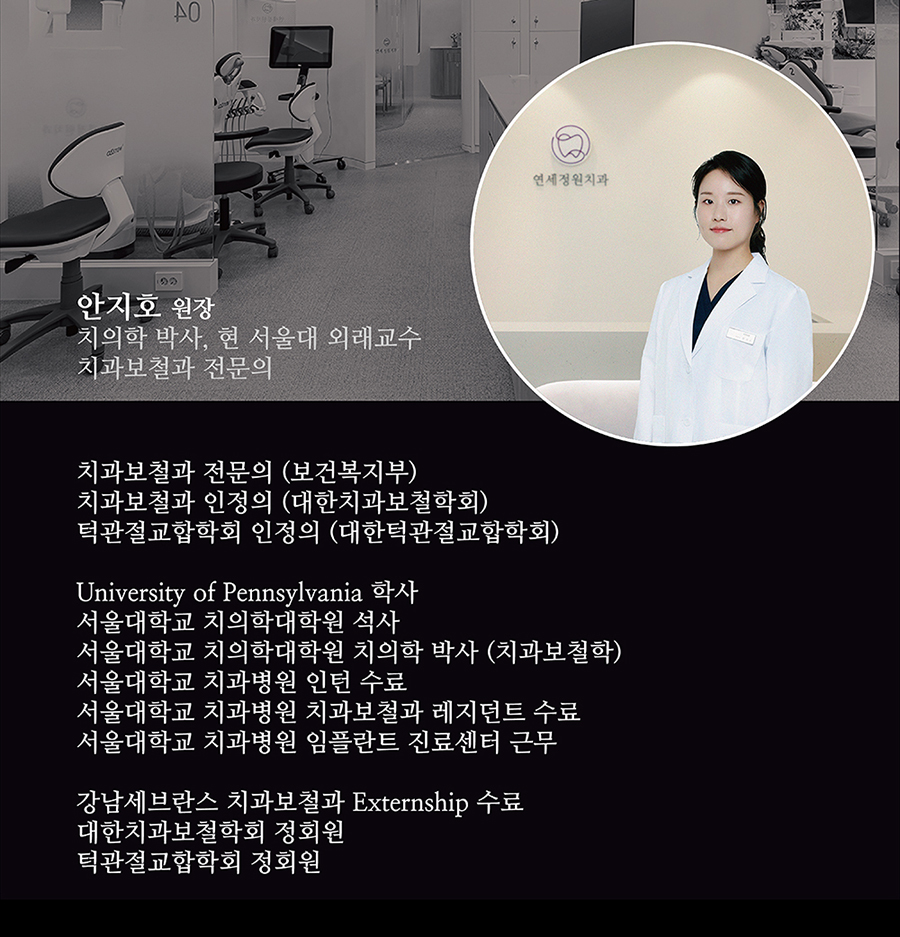
Director Jiho Ahn of Yonsei Jeongwon Dental Clinic in Daechi-dong
During consultations, we explain in detail the types of implants, such as single implants, bridges, and full-mouth implants, as well as the appropriate brand and grade, and we create a systematic treatment plan through digital examinations. Unlike at many Gangnam dental clinics, where you may have only a few minutes with the doctor and not even have a chance to ask what you want to know, there is no situation where you consult with an office manager instead of discussing treatment with the doctor, so please feel free to visit us with peace of mind.
People considering implants have probably already gathered a lot of information through searches for nearby Gangnam implant dental clinics. Even so, hearing detailed explanations through an actual consultation with a specialist will be a great help in making your decision.
Daechi-dong Woosung Apartment intersection, next to BMW
(across from Starbucks/Samsung Store)
Yonsei Jeongwon Dental Clinic in Daechi-dong
Parking is convenient and free
Consultation and inquiries: 02-501-2879