floss vs waterpik
Daily brushing is essential, but did you know that brushing alone cleans only about 60% of your tooth surfaces?
The remaining 40%—between your teeth and along the gumline—needs extra care.
That’s where dental floss and water flossers (waterpiks) come in.
But which one is more effective? Let’s compare.
🔍 1. Dental Floss: The Classic Method
How it works: A thin string is used to scrape plaque and food particles off the sides of teeth and under the gumline.
✅ Advantages
-
Physically removes sticky plaque from tooth surfaces
-
Inexpensive and easy to carry anywhere
-
Effective for tight contacts between teeth
⚠️ Limitations
-
Requires proper technique (many people don’t floss correctly)
-
Can be difficult for people with braces, bridges, or limited dexterity
-
May cause gum irritation if used aggressively
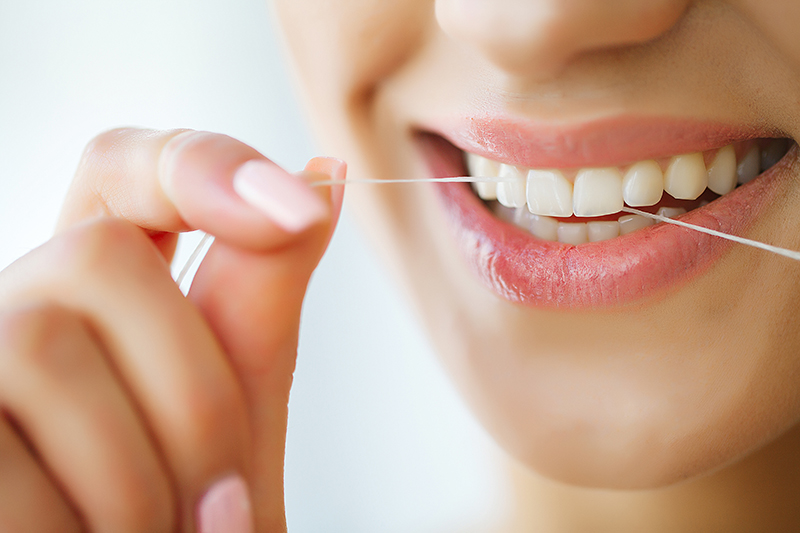
dental floss
💦 2. Water Flosser (Waterpik): The Modern Alternative
How it works: A device sprays a pulsating stream of water between teeth and below the gumline to flush out debris and bacteria.
✅ Advantages
-
Easy to use, especially for people with braces, implants, or crowns
-
Gentle on gums, reducing bleeding and inflammation
-
Reaches deeper into gum pockets
-
Can feel more comfortable and convenient for daily use
⚠️ Limitations
-
More expensive than floss
-
Removes food particles and bacteria effectively, but may not scrape away plaque as thoroughly as floss
-
Requires access to water and electricity
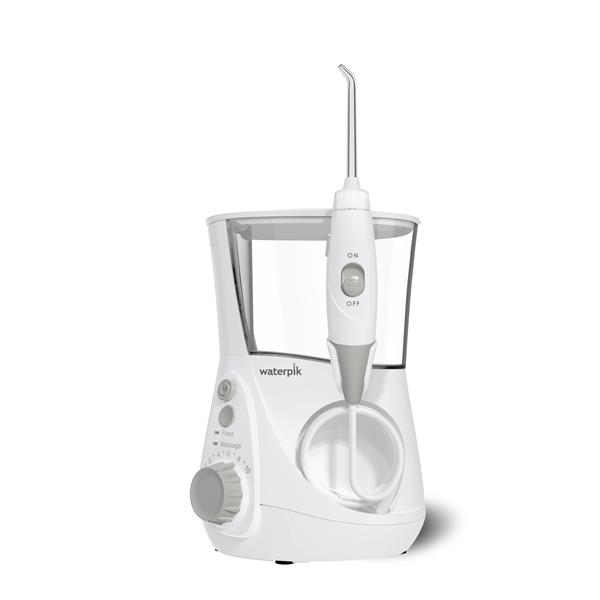
waterpik
🏥 3. What Do Dentists Recommend?
-
Best case scenario: Use both floss and a water flosser together.
-
Floss scrapes away sticky plaque
-
A water flosser rinses out bacteria and debris in hard-to-reach areas
-
If you have braces, implants, crowns, or gum disease, a water flosser is especially beneficial.
-
If you’re young, healthy, and have tight teeth, flossing alone may be enough—provided you do it correctly.
📌 4. Conclusion
Both dental floss and water flossers play important roles in oral health.
If you want the most effective cleaning routine, consider combining the two: floss to scrape, water flosser to rinse.
Ultimately, the best choice is the one you’ll actually use consistently every day.