The causes of tooth sensitivity are not limited to simple sensitivity. Learn in detail about the causes and treatments for sensitive teeth—from cavities, gum recession, and cracked teeth to nerve inflammation—as well as when you should visit a dentist.
Symptoms of Sensitive Teeth
During the hot summer months, many people reach for cool drinks such as ice cream or an iced Americano filled with ice. In Korea, there are also many people who drink iced Americanos even in winter—often referred to as “얼죽아” (“iced Americano even if it freezes you to death”). But what if, one day, your teeth start to feel a sharp, tingling sensitivity every time you take a sip of iced Americano?
At first, it is easy to dismiss it by thinking, “My teeth must be a little sensitive.” However, recurring tooth sensitivity may not be simple sensitivity; it can also be an early sign of cavities, gum recession, cracked teeth, or, in severe cases, nerve inflammation. In particular, if you feel pain not only from cold drinks but also from hot foods, or if the sensitivity is gradually worsening, it is important to identify the cause rather than waiting for it to improve on its own.
In this post, we will take a detailed look at why teeth become sensitive, what you can do at home, when you should visit a dentist, and what treatments are available at a dental clinic.

Why Teeth Become Sensitive, 연세정원치과
What Causes Sensitive Teeth?
Teeth are broadly made up of three parts.
-
Enamel
-
Dentin
-
Pulp (nerve)
Normally, the hard enamel on the outermost layer protects the teeth.
However, if the enamel wears down for various reasons or the gums recede and expose the dentin, cold or hot stimuli can be transmitted to the nerve, causing sharp, tingling tooth sensitivity.
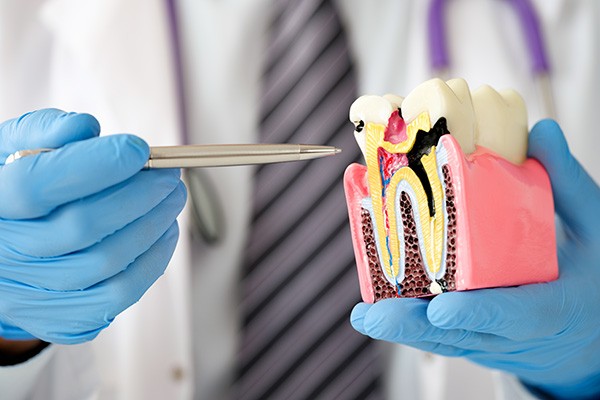
Tooth Structure, 연세정원치과
6 Common Causes of Sensitive Teeth
- Tooth Wear
This is the most common cause.
If you have any of the following habits, your teeth may gradually wear down.
-
Brushing your teeth too hard
-
Using a hard-bristled toothbrush
-
Clenching your teeth
-
Grinding your teeth
-
Frequently drinking acidic beverages
Because enamel does not naturally grow back once it has been damaged, prevention is especially important.
- Gum Recession
When the gums recede and the tooth roots become exposed, the teeth become highly sensitive to cold stimuli.
You may also suspect gum disease if you experience the following symptoms:
-
Your gums bleed when you brush.
-
Your teeth look longer than before.
-
Your gums appear to have receded.
- Cavities
Early-stage cavities often begin with sensitivity only when drinking cold beverages, without any significant pain.
However, if a cavity is left untreated, it may progress to:
Tooth Pain, 연세정원치과
- Cracked Tooth
A small crack in a tooth can cause sharp pain when chewing or drinking cold beverages.
Even if the tooth looks normal on the outside, a crack may have formed inside, so an X-ray or detailed examination may be necessary.
- Recent Dental Treatment
Your teeth may be temporarily sensitive after treatments such as:
-
Scaling
-
Teeth whitening
-
Cavity treatment
-
Crown treatment
In most cases, the sensitivity improves within a few days to two weeks.
- Nerve Inflammation (Pulpitis)
This is the cause that requires the most attention.
It may initially feel like simple sensitivity, but as the inflammation progresses into the nerve, the nature of the pain changes.
Visit a Dentist Promptly If You Have These Symptoms
If you have any of the following symptoms, it is more likely that the problem is not simple tooth sensitivity.
✅ Pain continues for a long time after drinking cold water.
✅ Hot foods also cause pain.
✅ Throbbing pain wakes you up at night.
✅ Your tooth hurts even when you are resting.
✅ You experience severe pain when chewing.
✅ Your face has started to swell.
In these cases, root canal treatment may be necessary, so it is best to receive dental care as soon as possible.
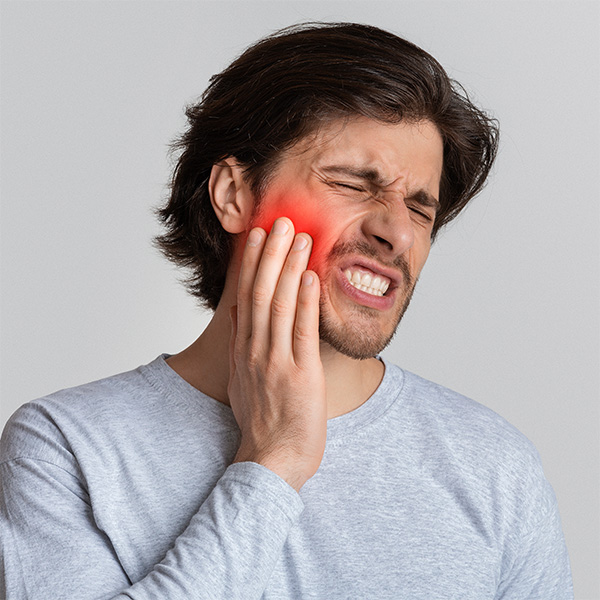
Tooth Pain, 연세정원치과
Self-Assessment Checklist for Tooth Sensitivity
Check whether any of the following apply to you.
□ My teeth are sensitive only when I drink cold beverages.
□ I feel pain when eating sweet foods.
□ Hot foods also cause pain.
□ A specific tooth feels sensitive when I brush.
□ A tooth has recently chipped or cracked.
□ My gums appear to have receded.
□ The pain is gradually getting worse.
If three or more items apply to you, a dental examination is recommended.
What You Can Do at Home
If your symptoms are not severe, the following methods may help.
-
Use toothpaste formulated for sensitive teeth.
-
Use a soft-bristled toothbrush.
-
Avoid brushing too hard.
-
Reduce carbonated and acidic beverages.
-
Work on improving the habit of clenching your teeth.
-
Use dental floss.
However, these methods only relieve the symptoms; they do not treat the underlying cause.
In particular, if nerve inflammation or a cavity is the cause, the extent of treatment required may increase over time.
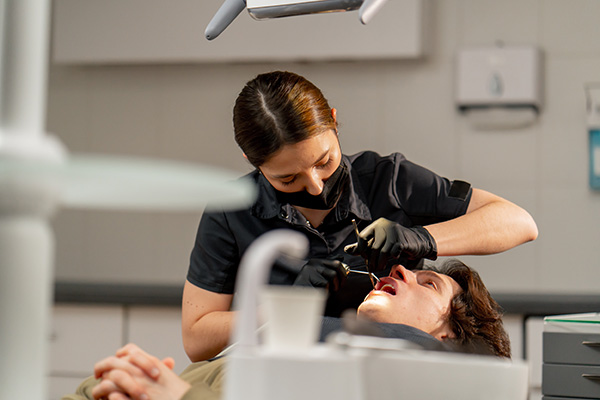
Tooth Pain Treatment, 연세정원치과
How Is It Treated at the Dentist?
The treatment method varies depending on the cause.
| Cause | Treatment |
|---|
| Tooth wear | Fluoride application, desensitizing coating |
| Gum recession | Gum treatment |
| Cavities | Composite resin treatment |
| Cracked tooth | Crown or other treatment depending on the condition |
| Nerve inflammation | Root canal treatment |
| Severe damage | Extraction and consideration of a dental implant |
In most cases, the cause can be identified through a simple examination and X-ray.
Frequently Asked Questions (FAQ)
Q. Does sensitive teeth always mean I have a cavity?
No. There can be various causes, including tooth wear, gum recession, microscopic cracks, and recent dental treatment.
Q. Will using toothpaste for sensitive teeth alone make it better?
It may help with mild tooth sensitivity, but if the cause is a cavity or a cracked tooth, fundamental treatment is necessary.
Q. Can tooth sensitivity improve on its own?
It may improve if it is caused by temporary irritation. However, if it recurs or worsens, it is best to have a dental examination.
Q. When is root canal treatment necessary?
If pain continues for a long time even after the cold stimulus is gone, or if hot foods cause pain and your tooth throbs at night, nerve inflammation may have progressed and dental treatment is necessary.
Conclusion
Tooth sensitivity is a common symptom that almost anyone may experience at some point, but it should not be dismissed and left untreated as simple sensitivity.
In particular, if your teeth tingle every time you drink iced Americano or the sensitivity keeps recurring, it may be a small warning signal from your teeth.
Identifying the cause early often allows the problem to be resolved with simple treatment, but if it is left untreated, root canal treatment or extraction may become necessary. If your teeth have started to feel sensitive, do not simply think, “It will probably get better with time.” Instead, get an accurate diagnosis so you can maintain healthy teeth for a long time.
#SensitiveTeeth, #ToothSensitivity, #CausesOfToothSensitivity, #ToothSensitivityTreatment, #Toothache, #Cavities, #RootCanalTreatment, #Pulpitis, #GumRecession, #ToothCrack, #CrackedTooth, #SensitiveTeeth, #DentalRecommendation, #DentalInformation, #OralHealth, #DentalCare, #IcedAmericano, #IcedAmericanoEvenInWinter, #DaechiDentalClinic, #GangnamDentalClinic, #Gaepo-dongDentalClinic, #Samseong-dongDentalClinic