65+ Implants: If You Qualify, Are You Eligible?
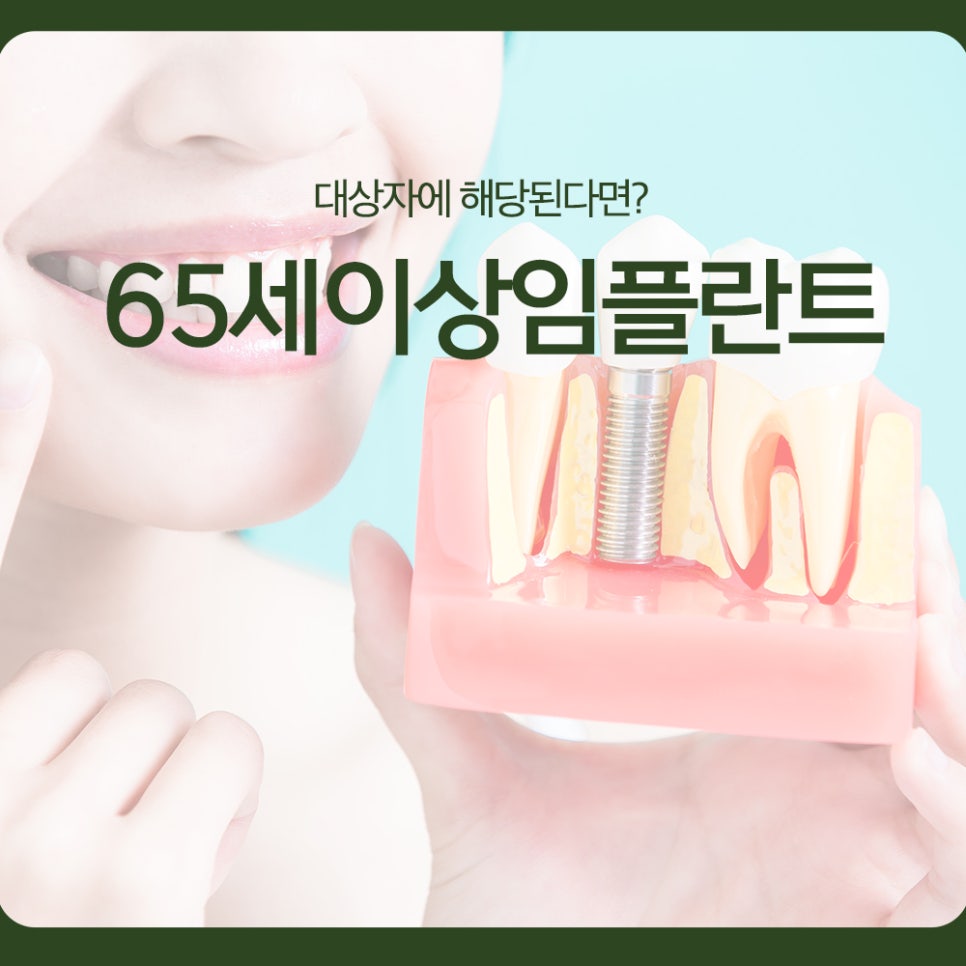
As we age,
the degeneration of periodontal tissues and tooth loss
that naturally occur are
common problems that many older adults experience.
In particular, weakened chewing function or gum disease
can often eventually lead to tooth extraction.
If you lose a tooth,
you may experience various inconveniences,
so for functional recovery and improved aesthetics,
treatments such as dentures, bridges, and implants
should be considered.
Among them, implant treatment
is currently recognized as a method that can restore
the function most similar to natural teeth,
and it is becoming increasingly preferred among older adults.
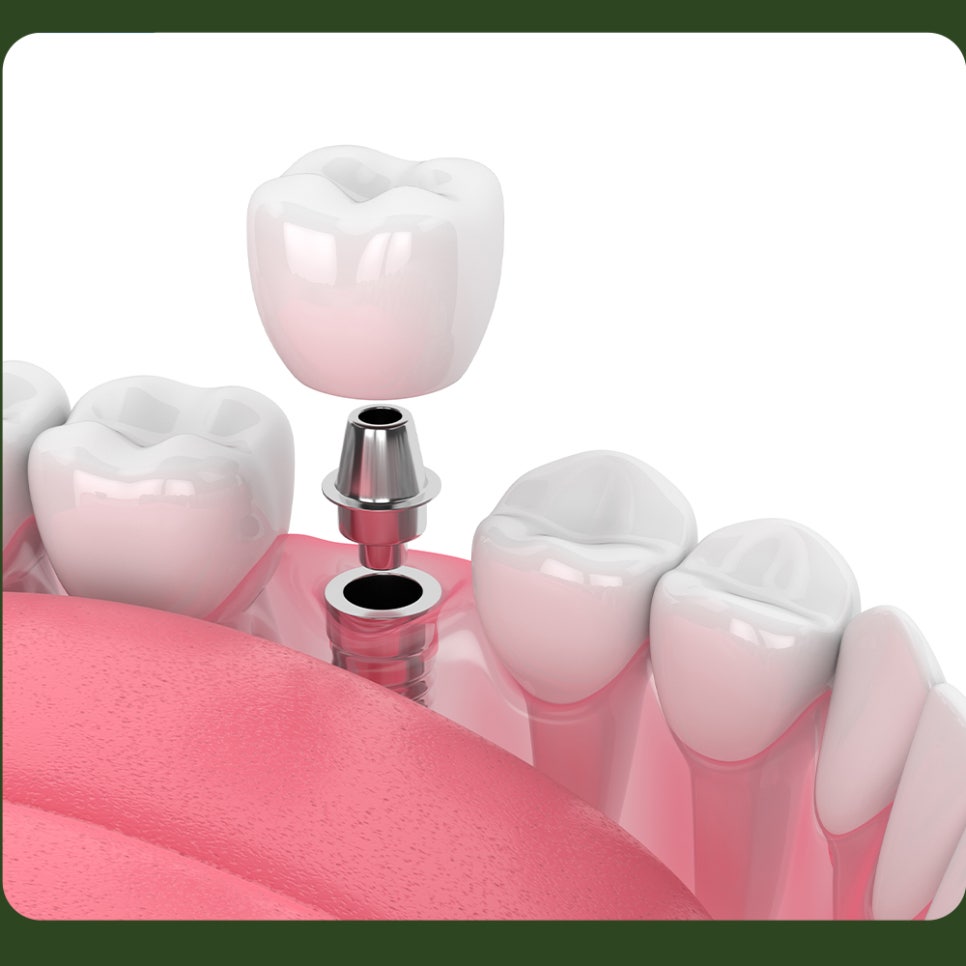
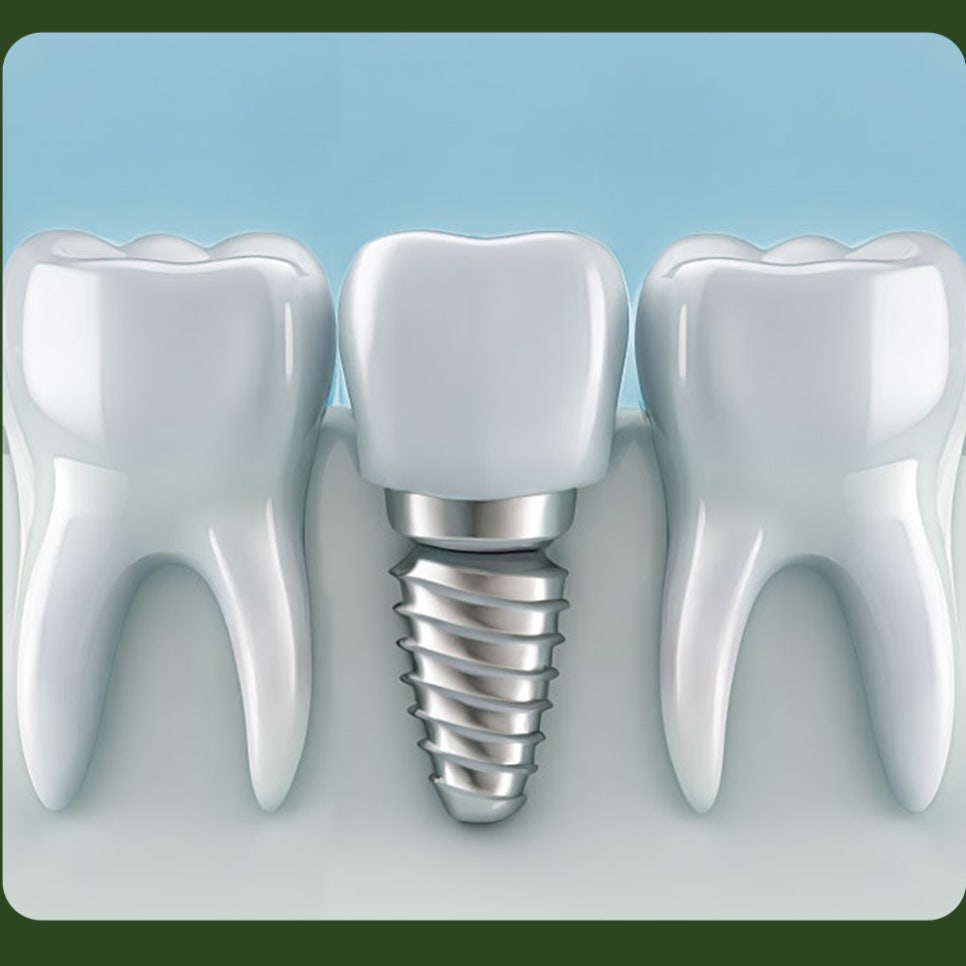
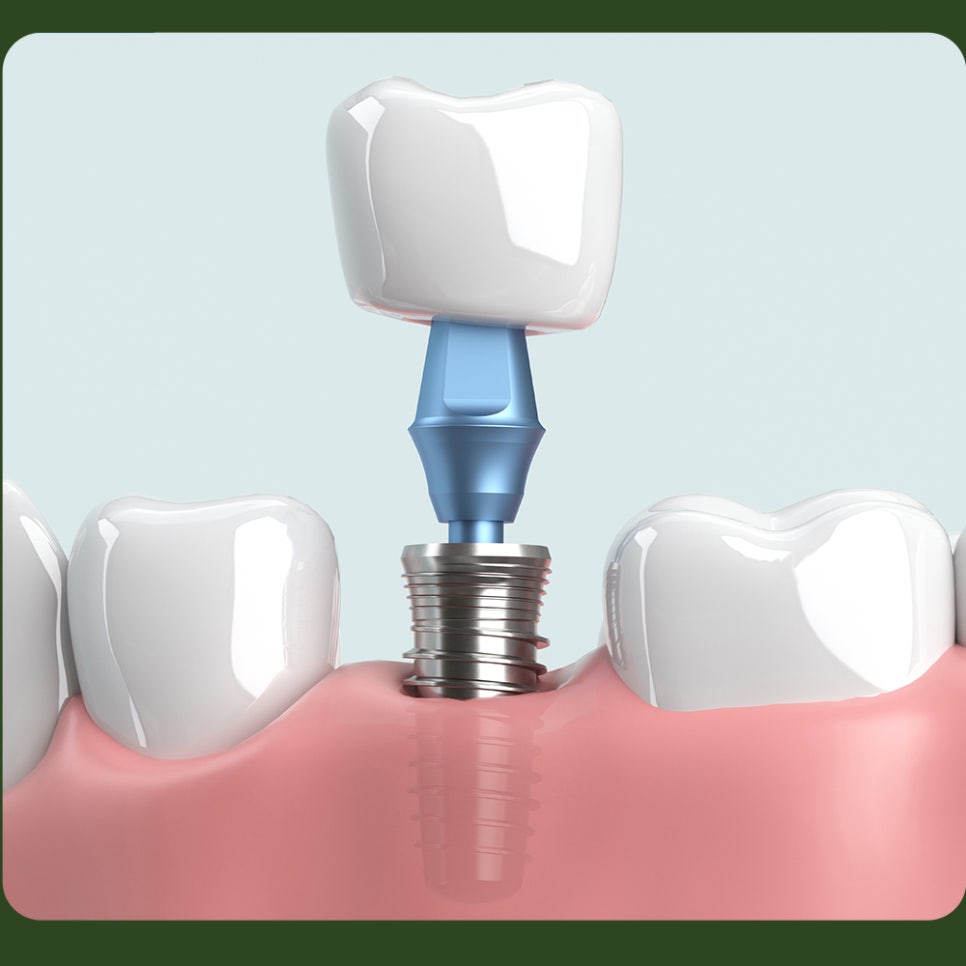
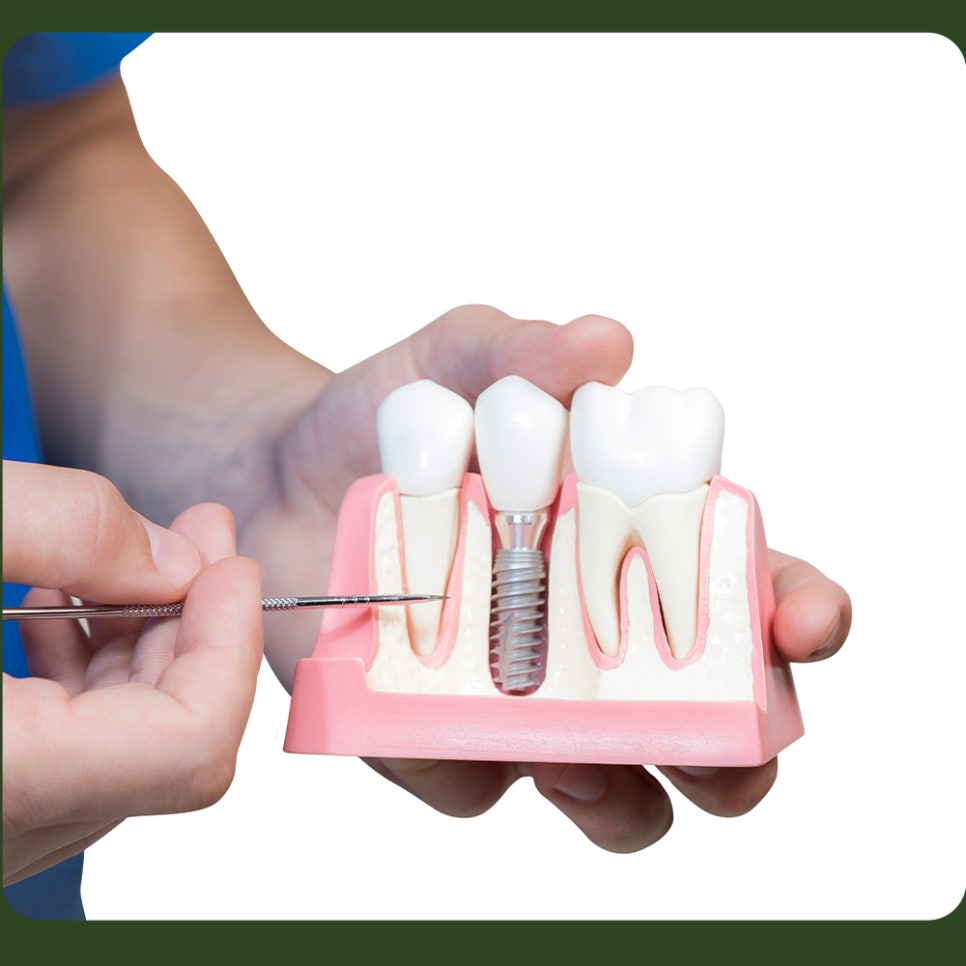
An implant consists of three components.
🦷 Fixture: The artificial root. It is placed in the jawbone
and serves the role of a tooth root.
🦷 Abutment: The intermediate part that connects
the fixture and the prosthesis (crown).
🦷 Crown: The artificial tooth visible from the outside,
responsible for chewing function and aesthetics.
Implant treatment proceeds in the following order:
fixture placement → healing period (osseointegration period) → prosthesis attachment
and the duration or treatment method may vary depending on
the patient’s gum condition and overall health status.
In the past, implant treatment
was entirely out-of-pocket,
so it was a particularly heavy financial burden
for older patients.
Fortunately, if certain conditions are met now,
you can receive cost support through
the National Health Insurance,
so if you qualify,
you can make active use of it.
✔ Age 65 or older
✔ National Health Insurance subscriber or dependent
✔ Partial edentulism (only some teeth lost)
is excluded from insurance coverage.
65+ implants
can be covered by insurance for up to two teeth for life
with only a 30% copayment,
and they can be applied to both front teeth and molars
without site restrictions.
Thanks to these benefits,
older adults who had postponed treatment
for financial reasons
now have the opportunity to consider implants.
However, if additional procedures such as bone grafting
or sinus lift are required,
please note that those costs are incurred separately.
Sometimes people put off treatment after tooth loss
because they do not want the hassle of treatment
or because the cost feels burdensome.
If tooth loss is left untreated,
it can lead not only to functional inconveniences such as chewing problems
and aesthetic discomfort,
but also to various other issues such as
accelerated alveolar bone resorption,
movement and misalignment of surrounding teeth.
So please visit a dental clinic as soon as possible
and receive treatment.
Modern society has entered the 100-year life era.
What matters is not simply living longer,
but living healthily for longer.
At the center of that is oral health,
and among it, restoration of tooth function
is a very important factor.
If you make good use of the 65+ implant system,
you can receive highly satisfying treatment
while reducing the burden,
so please consider using it actively.
"The time you think it is too late
is the earliest time." 😄🦷
Seoul of Dental Hospital
4F, 5F, 196 Baekjegobun-ro, Songpa-gu, Seoul