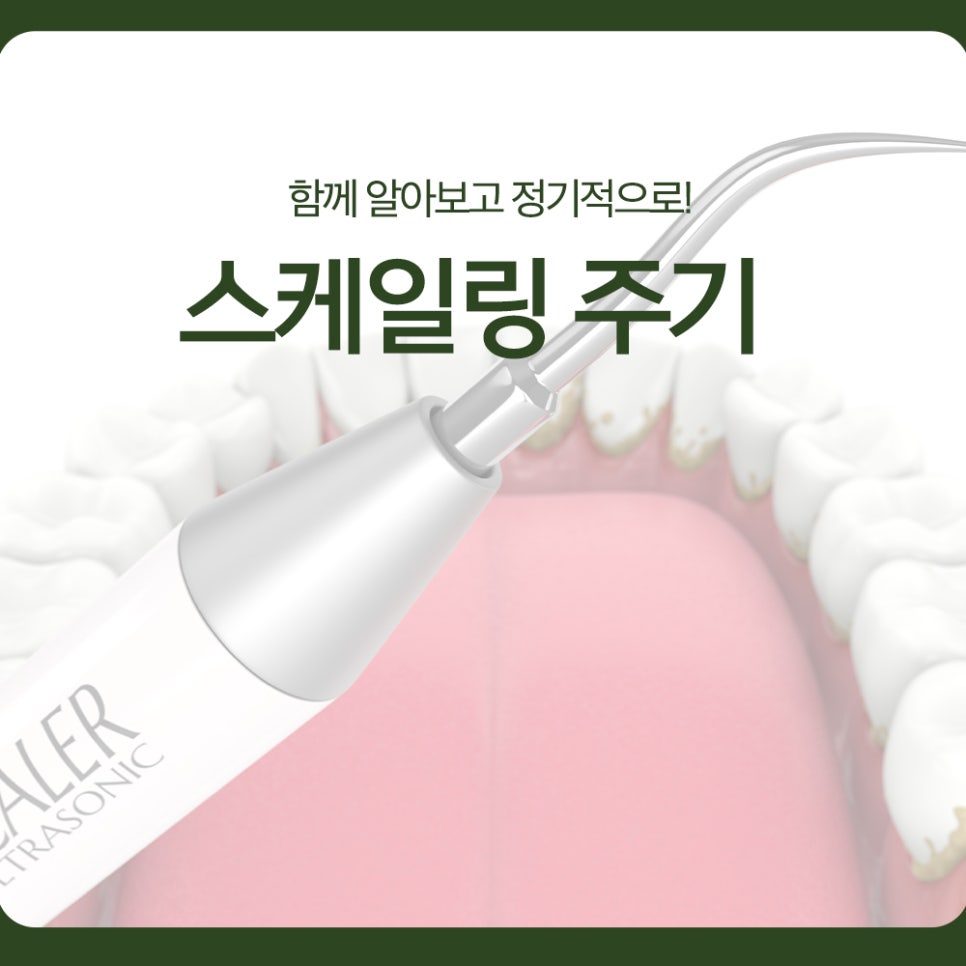
Brushing our teeth every day
is the most basic part
of maintaining oral hygiene.
However, no matter how diligently you brush,
a toothbrush alone
cannot completely remove all the bacteria and food debris
inside the mouth.
In particular, in areas that are hard to reach,
such as between the teeth and behind the molars,
plaque can easily remain.
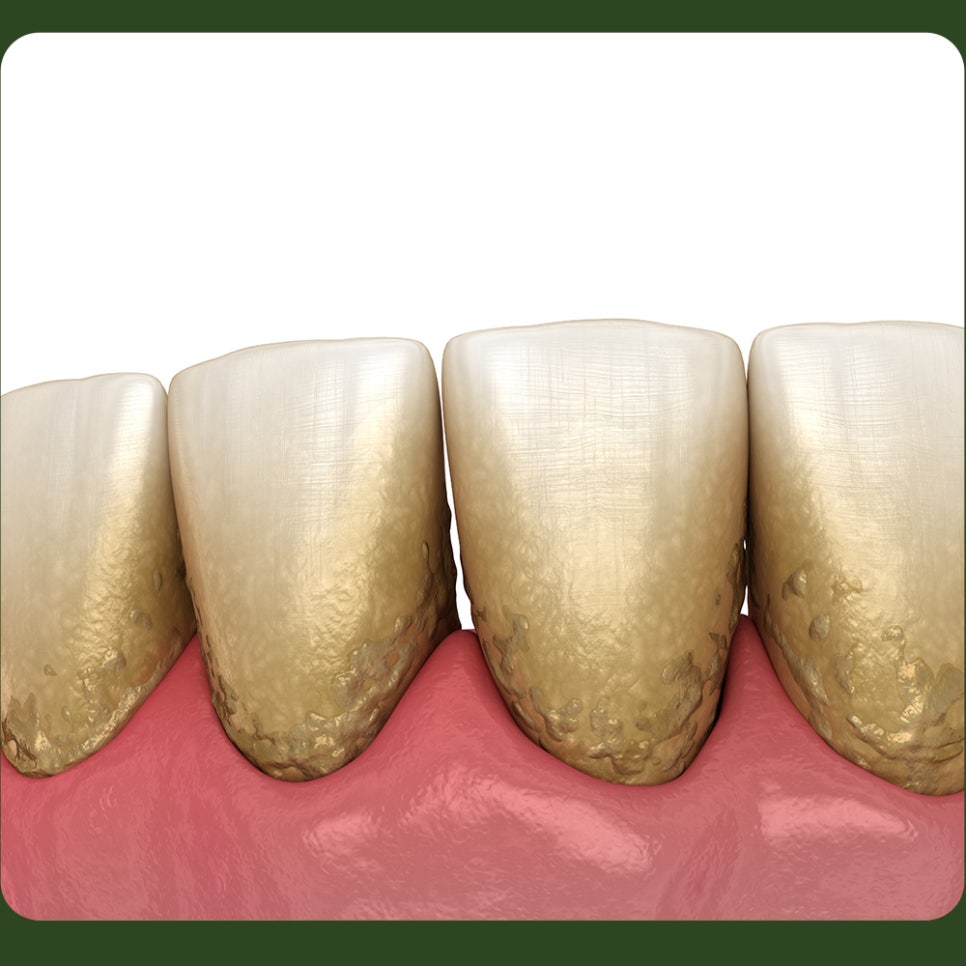
Over time, this plaque hardens
and turns into “tartar.”
Tartar creates an environment where bacteria can thrive,
and if it is continuously left untreated,
it can lead to periodontal disease.
It can cause the jawbone to deteriorate,
and if treatment is delayed,
it may result in the loss of even healthy teeth,
leading to serious consequences.
Once tartar has formed,
it cannot be removed by brushing alone,
so scaling treatment is necessary.
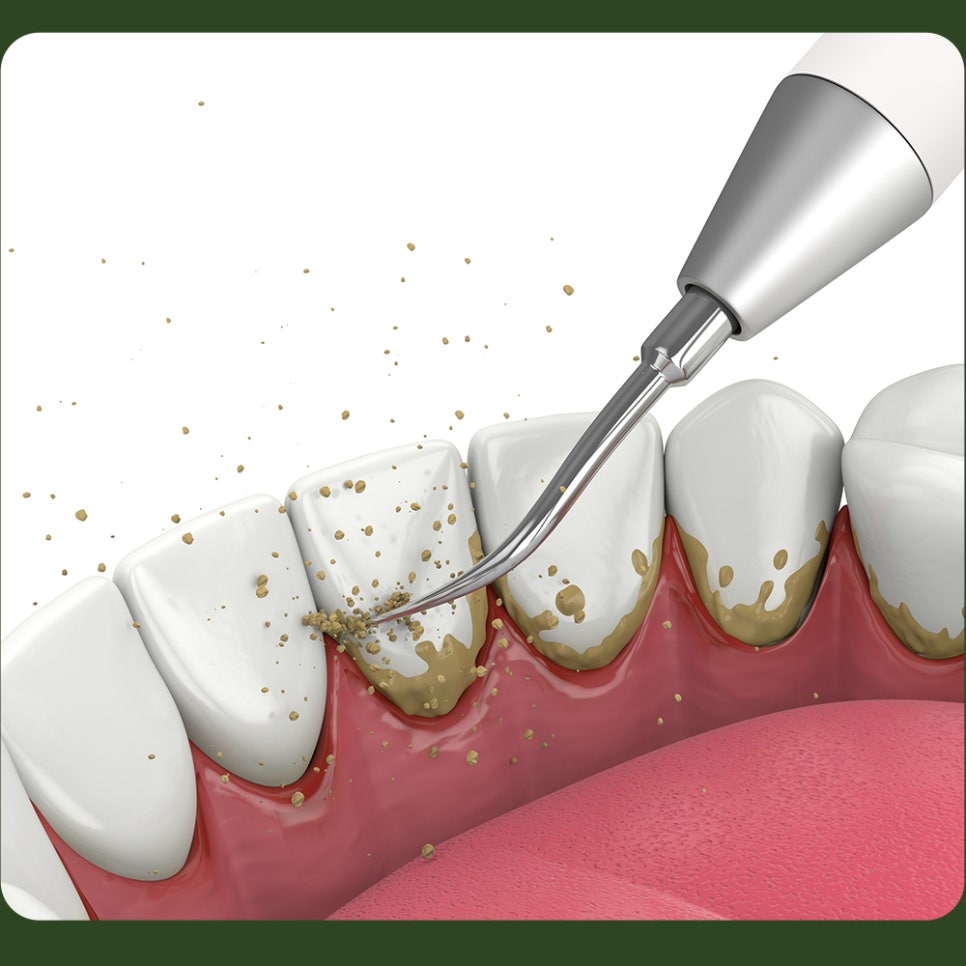
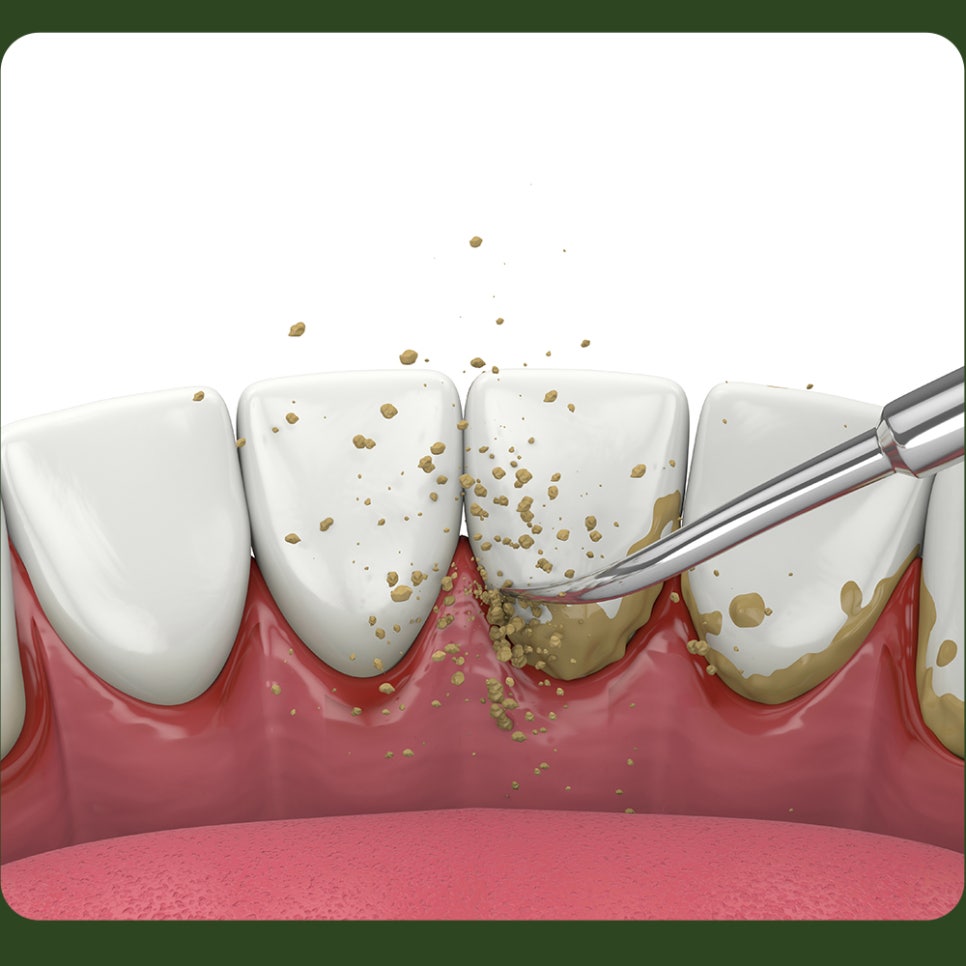
Scaling is a treatment that uses specialized instruments
to physically remove hardened tartar and bacterial biofilm.
Through this process, harmful bacteria between the gums and teeth are reduced,
and inflammation is suppressed,
helping restore oral health.
After scaling,
the tooth surfaces are smoothed out,
which also helps prevent new bacteria from adhering.
In addition, after scaling,
there may be temporary tooth sensitivity or
gum bleeding,
but these are normal reactions
and most of the time they disappear within a few days,
so you do not need to worry,
thinking, "Could this be a side effect?"
Then how often
should scaling be done?
Scaling is not a one-time treatment,
but something that should be approached as regular care.
Usually, for people whose oral condition is healthy,
scaling once a year is recommended.
However, in the following cases,
a shorter interval may be considered.
✔ If you have symptoms such as bleeding gums or swelling
✔ If you have previously received treatment for periodontal disease
✔ If you smoke or are prone to staining
✔ If you tend to develop tartar frequently or have severe bad breath
In these cases, having scaling every 6 months,
or every 3 to 4 months,
can be helpful.
Since the ideal scaling interval can vary depending on each person's oral condition,
we recommend getting a diagnosis
from a dental specialist.
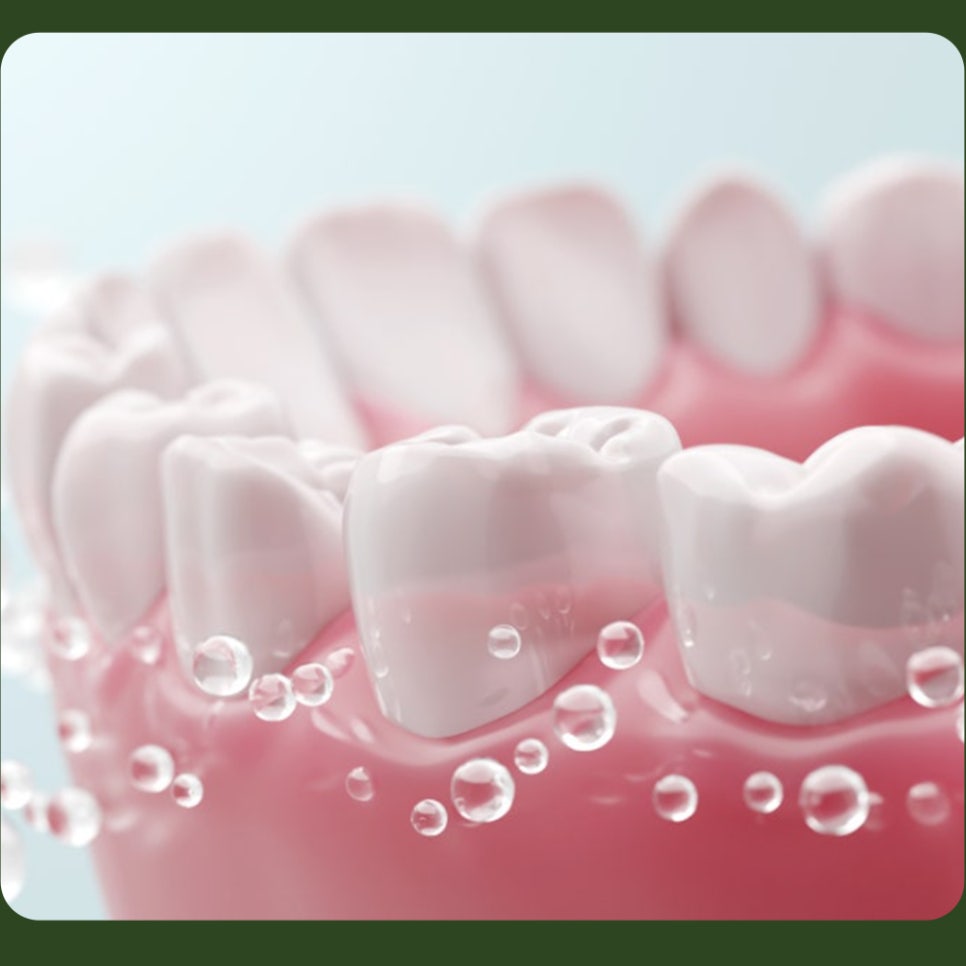
Regular scaling is one of the most effective ways
to prevent periodontal disease
and protect oral health.
In addition, please maintain proper daily brushing habits
and use oral care aids such as floss,
interdental brushes, and Waterpik devices
to keep your mouth clean.
Since teeth and gums do not naturally recover once they are damaged,
prevention-focused care is more important than anything else.
Do not postpone dental visits in your busy daily life,
and make it a habit to receive scaling regularly
for a healthy mouth! 😊
Seoul Ob Dental Hospital
4th and 5th Floors, 196 Baekjegobun-ro, Songpa-gu, Seoul