
Without using a regular toothbrush alone,
it is difficult to thoroughly clean
the narrow spaces between teeth.
So even if you brush carefully,
there is still a chance of cavities developing.
Because there are areas that toothbrush bristles do not reach well,
it is helpful to use additional oral hygiene products together.
In particular, the gaps between teeth are difficult to manage with a regular toothbrush,
so they need separate care.
In situations like this, let’s take a closer look at
an “interdental brush,”
which can be very useful :)
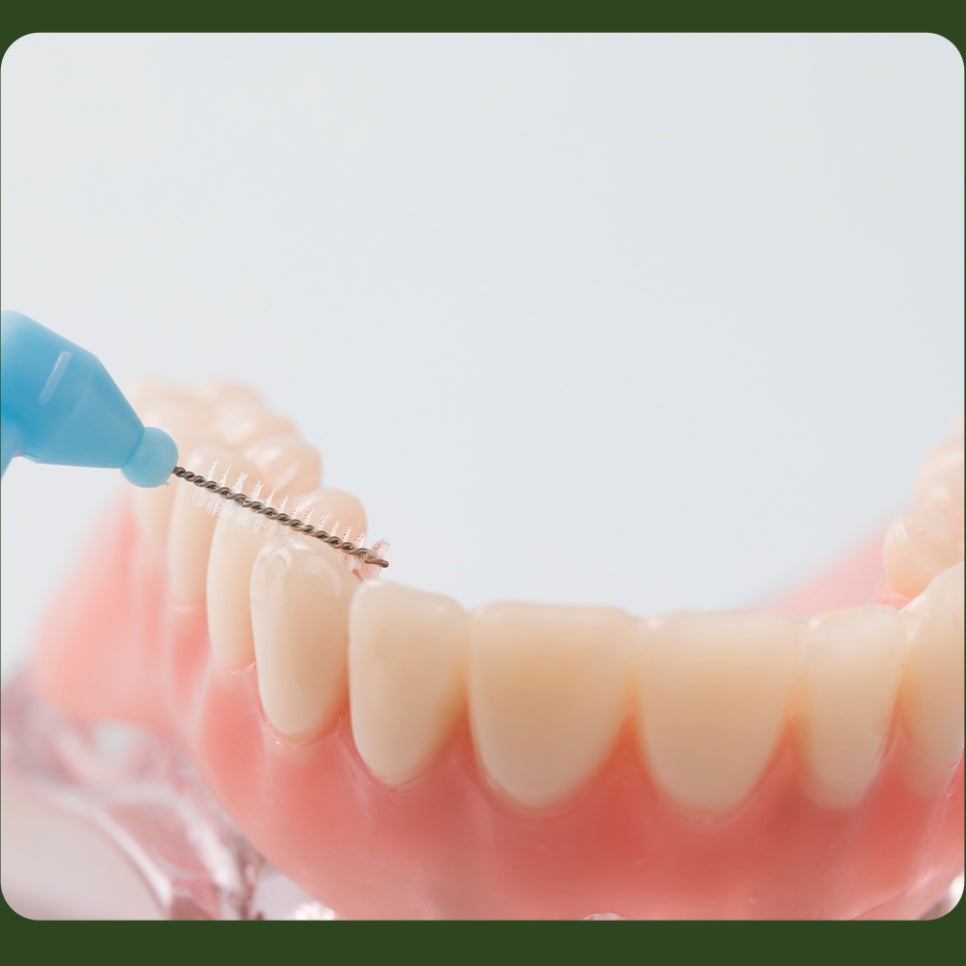
How should you use it?
Interdental brushes are generally
used without toothpaste,
and before use, it is enough to
lightly moisten the brush with water.
After gently inserting it between the teeth,
move it back and forth about 3 to 4 times.
At this time, using too much force or moving it too quickly
can irritate the gums,
so it is important to use it gently and lightly.
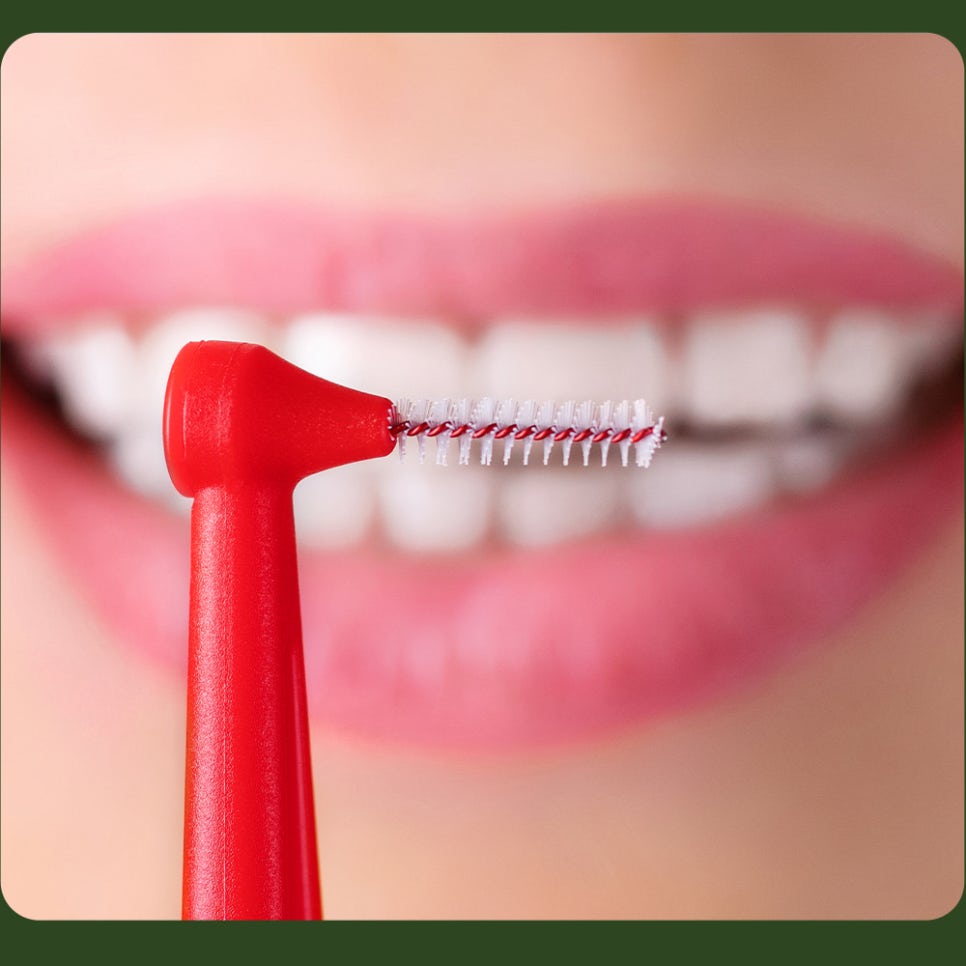
In addition, when using an interdental brush,
it is very important to choose the correct size
that matches the space between your teeth.
If you use one that is too small,
the cleaning effect may be reduced,
and if you use one that is too large,
it may injure the gums, so caution is needed.
If the gap between teeth differs from one area to another,
rather than insisting on just one size,
using multiple sizes together can also be a good approach.
If the space between your teeth is so narrow that the interdental brush does not fit,
then in such cases it is better to use dental floss for care.
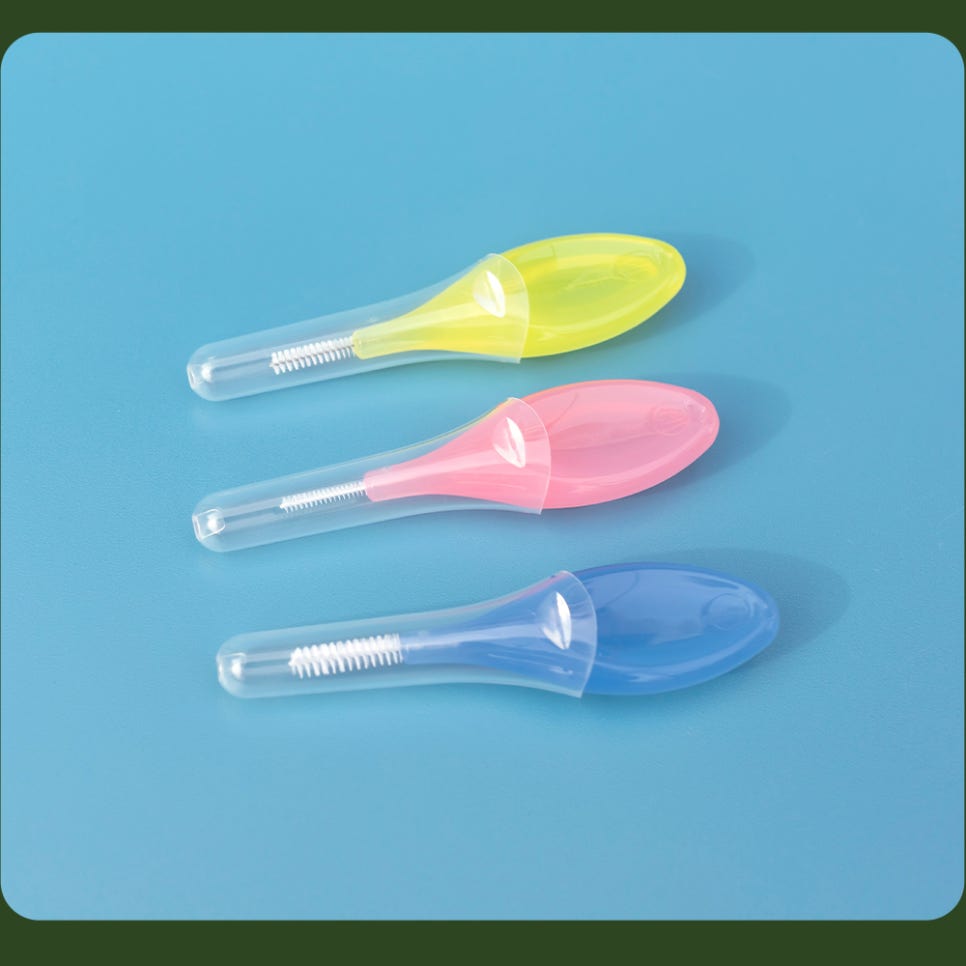
Various interdental brush sizes
Choose the one that suits you!
Interdental brush sizes range from
a very thin size (0.2 mm)
to a large size (1.8 mm or more).
If you are using one for the first time,
start with the smallest size
and find the size that best fits the space between your teeth.
Also, straight types are convenient for front teeth,
and angled handles are better for hard-to-reach areas
such as molars,
so please keep this in mind when using them.
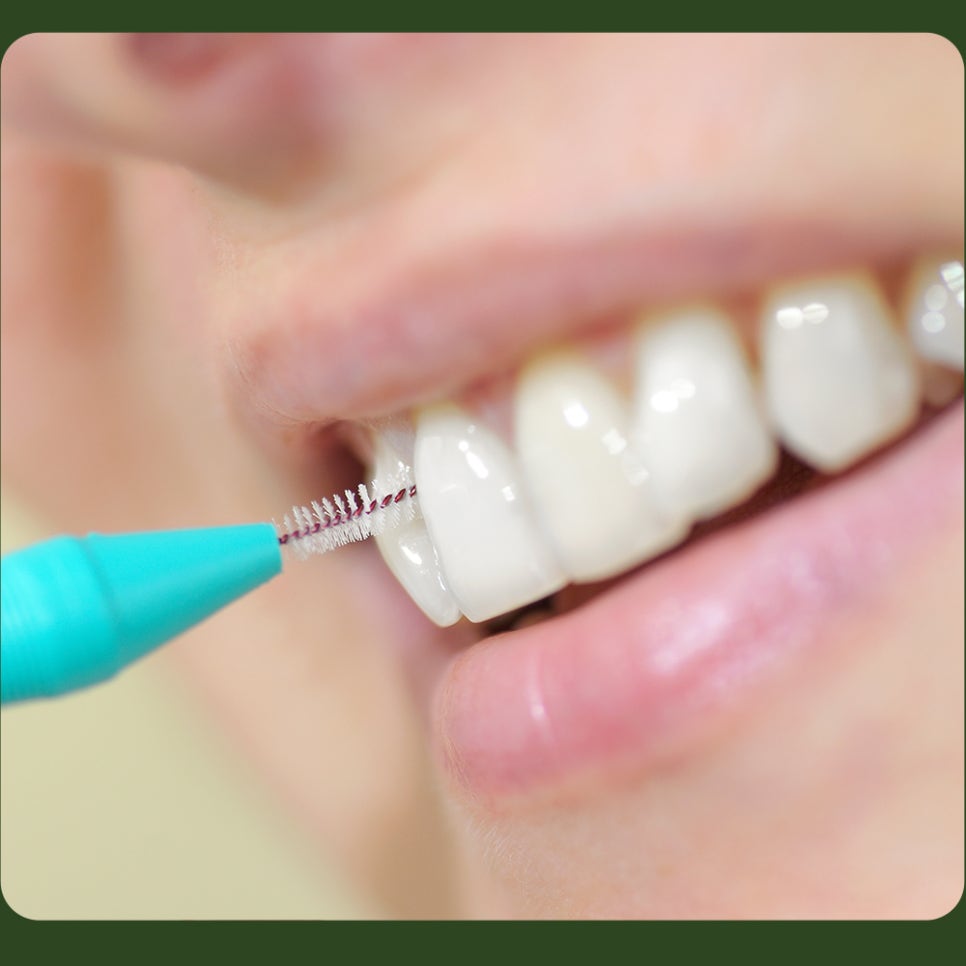
Sometimes, bleeding from the gums may occur during use.
If you are not forcing the interdental brush
into the gap,
it may be a sign that your gums are inflamed or already bleeding.
In that case, rather than stopping use,
it is helpful to continue using it gently
and gradually restore gum health.
So far, we have looked at
the size selection and
proper use of interdental brushes.
For healthy teeth and gums,
please choose a product that suits you
and use it consistently :) 💛
Seoul Ob Dental Hospital
4th and 5th Floors, 196 Baekjegobun-ro, Songpa-gu, Seoul