Hello!
This is Seoul Of Dental Hospital😊
One of the main reasons many people visit our Songpa dental clinic, Seoul Of Dental Hospital,
is cavity treatment.
A cavity is not just a simple problem where the surface of a tooth turns black
or a hole forms.
If left untreated, it can lead to tooth loss
and may even affect overall health.
Today, we’ll explain the causes of cavities, their stages of progression, treatment methods, and prevention tips,
one by one based on facts.
Causes of Cavities
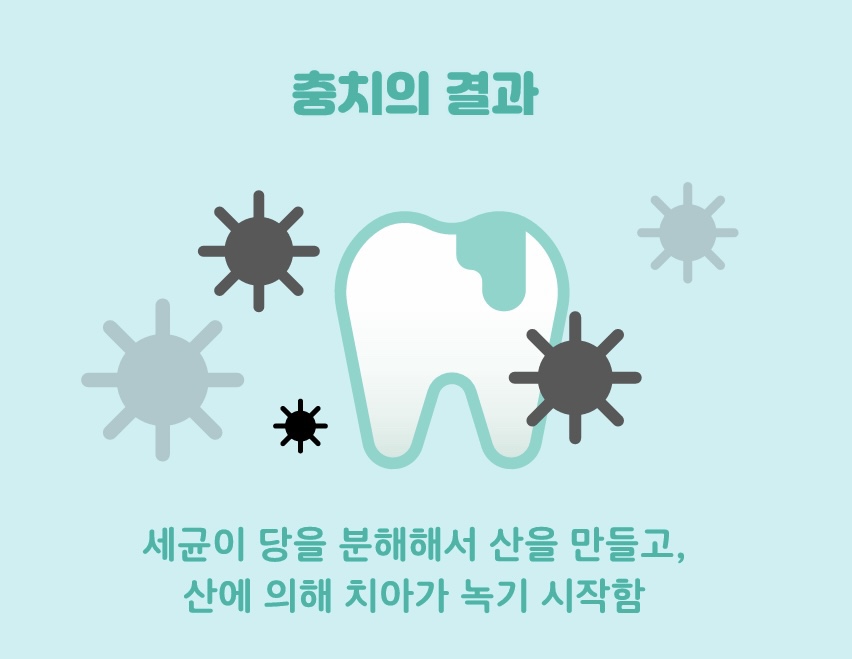
Cavities are caused by acids produced when bacteria, mainly bacteria, break down the sugars in food.
These acids dissolve the tooth’s enamel, and that is how cavities begin.
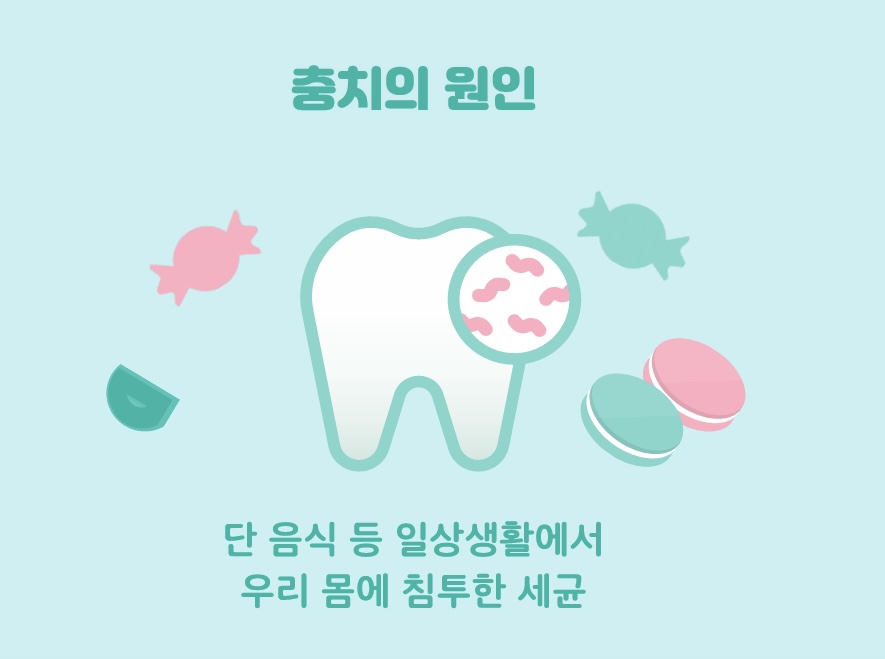
✔ Frequent consumption of sugary foods and carbonated drinks
✔ Poor brushing habits, with no routine use of interdental brushes or dental floss
✔ Reduced saliva production (dry mouth, medication side effects, etc.)
✔ Uneven tooth alignment, causing food to get stuck easily
When these conditions overlap, the risk of cavities rises sharply.
Stages of Cavity Progression
Cavities progress slowly, and symptoms vary by stage.
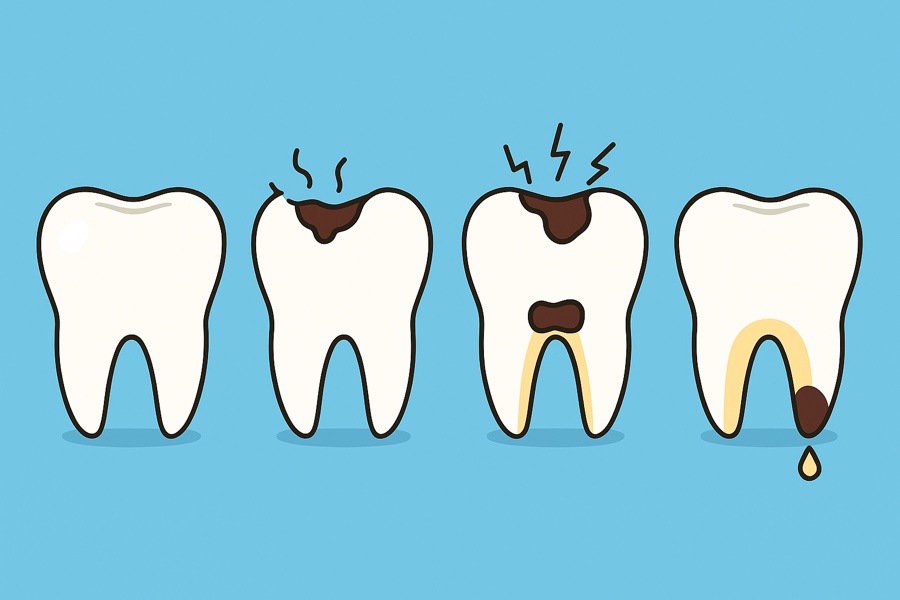
1️⃣ Early cavity (enamel cavity)
The tooth surface turns white or tiny holes appear.
There is no pain, so patients often have difficulty noticing it themselves.
2️⃣ Moderate cavity (dentin cavity)
Sensitivity appears when eating cold or sweet foods.
At this stage, resin treatment or inlay treatment is needed.
3️⃣ Severe cavity (pulpitis stage)
When the cavity reaches the nerve, severe pain occurs.
In many cases, it hurts so much that you cannot sleep at night.
At this point, root canal treatment is necessary.
4️⃣ Advanced cavity (periapical lesion)
When the nerve dies, a pus sac (abscess) forms at the tip of the tooth root.
In some cases, extraction is unavoidable,
and implant or bridge treatment is needed afterward.
Cavity Treatment Methods
Since cavities do not recover naturally,
treatment is absolutely necessary.
✔ Resin treatment
Used for early cavities, it uses tooth-colored material and offers excellent aesthetics.
It requires only a small amount of tooth removal, and the cost burden is relatively low.
✔ Inlay · Onlay
Used when the cavity area is large.
There are various materials such as gold, ceramic, and zirconia,
and they offer high strength and durability.
✔ Root canal treatment
Essential when the cavity has progressed to the nerve.
It removes the infected nerve and disinfects the inside,
preventing the spread of the cavity.
✔ Crown treatment
To protect a tooth that has become weakened after root canal treatment,
a prosthetic covering that encloses the entire tooth is placed.
✔ Extraction & implant
This is the last option when the tooth cannot be saved.
The principle is to preserve natural teeth as much as possible,
but if unavoidable, implant treatment is needed after extraction.
How to Prevent Cavities
Prevention is the best treatment for cavities.
Just following the habits below can greatly reduce the risk of cavities.
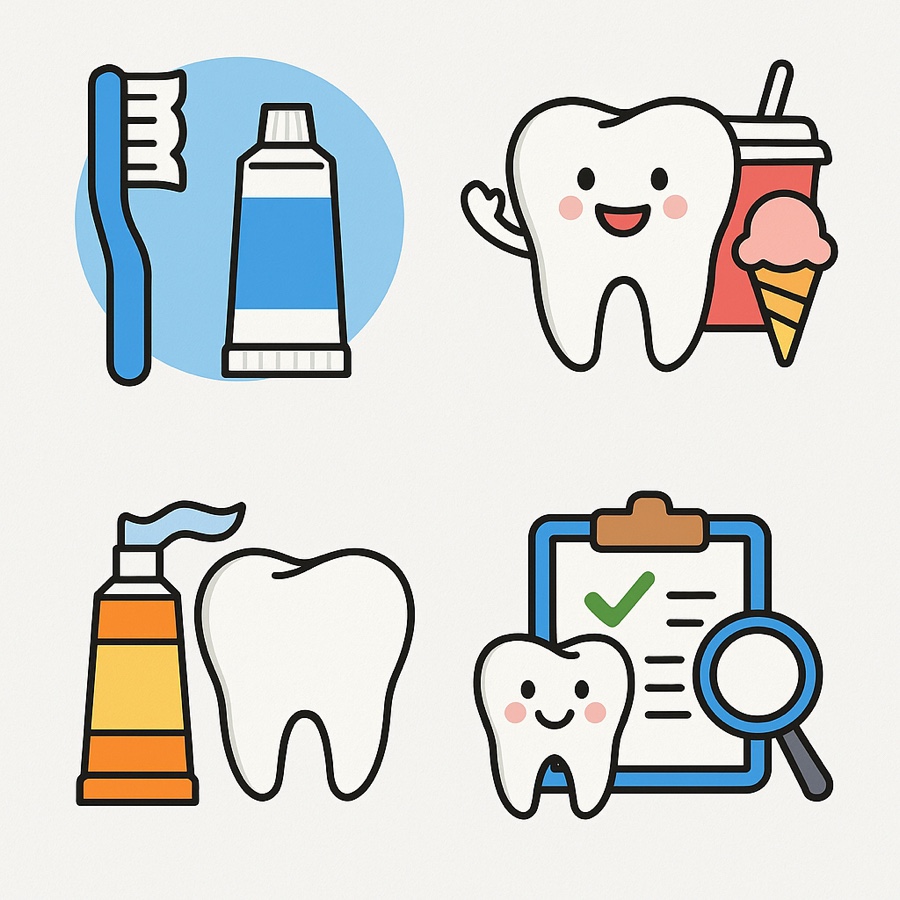
1️⃣ Brush within 3 minutes after meals
Proper brushing, along with the use of interdental brushes and dental floss, is important.
2️⃣ Reduce sugary foods and carbonated drinks
Sugar intake accelerates bacterial growth and the progression of cavities.
3️⃣ Use fluoride toothpaste
Fluoride strengthens the tooth surface and helps prevent cavities.
4️⃣ Regular checkups & scaling
Because cavities do not cause pain in the early stages, regular checkups are essential.
We recommend scaling and checkups once every 6 months to 1 year.
Problems Caused by Leaving Cavities Untreated
Many people think, “It’s a little sensitive, but maybe I can just bear with it?”
However, cavities never heal on their own.

⚠ The longer treatment is delayed, the more tooth structure must be removed
⚠ The treatment period and cost increase
⚠ In the end, you may lose the tooth
Therefore, even a small cavity is best treated after early detection.
Cavities are common, but they are by no means something to take lightly.
Because there are almost no noticeable symptoms in the early stages,
it is most important to detect and treat them through regular checkups.
At Seoul Of Dental Hospital,
we professionally handle every step, from cavity prevention to resin treatment, root canal treatment, crowns, and implants.

Because teeth cannot be restored once damaged,
if you have symptoms that suggest a cavity, we recommend visiting us without delay💚
👉🏻https://www.seoulof.com/
Seoul Of Dental Hospital
The largest dental hospital in Songpa-gu, Seoul, a hospital director who is a specialist in oral and maxillofacial surgery from Seoul National University, 365-day care, weekday evening care every day, 119 cooperative medical institution, Obje:ro (no-prep laminate), in-house dental laboratory
www.seoulof.com