Hello.
This is Seoul Off Dental Hospital😊
Have you ever felt uncomfortable because of a small lump that forms as a round bump on the inside of your lip or under your tongue?
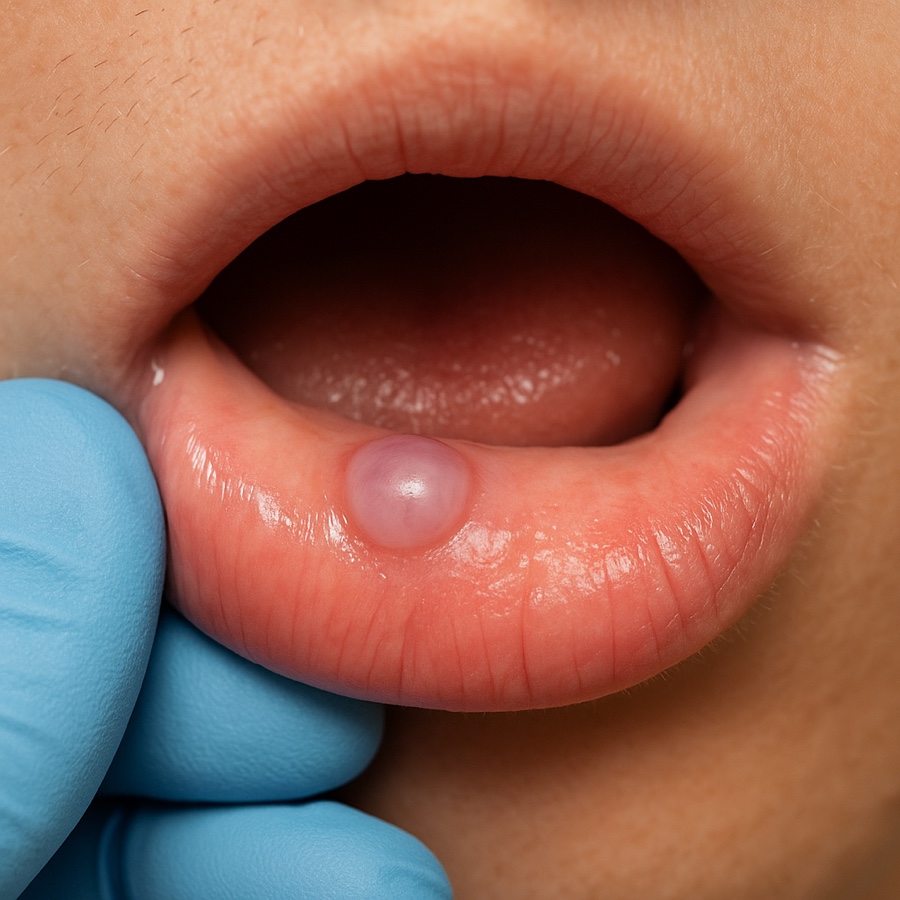
It may look like a soft, transparent fluid-filled sac,
but over time it often grows larger and can cause discomfort when speaking or
eating.
This kind of lump is called a mucocele.
What is a mucocele?
A mucocele is a lump that forms when a small salivary gland becomes blocked or damaged,
causing saliva to collect.
• It commonly appears on the inside of the lower lip, under the tongue, or on the inside of the cheek.
• It looks transparent or bluish and appears like a soft fluid-filled bump.
• At first, it may be as small as a grain of millet, but it can gradually grow larger over time.
Patients often say,
“There's a blister-like lump on my lip.”
“It keeps getting caught when I eat.”
In most cases like these, it is likely to be a mucocele.
Causes of a mucocele
Mucocele is often caused by lifestyle habits and external irritation.

1️⃣ Habit of biting the lip
The unconscious habit of biting your lip can damage the salivary glands.
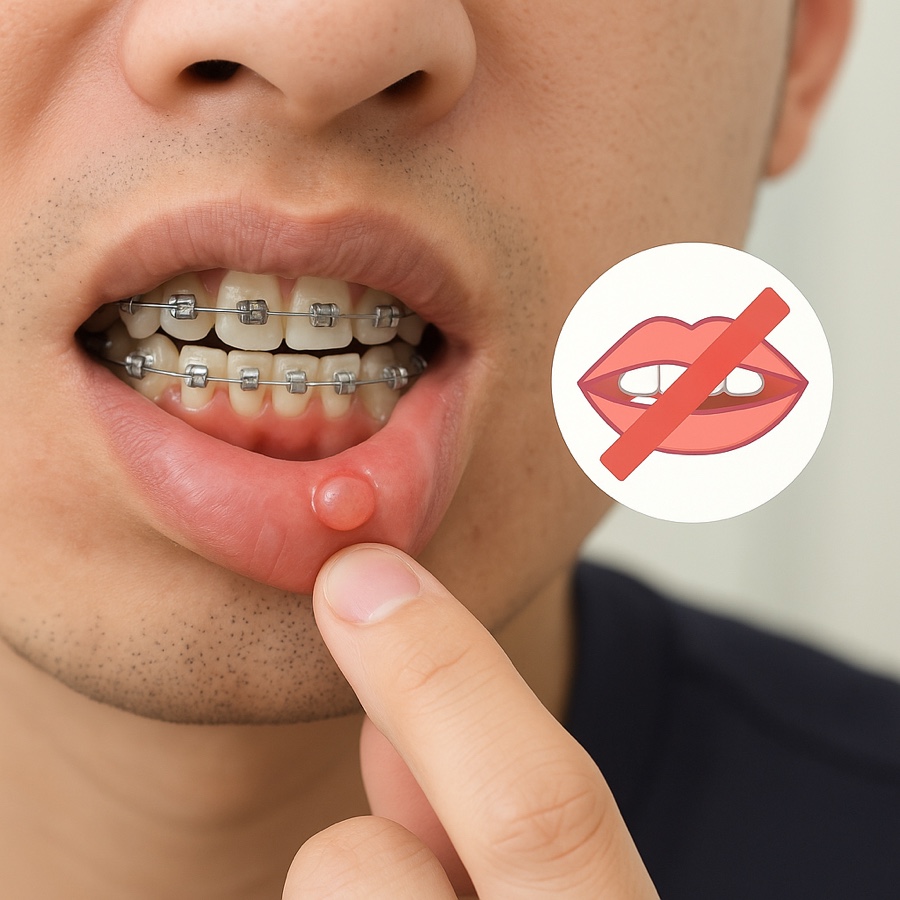
2️⃣ Irritation from teeth or orthodontic appliances
It can occur when the edges of teeth or braces repeatedly irritate the area.

3️⃣ Trauma or wounds
If the inside of the mouth is cut or injured while eating hard foods, it can also lead to a mucocele.
Symptoms of a mucocele

• A round lump can be felt on the inside of the lip or under the tongue
• It is transparent or bluish in color
• It is not painful, but it causes discomfort
• It gets in the way when speaking or brushing teeth
• It may burst once and then fill up again repeatedly
Especially if it forms under the tongue, it can make pronunciation unclear or get in the way of food, causing significant discomfort while eating.
Will a mucocele go away on its own?
Many people ask,
“Will it go away if I leave it alone?”
👉 Unfortunately, a mucocele does not completely disappear on its own.
It may burst once and shrink,
but because the cause remains, it will come back.
As it recurs repeatedly, it becomes more uncomfortable,
and if left untreated, the extent of surgery may become larger.
How is a mucocele treated?
The most reliable treatment is surgical removal.
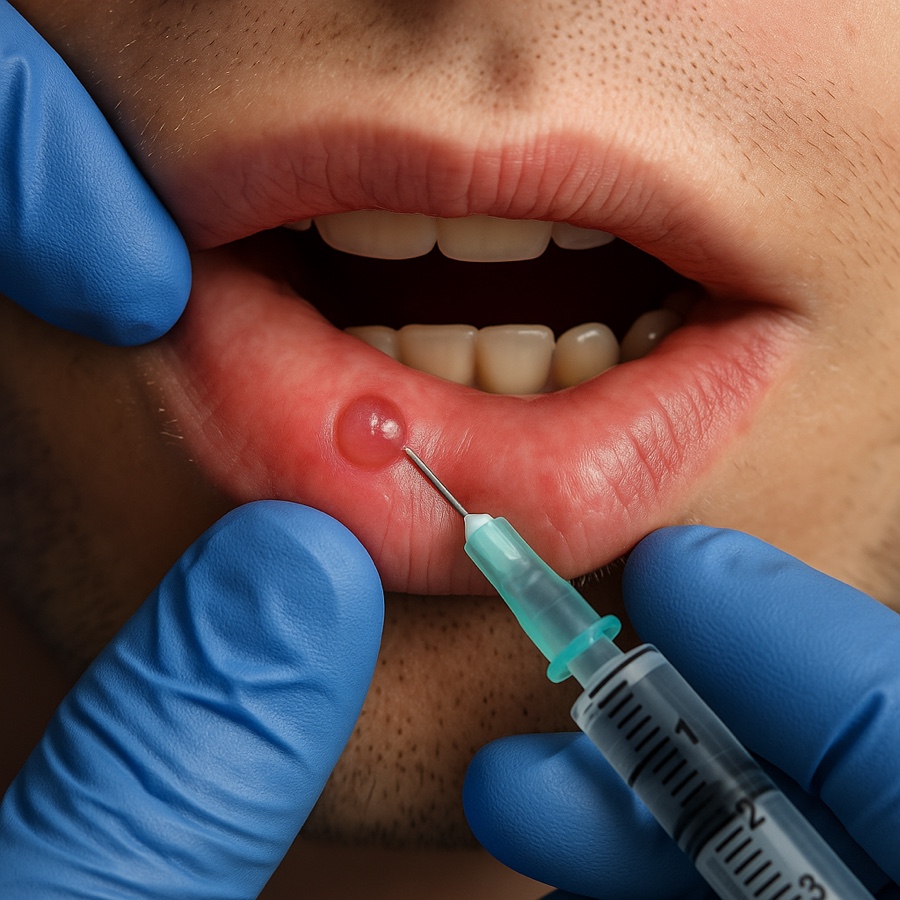
At Seoul Off Dental Hospital, the procedure is safely performed under local anesthesia.
1️⃣ Local anesthesia
The procedure is performed after simple anesthesia, so there is little pain.
2️⃣ Removal of the cyst and surrounding salivary gland tissue
Simply bursting it will cause recurrence.
The cyst and the surrounding salivary gland tissue must be removed together.
3️⃣ Procedure time
It takes only about 10 to 20 minutes.
4️⃣ Recovery
For a few days after surgery, you will recover quickly as long as you avoid only irritating foods.
5️⃣ Recurrence prevention
Habit correction is essential.
(Biting the lip, managing orthodontic appliances, etc.)
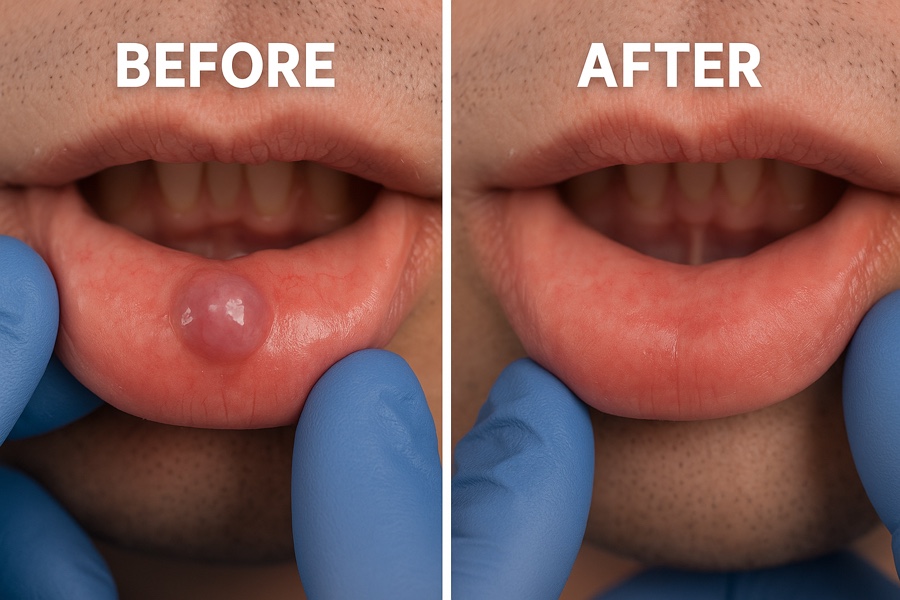
Diseases that must be differentiated from a mucocele
There are conditions that may look similar but are different.
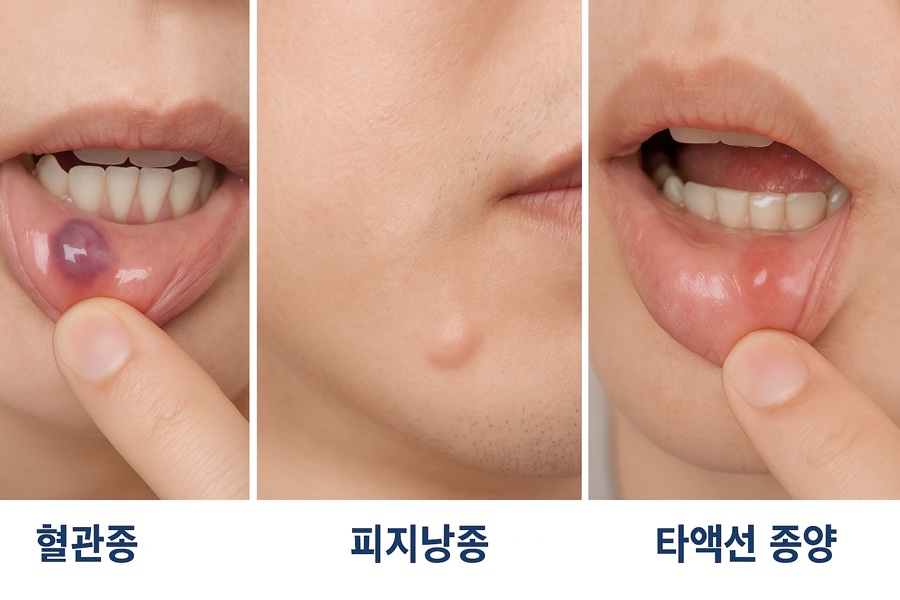
• Hemangioma: may appear bluish
• Sebaceous cyst: a cyst that forms on the skin
• Salivary gland tumor: although rare, tumors can also occur in the salivary glands
Therefore, an accurate diagnosis by an oral and maxillofacial surgery specialist is necessary.
Mucocele treatment at Seoul Off Dental Hospital

At our Songpa dental clinic, Seoul Off Dental Hospital,
an oral and maxillofacial surgery specialist personally diagnoses mucoceles and
performs safe excision surgery under local anesthesia.
We also have university hospital-level equipment and a
systematic safety management system,
so we can respond quickly even in case of an unexpected emergency.
After surgery, we carefully monitor the patient's recovery process,
and also provide guidance on habit correction and
care methods to help prevent recurrence.
👉 If you feel a lump inside your mouth,
do not leave it alone as if it were just a simple fluid-filled bump,
and we recommend getting an accurate diagnosis and treatment.
Seoul Off Dental Hospital Jamsil
4th and 5th Floors, 196 Baekjegobun-ro, Songpa-gu, Seoul