Hello.
This is Seoul Ob Dental Hospital😊
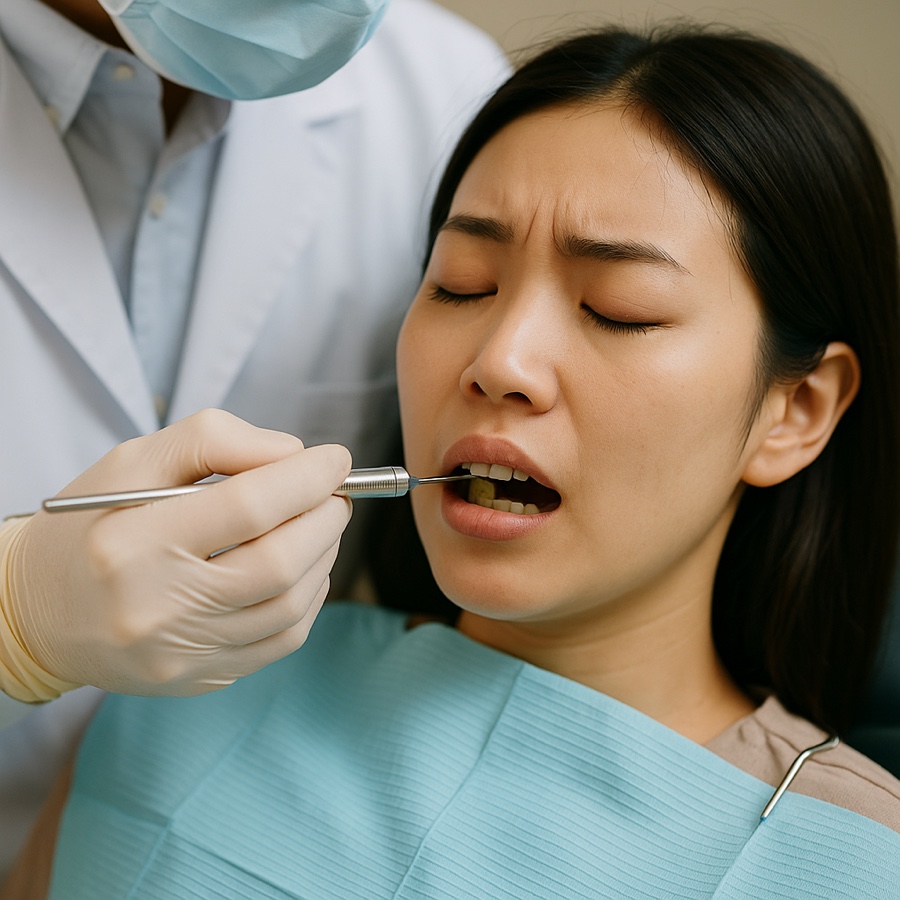
The first thing people notice when you smile is the color of your front teeth.
However, when a tooth that has undergone root canal treatment
gradually turns gray or purple,
many people worry because whitening does not brighten it well.
In cases like this, the treatment needed is nonvital tooth whitening.
Today, we will explain why this treatment is needed, how it is performed,
and Seoul Ob Dental Hospital Jamsil’s
differentiated whitening system.
What is a nonvital tooth?
A nonvital tooth literally means a dead tooth,
that is, a tooth that has completed root canal treatment.
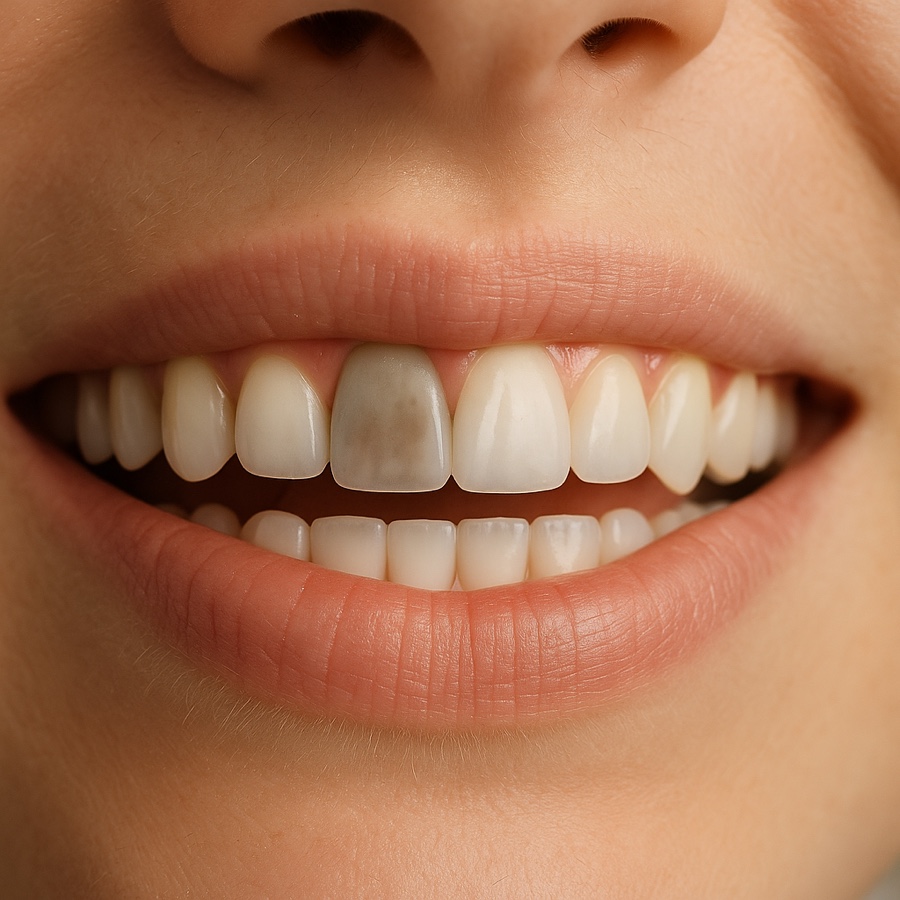
After root canal treatment, the internal blood supply is cut off,
so over time the inside of the tooth becomes dehydrated
and the color darkens.
In particular, gray discoloration after root canal treatment of a front tooth is common.
This is not simple surface staining,
but a change in color from inside the tooth.
That is why ordinary whitening, which only brightens the outer surface,
has almost no effect.
Nonvital tooth whitening: how is it performed?
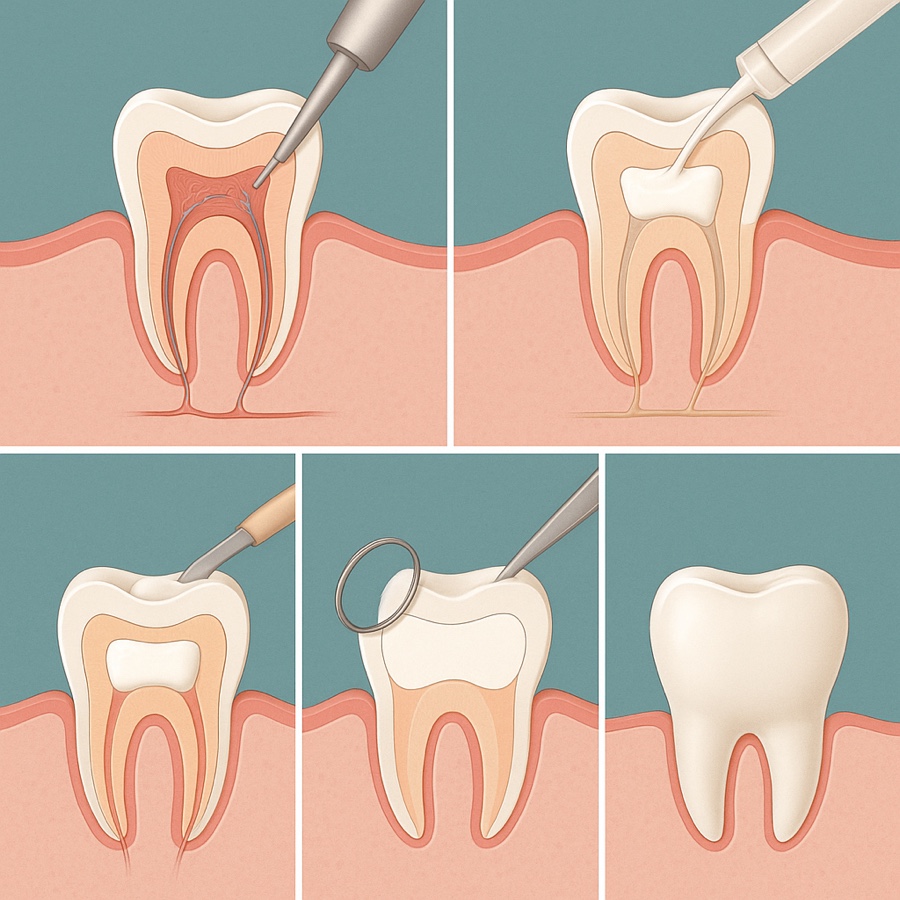
1️⃣ Remove part of the filling material after root canal treatment
2️⃣ Inject a specialized whitening agent into the inside of the tooth
3️⃣ Temporarily seal the tooth
4️⃣ Check the color change every few days and replace the agent
5️⃣ Once the desired brightness is reached, perform the final sealing
In these cases, nonvital tooth whitening is needed
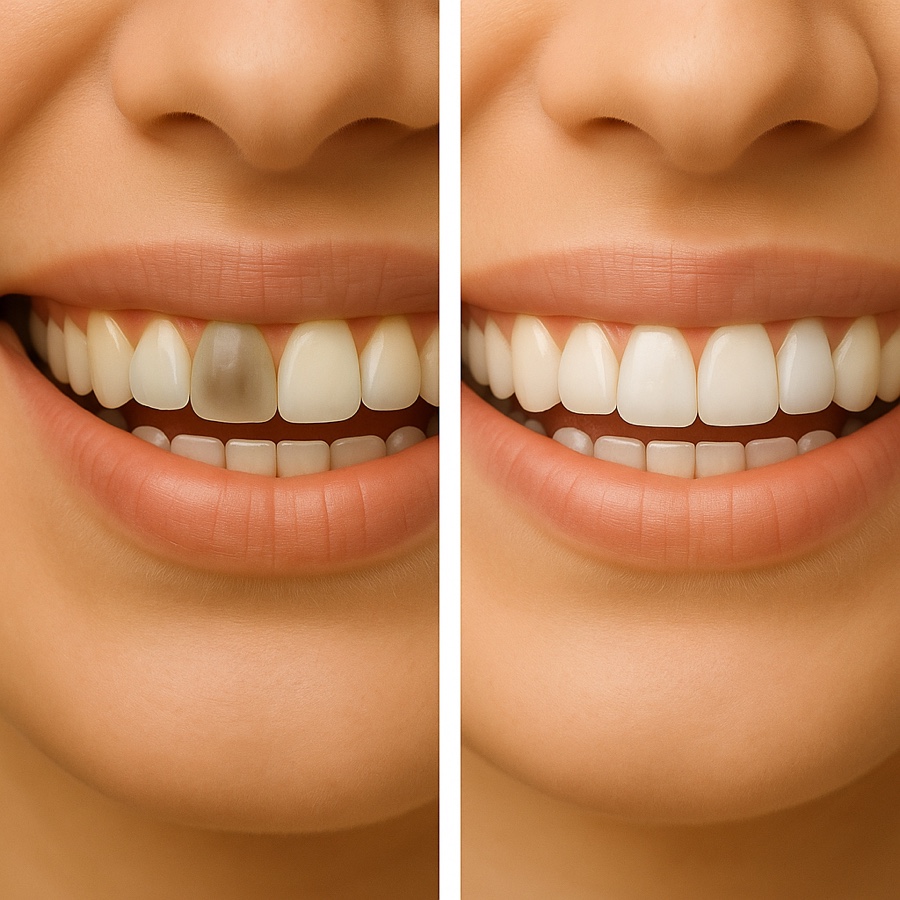
After the tooth’s internal nerve has died (after root canal treatment),
if a prosthetic restoration such as a crown or laminate veneer is placed right away
while the tooth has become dark,
the underlying color may show through, making the overall shade look dull
and creating an unnatural appearance.
In such cases, nonvital tooth whitening before prosthetic treatment
is needed to brighten the internal color of the tooth in advance,
so that the final prosthetic restoration has a natural shade
and blends well with the surrounding teeth.
In most cases, a noticeable change appears within 2–3 sessions,
and because no tooth structure is removed,
it is a much more conservative and
natural treatment method than prosthetic work.
This is especially true for areas like the front teeth, where light passes through the tooth.
Because the internal color directly affects the overall appearance,
performing nonvital tooth whitening before prosthetic treatment
produces a much more natural and
aesthetically refined result.
What is Seoul Ob Dental Hospital like?
At Seoul Ob Dental Hospital,
a prosthodontics and esthetic prosthodontics specialist directly examines the patient,
carefully evaluates the condition of the tooth,
and designs the whitening steps.
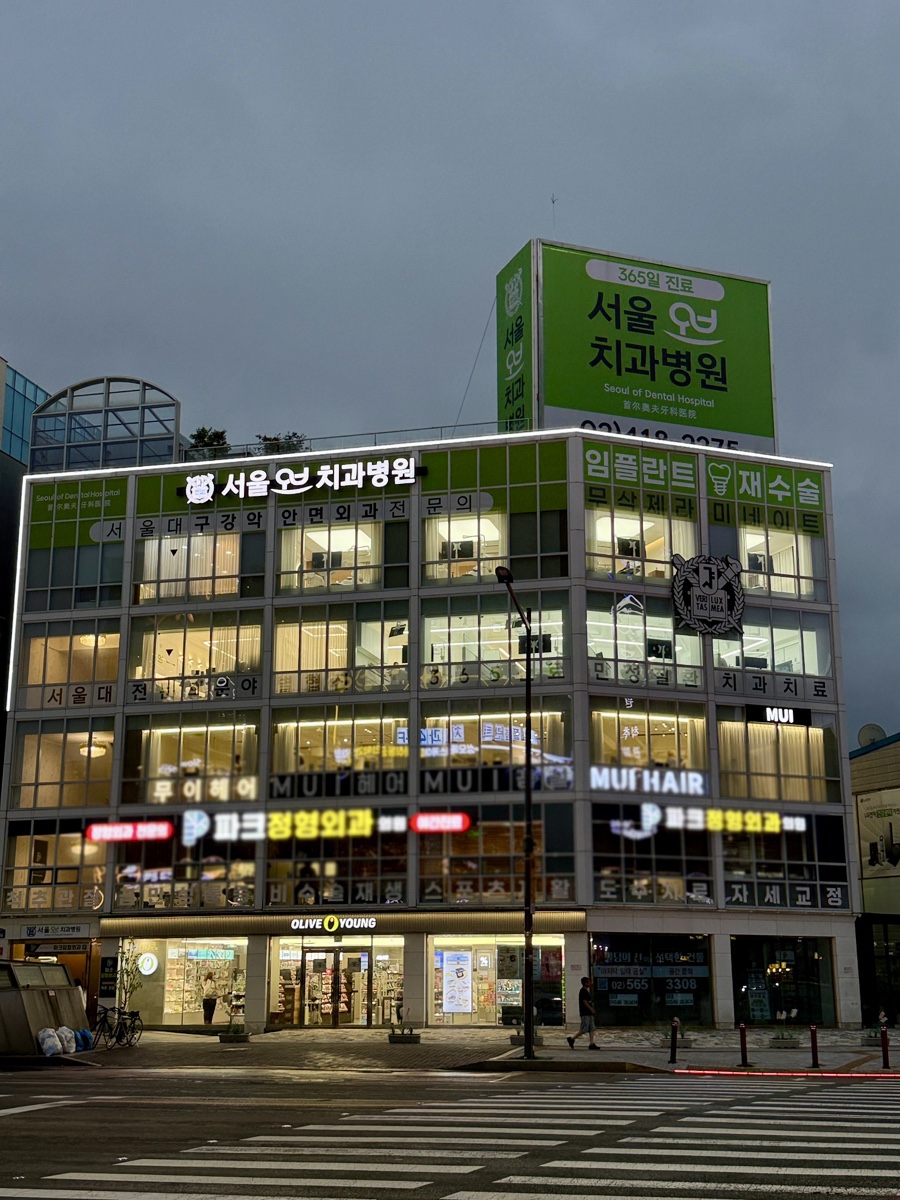
✔ Cooperative care by 5 specialists from Seoul National University
→ A safe system connected across root canal treatment, prosthetics, and esthetics
✔ Equipped with cutting-edge oral scanners and intraoral endoscopes
→ Color changes and tooth condition can be checked in real time
✔ In-house dental lab operation
→ If needed, crowns and prosthetics can be restored naturally
✔ Post-whitening care program
→ Management to help prevent re-discoloration and regular monitoring
How to care after treatment
Please follow the guidelines below after nonvital tooth whitening.
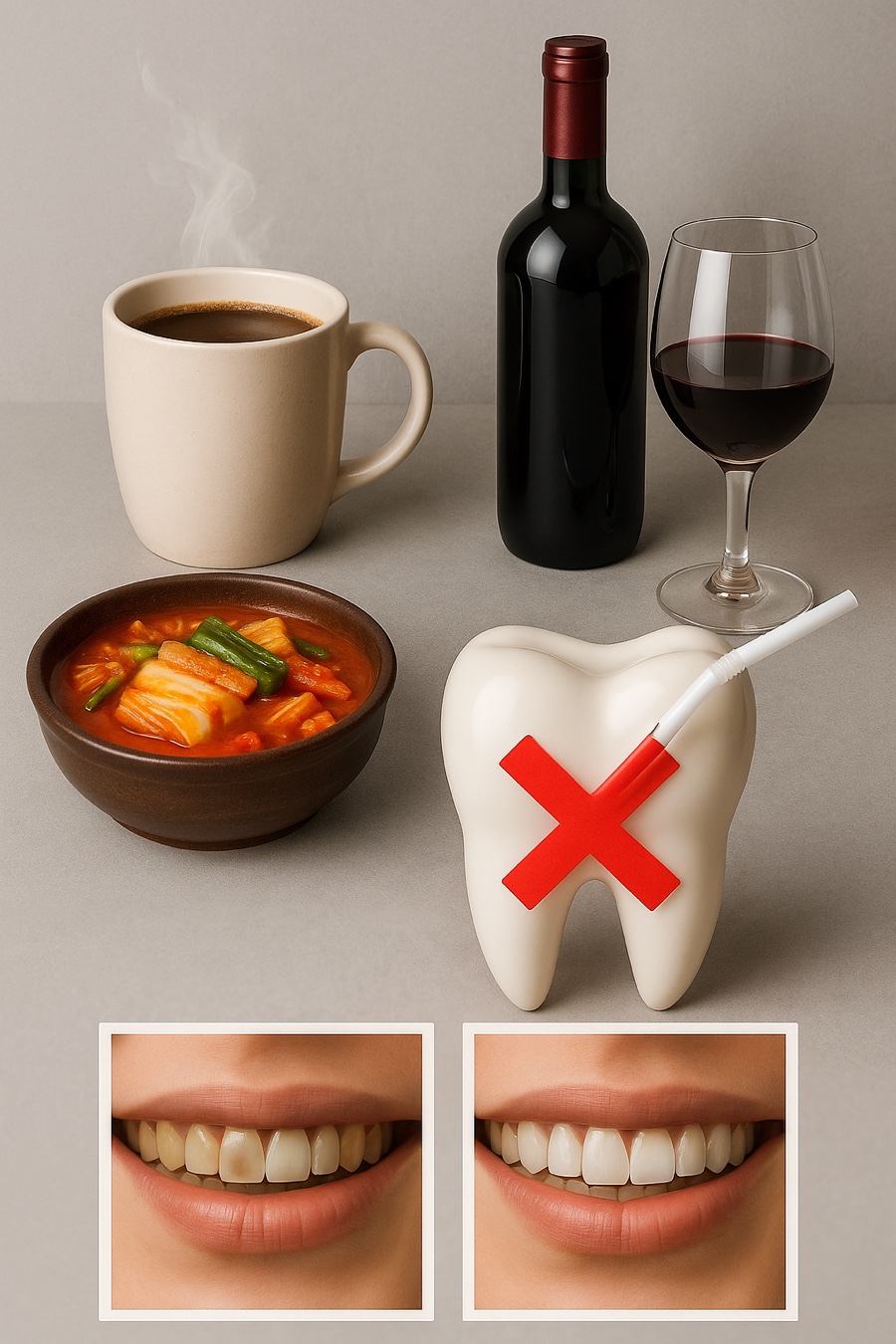
• Avoid staining foods and drinks (coffee, wine, kimchi stew, etc.)
for 2 weeks
• Quit smoking & use a straw for colored beverages
• Check for color changes through regular examinations
Because teeth show changes like living tissue,
regular care helps maintain a bright color.
Closing
Nonvital tooth whitening is not simply a procedure to “brighten the color,”
but a treatment that preserves the tooth’s natural vitality as much as possible.
At Seoul Ob Dental Hospital Jamsil,
we provide safer and more natural results
through care by 5 specialists from Seoul National University,
advanced equipment,
and a precise shade analysis system.
For teeth that have darkened after root canal treatment,
restore their brightness again now🌿
Seoul Ob Dental Hospital Jamsil
4th and 5th Floors, 196 Baekjegobun-ro, Songpa-gu, Seoul