“If I don’t have cavities, I’m probably fine.”
Many people think this way,
but the roots and gums that support your teeth
can break down much more quietly
and much faster than cavities.
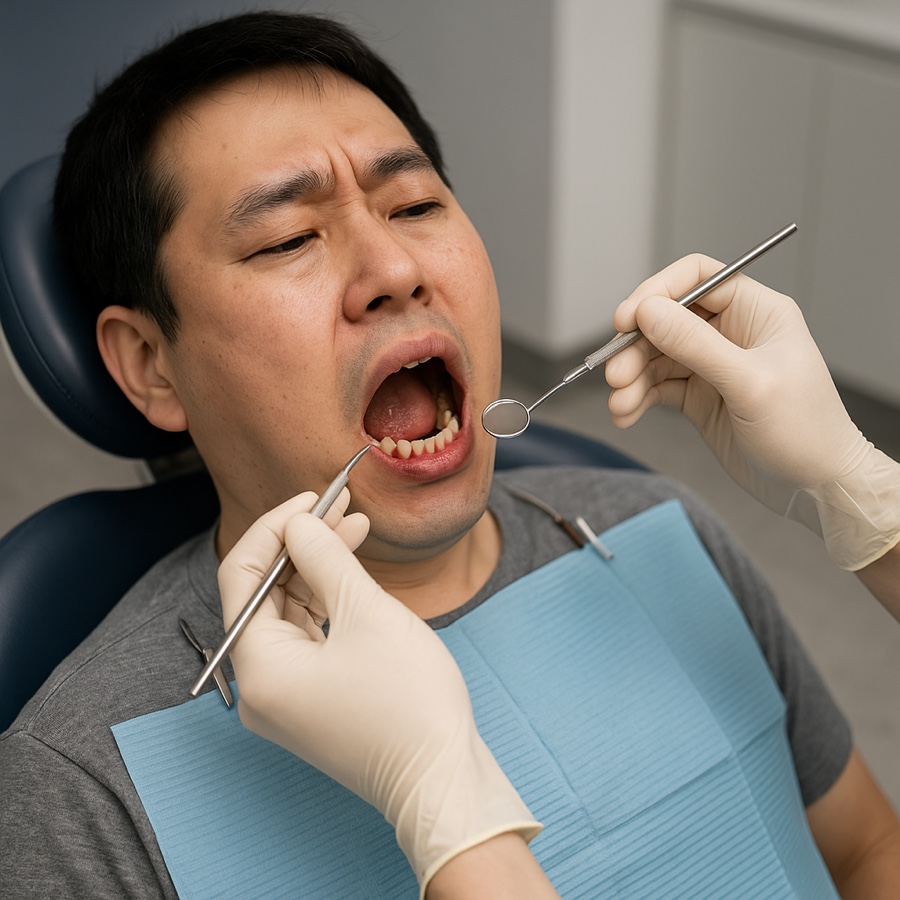
In fact, statistics show that more than half of adults
suffer from gingivitis or periodontitis,
and many of them have no pain,
so they only visit the clinic after the condition has progressed.
But gum disease can restore the jawbone
if it is treated early.
Gum disease progresses like this
Gum disease begins as simple inflammation
and develops into a chronic condition that leads to bone loss.
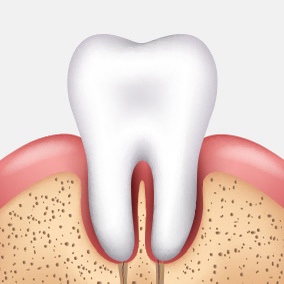
1️⃣ Healthy gums
They are red, firm, and do not bleed.
→ Prevent with scaling every 6 months
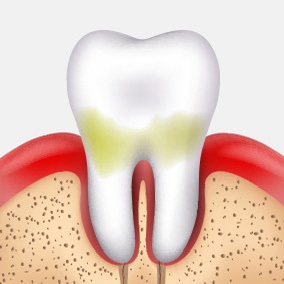
2️⃣ Gingivitis stage
Plaque and tartar build up between the gums, causing swelling and bleeding.
→ Root planing (tartar removal + smoothing the root surface)
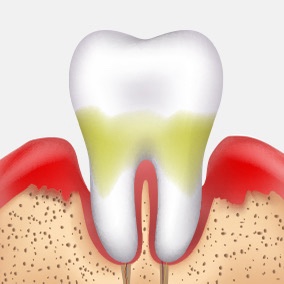
3️⃣ Early periodontitis stage
As the alveolar bone begins to dissolve,
the gums recede and pain develops.
→ Periodontal curettage, which gently opens the gums to remove inflammation
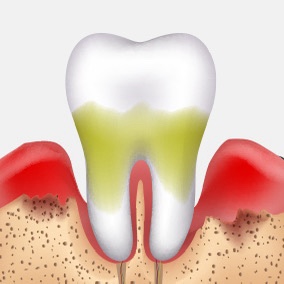
4️⃣ Mid- to late-stage periodontitis
The teeth become loose and chewing becomes difficult,
and pus comes out of the gums.
→ Gum surgery and regenerative treatment (including bone grafting)
In other words, gum disease starts without symptoms
and leads to irreversible damage,
so early diagnosis and regular management are the most important.
Why half of adults are leaving it untreated
Gum disease causes little pain,
and there are no major visible changes,
so many people try to stop at simple scaling
or miss the treatment timing.
But untreated gum disease
can cause the following problems.
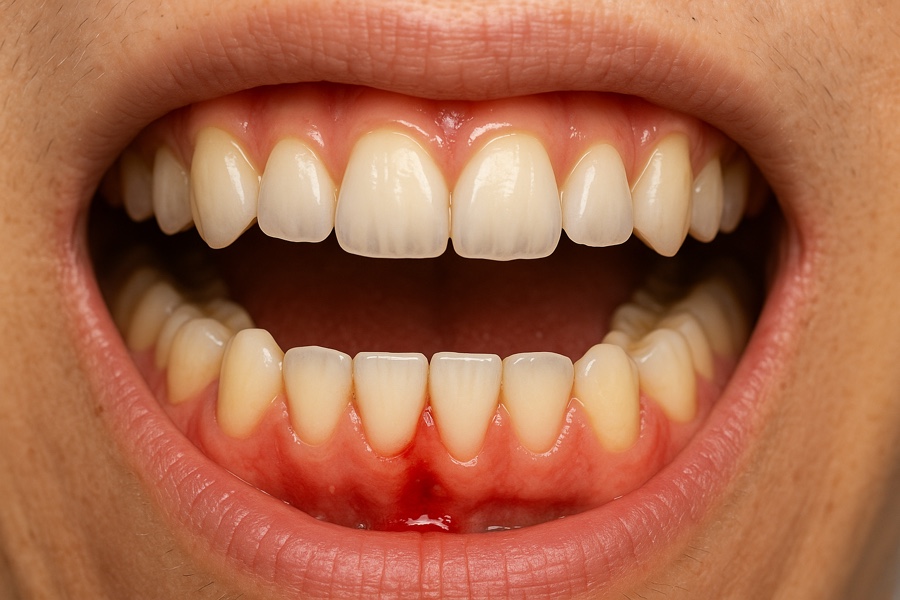
Food frequently gets stuck, and bad breath becomes severe
The gums swell and bleed
Teeth gradually become spaced apart or loose
Inflammation occurs around implants
These symptoms are already signs that periodontitis is progressing,
and inflammation deep inside the gums needs to be removed.
How does gum treatment proceed?
Gum treatment is divided into non-surgical treatment and surgical treatment,
and is approached in stages depending on the patient’s condition.
① Non-surgical treatment
Scaling: removing tartar from the tooth surface and below the gumline
Root planing (SRP): removing bacteria and inflamed tissue inside the gums, then smoothing the root surface
② Surgical treatment
Periodontal curettage: gently opening the gums and removing inflamed tissue and
infected bone
Periodontal surgery: grafting damaged gum bone or
restoring it with a regenerative membrane
At Seoul of Dental Hospital in Jamsil,
we use specialized periodontal regeneration equipment and microsurgical techniques
to preserve teeth as much as possible.
Recovery care after periodontal treatment is also important
Gum treatment is not a one-time procedure,
and managing your lifestyle afterward is half of the treatment.
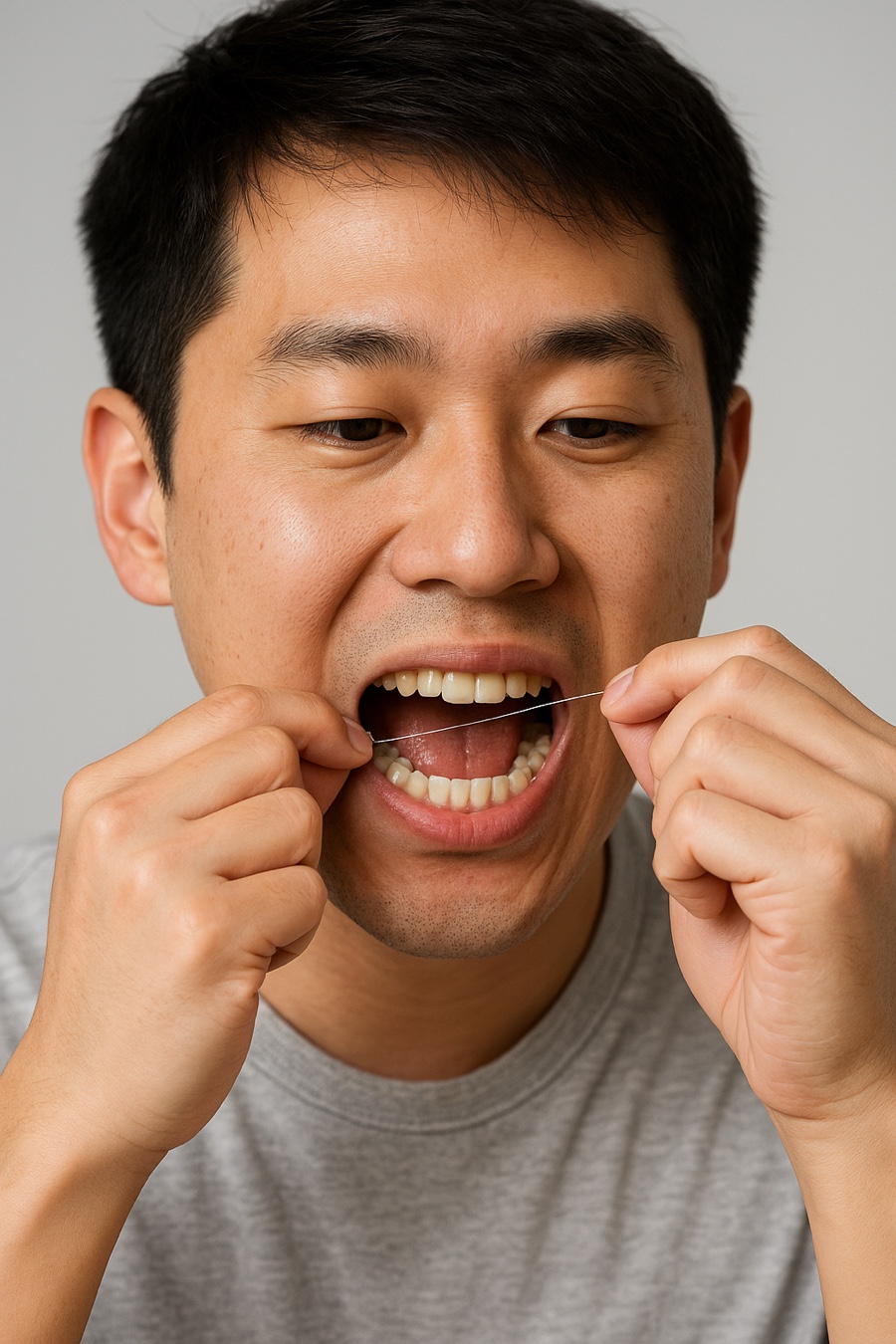
Massage the gumline with a soft-bristled toothbrush 2–3 times a day
Clean with dental floss and interdental brushes
Avoid smoking, drinking, and hard foods (squid, nuts, etc.)
Check for recurrence through regular checkups (every 3–6 months)
Even after treatment,
Seoul of Dental Hospital maintains treatment results stably
through regular scaling and oral care programs.
Healthy gums protect your teeth
The gums are the foundation that surrounds the ‘roots’ of the teeth.
If this foundation becomes weak, even the best prosthetics or implants will not last long.

Seoul of Dental Hospital
makes it a principle to provide fundamental treatment that saves the gums and protects the teeth,
from accurate diagnosis to delicate surgery,
and consistent management,
offering a patient-centered integrated system.
Seoul of Dental Hospital Jamsil
4th and 5th floors, 196 Baekjegobun-ro, Songpa-gu, Seoul
📍 Seoul of Dental Hospital
4th–5th floors, 196 Baekjegobun-ro, Songpa-gu, Seoul
📞 02-418-2275
🚇 3-minute walk from Exit 2 of Samjeon Station
🕐 Open 365 days a year / Evening and holiday care available