After scaling,
“Is this much sensitivity normal?”
“Why is it bleeding?”
Many people worry about this.
In particular, since scaling is a basic part of regular care,
many people who feel sensitivity or bleeding and become anxious
contact us often.
Today, I’ll explain in an easy way why sensitivity and bleeding
after scaling happen, how long they last,
and when you should come back to the clinic.
Why does my teeth feel sensitive after scaling?
Scaling removes tartar and stains
that were attached to the teeth,
revealing the tooth surface that had been hidden.
When the areas previously covered by tartar are exposed,
stimuli such as cold water or wind can reach them more directly,
so you may temporarily feel sensitivity.
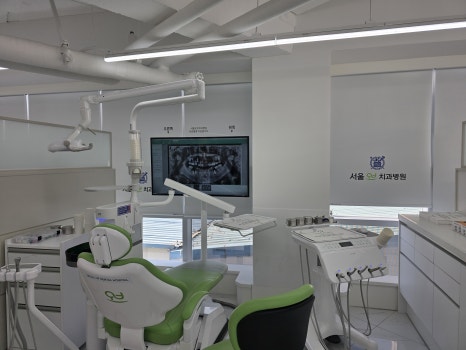
Also, in areas that had inflammation,
after tartar removal the gums can feel
“slightly sore,”
so the sensitivity may feel stronger.
In most cases, this is a normal reaction that naturally decreases
within about 1 to 5 days.
Why does bleeding happen after scaling?
It is not the scaling itself that causes bleeding;
in most cases, it comes from gums weakened by gingival inflammation.
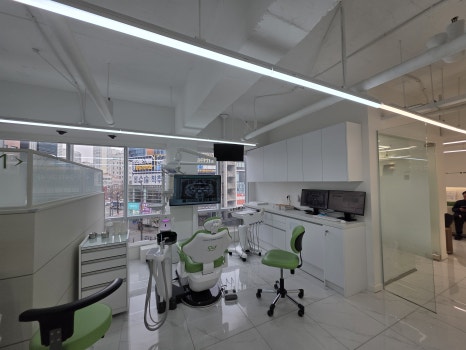
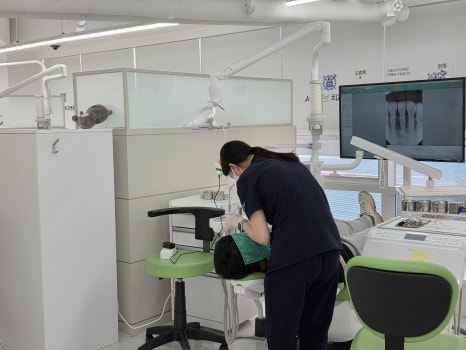
When tartar is removed through scaling,
the gums that had been swollen and weakened may be stimulated,
so they can bleed a little while brushing.
This is also a common reaction during the process of the gums
recovering to normal.
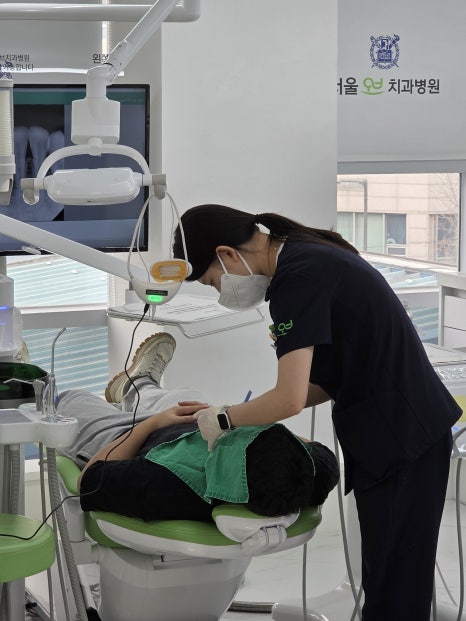
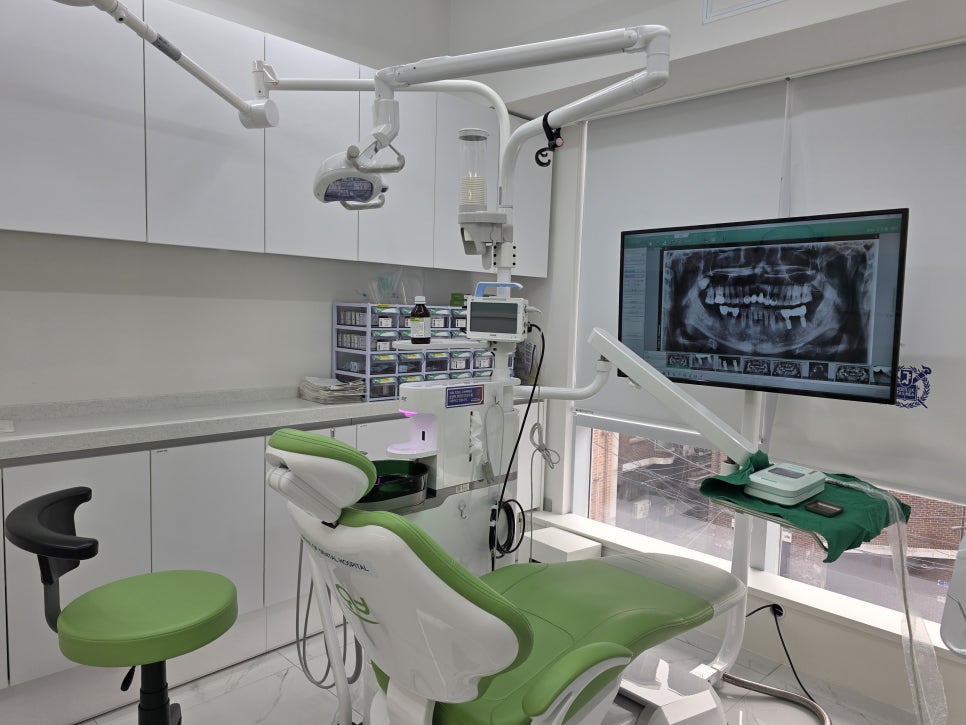
Distinguishing normal reactions from abnormal ones
After scaling,
if you experience the following, it is a normal reaction.
• Mild sensitivity for about 1 to 5 days
• Slight bleeding only when brushing
• Brief reaction to hot/cold stimuli
• Sensitivity and bleeding that gradually decrease
On the other hand, if you have the symptoms below, further checkup is needed.
• Bleeding that continues even after 1 to 2 weeks
• Sensitivity that becomes progressively worse
• Swollen, throbbing gums
• Severe pain on only one side
• Pus or discomfort from the gums
In such cases, it is more likely to be due to gum disease (gingivitis/periodontitis)
rather than a problem with the scaling itself.
How to care for yourself at home after scaling
It is not necessary to do anything especially difficult after scaling,
but if you reduce irritation while the gums are recovering,
they will improve much faster.
• Avoid hot and salty foods on the first day
• Use a soft-bristled toothbrush
• Do not press hard on the gums while brushing
• Rinse lightly with lukewarm water
• Floss can be used as usual
(However, do not pull forcefully.)
The more tartar you had between the front teeth or on the molars,
the more likely sensitivity is to appear after scaling,
but in most cases it almost disappears within a few days.
When should I come back to the dental clinic?
If any of the following apply,
we recommend getting checked once more.
• If sensitivity continues even one week after scaling
• If there is persistent bleeding every time you brush
• If there is pus or a bad smell when flossing
• If the gums are swollen and painful when pressed
Since there may be periodontitis or deep inflammation that scaling alone cannot resolve,
in such cases gum treatment may be necessary.
Sensitivity and bleeding after scaling
are mostly part of the normal recovery process,
but if the symptoms last longer or become stronger,
they may be a sign that there is a problem with gum health.
If your symptoms last a long time,
or if your mouth becomes more uncomfortable,
it is okay to start with a simple consultation.
We will help you manage it comfortably. 💚
If you feel that sensitivity or bleeding after scaling is severe, you can visit the clinic for treatment. However, in general, sensitivity and bleeding commonly occur. In particular, teeth with severe cavities or heavy tartar may feel much more sensitive, and crooked teeth or areas with weak gums are more prone to bleeding.
Before the scaling appointment, if you tell us that you would like the procedure to be performed more gently, the medical staff will actively reflect the patient’s condition and preferences to provide the treatment safely.
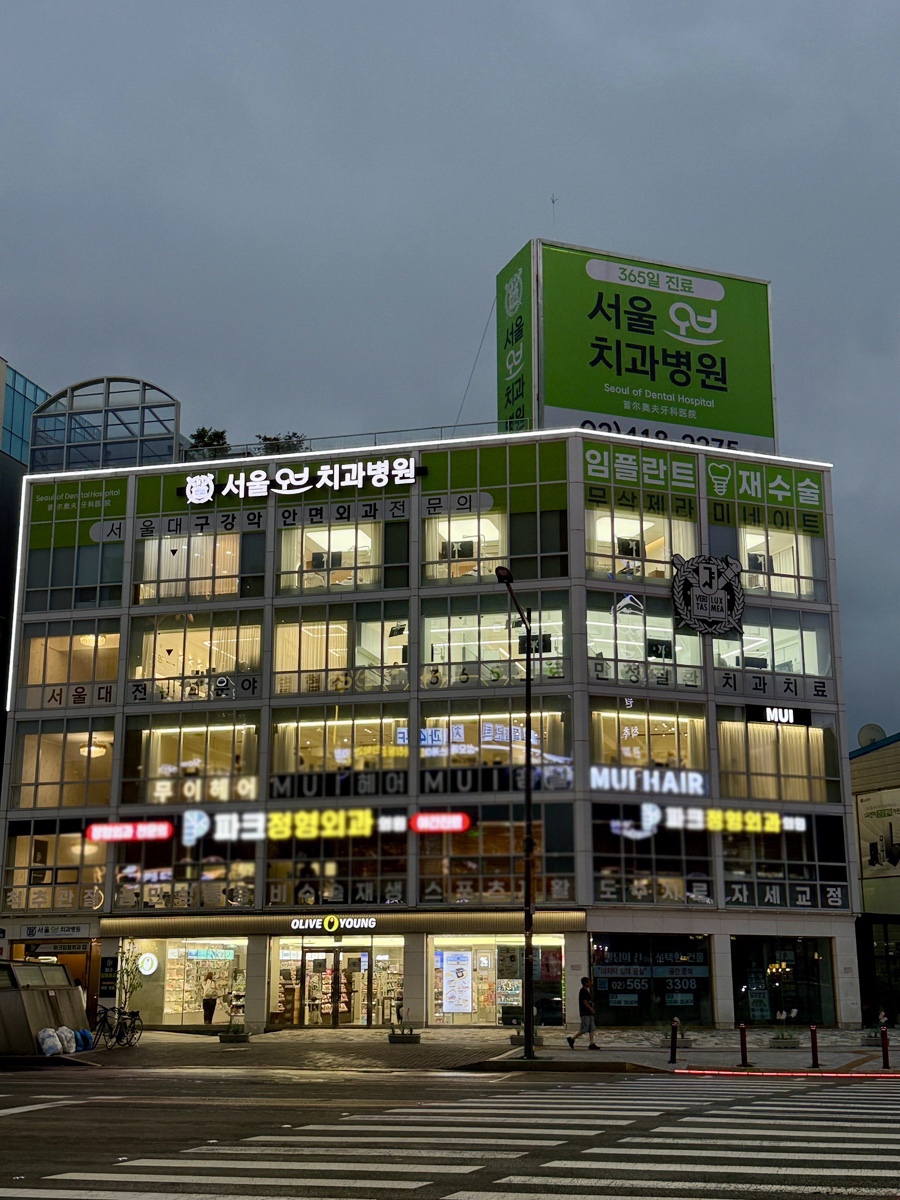
Seoul Ob Dental Hospital
4th and 5th Floors, 196 Baekjegobun-ro, Songpa-gu, Seoul