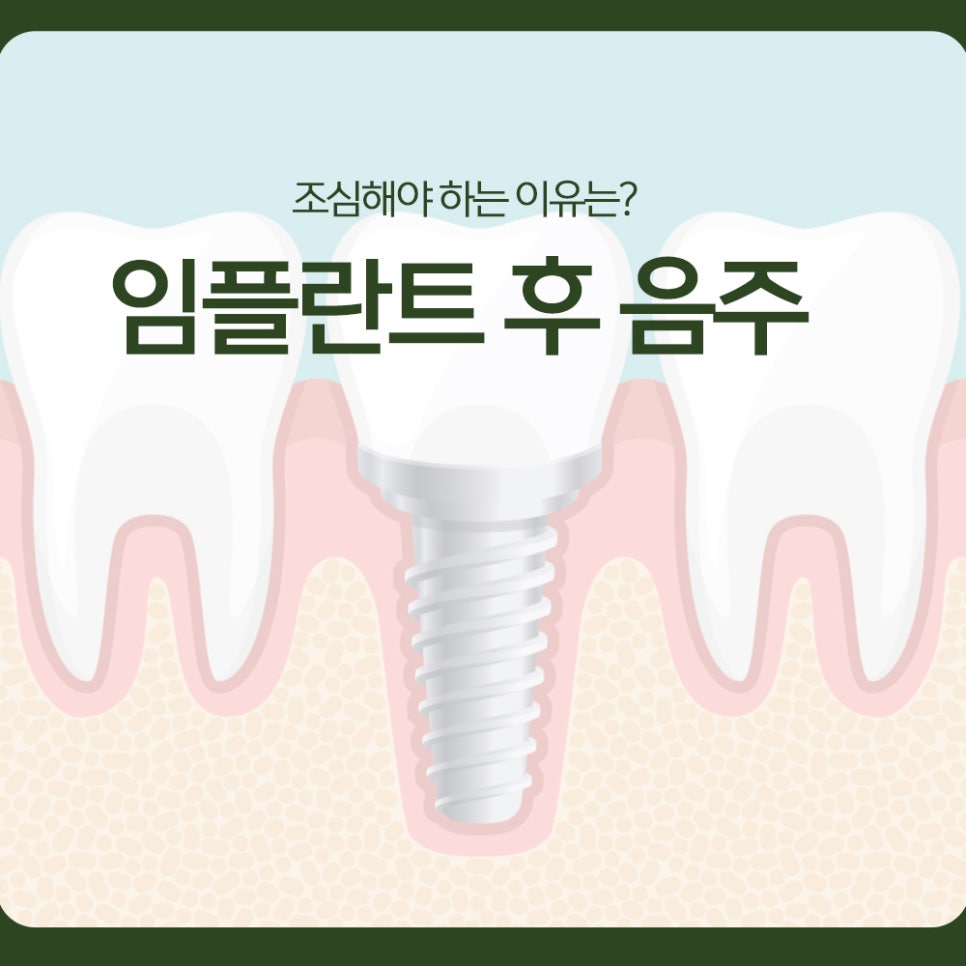
As we get older,
our teeth naturally become weaker,
but tooth loss is not caused by aging alone.
Sudden accidents, untreated cavities,
and advanced periodontal disease can all lead to situations
where extraction becomes necessary.
Tooth loss does not simply end with discomfort while chewing.
When chewing function declines,
it can place a burden on overall digestion
and affect the intake of necessary nutrients.
On top of that,
gaps left by missing teeth when you smile
can also undermine your confidence in your appearance.
That is why after an extraction,
it is especially important to restore both function and aesthetics
through appropriate treatment
that can take the place of a natural tooth.
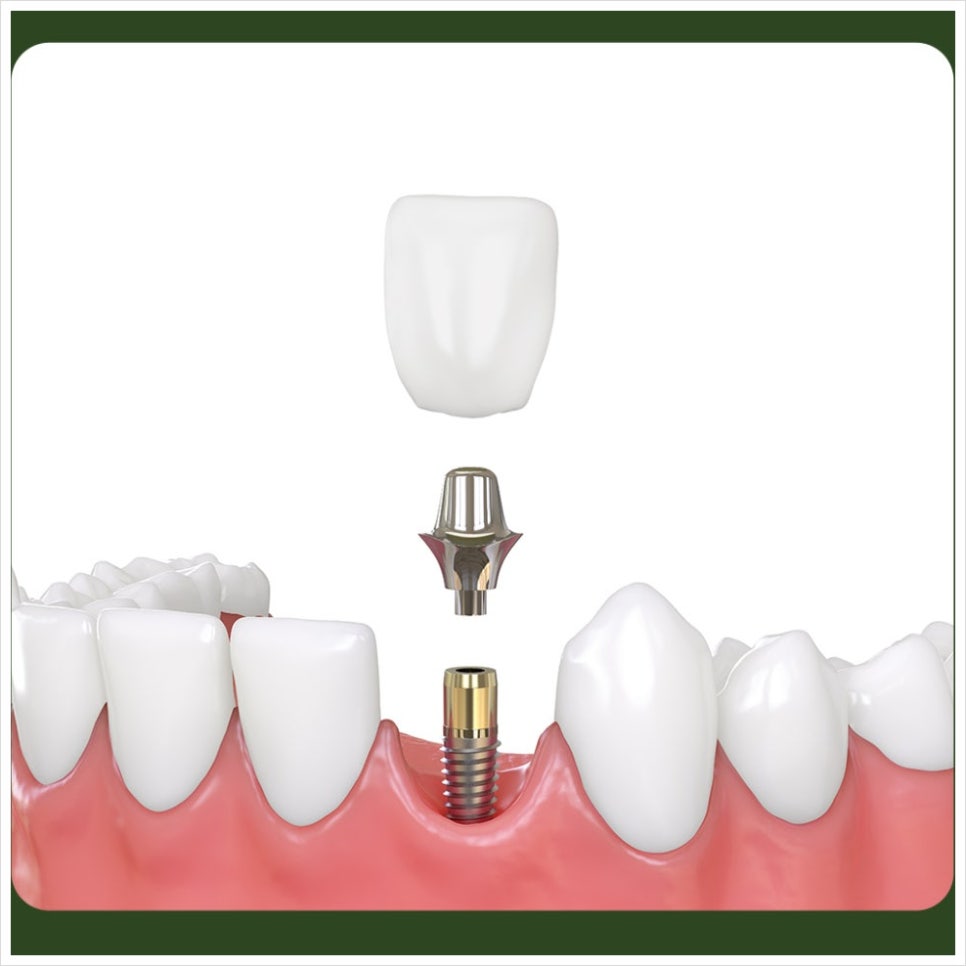
Implants are a representative dental treatment
used to replace missing teeth,
and they have the advantage of providing chewing function and a feel
that are very similar to natural teeth.
However, because the recovery process after the procedure is important,
you need to follow daily care and precautions carefully
if you want to use them without problems for a long time.
In relation to this, many people wonder
when it is okay to drink alcohol after an implant.
We will explain step by step
when you can start drinking,
and why caution is needed! 🤗

🦷 Drinking after an implant,
Why should you be careful?
After an implant procedure, drinking alcohol
can excessively promote blood circulation,
make hemostasis difficult,
and increase the possibility of bleeding
at the surgical site.
Also, because alcohol lowers immune function
and dilates blood vessels,
it can trigger inflammatory responses,
so it is advisable to avoid alcohol completely
for at least about 2 weeks.
Some people may feel reassured after hearing from others
that they drank after surgery and nothing happened,
but since individual differences are large,
you should never take it lightly.
In addition, regardless of whether you had implant surgery,
the alcohol in alcoholic beverages
dry out the mouth and create an environment where bacteria can multiply easily, among other effects,
so they can have a negative effect on the oral cavity,
and it is best to avoid drinking if possible.
Also, for recovery,
it is good to quit smoking as well.
The nicotine and harmful substances in cigarettes
slow the recovery and regeneration of gum tissue,
and the components in smoke
interfere with cellular activity during the process of bone formation,
which can negatively affect
the firm bonding between the implant and the bone.
In addition, for about a week after surgery,
it is advisable to avoid strenuous exercise,
saunas,
and jjimjilbangs as well.
Also,
carefully following the post-treatment instructions provided by the dental clinic
is what leads to a stable recovery and good results!
Please keep this in mind.
We have generally explained
the timing for drinking and smoking after implant surgery.
Avoiding both alcohol and cigarettes
for at least 2 weeks after surgery
is a big help for recovery.
👉 A brief period of drinking or smoking
can determine the lifespan of an implant over several years.
Please remember that small care habits
create an implant that can be used for a long time,
and follow them :)
Seoul Ob Dental Hospital
4th and 5th Floors, 196 Baekjegobun-ro, Songpa-gu, Seoul