In winter, every time you exhale,
white breath rises into the air.
Even from this phenomenon alone,
you can easily tell
how cold the air outside is.
In this way, when you breathe in cold air,
the feeling of coolness deep in your chest
is a natural reaction of our body.
But when cold wind brushes across your face,
or the moment you inhale outdoors in winter,
if your teeth feel sensitive or you feel a sharp pain
as if being poked by a needle,
you should not dismiss it as a simple seasonal reaction.
Teeth are surrounded by enamel,
one of the hardest tissues in the human body,
which protects them from external stimuli.
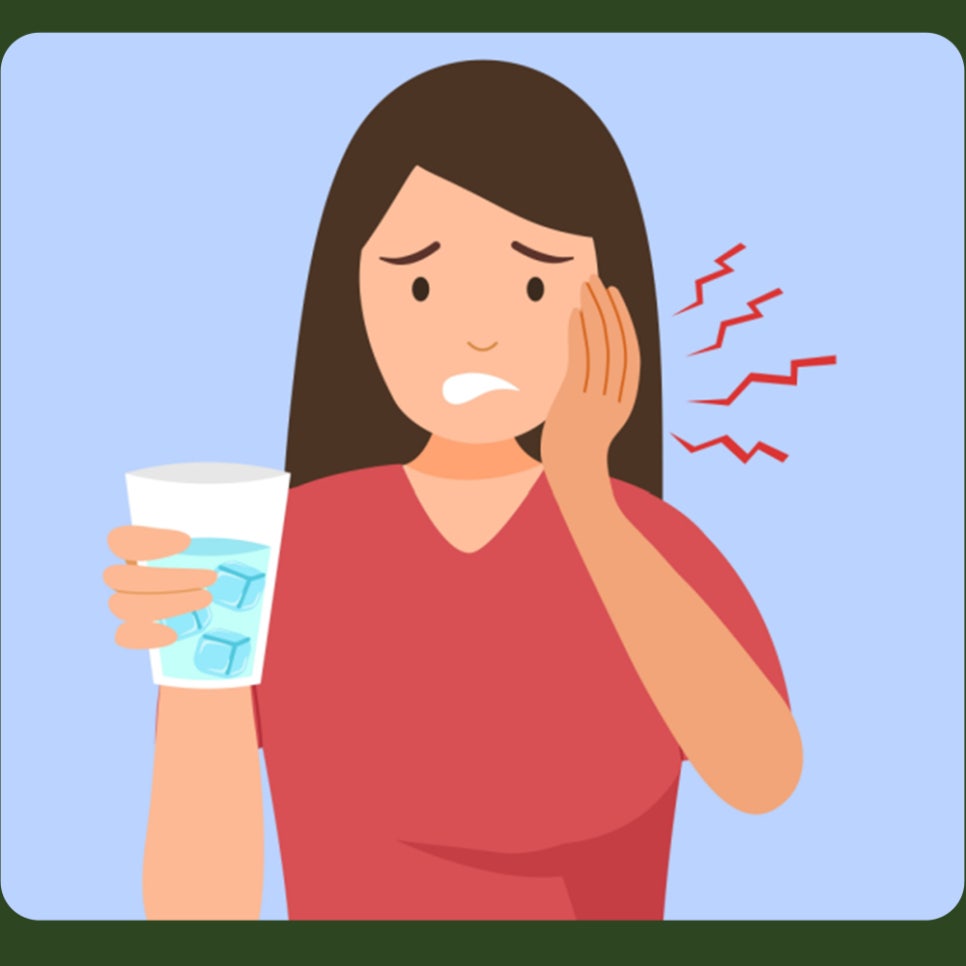
If you repeatedly feel tooth sensitivity and pain
when exposed to cold air in winter
or when drinking cold beverages,
this may be a warning sign
that something is wrong with your dental health.
In particular, sensitivity to cold wind
is one of the first symptoms
that appears in the early stages of various dental diseases.
Even if there is no visible abnormality,
if you feel reassured and leave it alone,
the pain may become more frequent and more intense.
Rather than thinking, “It’s only for a moment, so it’s fine,”
each time you feel sensitivity,
it is the wisest way to protect your teeth
to identify the cause clearly
and take appropriate action.
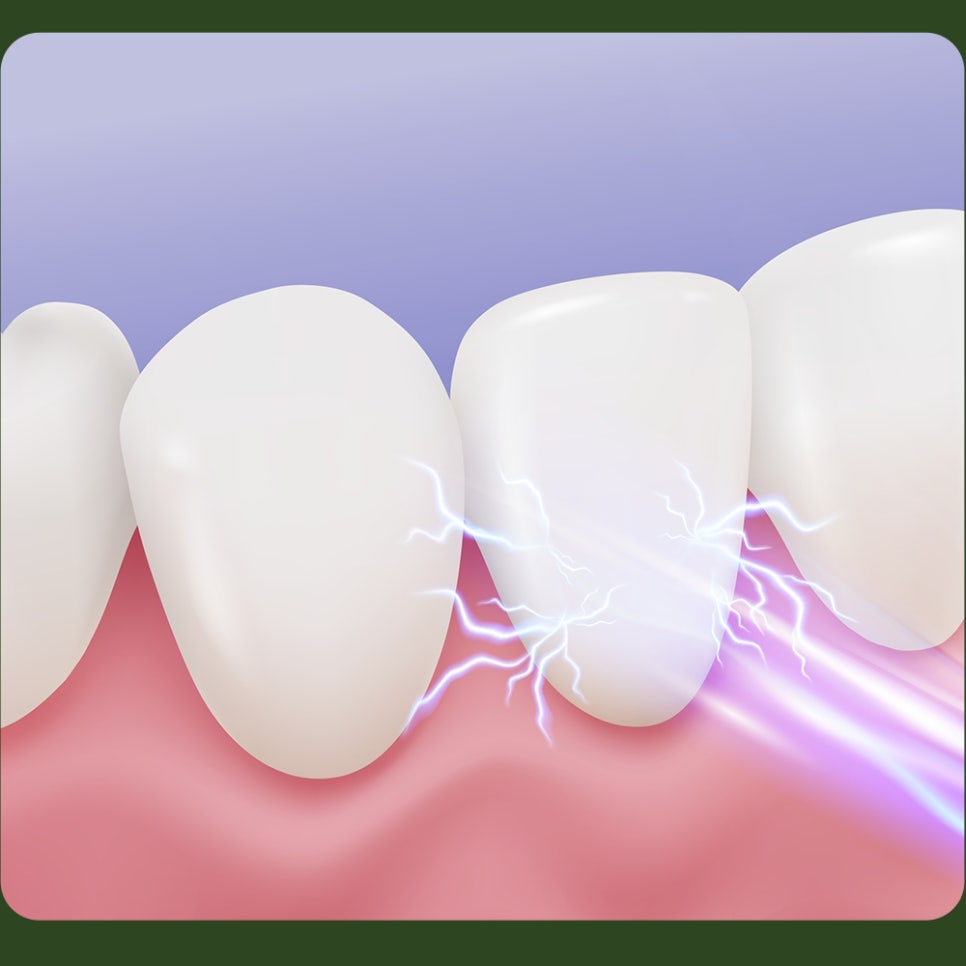
Causes of Tooth Sensitivity
What could they be?
The representative cause of tooth sensitivity
is tooth decay.
Tooth decay begins on the surface of the tooth
and gradually progresses inward over time.
In the early stages, there is usually no significant pain,
but as the decay passes through the dentin
and gets closer to the pulp,
the tooth may become sensitive to cold stimuli
and may develop a sharp, throbbing pain.
Another cause is a tooth crack.
Even if the tooth looks fine on the outside,
if a tiny crack has formed,
it can trigger sensitivity symptoms.
Along with this, cervical abrasion
is also one of the common causes of tooth sensitivity.
If the gums recede and expose the root area of the tooth,
or if you brush repeatedly with too much force,
the protective layer can wear down, causing sensitivity.
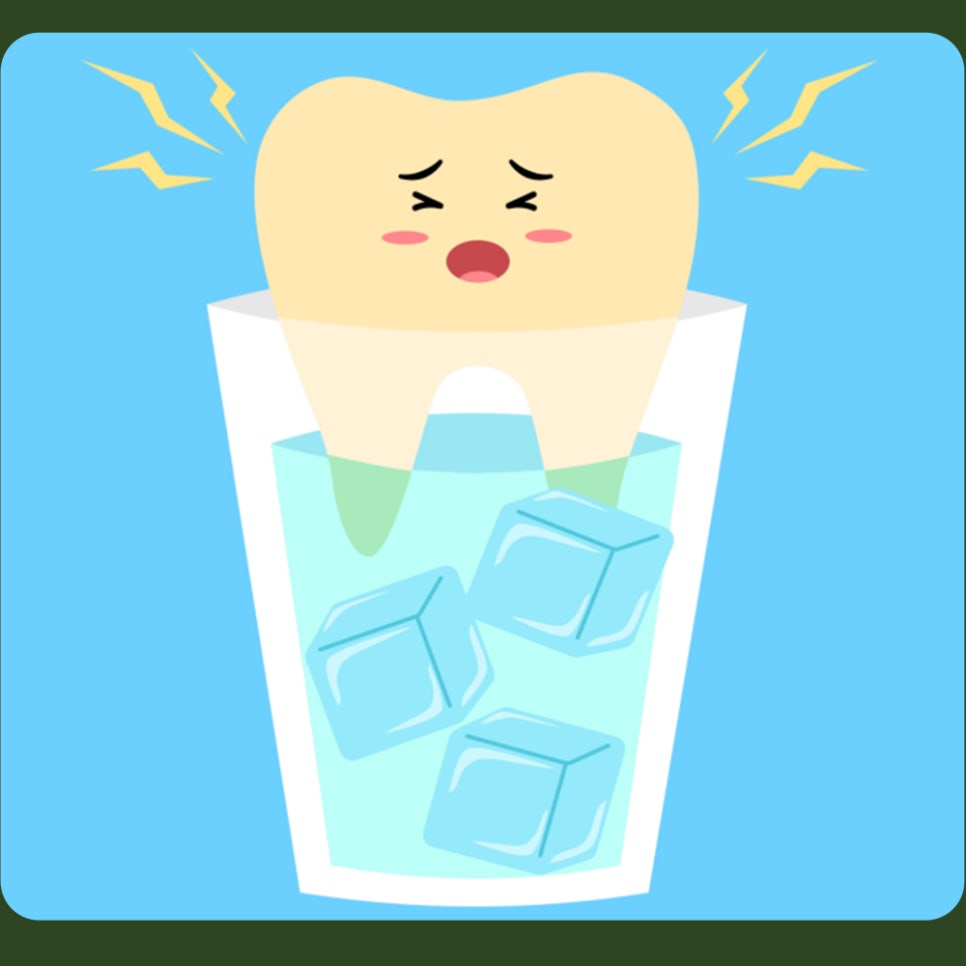
Causes of Tooth Sensitivity
Even if there is little pain in everyday life,
if your teeth feel especially sensitive
to cold wind or cold water,
it is worth checking your dental health
at least once.
The earlier tooth damage or disease is detected,
the simpler the treatment process tends to be,
and the greater the chance of preserving the tooth.
On the other hand, if it is left untreated,
the scope of treatment may become larger,
which means more time and burden.
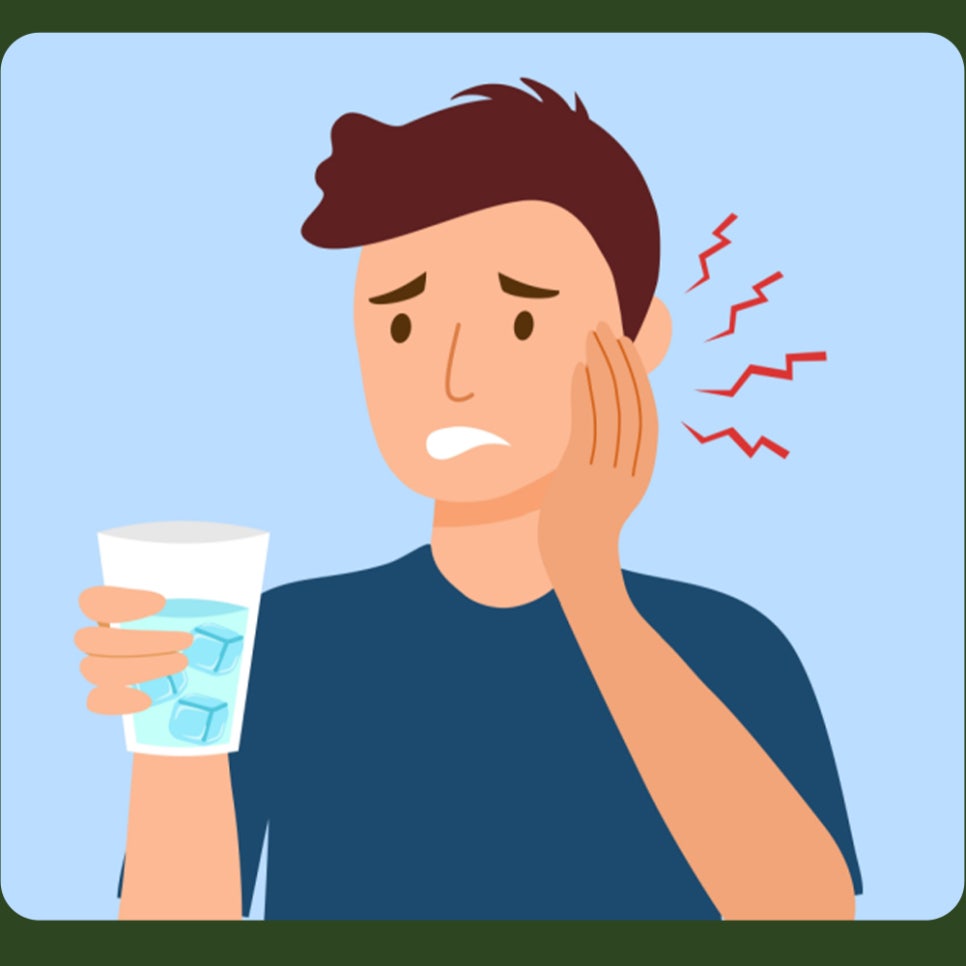
Tooth sensitivity is not just a minor inconvenience;
it may be the beginning of a dental disease,
so please be sure to visit a dental clinic
and get checked.
Also, please pay special attention
and take consistent care of your dental health! 💖
Seoul of Dental Hospital
4th and 5th Floors, 196 Baekjegobun-ro, Songpa-gu, Seoul