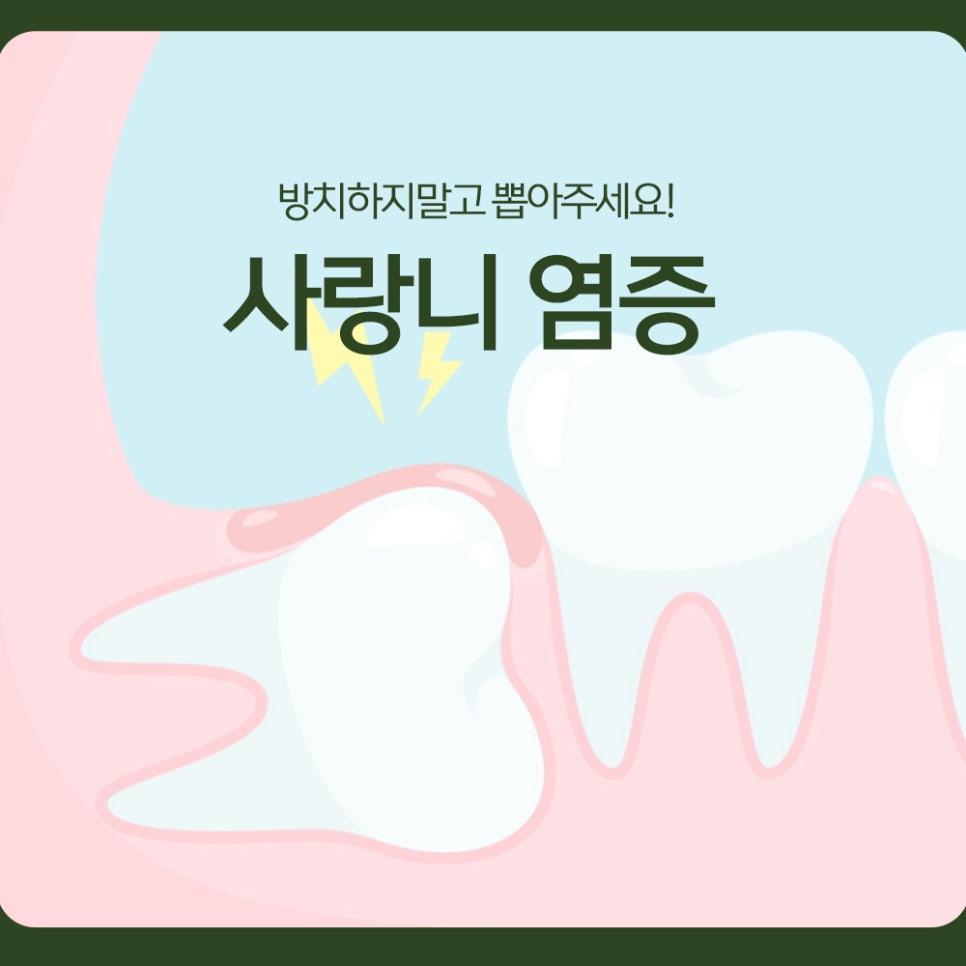
Even if there is no major discomfort most of the time,
have you ever experienced sudden gum swelling
and severe pain one day?
If you have these symptoms, that wisdom tooth is
not simply a tooth that hurts because you “don’t feel well,”
but is very likely in a condition where inflammation
is structurally bound to recur.
In fact, in the clinic,
we often meet patients who endure it for years,
repeating the cycle of “it hurts, then gets better,”
and only come in after the pain has suddenly
become incomparable to before.
The problem is that for wisdom teeth like this,
the frequency of inflammation often increases over time,
and the intensity of the pain often grows stronger and stronger.
So today, I’d like to explain step by step
why it is important to consider wisdom tooth extraction
“now,”
and what problems can arise if you keep putting it off.
If you leave a wisdom tooth untreated,
it can make the problem worse!
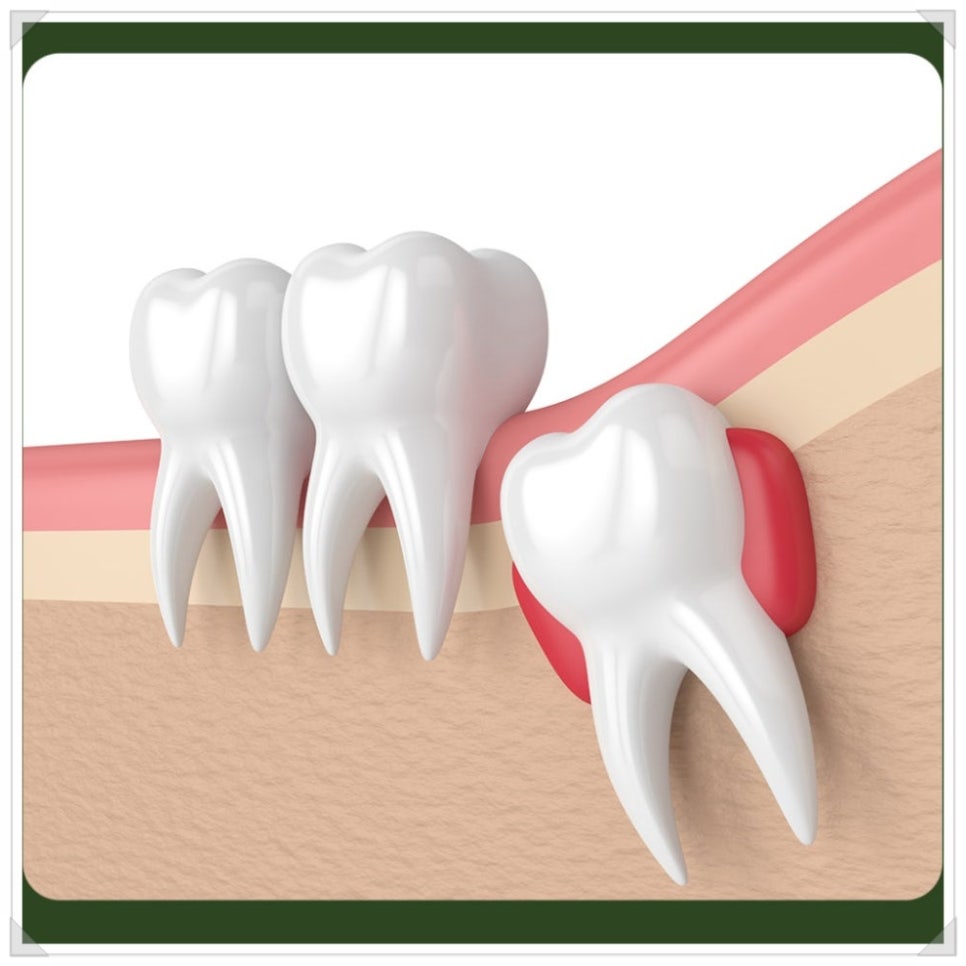
The first risk that can occur when you delay wisdom tooth treatment
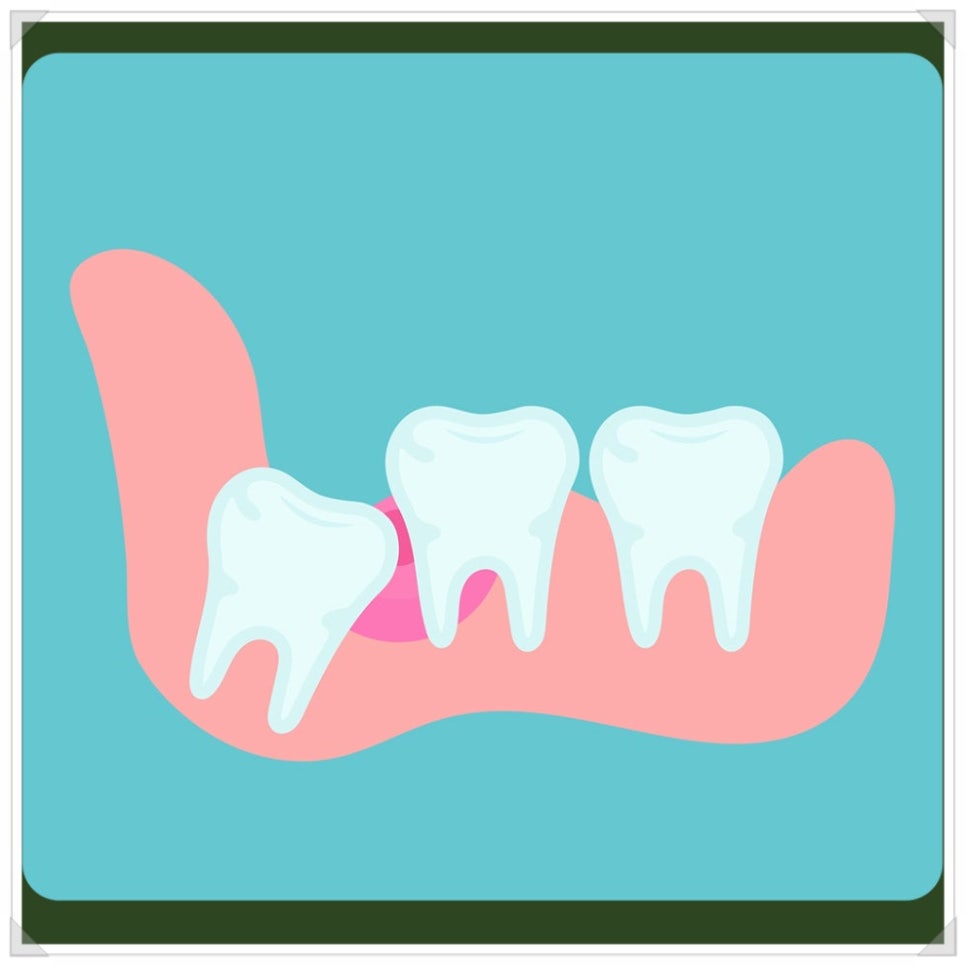
is damage to the molar in front of the wisdom tooth as well.
On the surface, it is easy to think,
“Only the wisdom tooth seems to be throbbing,”
but
if you look closely with a CT scan or X-ray,
it is not uncommon to find that deep decay has already progressed
behind the front molar,
or that a significant portion of the jawbone has been resorbed.
In particular, partially erupted wisdom teeth or
the ones impacted inside the gum create an environment
where food debris and bacteria can accumulate easily,
which greatly increases the risk of decay and gum damage
in the second molar (the front molar).
If it progresses to this stage,
it does not simply end with “removing one wisdom tooth,”
and it can even lead to a situation where the previously healthy
front molar also needs root canal treatment or prosthetic treatment.
That is why many dental clinics explain that
“even if it is a little uncomfortable,
it is much more advantageous to address it now.”
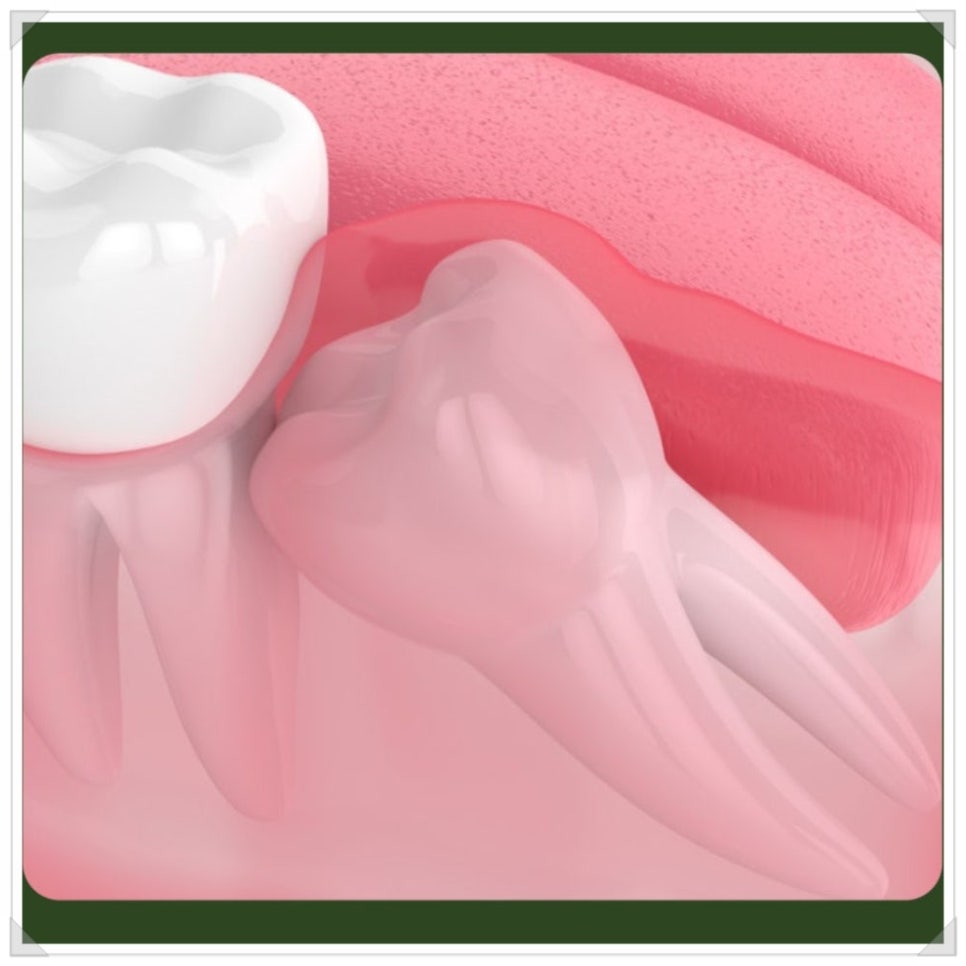
If you look through a CT scan,
the wisdom tooth may be lying sideways,
or there may be insufficient space,
making normal eruption almost impossible,
or it may have a structure that will continue to place strain
on the surrounding teeth.
For wisdom teeth like this,
rather than naturally improving over time,
they often make the problem worse in the following ways.
The difficulty of surgery increases over time,
surrounding bone damage becomes greater,
and the possibility of damage to adjacent teeth also increases.
For those who have left it untreated for a long time,
it is only natural to worry,
“Wouldn’t it be a bad idea to remove it and end up
in pain and suffering for even longer?”
However, in reality,
the cumulative damage from continuing to leave recurrent inflammation untreated
often leads to much bigger problems than a planned extraction.
So rather than leaving it alone,
it is important to receive a clear diagnosis from a specialist
and, if necessary, have it removed.
Wisdom tooth inflammation Wisdom tooth inflammation
Then what should you look at first
when evaluating a wisdom tooth?
The most important thing is
how clearly the current condition is analyzed,
and whether a treatment plan is made accordingly.
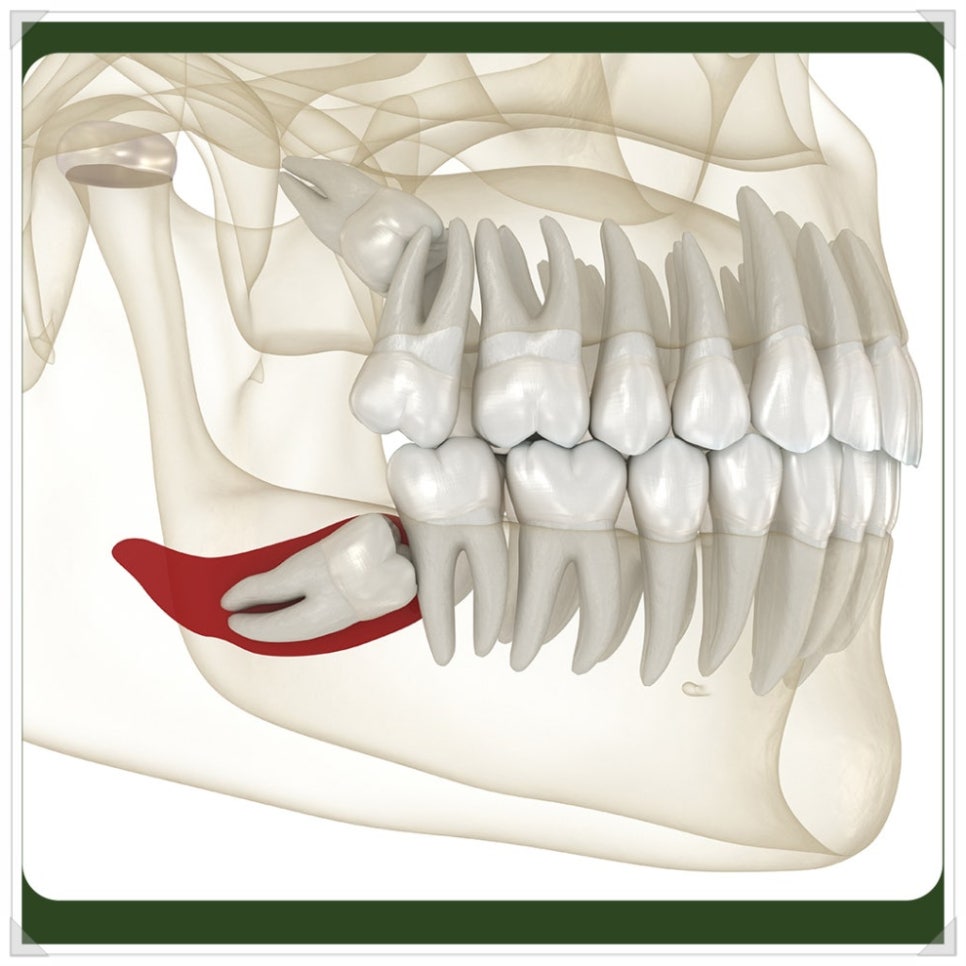
In particular, lower wisdom teeth may be located
very close to the inferior alveolar nerve,
so a precise analysis using 3D CT
is necessary.
If this process is neglected,
unnecessary nerve stimulation or
the risk of damage can increase,
so a detailed pre-extraction analysis is very important.
In addition, all factors such as the number of roots,
the direction of curvature,
and the angle at which the tooth is lying should be considered together
when establishing the treatment plan.
The clearer the plan is,
the more stable the surgical process tends to be,
and post-extraction swelling or pain is also often managed
within a predictable range.
A wisdom tooth with recurring inflammation is
not something that will simply get better if you “hold out a little longer,”
but rather something that is likely to become
more complicated over time.
If you have been considering wisdom tooth extraction due to repeated gum pain or swelling,
please do not delay any longer,
and visit a dental clinic to receive prompt care :) 💖
Seoulov Dental Hospital
4th and 5th Floors, 196 Baekjegobun-ro, Songpa-gu, Seoul