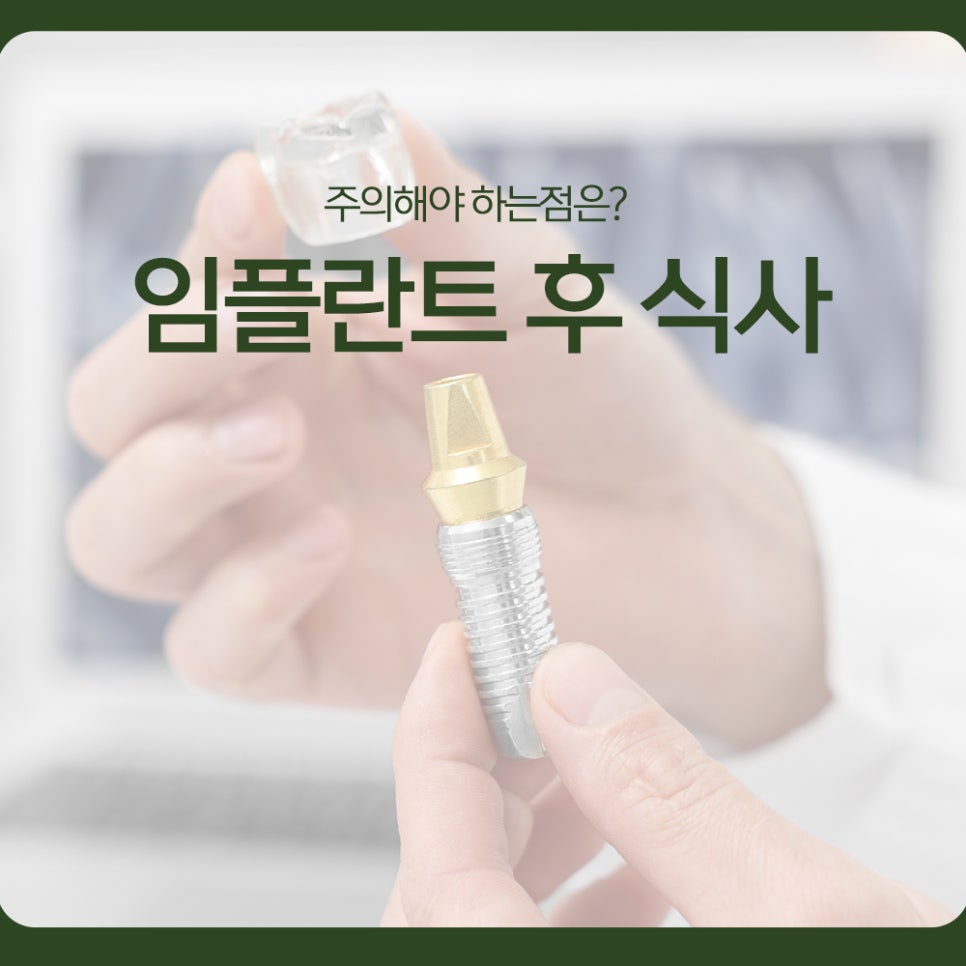
If you have lost a tooth,
you can restore tooth function and appearance through methods such as dentures, bridges, and implants.
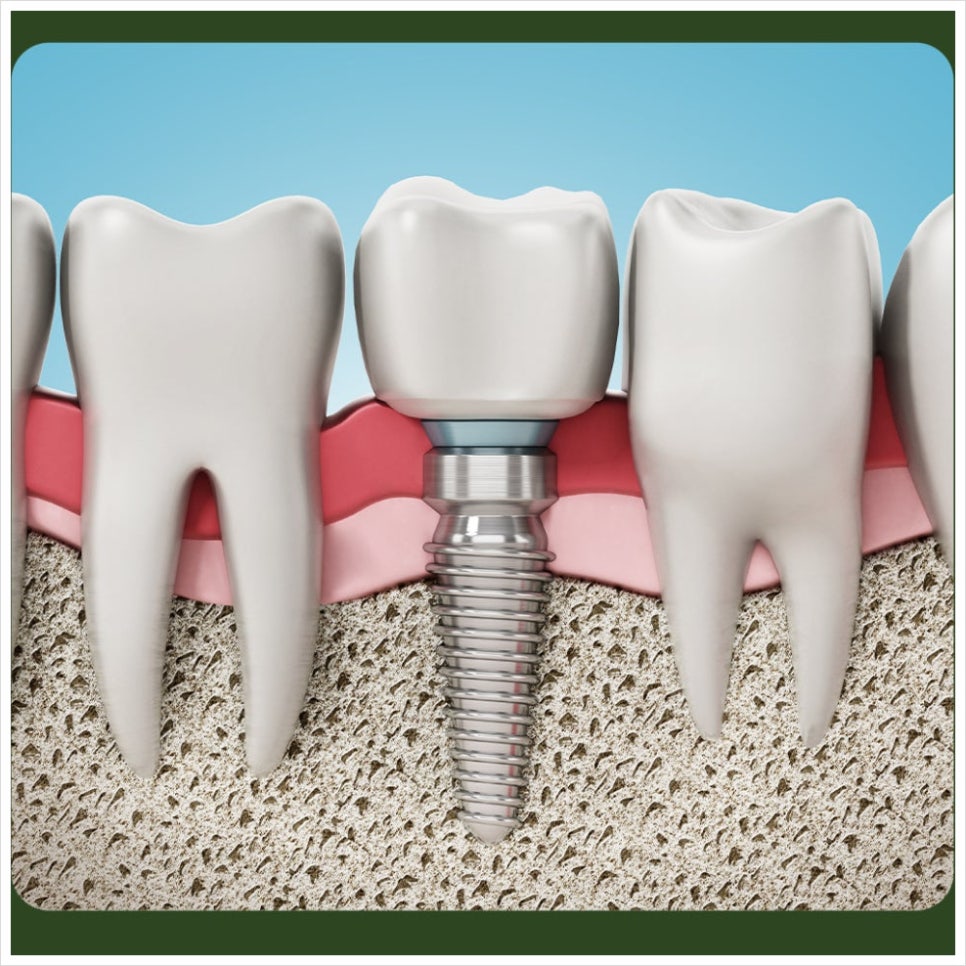
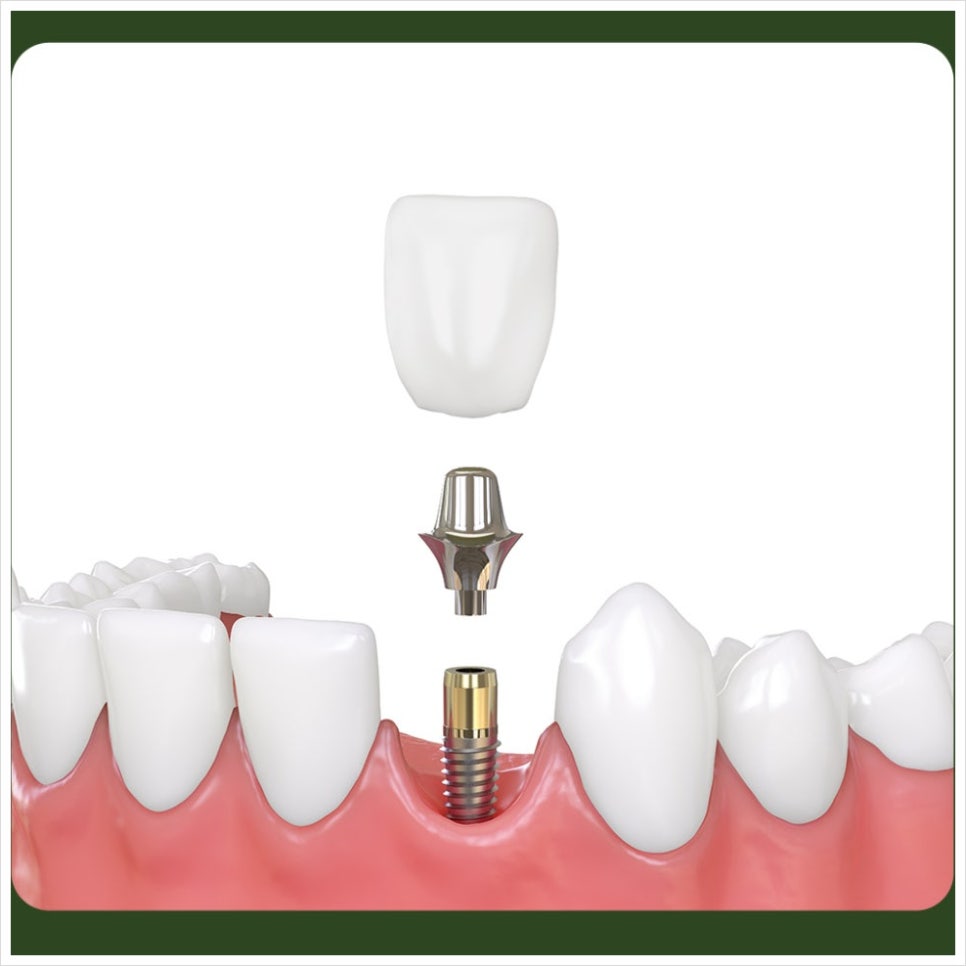
Among these, implants
can be made to closely resemble natural teeth
in both function and aesthetics.
They also have the advantage of being usable for a semi-permanent period
if properly maintained,
which is why they are recognized as an effective treatment option.
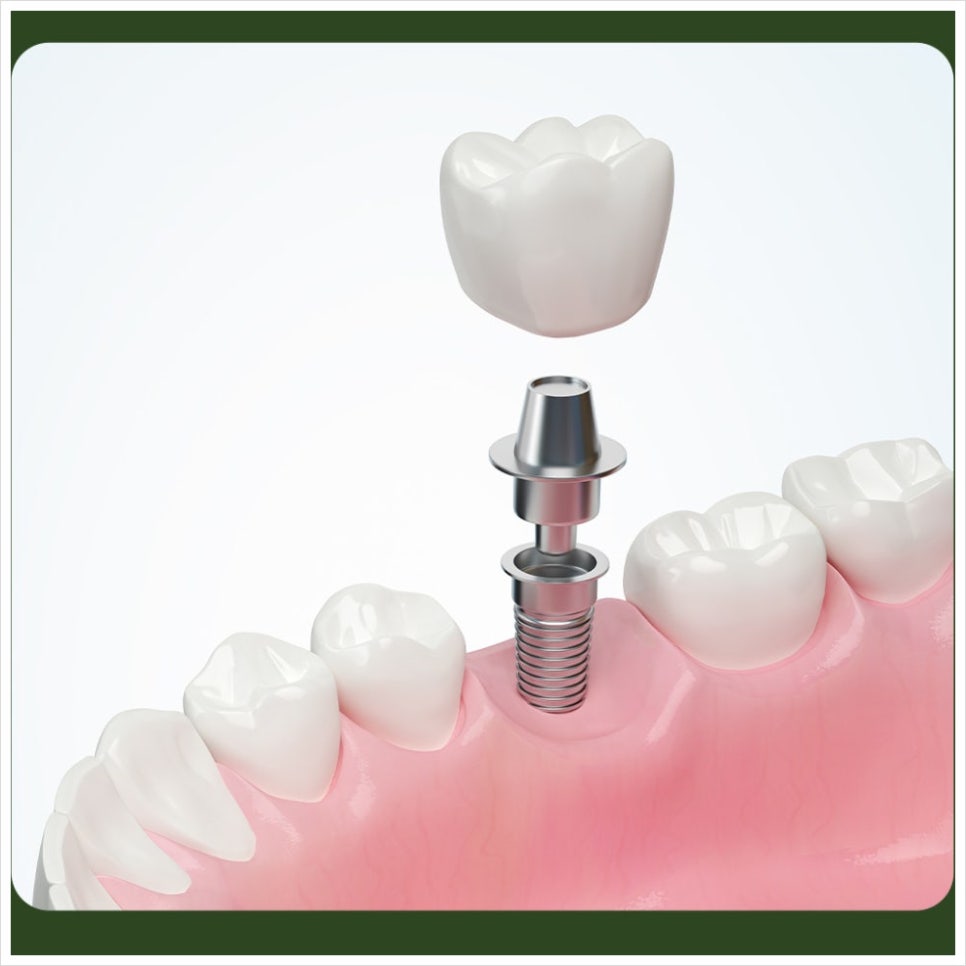
However, implants must undergo the process of osseointegration,
where they bond with the bone,
before they can be used stably.
In addition, after implant treatment,
you need to follow various precautions carefully
in order to recover quickly
and use them for a long time.
Today, we’ll talk about eating after dental implants!
Let’s take a look at what you should be careful about. 🦷
🦷 Please be careful with these foods! 🦷
Right after an implant is placed,
you should avoid using the surgical area
and eat soft foods with the teeth on the opposite side.
Also, after implant surgery, it is best to avoid the following foods:
🦷 Avoid hard and chewy foods such as nuts, dried squid, and tough jerky
Until the implant is fully stable,
it is best to avoid hard foods.
These foods can刺激 the implant or interfere with its fixed position.
🦷 Avoid very hot or very cold stimulating foods
These foods can irritate the gums,
so it is best to avoid them.
Also, even after the prosthesis has been attached,
frequent consumption of hard or chewy foods may loosen the implant screw
or damage the prosthesis,
so please be careful.
🦷 Clean care is
important too! 🦷
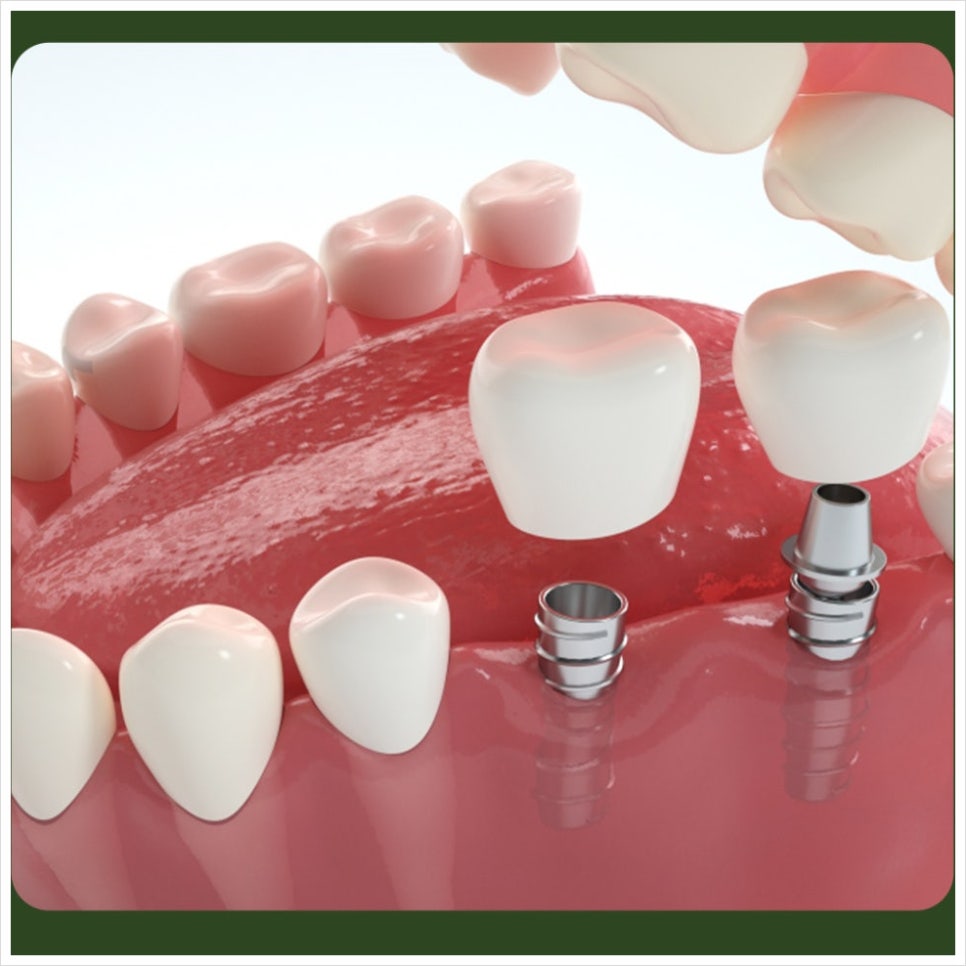
✔ Thorough brushing
Just like natural teeth,
implants also need to be maintained through careful brushing.
✔ Use interdental brushes and a water flosser
These are useful for removing food debris
stuck between teeth that is difficult to remove with a toothbrush.
🦷 Regular checkups are important too! 🦷
✔ Regular dental checkups
Regular checkups to monitor the health of the implant and surrounding tissues
are very important.
Unlike natural teeth, implants do not have protective structures such as nerves or the periodontal ligament,
so by the time a problem occurs and you visit the dentist,
the situation may already be serious.
To prevent this,
it is necessary to have regular checkups and receive treatment as soon as a problem is found.
🧡 Avoid hard and chewy foods
🧡 Avoid stimulating foods
🧡 In the early stages, eat mainly soft foods
🧡 Maintain clean oral hygiene
To summarize briefly,
please keep the points above in mind!
We have introduced what to pay attention to when eating after dental implants
and how to care for them.
Please keep these points in mind so you can use your implants well for a long time! :)
Seoul Orv Dental Hospital
4th and 5th Floors, 196 Baekjegobun-ro, Songpa-gu, Seoul