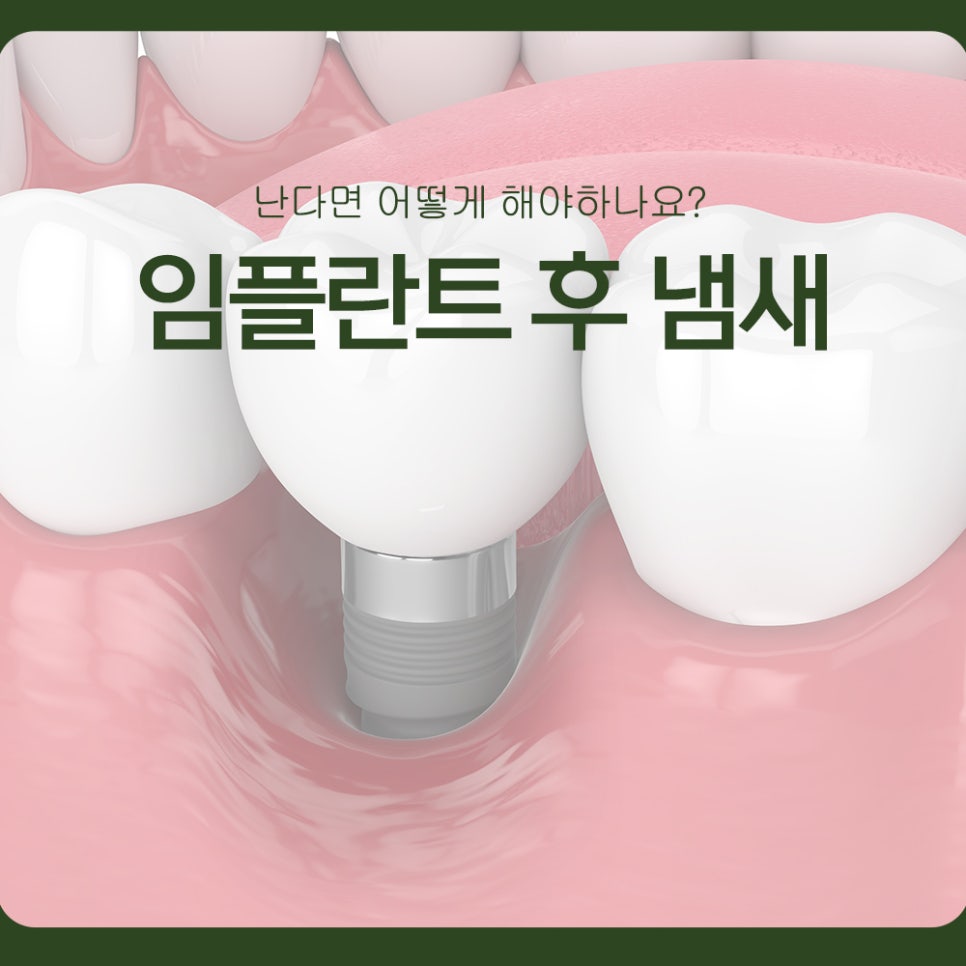
Recently, when teeth are lost,
many people relieve both functional concerns
and aesthetic concerns
through implant treatment.
Because it can be made to be almost similar to a natural tooth,
it is chosen by many people
and is a treatment method that is drawing attention.
If, after getting an implant,
there is no particular pain,
but at some point a foul smell is noticed
from a specific area,
it is only natural to feel uneasy and worried.
You may think,
“Did I not brush enough?”
“Maybe it’s just a temporary case of bad breath,”
and let it pass,
but if a smell repeatedly comes from around the implant,
it could be a warning signal from inside the mouth..!
Just because it is not easy to see
does not mean there is no problem,
so it is important to clearly understand
the cause of the odor.
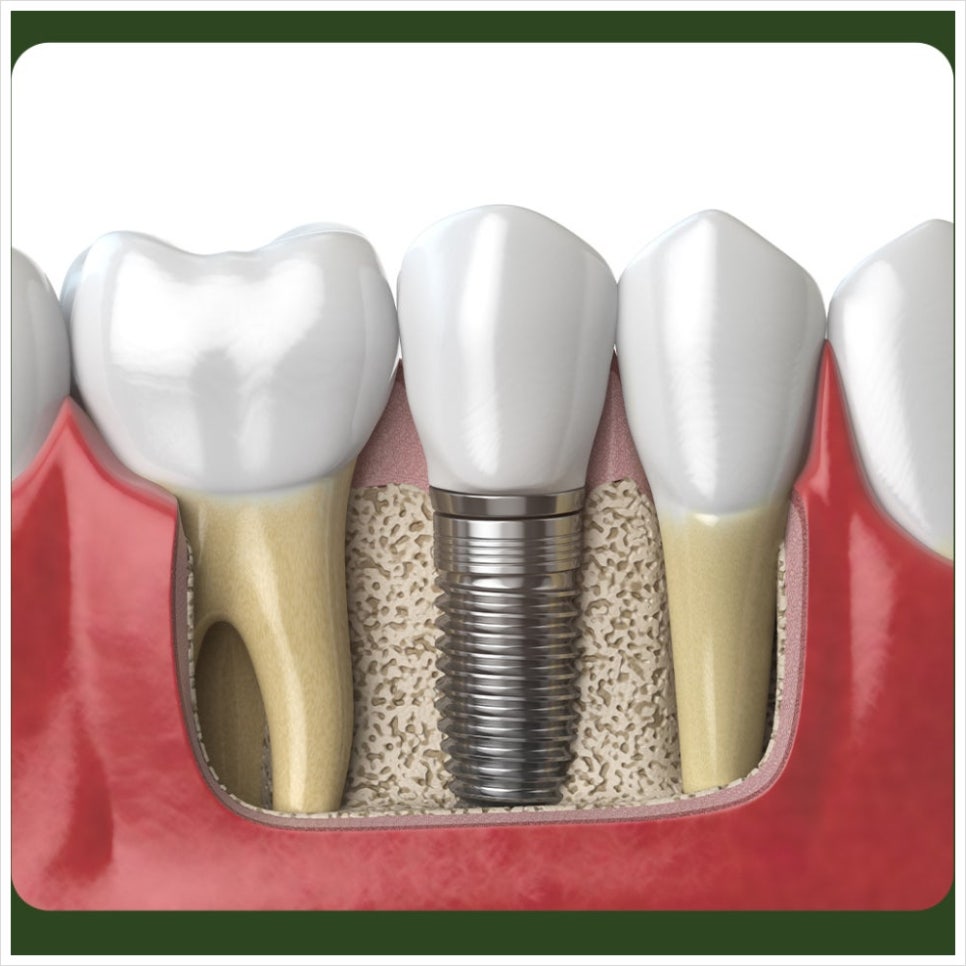
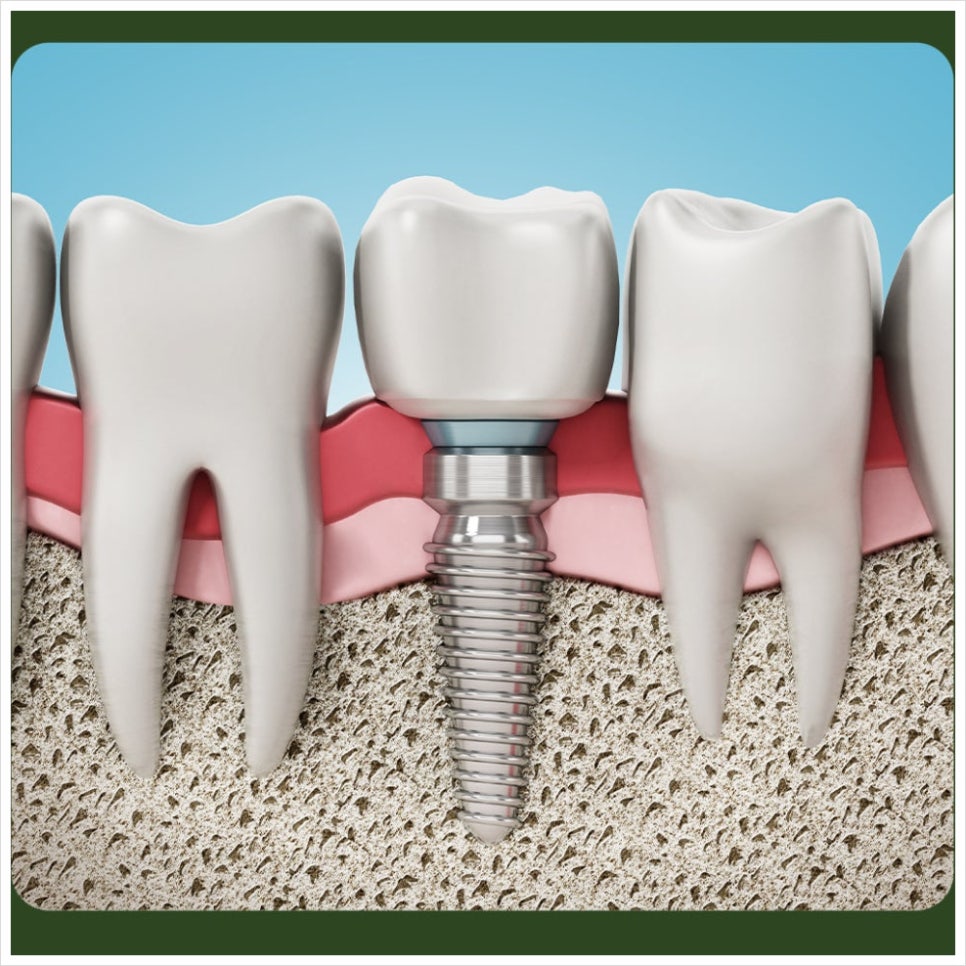
An implant
is made by fixing an artificial tooth root
into the jawbone
and then connecting a prosthetic tooth on top of it.
Although it may appear stronger
than a natural tooth,
the boundary where the implant meets the gums
is difficult to manage,
so special attention is needed.
If food debris continuously accumulates in this gap,
bacteria can cause odor
during the breakdown process.
If it is difficult to manage with ordinary brushing alone,
actively using oral care aids such as
interdental brushes or a water flosser
can help you manage it effectively.
Implant odor
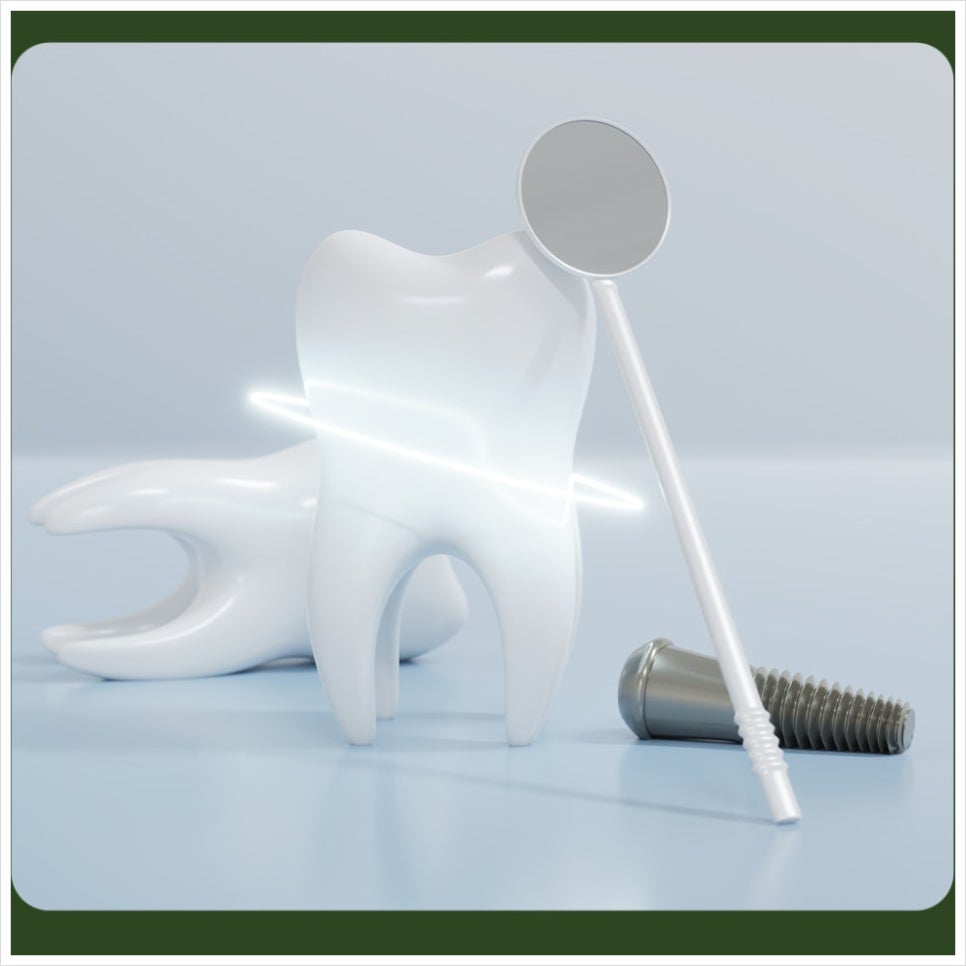
🦷 Peri-implantitis? 🦷
Even if you take good care of it,
if a persistent odor continues,
you may suspect an inflammatory disease
that occurs around the implant.
Peri-implantitis,
similar to periodontitis in natural teeth,
progresses in a way that inflammation spreads
to the gums and bone tissue,
and in the early stages,
it appears only as odor or bleeding without pain,
making it easy to miss.
If left untreated,
the bone supporting the implant is gradually damaged,
and in the worst case,
it may even lead to a situation where removal is necessary.
If you have persistent bad odor in a specific implant area,
gums that are swollen or bleeding when brushing,
discomfort when chewing,
or a slight loosening of the implant,
you should visit the dentist without delay
and get it checked.
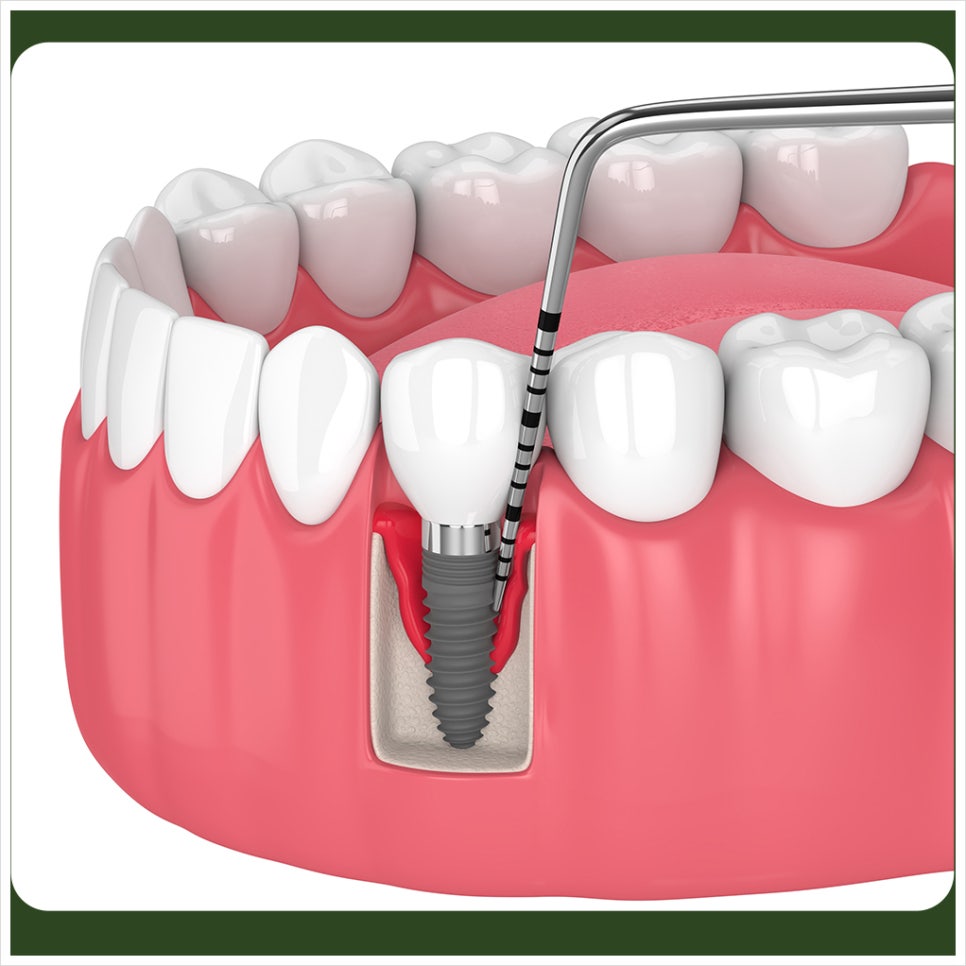
To prevent problems such as peri-implantitis,
daily care is necessary.
As mentioned earlier,
you should keep your brushing clean and thorough
by using interdental brushes and a water flosser together.
Also, if possible,
it is better to avoid smoking,
and even if there is no pain or discomfort,
you need to visit the dentist regularly
to check whether there are any problems with the implant.
Implant odor
The smell coming from an implant
may be more than a simple inconvenience;
it can be a sign that a long-term problem is beginning.
If managed early, it can be resolved relatively simply,
but if left untreated,
it may lead to additional treatment
or implant retreatment.
Therefore, rather than brushing it off,
it is a wise choice to check the condition
through a professional diagnosis.
In addition, to use implants for a long time and comfortably,
please be sure to receive consistent care
and regular checkups! 💕
Seoul Ob Dental Hospital
4th and 5th Floors, 196 Baekjegobun-ro, Songpa-gu, Seoul