치아 염증, 뿌리끝에 생겼다면?
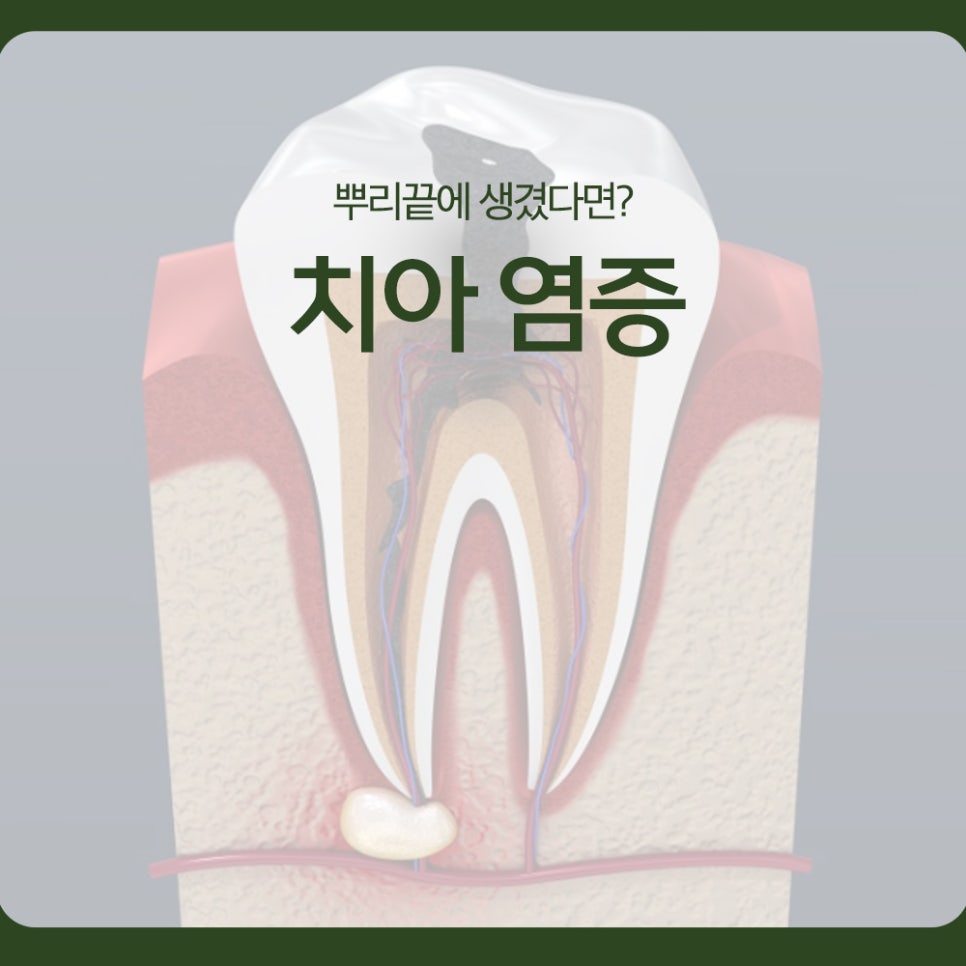
When you feel pain in a tooth,
it is often easy to shrug it off,
thinking, “It’ll probably pass in a moment.”
Tooth root inflammation
can sometimes have mild pain at first,
or seem to go away temporarily,
so it is easy to miss the right time for treatment.
If this condition continues,
it can affect not only the gums
but also the bone tissue that supports the tooth,
so caution is needed.
If you want to keep your natural teeth
healthy for as long as possible,
it is important to clearly identify the cause of the symptoms
and begin treatment as soon as possible.
Today, let’s look step by step at what tooth root inflammation is,
its causes, the symptoms it causes,
and treatment methods! 😊
Tooth inflammation?
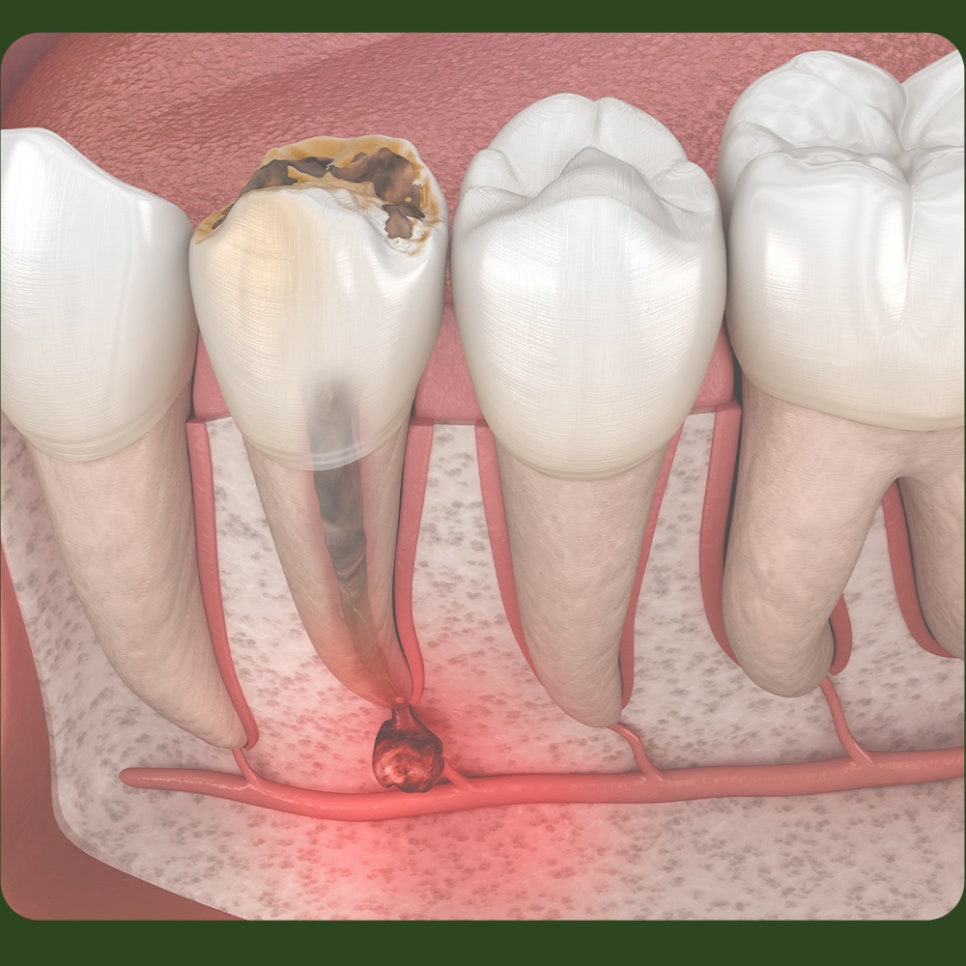
The most common cause of inflammation at the root of a tooth
is deep, advanced tooth decay.
Inside the tooth
is a tissue called the pulp,
which contains nerves and blood vessels.
When a cavity progresses deeply,
bacteria invade the pulp tissue,
causing inflammation in the process
and gradually spreading to the tip of the tooth root,
where pus forms.
This condition is called apical periodontitis.
In the early stages, it may appear as only occasional pain,
but as time passes,
the pain becomes stronger,
the gums may swell,
and discomfort may be felt when chewing.
In some cases, pus may drain from the gums,
or a throbbing sensation around the tooth
may also be present.
In addition,
ㅇ Tooth cracks caused by external trauma
ㅇ Tooth fracture
ㅇ Reinfection after previous root canal treatment
can also cause inflammation at the tooth root.
Because there are several possible causes,
it is important to understand the condition
through a precise examination.
What happens if it is left untreated?
At first, it may feel like nothing more than a simple toothache,
but if the inflammation continues,
damage can spread to the surrounding gums
and even to the alveolar bone.
During this process, a pocket of pus may form,
or the gums may swell and become very painful when pressed.
In severe cases, swelling may even spread to the face,
and it can potentially lead to a systemic inflammatory response. 😢
Also, if the structures supporting the tooth weaken,
it may eventually become difficult to preserve the natural tooth,
which can lead to a situation where extraction is necessary,
so starting treatment early is extremely important.
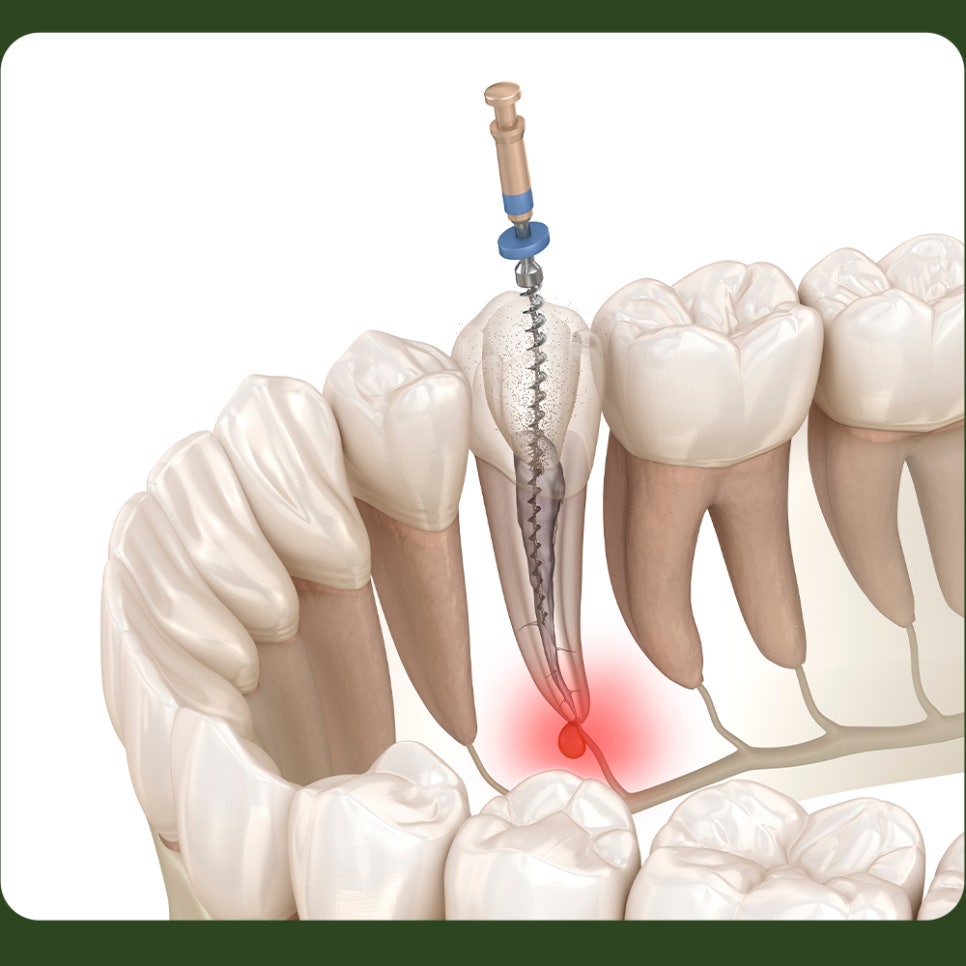
The 대표 treatment performed when inflammation occurs at the tooth root
is root canal treatment.
After removing the infected nerve tissue,
the inside of the tooth is thoroughly disinfected
and sealed to prevent reinfection.
If the area of inflammation is extensive,
treatment may be carried out over several visits,
and after root canal treatment,
the tooth is protected and finished with crown restoration.
Please pay extra attention to care!
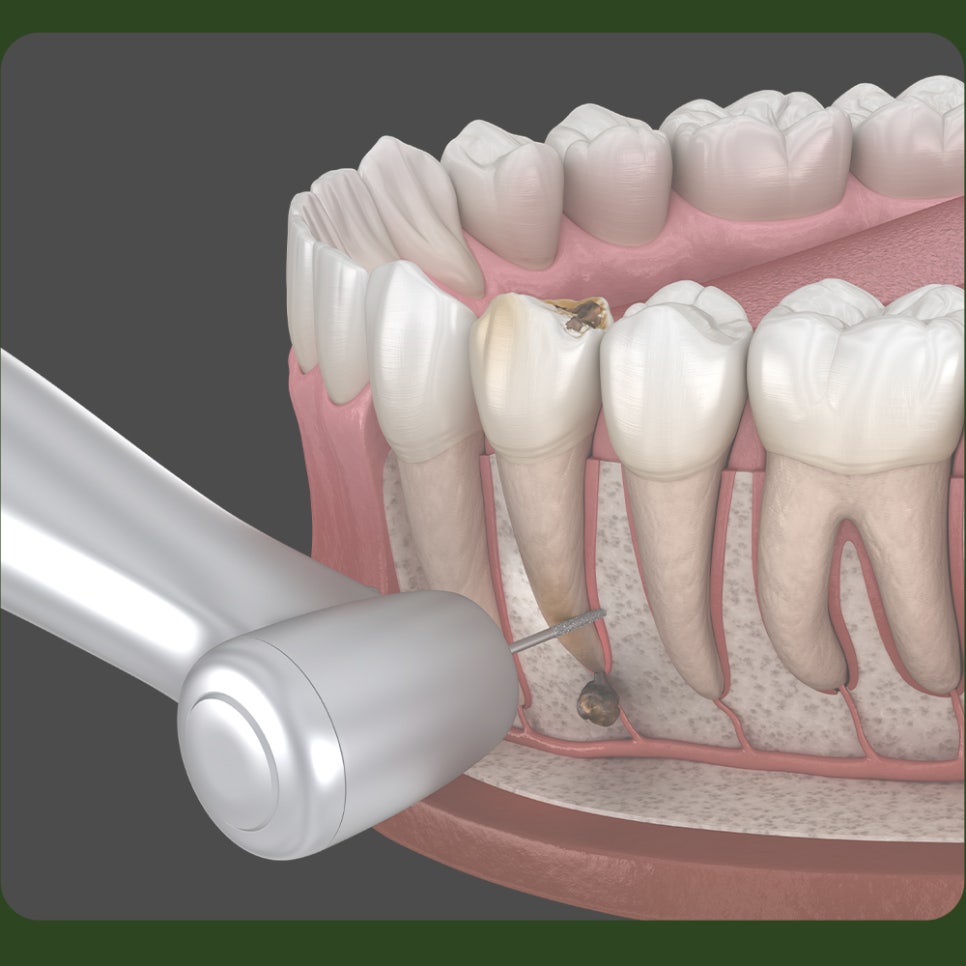
And if inflammation has recurred in a tooth
that has already received root canal treatment,
retreatment or apicoectomy may be considered.
If the inflammation has progressed so severely
that preserving the natural tooth is difficult,
it may be possible to restore function
through extraction followed by implant or bridge treatment.
Above all,
it is important to take special care of your teeth in daily life
to help prevent tooth inflammation.
Maintaining proper brushing habits is essential,
and to manage bacteria between teeth,
which are difficult to remove with brushing alone,
it is recommended to actively use oral care aids
such as dental floss or interdental brushes.
Also, please make sure to regularly check the condition
of your teeth and gums through periodic scaling and checkups.
So today,
we looked at the causes, symptoms,
and treatment methods of tooth root inflammation.
Inflammation that develops deep inside a tooth
often does not show outwardly,
so the longer it is left untreated,
the more complicated the treatment process can become,
and the higher the chance of losing the tooth may be. (ㅠㅠ)
Therefore, if you notice even a small sign that something is wrong,
please visit the dentist before it gets too late
and get an accurate diagnosis! 🦷