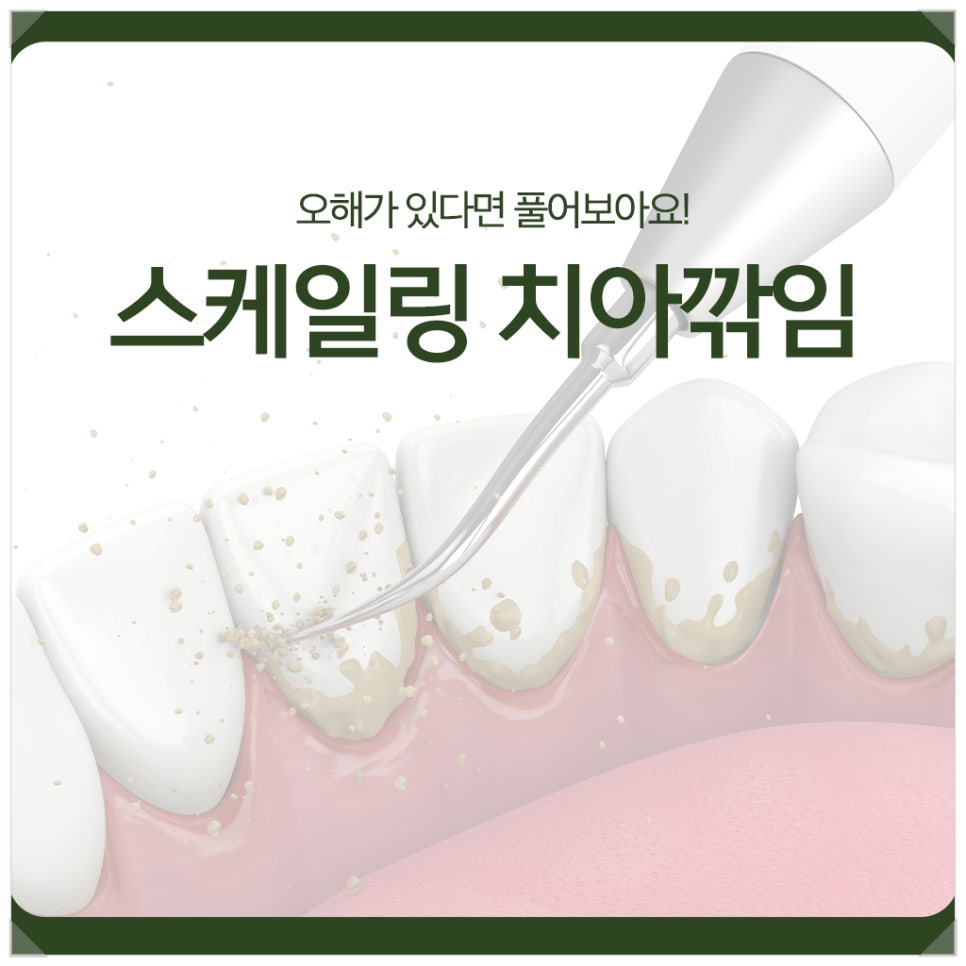
“My teeth feel like there’s a gap between them.
Could they have been worn down?”
“After scaling,
my teeth seem more sensitive.”
When a dental clinic recommends scaling,
there are more people than you might expect
who raise these concerns first.
Scaling is a procedure that removes tartar and plaque
firmly attached to the surface of the teeth.
It is a treatment that physically removes tartar,
which is difficult to eliminate with brushing alone,
and tidies the tooth surface
so bacteria do not easily stick again.
Today, we’ll go over the symptoms that can appear after scaling
and the misinformation surrounding it,
one by one! 🤗
Is scaling really tooth wear?
“Doesn’t the scaling instrument
remove tartar while also grinding down the teeth?”
This is one of the biggest concerns
for many people.
To answer first,
scaling is not a treatment that wears down teeth.
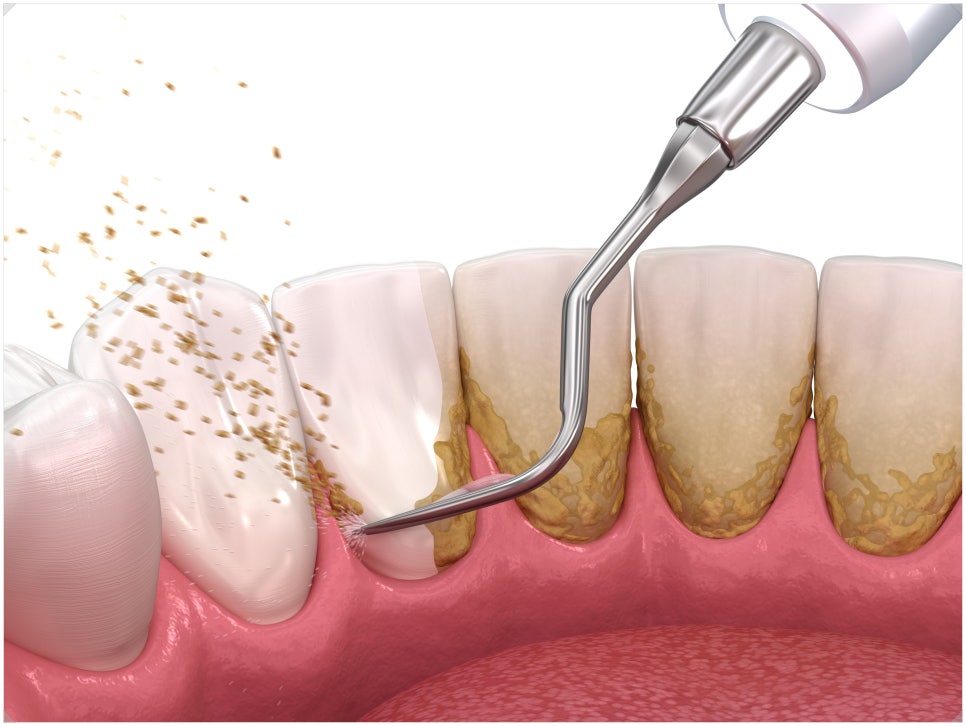
The instruments used for scaling
use ultrasonic vibrations and water spray
to dislodge tartar attached to the teeth.
Because you can feel the vibration when the instrument touches the teeth,
it may seem like the teeth are being ground down,
but in fact, the teeth themselves are not being worn away
or abraded.
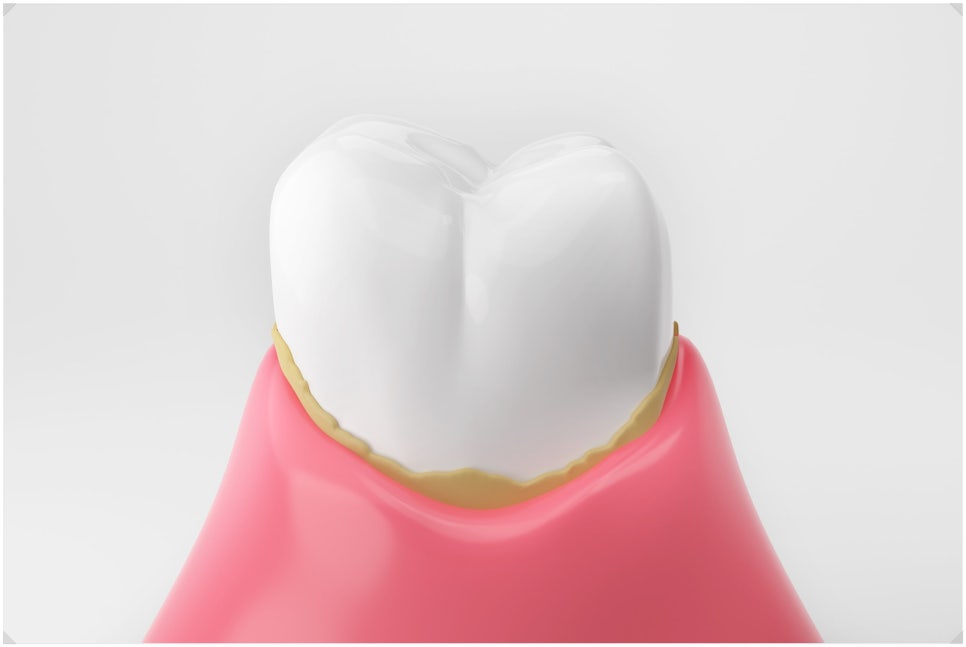
After scaling, teeth may look longer
or feel like there is a gap between them.
This is not a change caused by tooth wear;
rather, after the tartar is removed,
the swollen gums recede,
revealing the teeth’s original shape.
Especially if a lot of tartar had accumulated,
it may feel as if empty space has appeared after removal.
But this is simply the space that the tartar had occupied
now being visible;
scaling has not damaged the teeth.
Why do teeth feel sensitive after scaling?
Is something wrong?
Teeth sensitivity is one of the most common symptoms
people feel after scaling.
Your teeth may feel sensitive
when drinking cold water or when exposed to wind.
However, this symptom
is usually temporary.
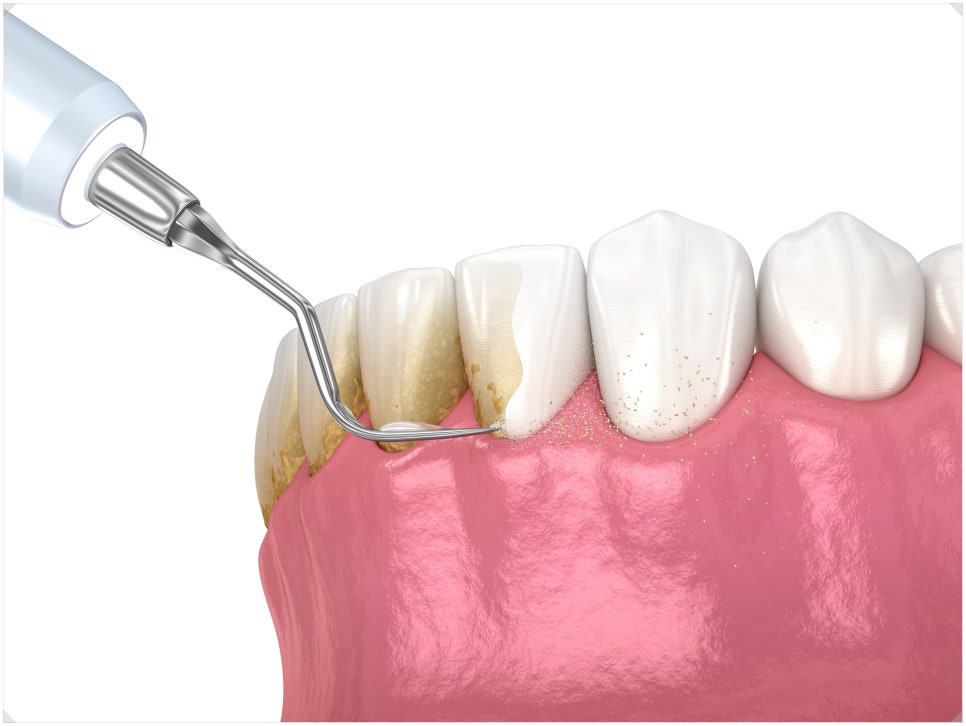
Once the tartar is removed,
the tooth surface that had been hidden is exposed,
and you may temporarily feel increased sensitivity.
In other words, it is not that the teeth are damaged and therefore sensitive;
it is closer to a process in which the areas hidden by tartar become exposed
and sensation becomes more sensitive.
Therefore, for a few days after scaling,
it is a good idea to avoid foods that are too cold or too hot,
and to brush with lukewarm water.
Spicy or salty, irritating foods
can also make the gums uncomfortable,
so it helps to cut back on them for a while.
Also, if there is bleeding during or after treatment,
you may worry, “Could I have injured my gums?”
But the bleeding is more likely because
there was already gum inflammation,
rather than because the gums were damaged by scaling.
If tartar and plaque have built up a lot over time,
the gums can become swollen and weak,
making them bleed easily even with minor irritation.
At this time, when scaling removes the tartar that causes inflammation,
there may be bleeding at first,
but after that, as the gum condition gradually stabilizes,
bleeding also decreases.
Regular scaling together with proper brushing
helps manage gum swelling and inflammation.
Scaling and tooth wear
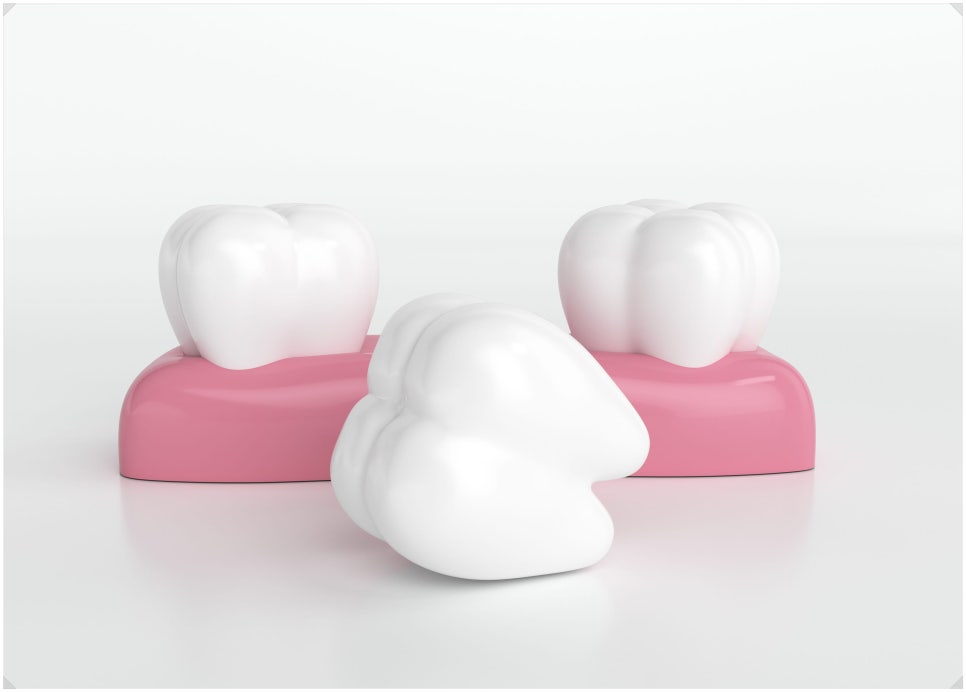
Scaling is not a treatment that wears down teeth
or makes them weaker.
Rather, by removing tartar and plaque,
it helps reduce gum inflammation
and is a basic form of care
that helps maintain oral health for a long time!
If you have been putting off scaling
because you’re worried, “What if it harms my teeth?”
you can now feel at ease.
If you want to keep your teeth and gums healthy for a long time,
please be sure to get regular scaling. 🦷