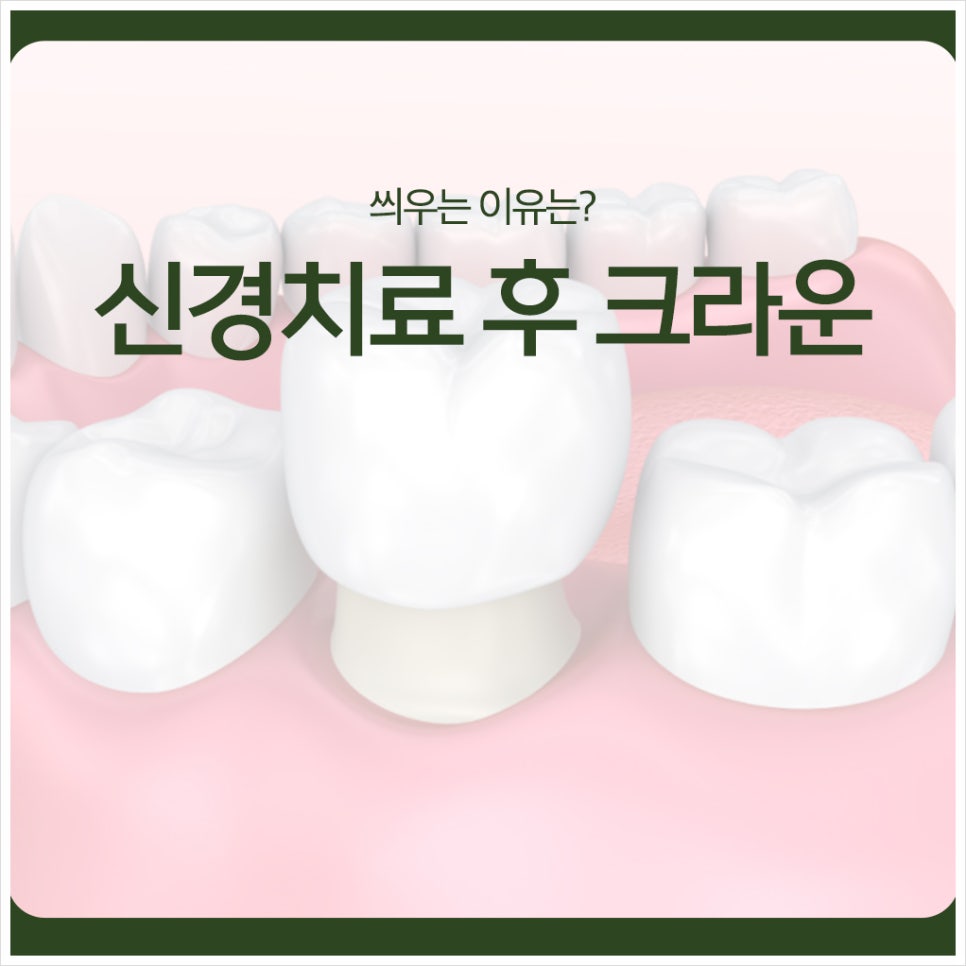
Although the pain has disappeared after root canal treatment,
it does not mean that the treatment is completely finished.
In fact, this may be the most important final step
for preserving the tooth for as long as possible.
A tooth that has undergone root canal treatment
may look perfectly normal on the outside,
but in many cases, it has already become weakened inside.
That is why, when patients ask, “It doesn’t hurt anymore, so do I really need a crown too?”
dental clinics generally explain the need for crown treatment
carefully but clearly.
Today, we will explain in an easy-to-understand way
why a crown is needed after root canal treatment! 🦷
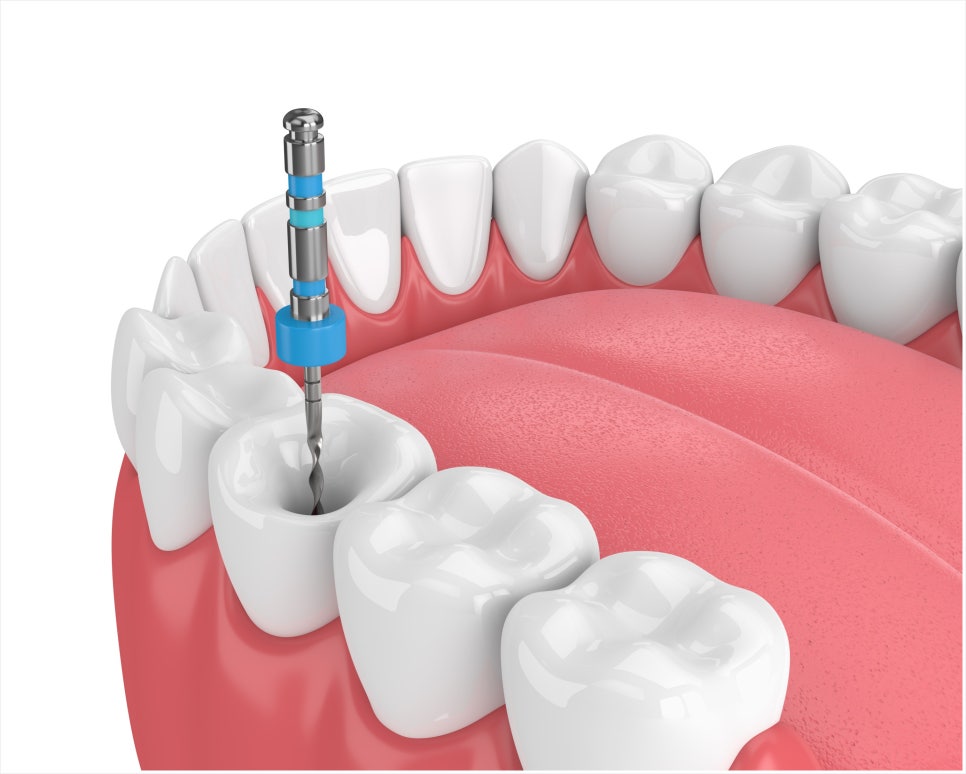
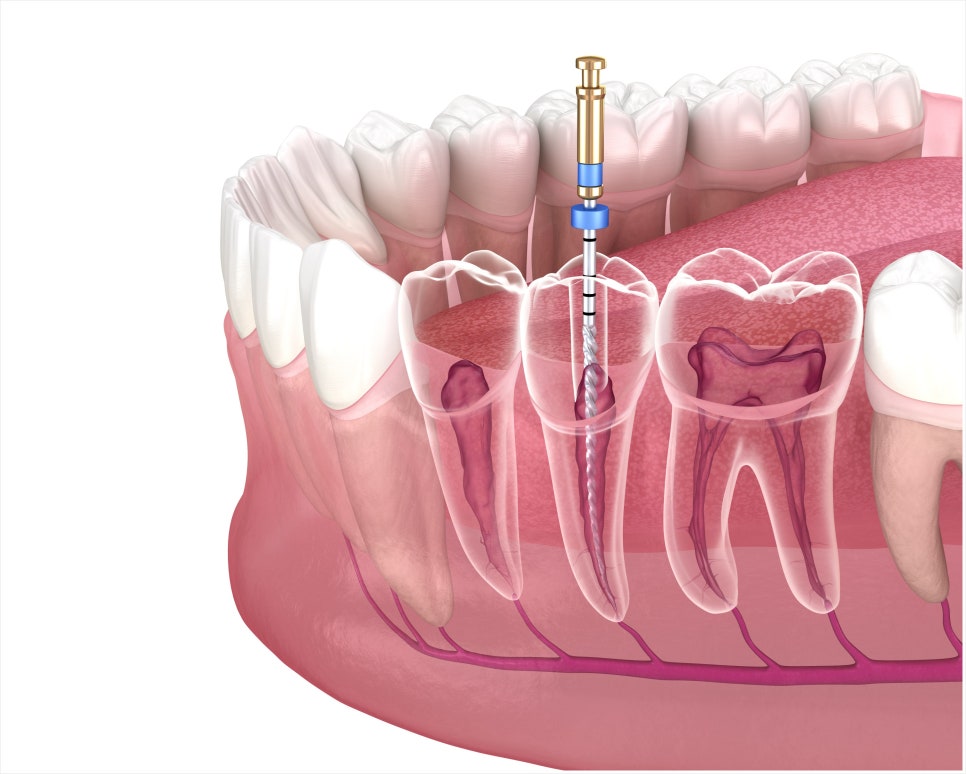
Root canal treatment involves removing infected or
damaged nerve tissue,
disinfecting the inside of the tooth,
and then filling the empty space.
Because not only the nerve but also the blood vessel tissue
is removed during this process,
the tooth may have less moisture and elasticity
than before.
Simply put, a tooth that has undergone root canal treatment
can become drier and
more prone to weakness than it was previously.
In addition, teeth that require root canal treatment
are often affected by deep decay
or significant damage that has already progressed.
As damaged areas are removed during treatment,
the remaining tooth walls may become thinner,
reducing their ability to withstand chewing forces.
If you chew hard foods in this condition
or repeatedly clench your teeth,
the tooth may crack
or break.
This is especially true for teeth that receive a great deal of chewing force,
such as molars.
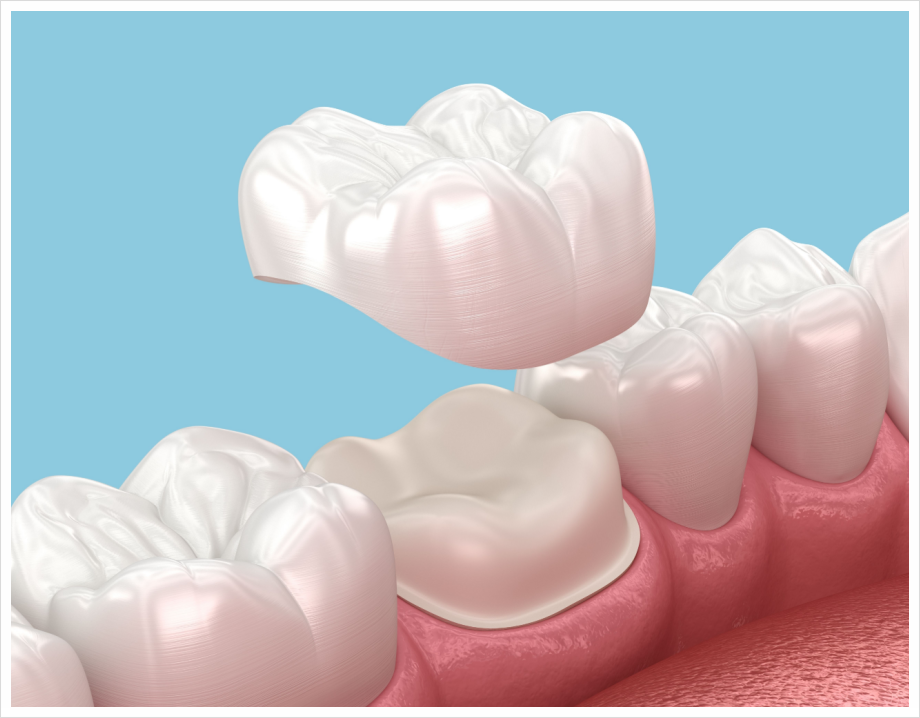
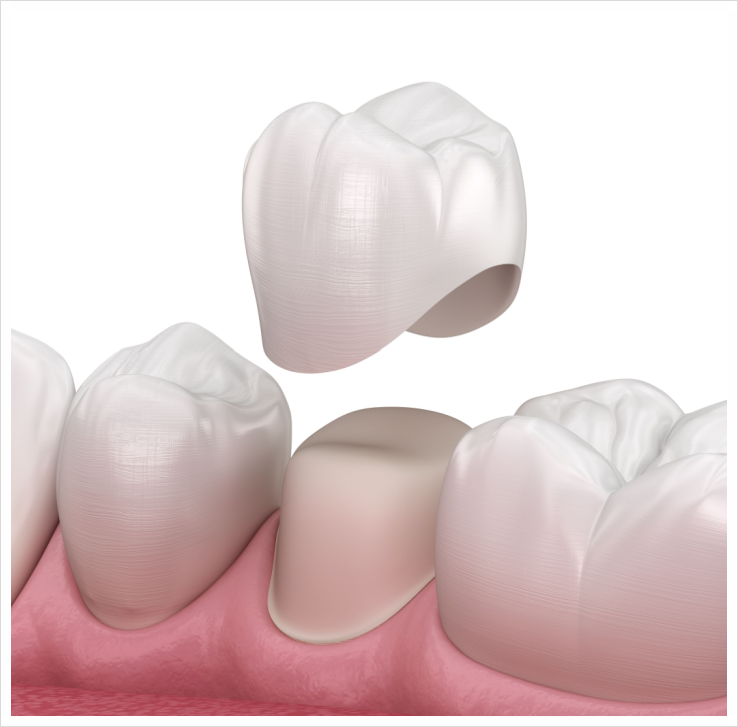
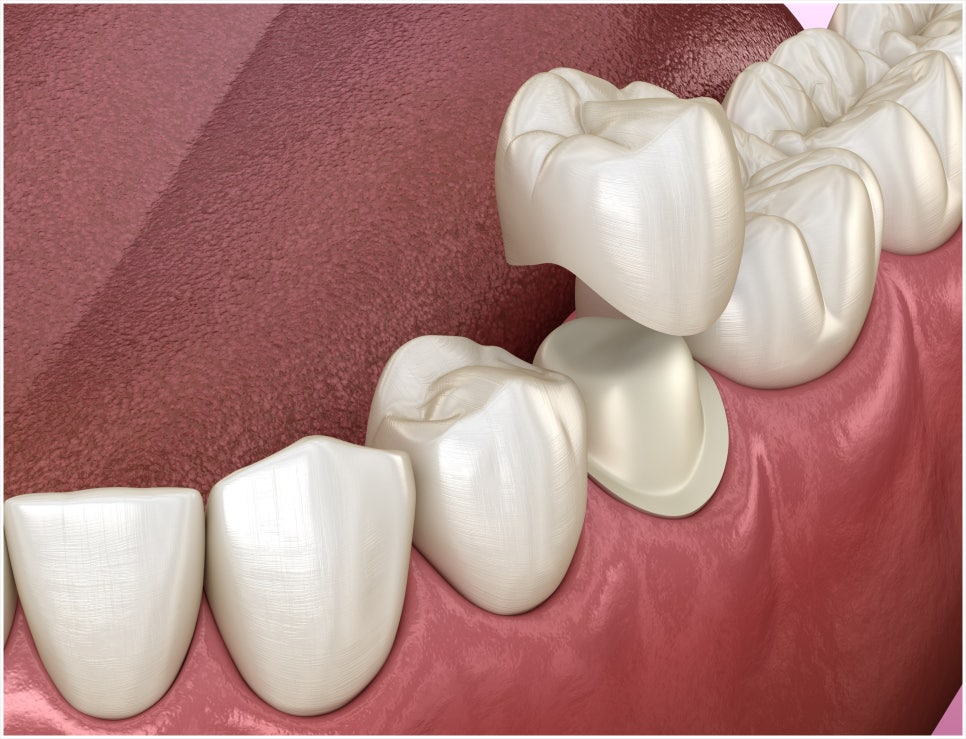
In these cases, restoring the tooth with a crown
to cover and protect the entire tooth
is almost always recommended.
Because it covers the entire tooth,
a crown helps distribute the forces applied during chewing
more evenly and stably,
and helps prevent further damage to
the remaining natural tooth structure.
If you use a tooth as it is
without placing a crown after root canal treatment,
it may not appear to have any major problems at first.
However, as time passes,
the tooth may gradually weaken
and suddenly break or split at some point.
In that case, a tooth that could have been treated
with a simple crown may even end up requiring extraction.
Therefore, a crown after root canal treatment
should be viewed not simply as a treatment to improve appearance,
but as protective treatment
intended to preserve the tooth for as long as possible.
Another reason is cosmetic.
A tooth with its nerve removed may become darker
or look dull over time.
This change in tooth color can be more noticeable,
especially in visible areas such as the front teeth.
Using a crown in a color similar to that of the natural teeth
can provide not only functional restoration
but also a more natural appearance.
However, in the case of front teeth,
there are also situations where the tooth is monitored without a crown,
depending on the extent of tooth damage,
the bite,
and the amount of tooth structure that remains.
Therefore, rather than applying the same standard to every tooth,
it is best to undergo a thorough examination
and consult sufficiently with your dental professional.
So, when is the best time to place a crown?
In general, once the tooth has stabilized after root canal treatment is complete,
crown restoration is often performed
within one to two weeks.
However, depending on the condition of the inflammation,
whether pain is present,
and the amount of tooth structure remaining,
treatment may be delayed while the tooth is monitored for a little longer.
The important thing is to follow
the appointment schedule provided by your dental clinic.
The most important thing to be careful about after root canal treatment
is thinking, “It doesn’t hurt, so it must be fine.”
Even if the pain has disappeared,
that does not mean the tooth has become strong again.
A tooth that has undergone root canal treatment
may have an increased risk of cracking
or suddenly breaking even from a minor impact.
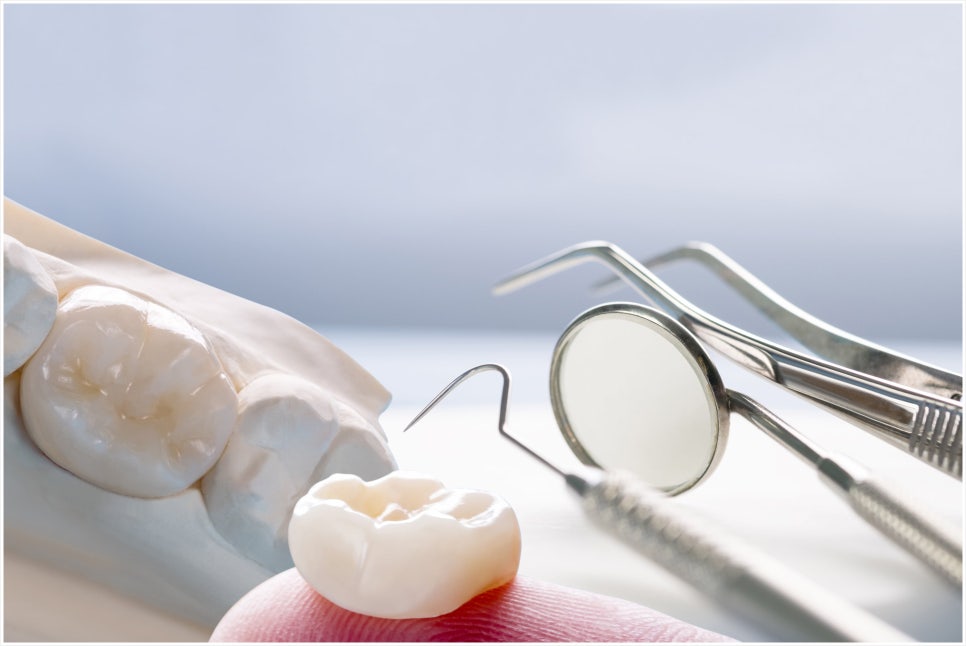
Therefore, it is necessary to restore the tooth with a crown
to protect the weakened tooth
and help you use the natural tooth for longer.
If you have received root canal treatment,
please do not stop treatment midway.
Follow the schedule provided by your dental clinic
and be sure to complete the final crown treatment.
A small finishing step now
can make a big difference in protecting your teeth
for a long time to come!